
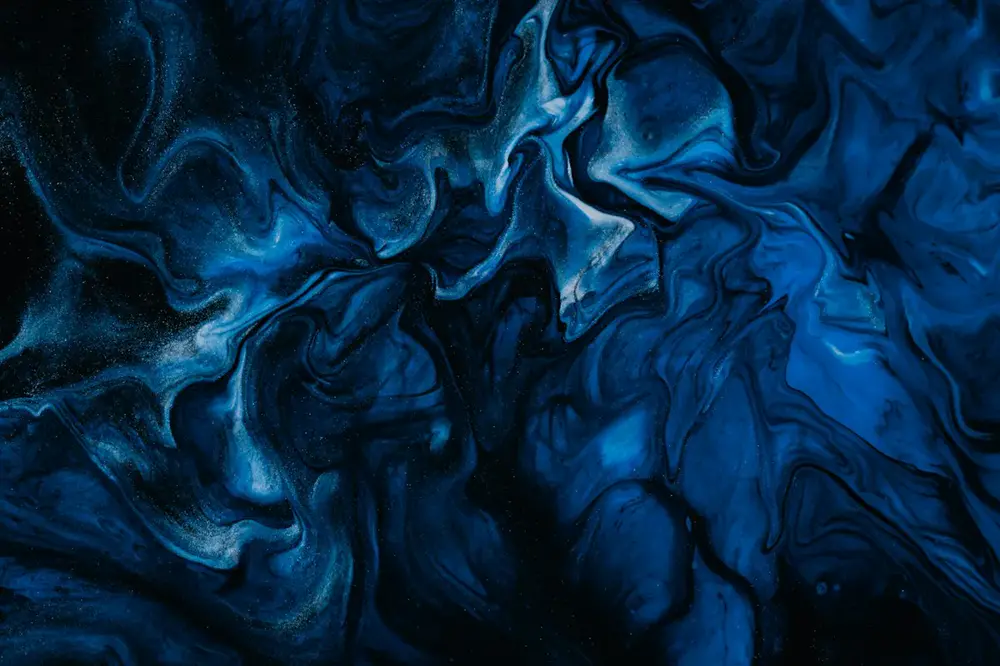
There is an undeniable magnetic pull toward the deep, mysterious depths of the ocean and the infinite expanse of a midnight sky. In the world of visual aesthetics, dark blue abstract art captures this essence, blending emotion with non-representational forms to create an atmosphere of sophistication, introspection, and calm. Unlike representational art, which tells a specific story, abstract works in deep blue hues invite the viewer to project their own feelings onto the canvas, making the experience deeply personal and fluid.
- The Psychology of Dark Blue in Abstract Art
- Popular Styles and Techniques
- Integrating Deep Blue Art into Interior Design
- How to Choose the Perfect Piece for Your Space
- Caring for Large-Scale Abstract Art
- Conclusion
- Frequently Asked Questions
The Psychology of Dark Blue in Abstract Art
Color theory suggests that blue is the color of the mind. While lighter shades evoke openness and airiness, darker tones—such as indigo, navy, and midnight blue—tap into a different emotional register. These shades often represent stability, wisdom, and a sense of profound mystery. In abstract compositions, the absence of a recognizable subject allows these colors to communicate directly with the subconscious.
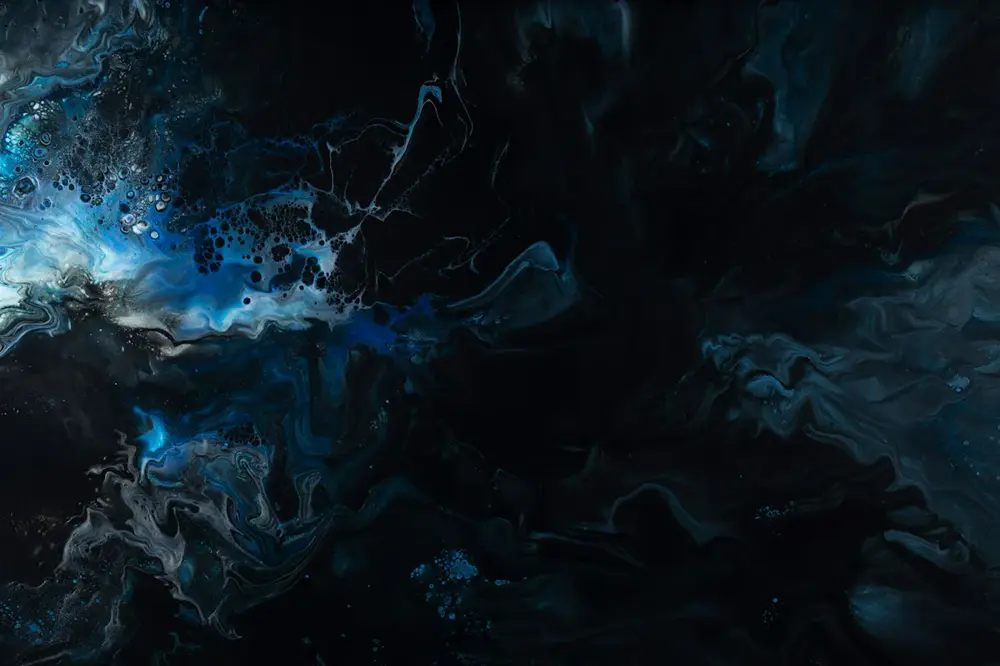
When you incorporate modern decor elements like dark blue art, you are often introducing a sense of grounding to a room. The weight of the color provides a visual anchor, preventing a space from feeling too ethereal or disjointed. Many collectors find that deep ultramarine tones evoke a feeling of solace, acting as a visual sanctuary from the chaos of daily life. This psychological depth is why such pieces are frequently used in spaces meant for reflection, such as libraries, bedrooms, or executive offices.
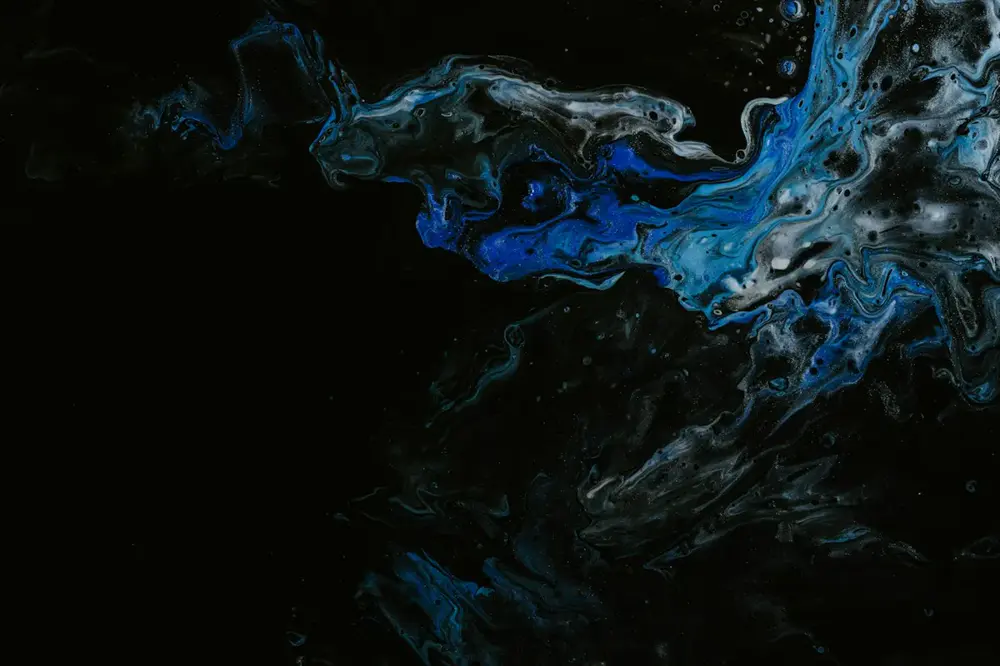
Furthermore, the interplay between dark blue and contrasting highlights—such as gold leaf or stark white—can symbolize the emergence of hope or clarity from the darkness. This duality makes non-representational painting in dark hues particularly powerful, as it mirrors the human experience of finding light within complexity.
Popular Styles and Techniques
The versatility of dark blue is best seen through the various techniques artists use to manipulate the medium. Depending on the application, a dark blue piece can feel aggressive and energetic or smooth and meditative.
Fluid Art and Acrylic Pouring
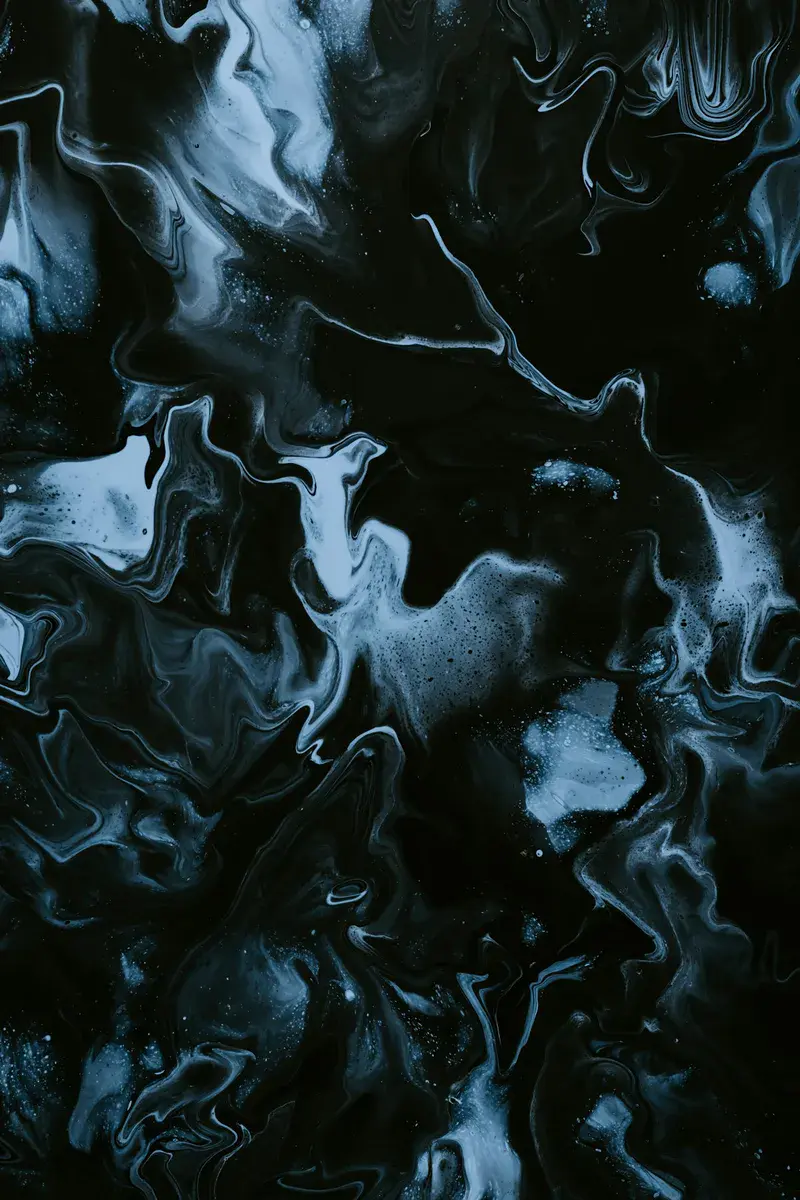
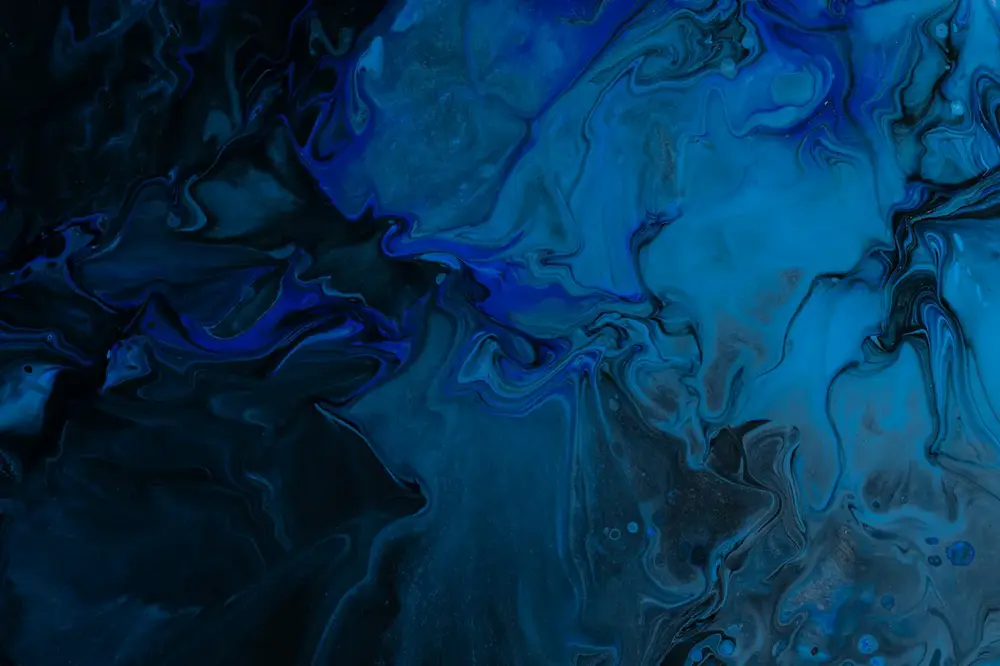
One of the most popular modern trends is fluid art. By mixing acrylics with pouring mediums, artists create organic, swirling patterns that mimic the movement of water or nebulae. In dark blue palettes, this technique often results in a “marbled” effect, where deep navy blends into cerulean and turquoise. The result is a dynamic piece that feels alive, shifting in appearance depending on the angle of the light.
Abstract Expressionism and Gestural Brushwork
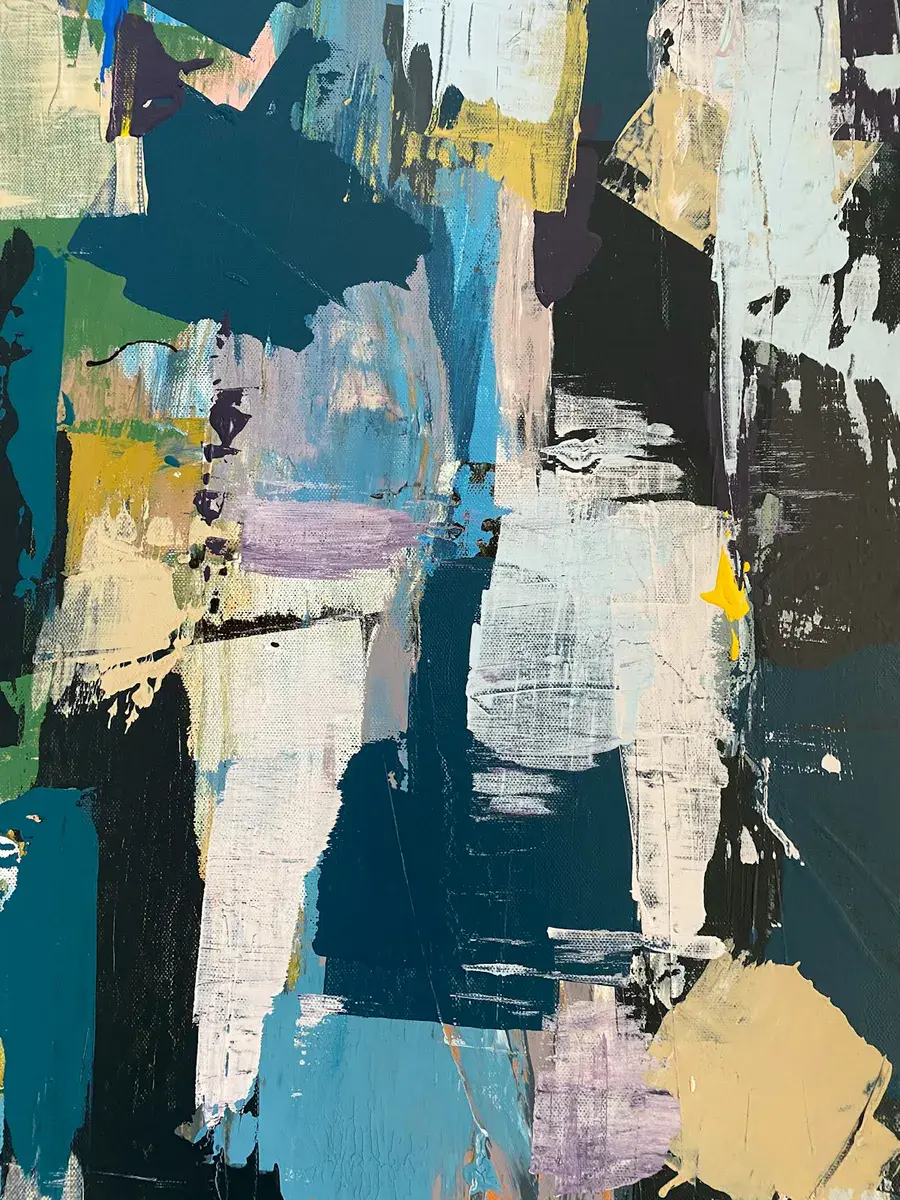
Inspired by the legacy of artists like Mark Rothko, many contemporary creators focus on color field painting. Here, the emphasis is on the sheer power of the pigment. Large washes of dark blue are layered to create a sense of infinite depth. Others use gestural abstraction, employing bold, sweeping brushstrokes and heavy impasto textures to convey raw emotion. The physical thickness of the paint adds a three-dimensional quality, casting small shadows that enhance the richness of the blue.
Geometric Minimalism
For those who prefer order over chaos, geometric abstraction uses dark blue to define structure. Sharp lines, intersecting circles, and stark blocks of navy create a sophisticated, architectural feel. This style emphasizes the contrast between the void of the dark color and the precision of the form, making it a favorite for corporate environments and minimalist homes.
Integrating Deep Blue Art into Interior Design
Choosing a piece of dark blue abstract art is only the first step; placing it correctly is where the true transformation happens. Because deep blues are visually heavy, they can drastically change the perceived size and mood of a room.
In a brightly lit room with white or light gray walls, a navy abstract painting acts as a focal point. It draws the eye immediately, creating a center of gravity for the entire design scheme. To enhance this effect, consider using contemporary painting styles that utilize metallic accents, as gold or silver frames can elevate the piece into a luxury statement.
Pairing with Color Palettes
- Monochromatic Schemes: Pairing dark blue art with various shades of blue and teal creates a serene, cohesive environment. This is ideal for bathrooms or bedrooms where relaxation is the priority.
- High Contrast: Combining deep blue with bright oranges, yellows, or warm creams creates a vibrant, energetic atmosphere. This complementary color scheme is perfect for living rooms where you want to stimulate conversation and creativity.
- Earth Tones: Pairing navy hues with terracotta, olive green, or natural wood grains grounds the art in nature, evoking a sense of the coast or a forest at twilight.
Lighting Considerations
Lighting is critical when dealing with dark pigments. In low-light conditions, a dark blue painting can bleed into the background, appearing almost black. To prevent this, utilize directional lighting or picture lights. Warm LED lighting can bring out the hidden undertones of cobalt or violet within the blue, while cool lighting emphasizes the crispness of the navy.
How to Choose the Perfect Piece for Your Space
Not every abstract piece fits every room. When selecting dark blue art, consider the “emotional temperature” of the work. Is it a chaotic storm of color, or a still, deep pool? Your choice should align with the intended use of the room.
Scale and Proportion are equally important. A small piece of art on a massive wall can look lost, while an oversized canvas in a tiny room can feel suffocating. A general rule of thumb is that the art should occupy approximately 60% to 75% of the available wall space. If you have a large wall but cannot find a single piece that fits, a gallery wall featuring several smaller blue abstracts can create a curated, eclectic look.
Finally, consider the texture. A high-gloss varnish can make the blue feel deeper and more like glass, which works well in modern, sleek interiors. Conversely, a matte finish provides a softer, more velvet-like appearance that complements rustic or traditional decor.
Caring for Large-Scale Abstract Art
To ensure your investment retains its vibrancy, proper maintenance is essential. Dark pigments, especially those in the blue spectrum, can be sensitive to prolonged exposure to direct sunlight, which may lead to photodegradation or fading over time.
- UV Protection: If the piece is located opposite a large window, consider applying a UV-protective glaze or using UV-filtering window films to protect the pigment.
- Dusting: Avoid using chemical cleaners or wet cloths on the surface of the painting. Use a soft, dry microfiber cloth or a clean brush to gently remove dust from the texture of the paint.
- Environment: Keep art away from direct heat sources, such as radiators or fireplaces, as extreme temperature fluctuations can cause the canvas to expand and contract, potentially leading to cracks in the paint layer.
Conclusion
Dark blue abstract art is more than just a decorative choice; it is a tool for emotional regulation and spatial transformation. By harnessing the psychological depth of indigo and navy, these pieces can turn a sterile room into a sanctuary or a quiet office into a powerhouse of inspiration. Whether you are drawn to the fluid energy of acrylic pours or the silent strength of minimalist blocks, the right piece of deep blue art connects your interior environment to the timeless mysteries of the natural world.
Frequently Asked Questions
What colors pair best with dark blue abstract art?
Dark blue is incredibly versatile. For a sophisticated look, pair it with gold, silver, or crisp white. For a more vibrant and energetic feel, use complementary colors like burnt orange, mustard yellow, or coral. Earthy tones like sage green and warm beige also work well to create a balanced, natural aesthetic.
How does dark blue art affect the mood of a room?
Generally, dark blue promotes feelings of stability, calm, and introspection. While very dark tones can sometimes feel somber, in an abstract context, they usually provide a sense of luxury and grounding. It helps reduce visual noise, making the space feel more focused and serene.
Should I choose a matte or glossy finish for my dark blue painting?
A glossy finish enhances the depth of the color and makes the piece look more modern and “wet,” but it can cause distracting reflections from lights. A matte finish is more subtle, absorbs light, and gives the artwork a sophisticated, velvety texture that is easier to view from multiple angles.
Where is the best place to hang a large dark blue abstract piece?
The best placement is usually on a primary wall that serves as a focal point, such as the wall behind a sofa in the living room or above the headboard in a bedroom. Ensure the wall color provides enough contrast so the piece doesn’t blend in too much, and always place it at eye level.
How do I distinguish between different shades of dark blue in art?
Pay attention to the undertones. Navy typically has a neutral or slightly black undertone, making it very formal. Indigo has a slight violet or purple tint, giving it a more spiritual or mysterious feel. Cobalt is more saturated and vivid, while midnight blue is the darkest, often appearing almost black in low light.
Related posts:

Your next desktop or phone look is hiding somewhere in abstract-painting. The related sets below are a good place to dig.
Share this page with a fellow art lover looking for their next wallpaper.
