
Dark Trippy Black and White Abstract Wallpaper: A Visual Guide
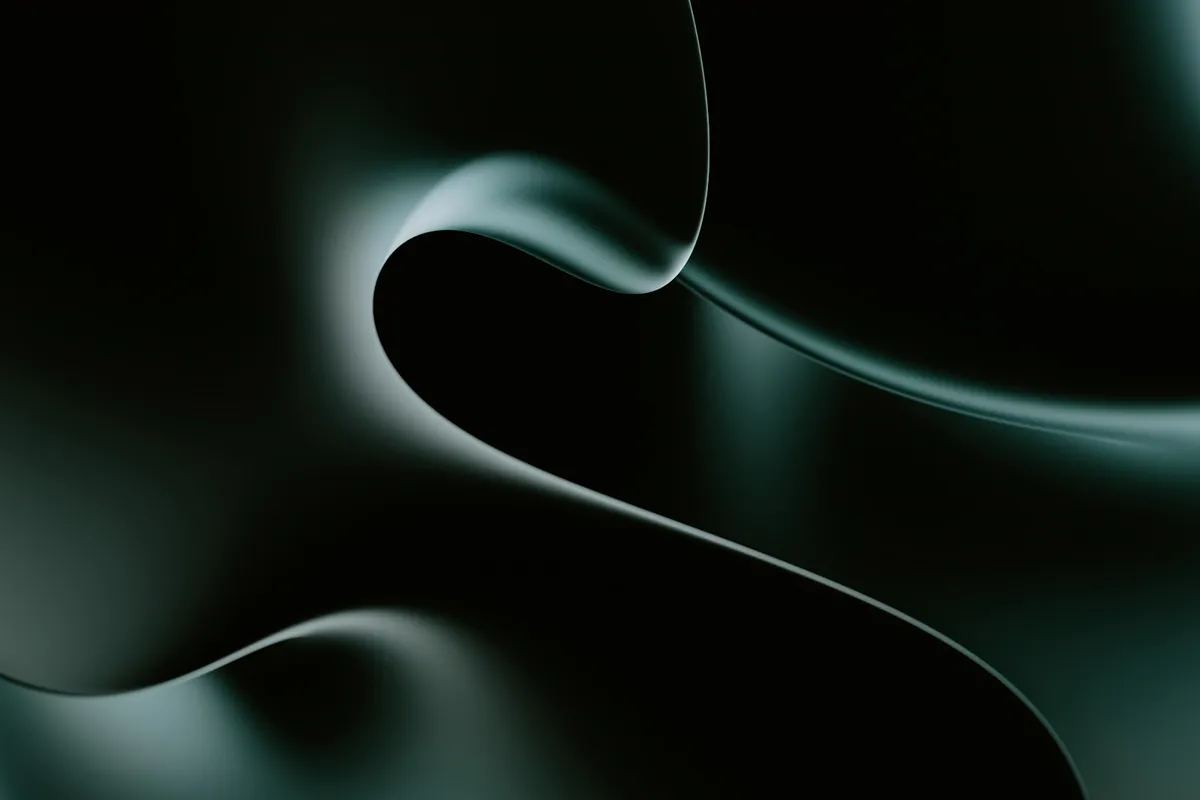
There is something inherently captivating about the intersection of darkness and distortion. When we think of a dark trippy black and white abstract wallpaper, we aren’t just talking about a simple background image; we are discussing a digital mood, an atmospheric choice that transforms a sterile screen into a window of surrealism. The absence of color strips away the distractions of the physical world, leaving only the raw interplay of light, shadow, and geometry. This monochromatic approach allows the mind to focus on the patterns themselves, creating a hypnotic experience that can either soothe the spirit or stimulate the imagination.
For many, the appeal of these visuals lies in their ambiguity. Unlike a photograph of a landscape or a portrait, abstract art does not dictate what the viewer should see. Instead, it invites interpretation. A swirling vortex of grey and black might look like a distant galaxy to one person, while to another, it resembles the intricate folds of a biological organism or a dreamscape from a subconscious memory. This subjectivity is what makes high-contrast, surreal imagery so enduringly popular in digital curation.
The Allure of Monochromatic Surrealism
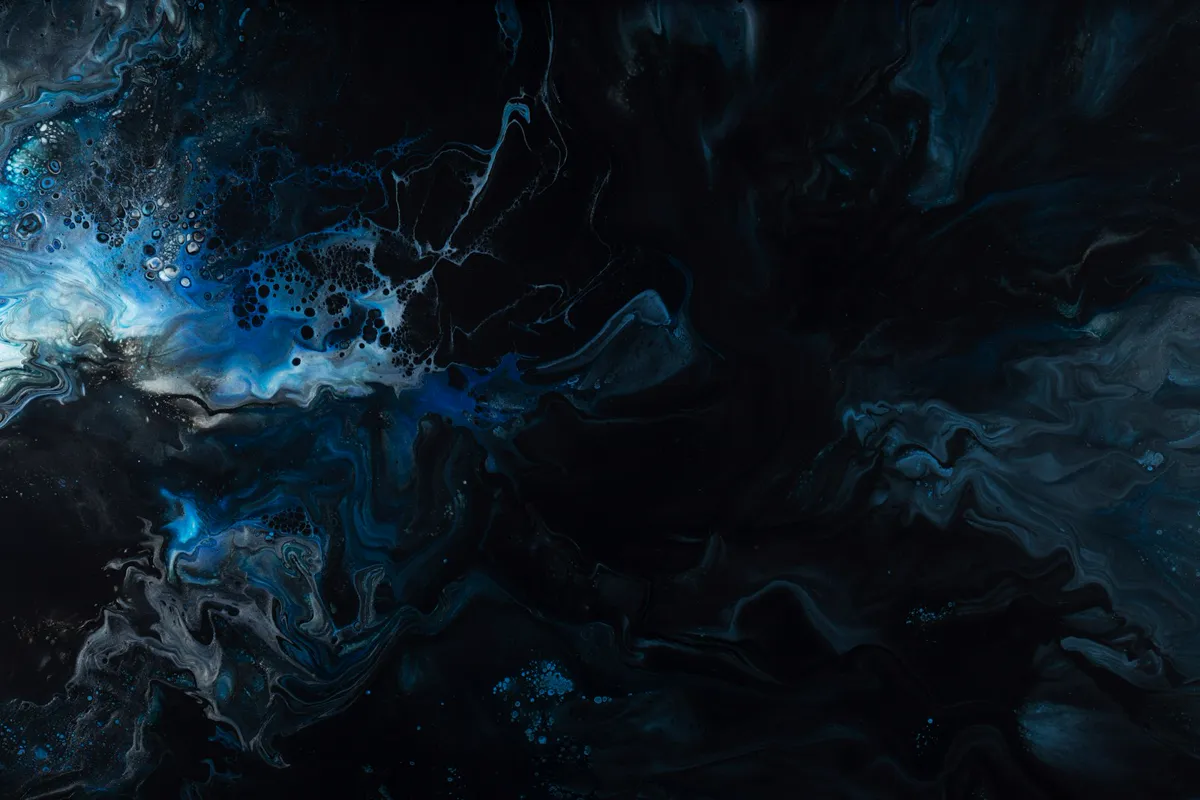
The choice to remove color from a trippy design is a powerful artistic decision. In a world saturated with vibrant pixels and neon advertisements, the starkness of black and white offers a refreshing clarity. It simplifies the visual language, emphasizing form, line, and texture over hue. When you apply a dark abstract design to your desktop or phone, you create a focal point that doesn’t compete with your app icons or widgets, yet remains visually arresting.
Furthermore, the contrast inherent in these designs creates a sense of depth. Deep blacks can simulate a void, while bright whites can feel like piercing light. When these two extremes are blended using gradients or sharp, jagged edges, the result is a three-dimensional effect that feels as though it is moving or breathing. This ‘movement’ is a hallmark of the trippy aesthetic, drawing the eye inward and creating a sense of immersion that is rarely achieved with static, colorful images. By exploring various visual patterns, users can find a balance between chaos and order that resonates with their personal mood.
The Role of Op Art and Optical Illusions
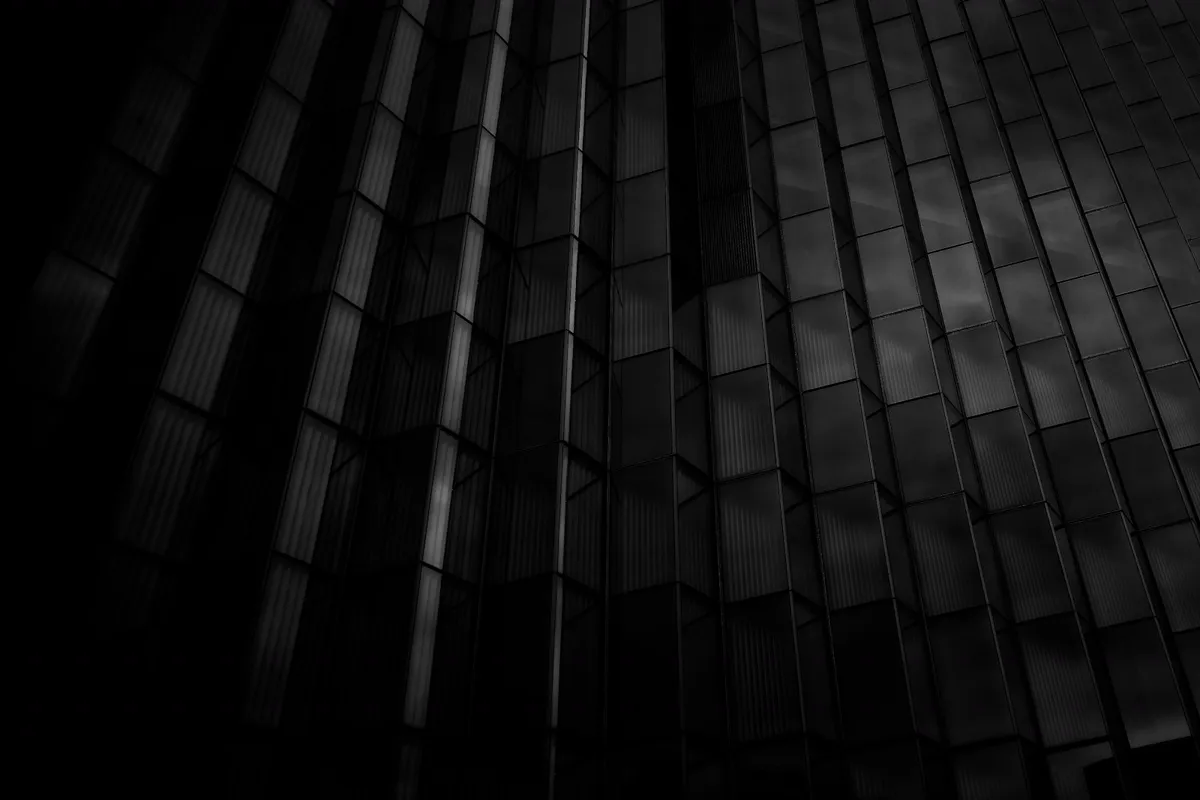
Much of what we define as ‘trippy’ in the modern digital sense owes its existence to Op Art, or Optical Art. This movement, which peaked in the 1960s, focused on creating illusions of movement or hidden images through the precise arrangement of lines and shapes. When translated into a dark trippy black and white abstract wallpaper, these principles are amplified. The use of Moire patterns—where two similar patterns are overlaid to create a new, shimmering effect—can make a screen feel as though it is vibrating.
These illusions work by overloading the human visual system. Our brains struggle to process the rapid shifts in contrast and the repetitive nature of the geometry, leading to a sensation of depth or motion where none exists. This cognitive friction is exactly what provides the ‘trippy’ feeling. Whether it is a series of concentric circles that seem to tunnel infinitely or a grid of warped lines that bend the perceived space, these images challenge our perception of reality.
Psychological Impact of Dark Abstract Visuals
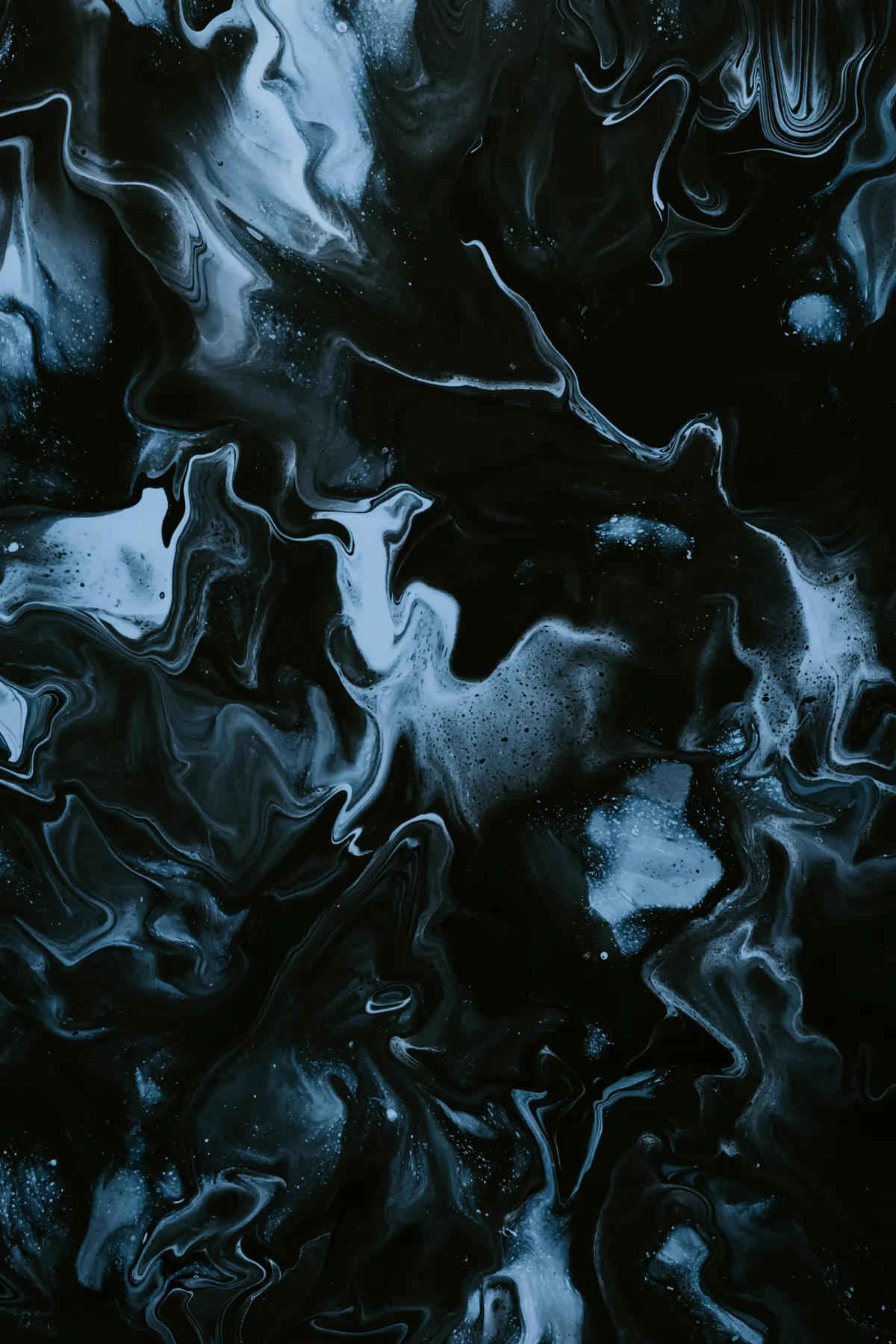
The psychological effect of staring into a dark, abstract void is multifaceted. For some, it evokes a feeling of tranquility and introspection. The dark tones act as a visual mute button, reducing sensory input and allowing the mind to settle. In a fast-paced digital environment, having a background that doesn’t demand constant attention but provides a sense of mystery can be incredibly grounding.
Conversely, for others, the distorted nature of these wallpapers serves as a catalyst for creativity. The surreal elements act as a Rorschach test, prompting the viewer to project their own thoughts and emotions onto the canvas. The juxtaposition of sharp angles and flowing curves can mirror the complexity of human emotion—the tension between logic and intuition, or the struggle between order and chaos. Engaging with digital art in this way transforms a utility—the computer wallpaper—into a tool for mindfulness or inspiration.
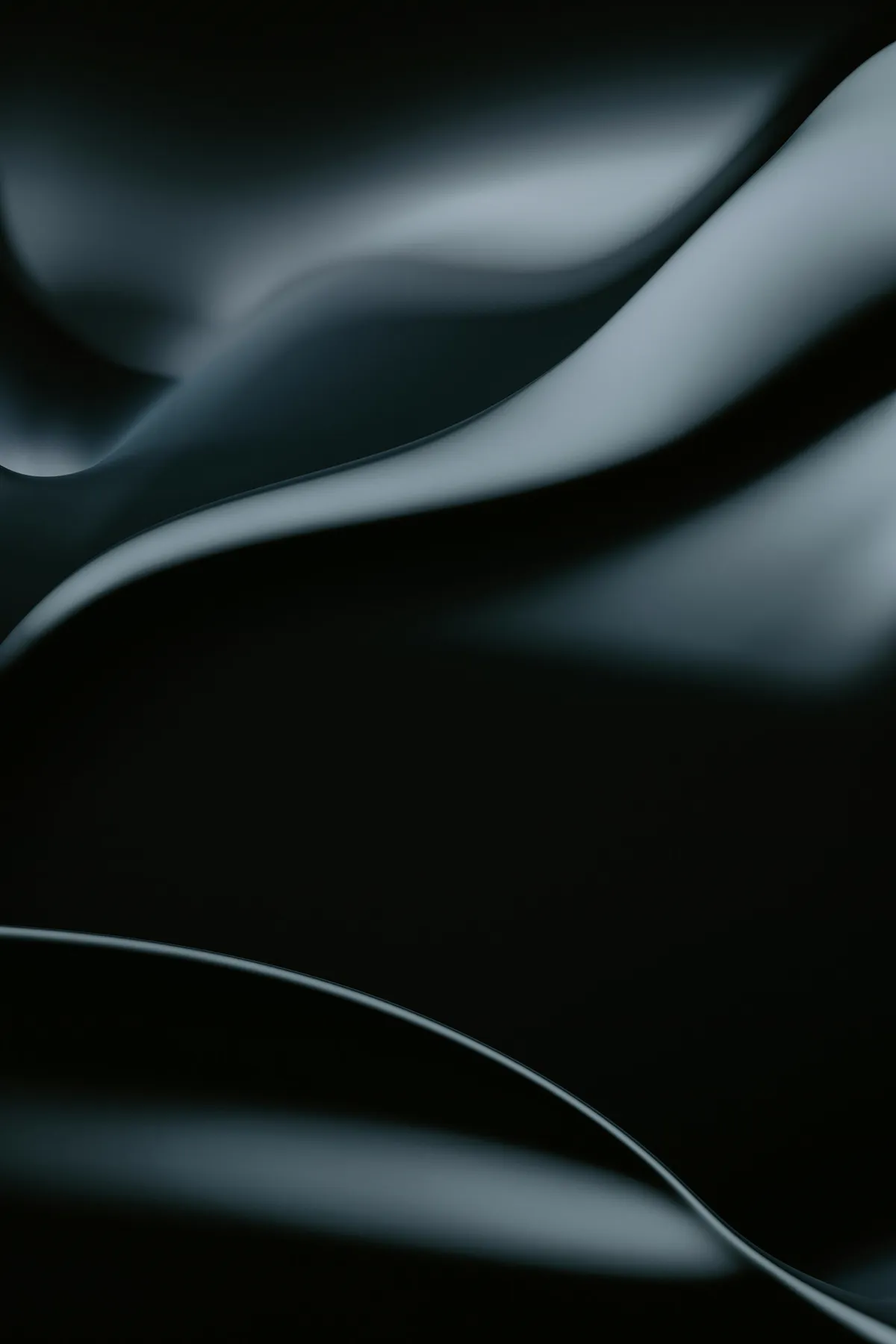
Contrast, Balance, and the ‘Void’ Aesthetic
The concept of ‘the void’ is central to the dark abstract aesthetic. In art, a void is not merely an empty space; it is a space filled with potential. By using a predominantly black palette, these wallpapers leverage the power of negative space. The areas of total darkness aren’t just backgrounds; they are active participants in the composition, pushing the white and grey elements forward and creating a dramatic stage.
Achieving balance in such a high-contrast environment is a delicate task. Too much white can make the image feel jarring or overly bright, defeating the purpose of a ‘dark’ theme. Too much black can make the image feel flat or oppressive. The most successful trippy wallpapers find a middle ground, using subtle charcoal greys and shimmering silvers to create a transition between the extremes. This gradient work adds a layer of sophistication, turning a simple graphic into a complex atmospheric piece.
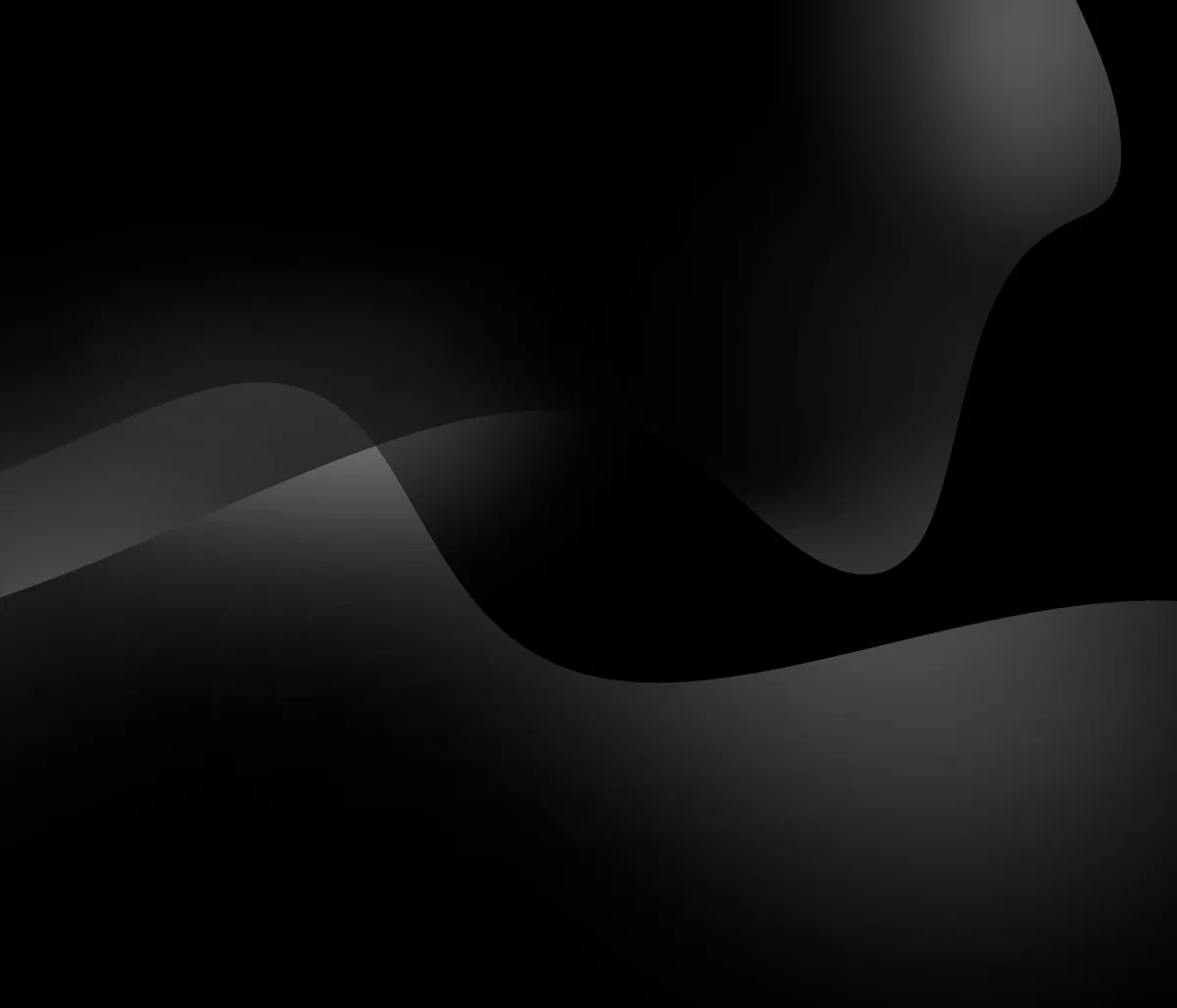
Choosing the Right Wallpaper for Your Device
Not all dark abstract wallpapers are created equal, and the hardware you use significantly impacts how the image is perceived. The distinction between different screen technologies is crucial when selecting a high-contrast monochromatic image. If you are using an OLED or AMOLED screen, the experience is fundamentally different than on a traditional LCD.
On an OLED screen, black pixels are completely turned off. This means that the ‘black’ in your dark trippy black and white abstract wallpaper is a true, absolute black. This increases the perceived contrast infinitely, making the white lines pop with an intensity that can feel almost holographic. Furthermore, using true black wallpapers on these screens is a practical choice, as it can actually reduce battery consumption by minimizing the energy used by the display. This synergy between aesthetic preference and hardware efficiency is a major reason why dark mode and dark wallpapers have become the industry standard for premium devices.
Resolution and Aspect Ratio Considerations
Because abstract art often relies on fine lines and intricate gradients, resolution is paramount. A low-resolution image will suffer from ‘banding’—those ugly, stepped transitions in a gradient—or pixelation along the sharp edges of a geometric shape. To maintain the trippy effect, one should always opt for 4K or higher resolutions. This ensures that the optical illusions remain crisp and the transitions remain smooth, preventing the eye from being distracted by technical flaws.
Aspect ratio is another factor. A wallpaper designed for a wide desktop monitor may not translate well to a vertical smartphone screen. When cropping an abstract image, it is important to ensure that the ‘energy’ of the piece is maintained. For mobile devices, a central vertical flow or a bottom-heavy composition often works best, as it guides the eye upward toward the clock and notifications without cluttering the visual field.
Styling Your Digital Workspace
Once you have selected the perfect dark trippy black and white abstract wallpaper, the next step is integrating it into your overall digital ecosystem. A wallpaper does not exist in isolation; it interacts with your folders, your browser windows, and your system theme. To maintain the surreal, clean aesthetic, a coordinated approach is necessary.
Consider using a monochromatic icon pack to match the wallpaper. When the icons are stripped of their corporate colors and rendered in white, grey, or black, the entire interface feels like a singular piece of art. This reduces visual noise and creates a streamlined experience that feels intentional and professional. Many users find that this level of curation reduces digital anxiety, as the screen becomes a place of order rather than a chaotic mess of competing colors.
Complementing the Theme with Lighting
The experience of a dark wallpaper extends beyond the screen. The physical environment where you use your device influences how the colors are perceived. For instance, using a dark trippy wallpaper in a dimly lit room with a single soft light source can enhance the mood of mystery and depth. Conversely, in a brightly lit office, the high contrast of the black and white art can provide a sharp, modern edge that looks cutting-edge and sophisticated.
Some users even coordinate their physical desk lighting—such as RGB strips set to a cool white or a dim grey—to bleed into the edges of their monitor. This blurs the line between the digital art and the physical space, extending the ‘trippy’ sensation into the room itself. The goal is to create a cohesive sensory experience where the wallpaper is the anchor for the entire atmosphere.
Creating Your Own Abstract Visuals
For those who find that existing libraries don’t quite capture their specific vision, creating a custom dark trippy black and white abstract wallpaper is more accessible than ever. You don’t need to be a master painter to produce something visually striking; you just need to understand the principles of contrast and distortion.
Digital tools like Photoshop or GIMP allow users to experiment with ‘Liquify’ tools, which can warp a simple grid of lines into a surreal, flowing river of geometry. By starting with a high-contrast black and white image and applying recursive filters or distorting the perspective, you can create unique patterns that are specifically tailored to your taste. The key is to experiment with symmetry and asymmetry—sometimes a perfectly mirrored image feels hypnotic, while a slightly off-center composition feels more organic and unsettling.
The Rise of AI-Generated Surrealism
In recent years, AI image generators have revolutionized the creation of abstract art. By using specific prompts that emphasize ‘monochromatic,’ ‘surrealism,’ ‘fractals,’ and ‘high contrast,’ users can generate thousands of iterations of trippy visuals in seconds. AI is particularly adept at creating complex fractal patterns—mathematically generated shapes that repeat infinitely at different scales. These fractals are the pinnacle of the trippy aesthetic, as they represent a complexity that is almost impossible to draw by hand but feels naturally ordered.
When using AI to create a wallpaper, the trick is to iterate. Start with a broad concept, such as ‘dark liquid chrome swirls,’ and then refine the prompt to add ‘black and white, 8k, minimalist, sharp edges.’ This process allows you to fine-tune the level of ‘trippiness,’ ensuring the final image is visually stimulating without becoming overwhelming.
Conclusion
The appeal of a dark trippy black and white abstract wallpaper lies in its ability to evoke a wide range of emotions while remaining visually disciplined. By stripping away the noise of color, these images highlight the raw power of contrast and the fascinating nature of optical illusions. Whether you are looking for a way to soothe your mind after a long day of work, a spark of creative inspiration, or simply a sleek, modern look for your device, the monochromatic abstract aesthetic provides a timeless solution.
From the mathematical precision of fractals to the fluid chaos of distorted lines, these visuals remind us that beauty can be found in the abstract and the unknown. As screen technology continues to evolve, especially with the perfection of true blacks in OLED displays, the impact of these wallpapers will only grow. By thoughtfully selecting and styling your digital background, you transform your device from a mere tool into a gallery of personal expression.
Related posts:
Abstract work rewards a second look — browse more of abstract-art when you are ready for a new backdrop.
Pass this link to someone who appreciates bold, abstract design.
