

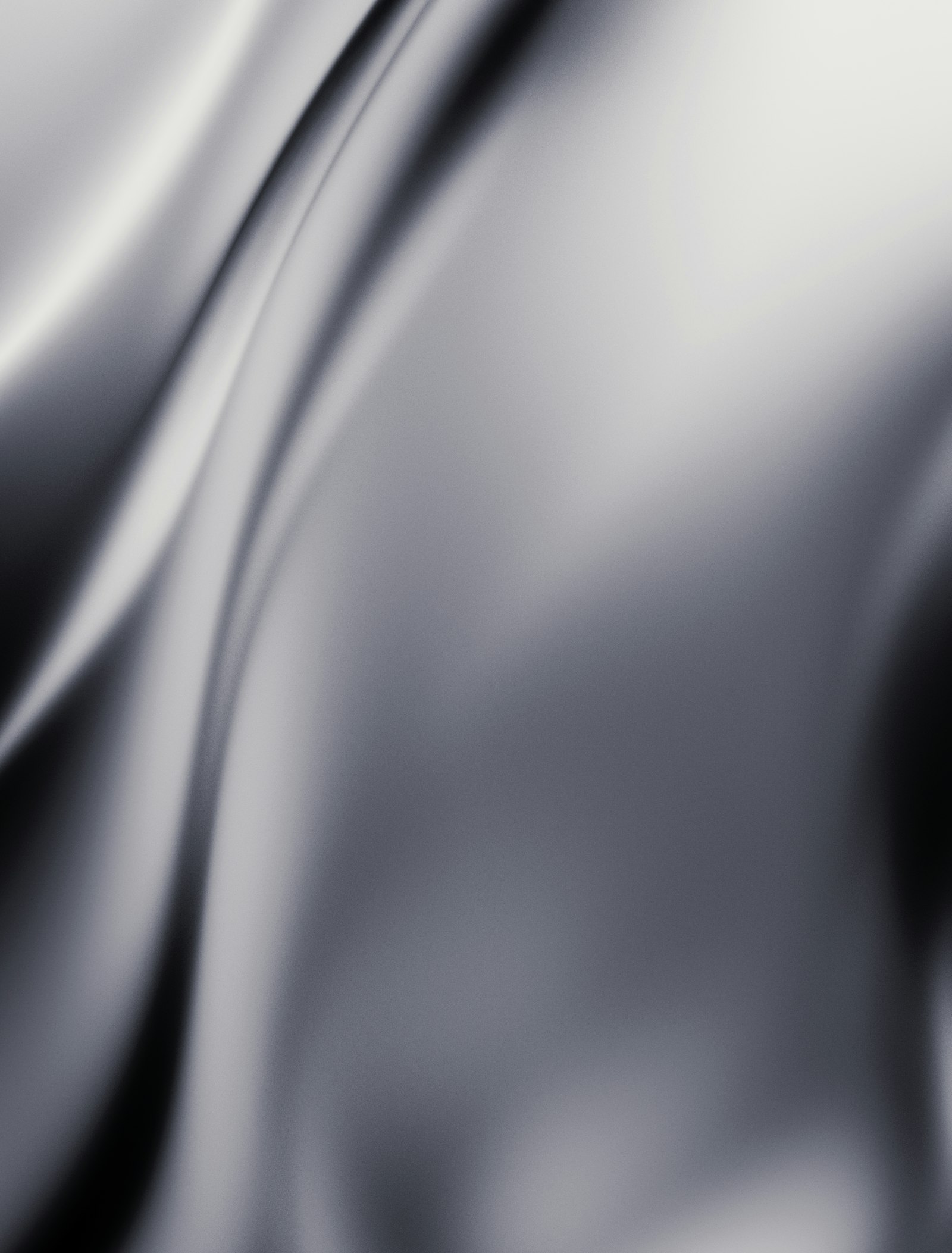
In the realm of contemporary interior design, the concept of quiet luxury has shifted from mere minimalism to a sophisticated play of texture and light. Among the most potent tools for achieving this aesthetic is metallic white abstract art. Unlike standard white paintings, which can sometimes feel sterile or flat, the integration of metallic elements introduces a dynamic quality that interacts with the surrounding environment. This art form is not merely about color; it is about the manipulation of luminosity, the creation of depth through tonal contrast, and the introduction of a tactile experience that breathes life into a room.
- The Psychology of White and Metallics
- Materiality and Mediums in Abstract Art
- Integrating Art into Various Design Styles
- The Critical Role of Lighting
- Curating the Perfect Placement
- Preserving Your Textured Art Investment
The Psychology of White and Metallics
White is often associated with purity, clarity, and openness. However, in a purely matte form, it can risk feeling clinical. When an artist introduces metallic pigments—such as silver, champagne gold, or iridescent pearl—the psychological impact shifts from simplicity to opulence. This combination creates a sense of chromatic neutrality that allows the viewer’s mind to rest while simultaneously providing a focal point of interest.

The use of metallic accents in white abstract pieces evokes a feeling of timelessness. Because these colors do not lean heavily toward a specific trend or season, they provide a stable visual anchor in a home. The shimmering qualities of the art suggest movement and fluidity, mirroring the way light naturally flows through a living space. This creates an atmosphere of serenity and high-end sophistication, making it a preferred choice for those seeking a sanctuary-like environment within their urban dwellings.
Materiality and Mediums in Abstract Art
The depth of metallic white abstract art is largely derived from the materials used to create it. To achieve a truly professional, gallery-grade look, artists often employ a variety of mixed media techniques. One of the most common is the use of heavy body acrylics, which allow for the creation of thick, sculptural ridges known as impasto. These ridges catch the light at different angles, creating natural shadows that add a three-dimensional quality to the canvas.

Beyond paint, the application of metal leafing (such as silver or palladium leaf) provides a mirror-like reflectivity that cannot be achieved with paint alone. This technique creates a stark contrast between the matte white background and the high-shine metallic veins. Many contemporary pieces also incorporate modeling paste or crushed quartz to add grit and organic texture, ensuring the piece feels grounded and artisanal.
When selecting a piece, it is essential to consider how these elements align with your overall minimalism goals. By choosing a piece with subtle textures, you can maintain a clean look while adding the necessary decor depth that prevents a room from feeling unfinished. Integrating these textures ensures that the art serves as a bridge between the architecture of the room and the softness of the furnishings, enhancing the overall interiors layout.

Integrating Art into Various Design Styles
One of the greatest strengths of white and metallic abstracts is their versatility. Because they lack aggressive hues, they act as a visual chameleon, adapting to the mood of the room. In a Scandinavian design setting, for example, a metallic white piece complements the light wood tones and neutral linens, reinforcing the ‘Hygge’ feeling of warmth and coziness without cluttering the visual field.
Conversely, in an Industrial loft, where exposed brick and raw concrete often dominate, a large-scale metallic white canvas provides a necessary counterpoint. The shimmer of the metallic accents softens the harshness of the industrial materials, adding a layer of refinement and luxury. In Mid-Century Modern spaces, these pieces can be paired with bold, saturated furniture—such as a teal velvet sofa or an orange accent chair—serving as a neutral backdrop that allows the furniture to pop while keeping the room feeling airy.

The Importance of Scale and Balance
When incorporating abstract art, scale is everything. A small piece on a massive white wall can look like an afterthought, whereas an oversized canvas in a tiny room can feel oppressive. For a professional look, the artwork should generally occupy about 60% to 75% of the available wall space above a piece of furniture. This creates a balanced visual weight, ensuring that the art complements the room’s proportions rather than competing with them.
The Critical Role of Lighting
The defining characteristic of metallic white abstract art is its relationship with light. Unlike traditional art, which is viewed as a static image, metallic art is experiential. As the light in the room changes throughout the day, the artwork evolves. In the morning, natural sunlight may highlight the white matte textures, making the piece feel soft and ethereal. As evening approaches and artificial lighting takes over, the metallic accents begin to glow, adding a dramatic, luxurious energy to the space.

To maximize this effect, consider the following lighting strategies:
- Directional Spotlighting: Using a ceiling-mounted track light or a picture light focused on the canvas can emphasize the tactile dimensionality of the impasto strokes.
- Ambient Diffused Light: Soft, indirect light prevents harsh glares on highly reflective metallic surfaces, allowing the subtle tonal shifts of the white paint to be more visible.
- Natural Light Positioning: Placing the art on a wall perpendicular to a window allows the shifting sun to ‘activate’ different parts of the painting throughout the day.
Curating the Perfect Placement
Where you place your art determines how it functions within the home. In the living room, a metallic white abstract often serves as the primary focal point. Placing it above the mantel or the main sofa anchors the room and sets a tone of sophistication. In the bedroom, these pieces are ideal for creating a calming environment; the neutrality of the white promotes relaxation, while the metallic hints add a touch of romantic elegance.
For those with larger homes, creating a monochromatic gallery wall can be a bold design statement. By grouping several metallic white pieces of varying sizes and textures, you create a cohesive installation that feels like a curated museum exhibit. The key here is to vary the ‘temperature’ of the metallics—mixing cool silvers with warm champagnes—to prevent the arrangement from looking too uniform or sterile.
Preserving Your Textured Art Investment
Because metallic white art often relies on heavy textures and reflective pigments, it requires specific care to maintain its luster. Dust is the primary enemy of textured canvases; it tends to settle in the ridges of the paint, dulling the shimmer of the metallics over time. Using a soft-bristled brush or a handheld vacuum on a low-suction setting is the safest way to remove debris without damaging the paint layers.
Additionally, UV protection is crucial. While white is more resilient than deep reds or blues, prolonged exposure to direct sunlight can cause some metallic pigments to oxidize or fade. Using UV-filtering glass if the piece is framed, or placing the art away from the harshest midday sun, will ensure the brilliance of the metallic accents remains intact for decades.
Conclusion
Metallic white abstract art is more than a decorative choice; it is a strategic design element that blends the boundaries between sculpture and painting. By leveraging the interplay of light, texture, and neutral tones, these pieces transform ordinary walls into dynamic experiences. Whether you are aiming for the understated elegance of a minimalist sanctuary or the bold statement of a modern luxury penthouse, the fusion of white and metallics offers a timeless solution that elevates the architectural soul of any space.
Frequently Asked Questions
How does lighting specifically change the appearance of metallic white art?
Lighting changes the perceived depth of the piece. Direct light hits the metallic pigments, creating ‘hot spots’ of brightness and deep shadows in the textured areas. Indirect light emphasizes the softness of the white tones, making the piece feel more integrated and subtle.
Can white abstract art make a small room feel larger?
Yes. Because white reflects the most light of any color, it pushes the walls ‘outward’ visually. When combined with metallic accents that create an illusion of depth, the art can make a cramped space feel more open and airy.
What is the difference between silver leaf and metallic paint?
Silver leaf consists of incredibly thin sheets of metal applied to the surface, offering a mirror-like, high-intensity reflection. Metallic paint contains small flakes of mica or metal, providing a softer, shimmering glow that is more diffused than leafing.
How do I pair metallic white art with colored furniture?
Since the art is neutral, it acts as a visual palate cleanser. You can pair it with bold jewel tones (emerald, sapphire) for a high-contrast luxury look, or with earthy neutrals (beige, terracotta) for a more organic, grounded aesthetic.
Is metallic white abstract art suitable for a professional office?
Absolutely. It conveys a sense of professionalism, cleanliness, and sophistication without being distracting. It provides a calming environment for clients and employees while suggesting a high standard of taste and attention to detail.
Related posts:


More abstract pieces are waiting in the related collections below — keep looking until one clicks.
Share this page with a fellow art lover looking for their next wallpaper.
