
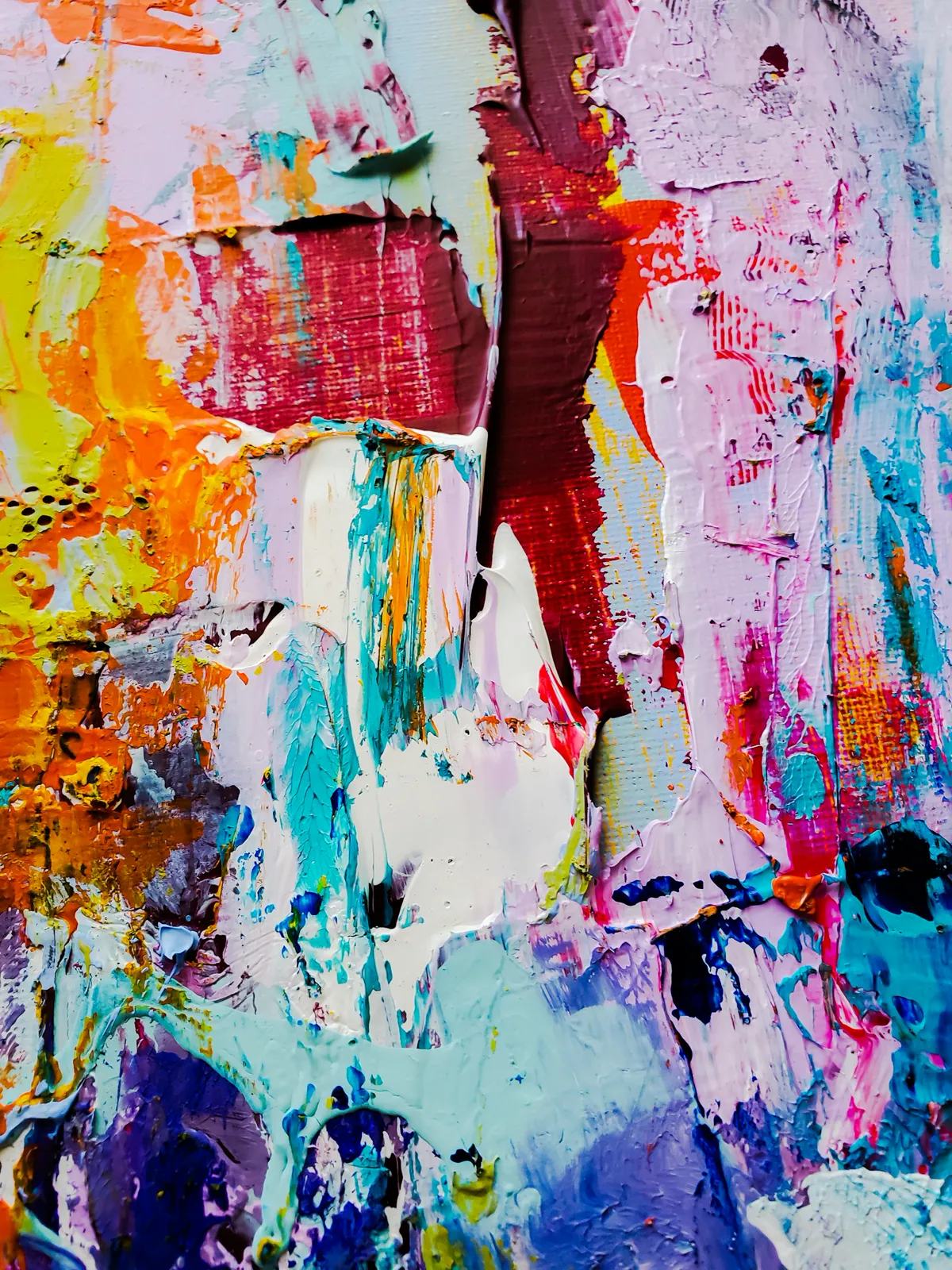
The allure of an oil abstract texture lies in its ability to transcend the two-dimensional plane, transforming a flat canvas into a visceral, sensory experience. Unlike digital art or flat acrylics, oil paint possesses a unique viscosity and a slow drying time that allows artists to manipulate the medium into peaks, valleys, and sweeping currents of color. This interplay of light and shadow, created by the physical thickness of the paint, evokes an emotional response that is often subconscious, drawing the viewer into a world of non-objective form and raw expression.
- Understanding the Nature of Oil Abstract Textures
- Essential Techniques for Creating Tactile Surfaces
- The Psychological Impact of Visual Texture
- Bridging the Gap: Digital Replication of Oil Textures
- Integrating Abstract Textures into Modern Design
- Conclusion
- Frequently Asked Questions
Understanding the Nature of Oil Abstract Textures
At its core, an oil abstract texture is a study of materiality. While representational art focuses on the ‘what,’ abstract texture focuses on the ‘how.’ The physical presence of the paint becomes the subject itself. The richness of linseed oil combined with heavy pigments allows for a level of luminosity and depth that is nearly impossible to replicate with other media. When we speak of texture in this context, we are referring to both the actual texture (the physical bump of the paint) and the implied texture (the visual suggestion of a surface).
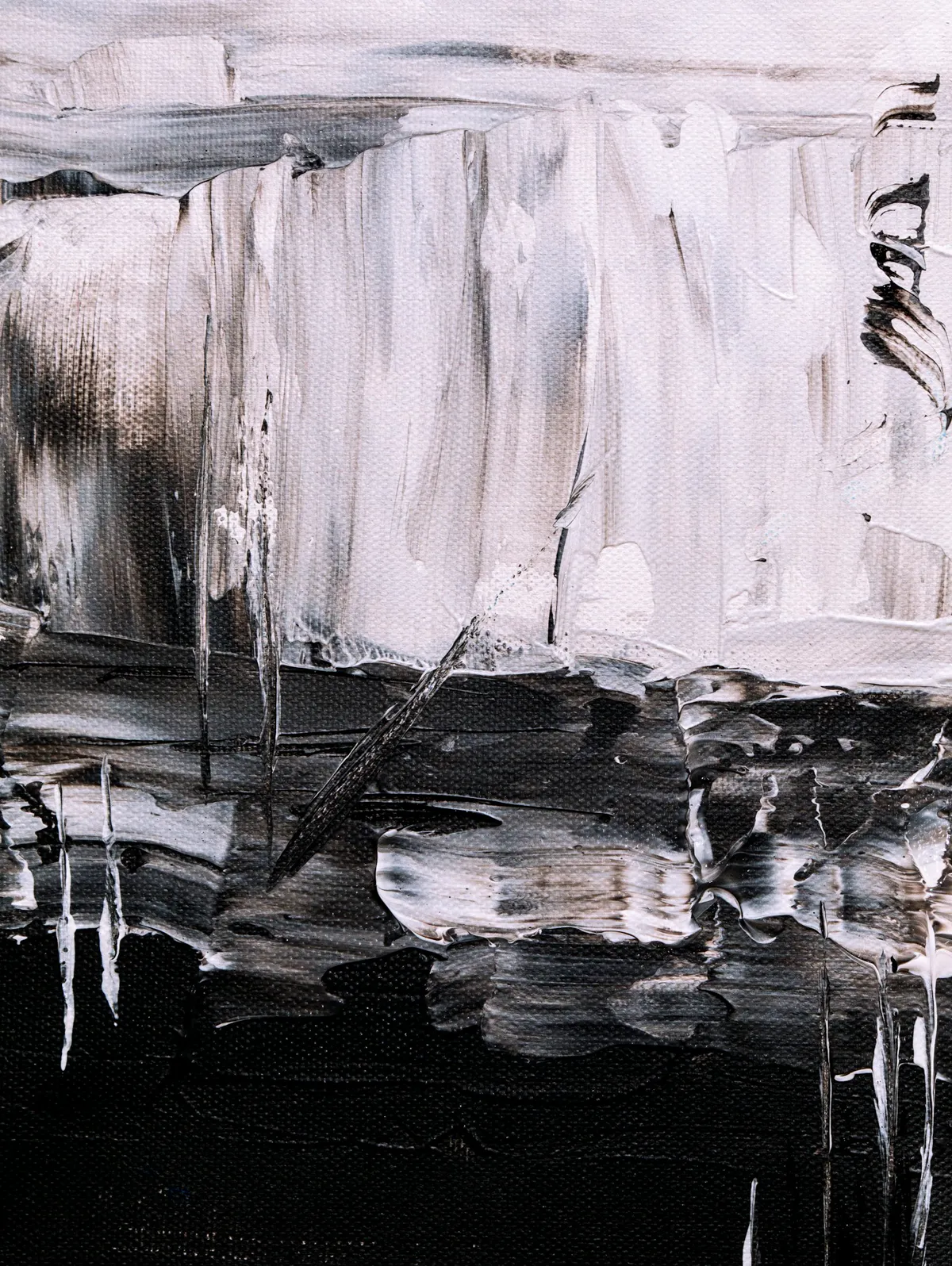
Many artists utilize creative painting methods to explore these boundaries, experimenting with the tension between fluid washes and rigid, structural blocks of color. By manipulating the consistency of the paint—either thinning it with turpentine or thickening it with mediums—the artist controls how the light hits the surface, creating a dynamic composition that changes depending on the viewer’s angle.
Essential Techniques for Creating Tactile Surfaces
Achieving a professional-grade impasto effect requires more than just applying a lot of paint; it requires an understanding of structural integrity and layering. Here are the primary methods used to build complex oil abstract textures:
The Impasto Technique
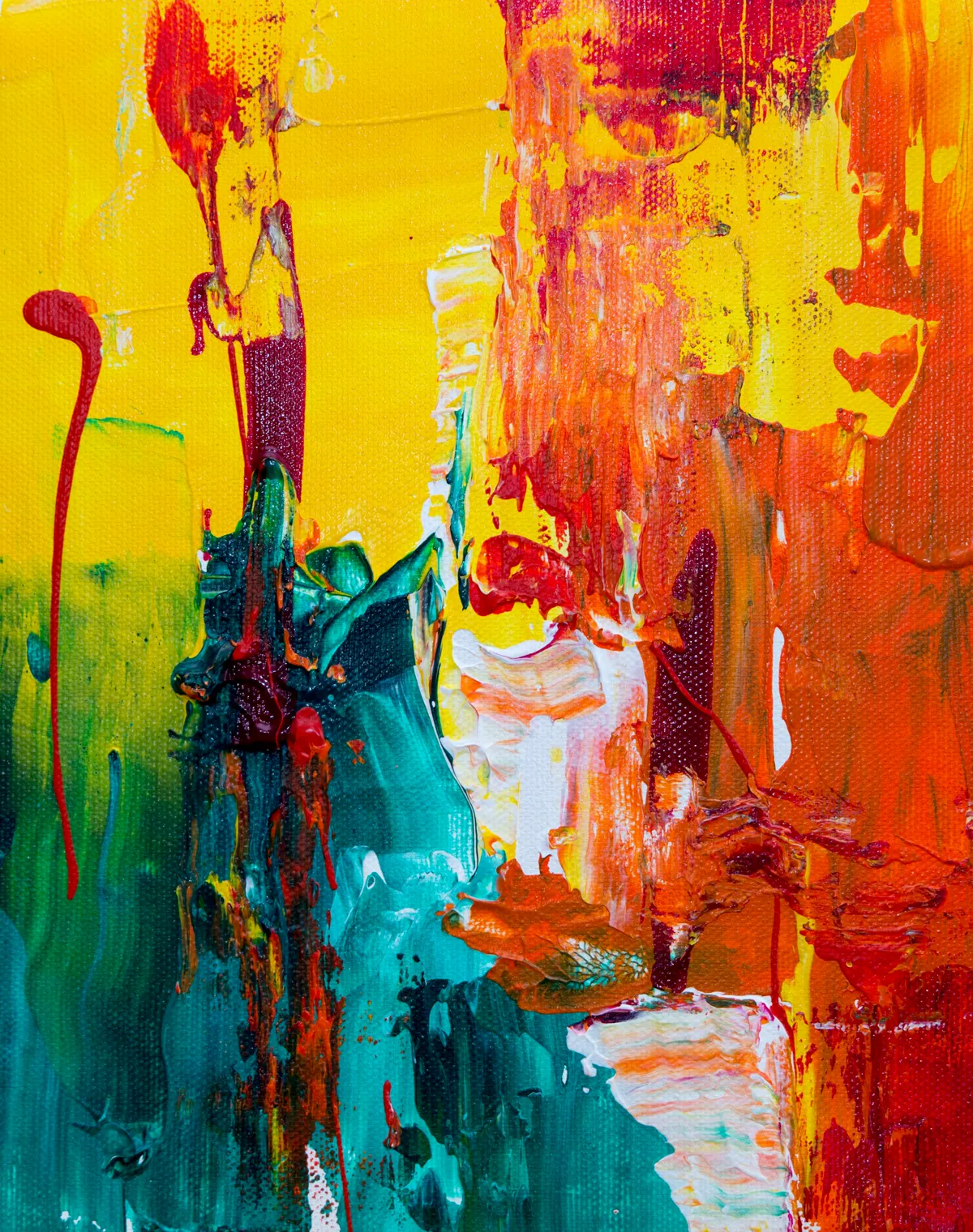
Impasto is the most recognized method for creating heavy texture. By applying paint thickly—often straight from the tube—the artist creates a three-dimensional surface. This is typically achieved using a palette knife rather than a brush. The knife allows for sharp edges, flat planes, and sudden peaks that catch the light, adding a physical energy to the work. To prevent the paint from cracking during the long drying process, artists often mix in alkyd mediums or wax-based additives to increase flexibility.
Sgraffito and Incising
While impasto adds material, sgraffito involves removing it. This technique involves scratching through a wet layer of paint to reveal the color underneath. This creates a linear, etched texture that adds a layer of intricate detail and history to the piece. It is often used to create a sense of movement or to define boundaries within a fluid abstract composition.
Glazing and Scumbling
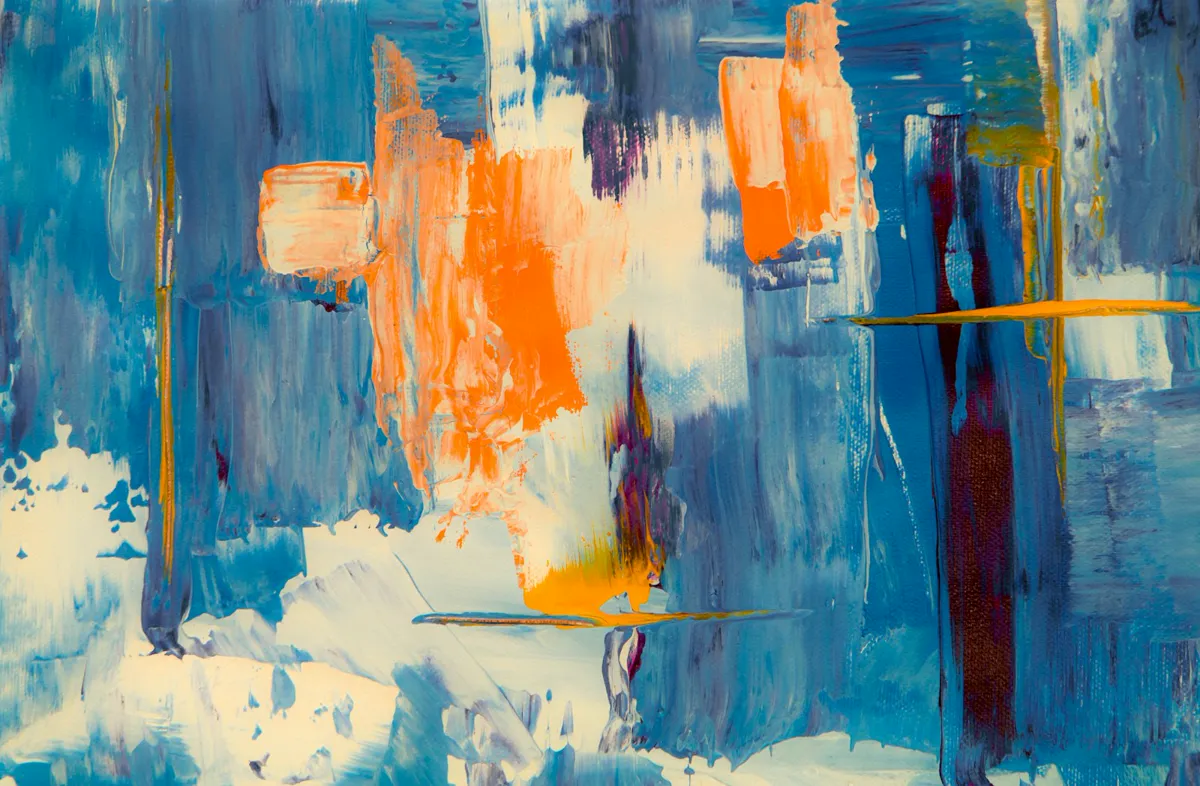
Texture isn’t always about height; it is also about optical depth. Glazing involves applying thin, transparent layers of oil paint over a dried, textured underlayer. The light passes through the glaze and reflects off the texture below, creating a glowing, holographic effect. Conversely, scumbling involves applying a thin, opaque layer of paint over a textured surface using a dry brush, allowing the peaks of the underlying texture to catch the color while the valleys remain untouched.
The Psychological Impact of Visual Texture
The human brain is hardwired to respond to tactile stimuli. In abstract art, visual texture acts as a bridge between the subconscious and the conscious mind. A smooth, blended surface often evokes feelings of calm, serenity, or clinical precision. In contrast, a jagged, heavily textured oil abstract texture can communicate turmoil, passion, or raw organic energy.
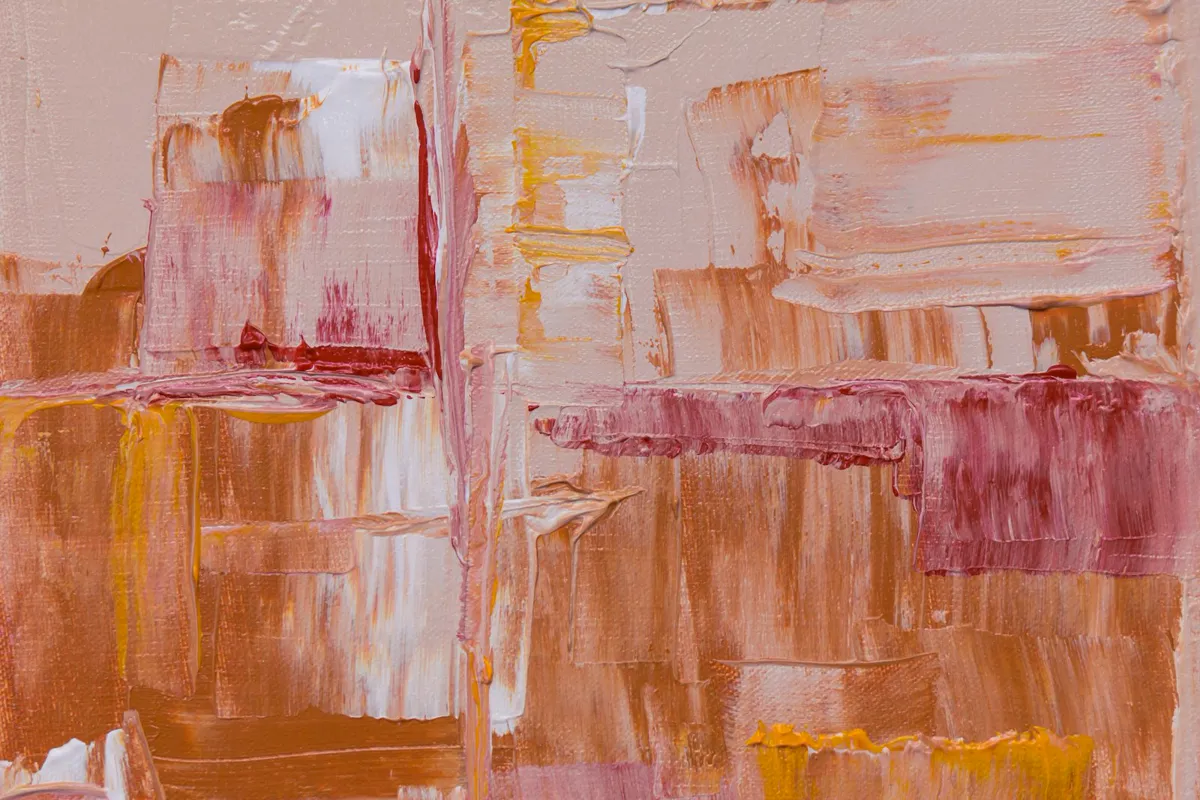
The use of organic forms—swirls, drips, and splatters—mimics the natural world, reminding the viewer of geological formations, cellular structures, or flowing water. This connection to nature allows abstract art to feel ‘grounded’ even when it lacks a recognizable subject. The chromatic contrast combined with physical depth forces the viewer to slow down, encouraging a meditative state as the eye wanders across the ridges and valleys of the canvas.
Bridging the Gap: Digital Replication of Oil Textures
With the rise of high-fidelity digital art, the quest to replicate the tactile quality of oil paint has led to significant technological advancements. Digital artists use texture overlays and custom brush engines to simulate the look of impasto. By utilizing normal maps and bump maps in 3D rendering, designers can create a surface that appears to react to light exactly like a physical oil painting.
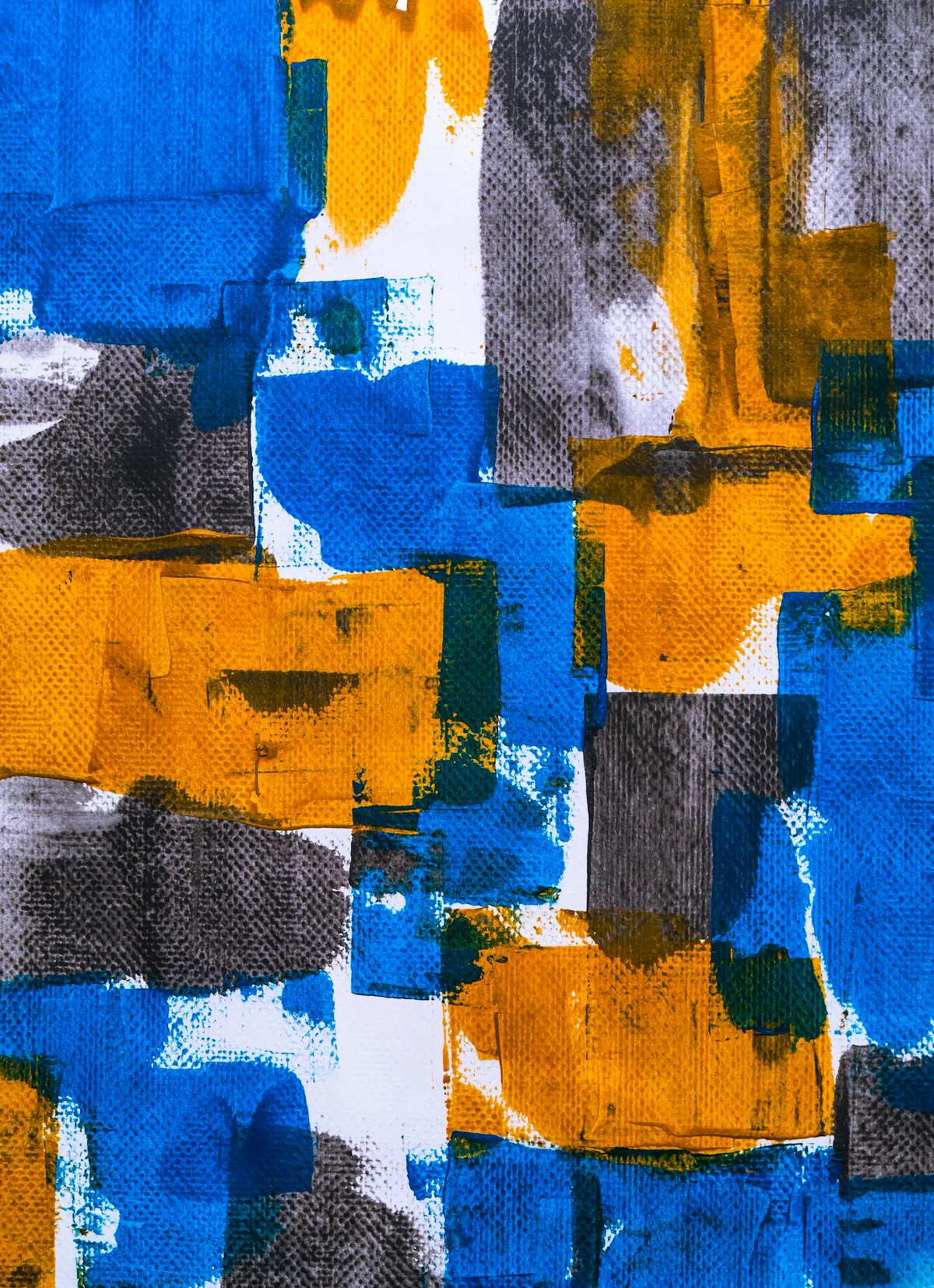
However, the digital approach is primarily an exercise in visual mimicry. To truly capture the essence of an oil abstract texture digitally, artists focus on the ‘imperfections’—the accidental drips, the uneven blending, and the canvas grain. By layering high-resolution scans of real oil paintings over digital compositions, creators can achieve a hybrid aesthetic that maintains the convenience of digital editing while retaining the soulful depth of traditional media.
Integrating Abstract Textures into Modern Design
Beyond the gallery wall, oil abstract textures have found a permanent home in modern interior design and corporate branding. The trend toward ‘maximalism’ has reintroduced the desire for tactile elements in living spaces. Large-scale abstract canvases serve as focal points that add architectural depth to a room, breaking up the monotony of flat walls and minimalist furniture.
In branding, the use of abstract textures in background graphics conveys a sense of luxury, craftsmanship, and authenticity. A brand that uses a subtly textured oil background suggests a commitment to quality and an appreciation for the arts, contrasting sharply with the sterile, vector-based aesthetics of the early 2000s. Whether it is a high-end skincare package or a luxury hotel lobby, the sensory appeal of oil textures adds a layer of sophistication that speaks to a refined taste.
Conclusion
The power of an oil abstract texture lies in its refusal to be ignored. It is a celebration of the physical medium, where the paint is no longer just a tool for depiction but the hero of the narrative. From the heavy ridges of impasto to the ethereal depths of glazing, these textures invite us to feel the art as much as we see it. Whether created on a stretched linen canvas or simulated in a digital environment, the interplay of light, color, and relief continues to be one of the most potent ways to communicate emotion and energy in the visual arts.
Frequently Asked Questions
How does an oil abstract texture differ from an acrylic one?
Oil paint has a slower drying time and a higher viscosity, allowing for ‘wet-on-wet’ blending and much thicker, more stable impasto peaks. Acrylics dry quickly and tend to flatten slightly as they lose water, whereas oil retains its sculptural volume and luminosity over time.
What are the best tools for creating heavy oil textures?
While brushes are useful for blending, palette knives, silicone scrapers, and even sponges or cardboard are ideal for creating thick, structural textures. Using a palette knife allows you to move large volumes of paint and create sharp, defined edges.
How can I prevent thick oil paint from cracking?
Cracking usually occurs when a fast-drying layer is placed over a slow-drying layer (the ‘fat over lean’ rule). To prevent this, use drying mediums like Liquin or alkyd resins to ensure the paint dries uniformly throughout the layer.
Can I use digital textures to make my art look like oil paintings?
Yes, by using high-resolution texture maps and blending modes (such as ‘Overlay’ or ‘Soft Light’) in software like Photoshop, you can simulate the grain and depth of oil paint. The key is to add a layer of canvas texture and vary the lighting to mimic 3D peaks.
How do I clean and preserve a heavily textured oil painting?
Textured paintings collect more dust in their crevices. Use a soft, clean brush (like a makeup brush) to gently remove dust. Avoid using wet cloths, as they can push grime deeper into the texture. A professional varnish should be applied once the painting is fully cured to protect the surface.
Related posts:
Drawn to these shapes and colours? Yellow Abstract Graphics Free Download: Top Design Resources explores a nearby corner of the same abstract world.
Bookmark this set for the next time your screen needs a new mood.
