
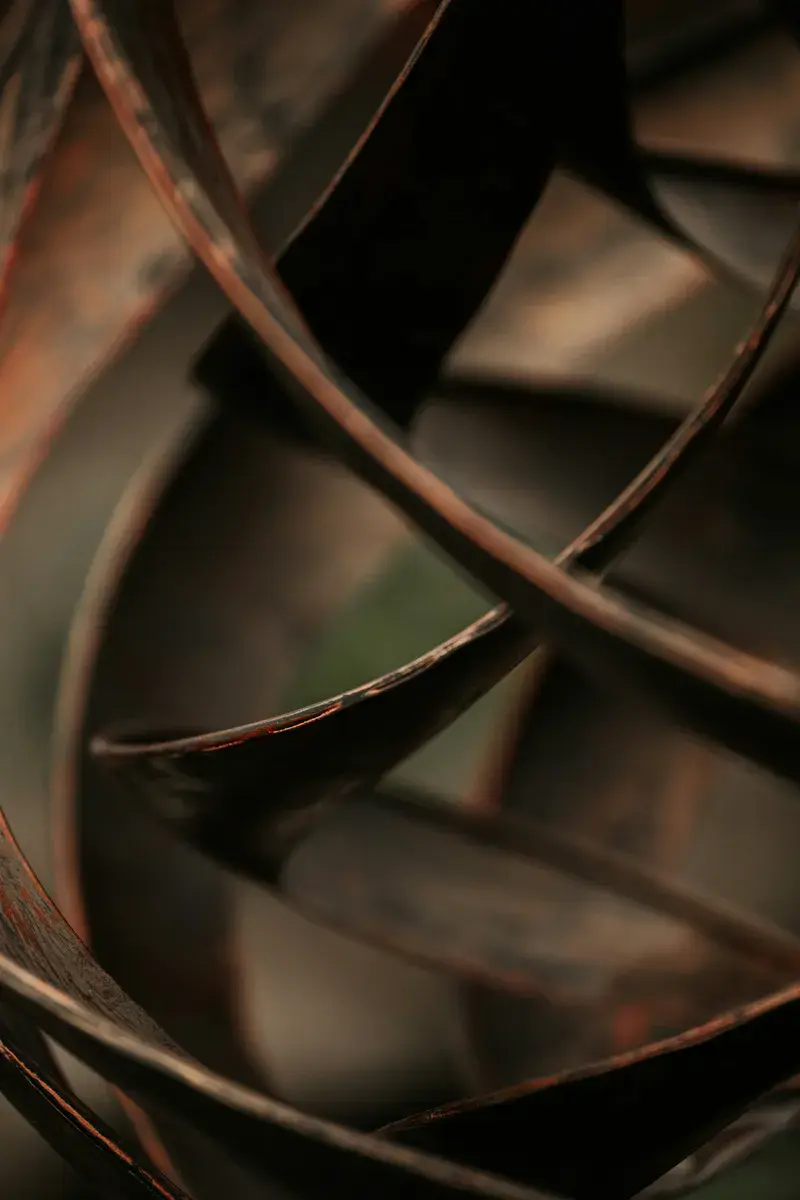
The Intersection of Light, Metal, and Abstraction
The concept of optical bronze abstract design represents a sophisticated fusion of material science, light physics, and contemporary artistic expression. Unlike traditional bronze work, which often focuses on figurative sculpture or classical architecture, optical abstraction leverages the unique reflective and refractive properties of copper-based alloys to create visual experiences that shift based on the viewer’s perspective. This design philosophy prioritizes the interplay of shadow and highlight, transforming a static metallic surface into a dynamic composition that feels alive and evolving.
- What is Optical Bronze? Understanding the synergy of metallurgy and optics.
- The Mechanics of Visual Depth How abstract forms manipulate light.
- Applications in Luxury Spaces Integrating metallic abstraction into interiors.
- Digital vs. Physical Fabrication The role of parametric design and CNC milling.
- The Psychology of Bronze Tones Why warm metallics evoke stability and luxury.
- Maintaining Metallic Luster Preservation of abstract finishes.
- Frequently Asked Questions Quick answers to common queries.
Decoding the Elements of Optical Bronze Abstraction
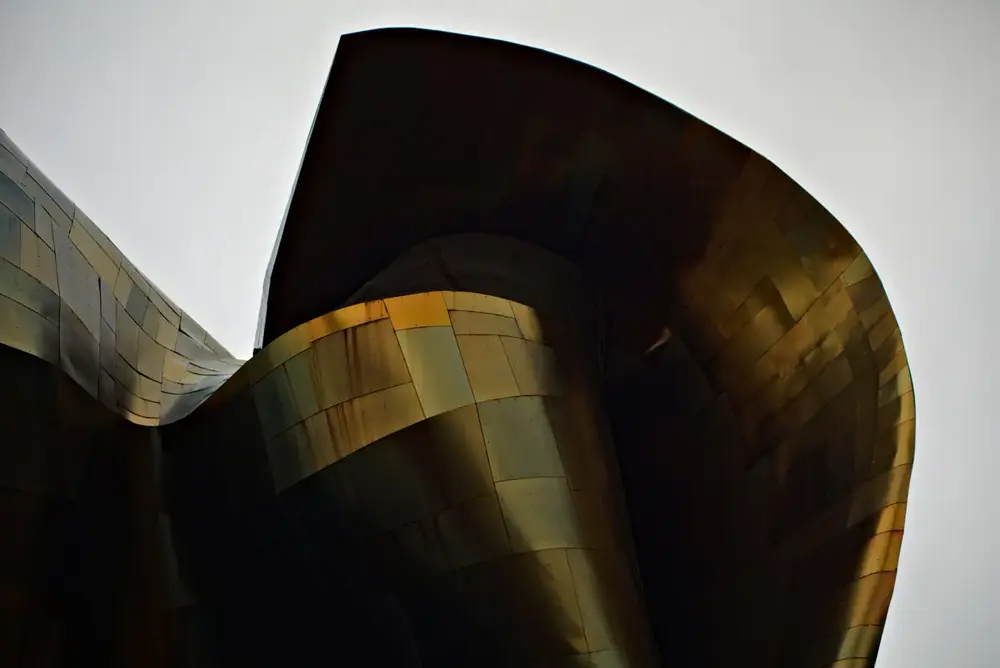
At its core, optical bronze abstract design is about manipulating the way light bounces off a surface. Bronze, being an alloy primarily composed of copper and tin, possesses a naturally warm hue that interacts with light differently than silver or gold. When this material is shaped into non-linear, abstract geometries, it creates a series of specular highlights and deep occlusions that draw the eye inward, creating an illusion of three-dimensional depth even on relatively shallow reliefs.
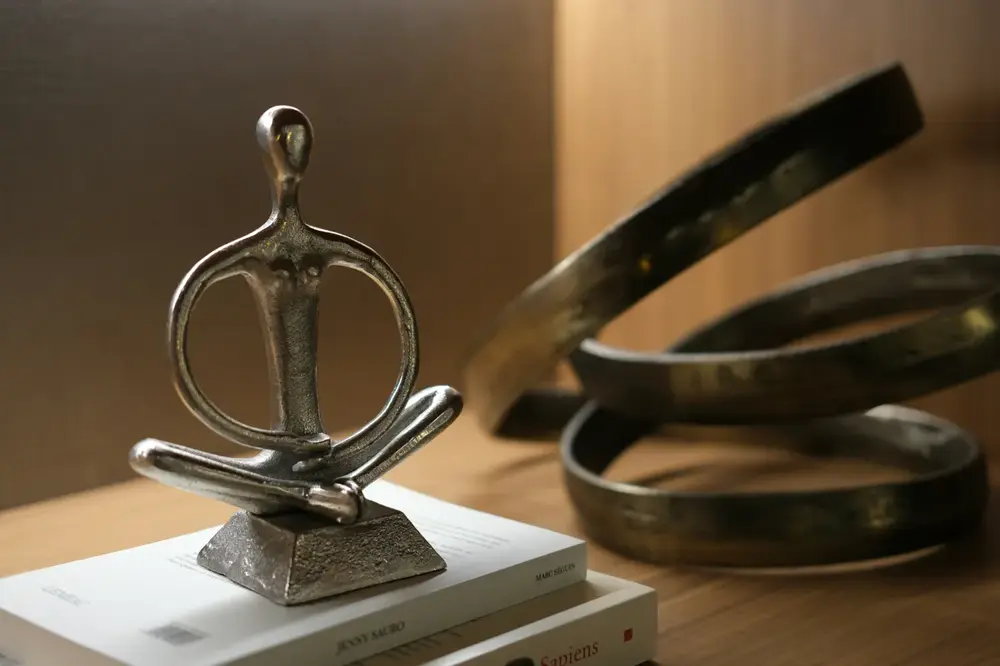
The ‘optical’ component refers to the intentional use of anamorphic perspectives and gradient reflections. By curving surfaces at specific angles, designers can guide the light to create ‘ghost images’ or shimmering patterns that appear to move as the observer walks past the piece. This makes it a cornerstone of contemporary design, where the goal is often to create an immersive environment rather than a mere static display. Furthermore, the integration of these elements into modern architecture allows for buildings to interact with the natural movement of the sun, changing the facade’s appearance from a golden glow at dawn to a deep, moody amber at dusk.
The Role of Parametric Modeling
Modern abstract design has been revolutionized by parametricism. Using algorithmic software, designers can create complex, undulating patterns that would be nearly impossible to sketch by hand. These mathematical curves are optimized to maximize light diffraction, ensuring that the bronze surface catches light from multiple angles. This result is a seamless blend of organic fluidity and industrial precision, often seen in high-end abstract art installations.
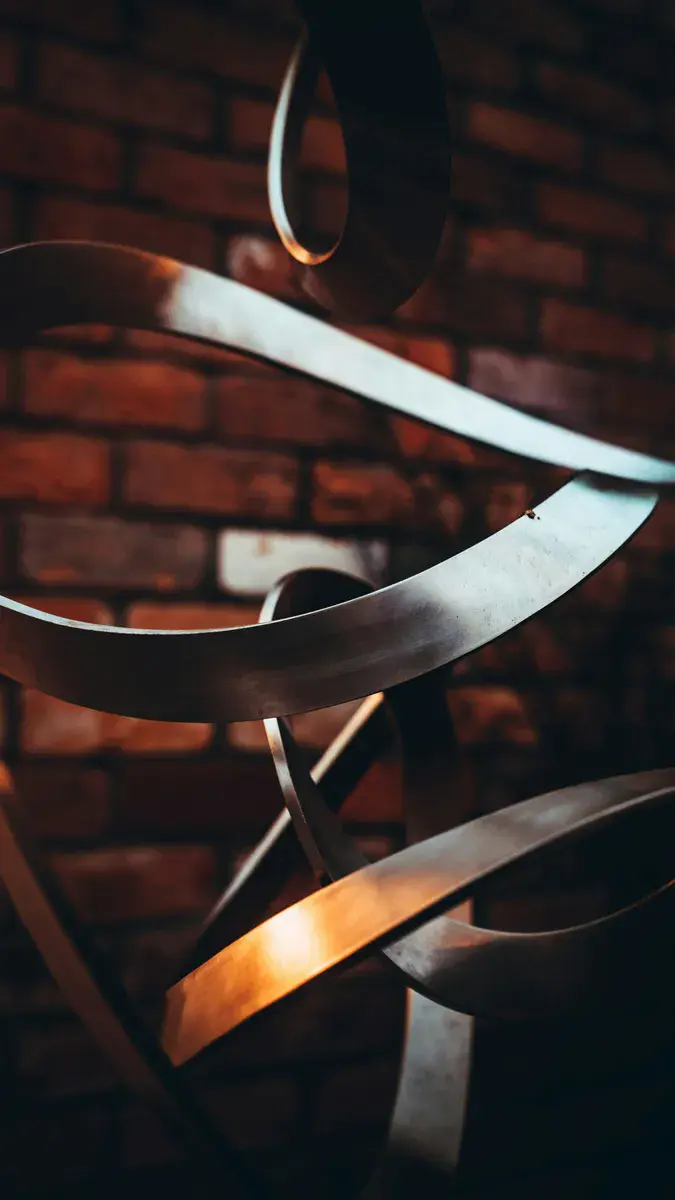
Integrating Optical Bronze into Interior Environments
Incorporating metallic abstraction into a space requires a balance between boldness and subtlety. Because optical bronze is visually heavy and carries a strong emotional weight of luxury, it is most effective when used as a focal point. Feature walls utilizing laser-cut bronze panels with abstract perforations can transform a sterile lobby into a warm, inviting gallery. These panels act as filters, playing with the light entering the room and casting intricate, shifting shadows across the floor.
Accentuating Luxury with Metallic Textures
In residential settings, the use of brushed bronze or polished abstract accents can elevate a room’s perceived value. Consider the following applications:
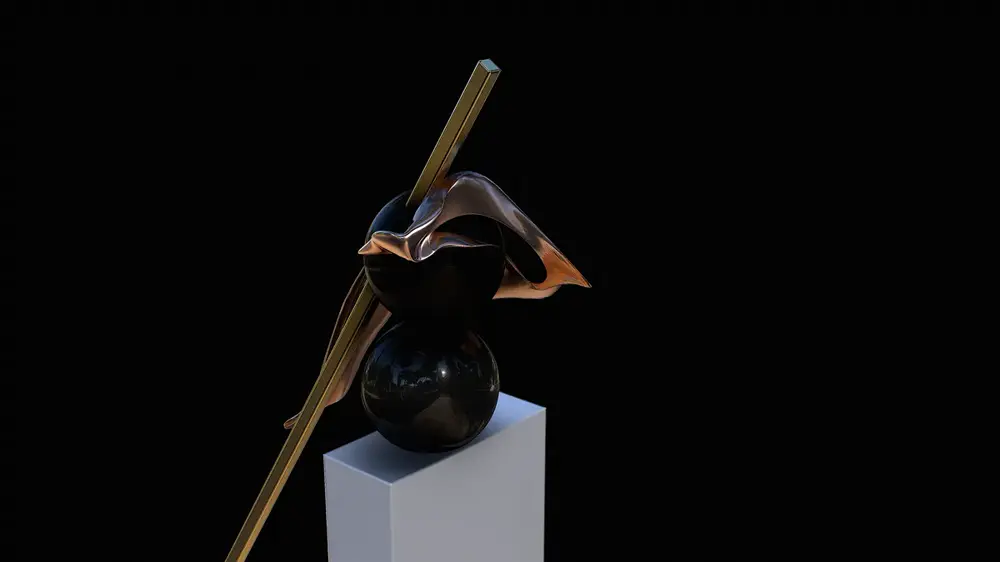
- Sculptural Dividers: Using abstract bronze screens to separate living and dining areas without blocking the flow of light.
- Custom Hardware: Integrating organically shaped bronze handles and fixtures that serve as miniature pieces of abstract art.
- Ceiling Installations: Hanging mirrored bronze shards in a calculated abstract cluster to reflect the room’s lighting and create a celestial effect.
The key to success is the lighting strategy. To maximize the ‘optical’ effect, designers often employ directional LED spotting or soft, diffused ambient light. A single point of light hitting a curved bronze surface creates a high-contrast highlight, whereas diffused light brings out the rich, warm undertones of the alloy.
The Technical Process: From Concept to Casting
Creating a piece of optical bronze abstract design involves a rigorous technical pipeline. The process usually begins with digital sculpting, where the artist defines the topological flow of the piece. Once the digital model is perfected, several fabrication methods can be employed depending on the desired finish.
CNC Milling and 3D Printing
For high-precision optical effects, Computer Numerical Control (CNC) milling is often the preferred choice. This allows for sub-millimeter accuracy in the curvature of the metal, which is essential for controlling how light reflects. Alternatively, some artists use 3D metal printing (DMLS) to create internal lattices and hollow structures that are impossible to cast, allowing for an even more complex interplay of light and void.
Traditional Casting and Patination
Despite the rise of digital tools, the lost-wax casting method remains vital for achieving a certain organic quality. The real magic, however, happens during patination. By applying chemicals to the bronze, artists can create variations in color—from deep chocolate browns to vibrant turquoise greens. In optical design, selective patination is used to create artificial shadows or highlights, enhancing the three-dimensional illusion of the abstract form.
The Psychological Influence of Bronze Aesthetics
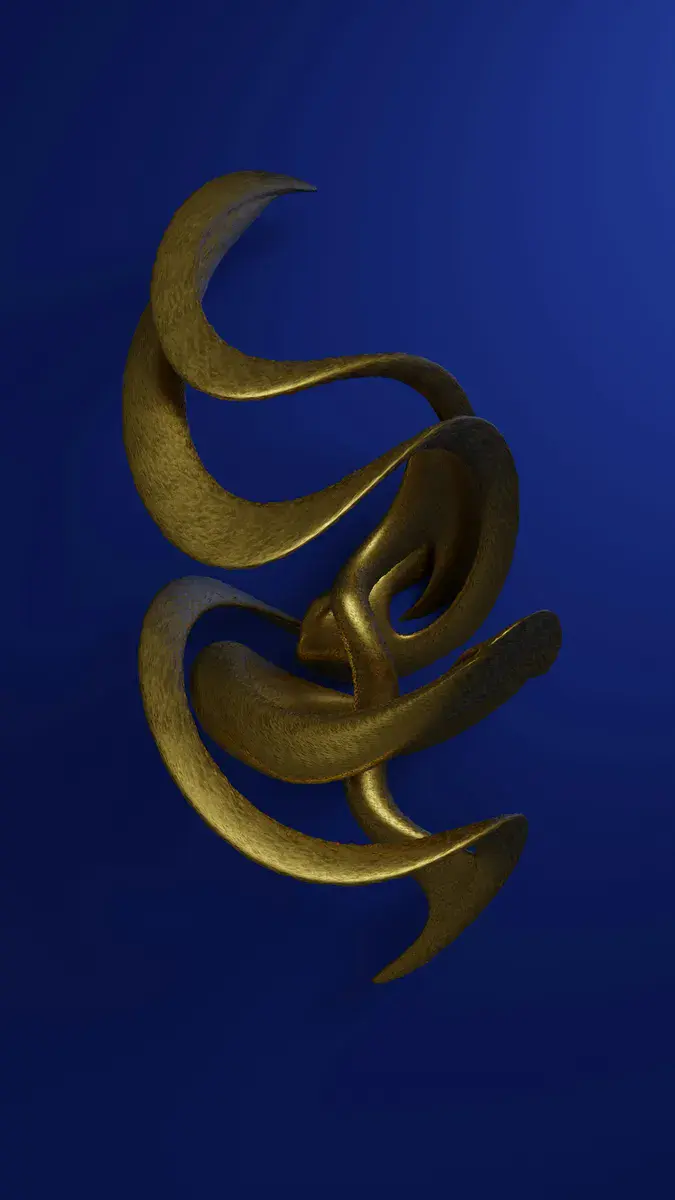
Color theory suggests that warm metallic tones evoke feelings of comfort, prestige, and timelessness. Bronze, specifically, bridges the gap between the raw earthiness of copper and the opulent brightness of gold. When presented in an abstract form, this material removes the distraction of a recognizable subject, forcing the viewer to engage with the pure emotion of the color and the rhythm of the shape.
This psychological grounding makes optical bronze an ideal choice for corporate headquarters, luxury hotels, and wellness retreats. It conveys a sense of permanence and stability, while the abstract nature of the design suggests innovation and forward-thinking. The result is a visual language that speaks to both tradition and the future.
Conclusion: The Future of Metallic Abstraction
Optical bronze abstract design is more than just a trend in luxury decor; it is a study in how we perceive materiality and light. By moving away from representational art and embracing the physics of reflection, designers are creating spaces that are not only visually stunning but emotionally resonant. As fabrication technologies continue to evolve, we can expect to see even more daring applications of these metallic forms, pushing the boundaries of how we interact with the built environment.
Frequently Asked Questions
How does optical bronze design differ from standard bronze decor?
Standard bronze decor typically focuses on the material’s color or a specific figurative shape. Optical bronze design specifically manipulates the geometry and surface finish to control light reflection and refraction, creating a dynamic visual experience that changes as the viewer moves.
Can optical bronze effects be achieved with cheaper materials?
Yes, through the use of PVD (Physical Vapor Deposition) coatings or high-quality metallic powders, designers can simulate the look of bronze on aluminum or plastic. However, these lack the natural depth, weight, and unique aging (patina) characteristics of genuine bronze.
What is the best lighting for highlighting abstract bronze surfaces?
The most effective lighting is a combination of directional spotlights to create sharp highlights and warm ambient light to enhance the natural glow of the metal. Avoiding flat, overhead fluorescent lighting is crucial, as it can make the metal look dull and lifeless.
How do you clean and maintain an optical bronze installation?
To preserve the reflective properties, use a soft, microfiber cloth and avoid abrasive chemicals. If the piece has a protective wax coating, it should be reapplied periodically. For patinated pieces, avoid touching the surface with bare hands to prevent oils from creating uneven spots.
Where is the best place to install an abstract bronze feature in a home?
The most impactful locations are entryways, foyers, or primary living areas where there is ample natural light. Placing the piece opposite a window allows the sunlight to shift throughout the day, constantly altering the optical patterns on the bronze surface.
Related posts:


Pieces in abstract-design talk to each other across pages — follow the thread with Abstract Modern Green Backgrounds: Design Trends and Use Cases.
Bookmark this set for the next time your screen needs a new mood.
