
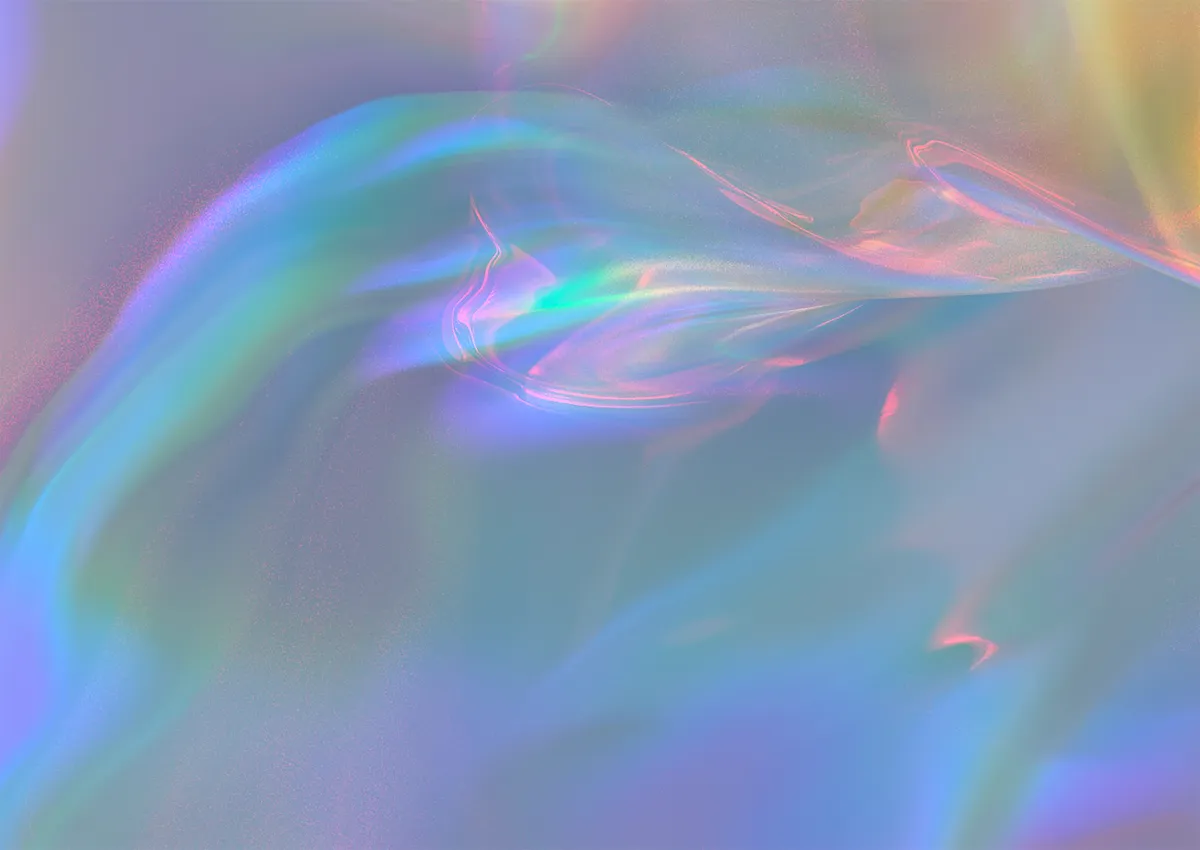
The allure of an abstract 3d rainbow drawing lies in its ability to merge the mathematical precision of three-dimensional space with the chaotic beauty of the visible light spectrum. Unlike traditional sketches, these compositions leverage depth, volume, and light refraction to create immersive experiences that transcend a flat canvas. Whether you are a digital artist looking to expand your portfolio or a designer seeking to understand the psychology of chromatic abstraction, mastering the interplay of light and form is essential for creating visuals that truly resonate.
- Understanding the Fundamentals of Abstract 3D Art
- The Science of Rainbow Color Palettes and Gradients
- Essential Tools for Creating Spectral 3D Visuals
- Step-by-Step Process for Designing 3D Rainbow Art
- Advanced Lighting and Refraction Techniques
- Integrating Abstract Rainbow Art into Modern Branding
- Conclusion
- Frequently Asked Questions
Understanding the Fundamentals of Abstract 3D Art
At its core, abstract 3D art is the exploration of form without the constraint of representing physical reality. When you introduce a rainbow palette, you aren’t just adding color; you are adding emotional frequency. The transition from 2D to 3D allows artists to use z-axis depth to guide the viewer’s eye through a spectral journey. By utilizing design principles such as balance and contrast, an artist can turn a simple arc into a complex architectural structure of light.
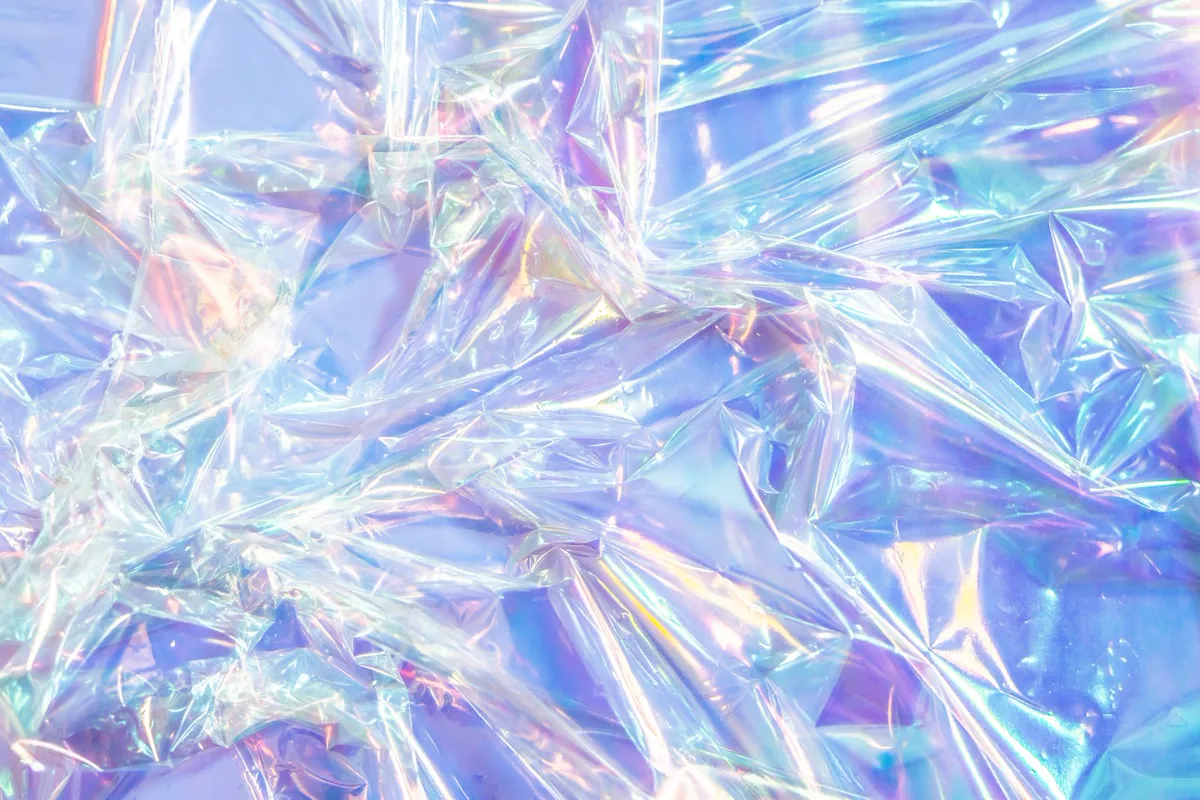
The key to a successful 3D abstract piece is the balance between organic flow and geometric rigidity. Many artists employ parametric design to create twisting ribbons or floating spheres that seem to defy gravity, using the rainbow spectrum to highlight the curvatures and edges of the object. This creates a sense of movement, making the static image feel as though it is vibrating or expanding in real-time.
The Science of Rainbow Color Palettes and Gradients
Creating a compelling abstract 3d rainbow drawing requires more than just placing red next to orange. It requires an understanding of color theory and how colors interact in a three-dimensional environment. The visible spectrum—red, orange, yellow, green, blue, indigo, and violet—provides a natural harmony, but the real magic happens in the interpolated gradients.
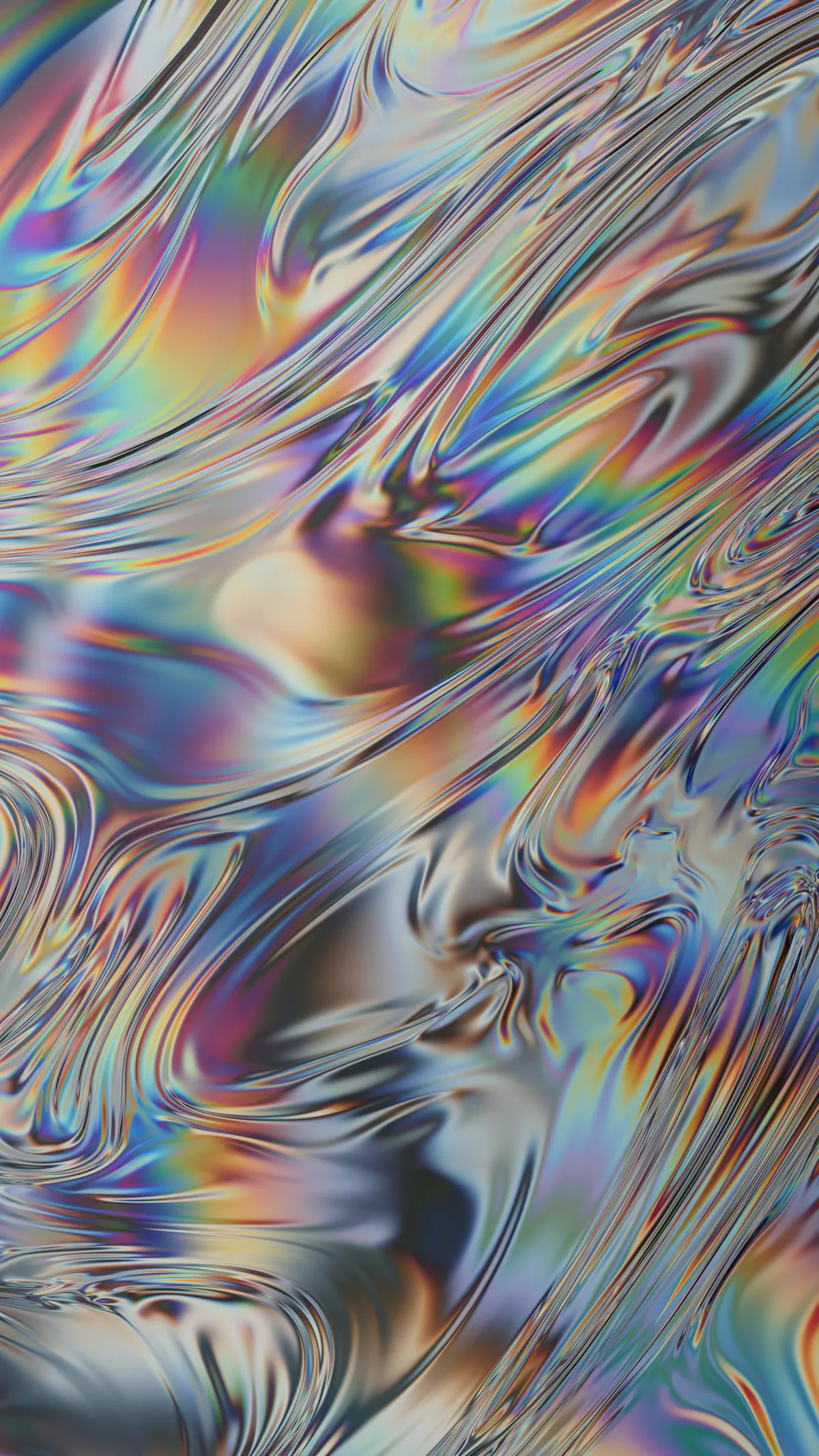
To avoid a “cartoonish” look, professional artists often use analogous color schemes within the rainbow. Instead of harsh jumps between colors, they employ smooth transitions that mimic the way light bends through a prism. This is often achieved through linear interpolation (lerp) in digital software, ensuring that the saturation remains consistent across the spectrum. Furthermore, incorporating complementary accents—such as a deep navy shadow against a bright neon yellow edge—adds the necessary contrast to make the 3D forms pop from the background.
Psychological Impact of Spectral Colors
Colors evoke specific neurological responses. In an abstract composition, red can represent energy and urgency, while violet suggests mystery and spirituality. By strategically placing these colors within a 3D structure, the artist can control the visual hierarchy of the piece, drawing the viewer’s attention to specific focal points through high-saturation peaks.
Essential Tools for Creating Spectral 3D Visuals
The choice of software significantly impacts the final output of your 3D rainbow art. Depending on whether you prefer a hand-drawn feel or a hyper-realistic render, your toolkit will vary. Modern software has evolved to handle complex light simulations that were once reserved for movie studios.
- Blender: An open-source powerhouse ideal for creating procedural textures and complex 3D meshes. Its ‘Cycles’ render engine is perfect for simulating how rainbow light bounces off surfaces.
- Cinema 4D: Widely used in the motion graphics industry for its intuitive MoGraph tools, making it easy to create repeating rainbow patterns and abstract arrays.
- Procreate 3D: For those who prefer a hybrid approach, painting directly onto 3D models allows for a more painterly, organic feel while maintaining spatial depth.
- Adobe Illustrator: While primarily 2D, its ‘3D and Materials’ panel allows for quick extrusion of vector rainbow paths, perfect for clean, corporate abstract art.
Step-by-Step Process for Designing 3D Rainbow Art
Creating a professional-grade abstract 3d rainbow drawing follows a structured workflow that moves from raw geometry to polished lighting.
1. Conceptualizing the Form
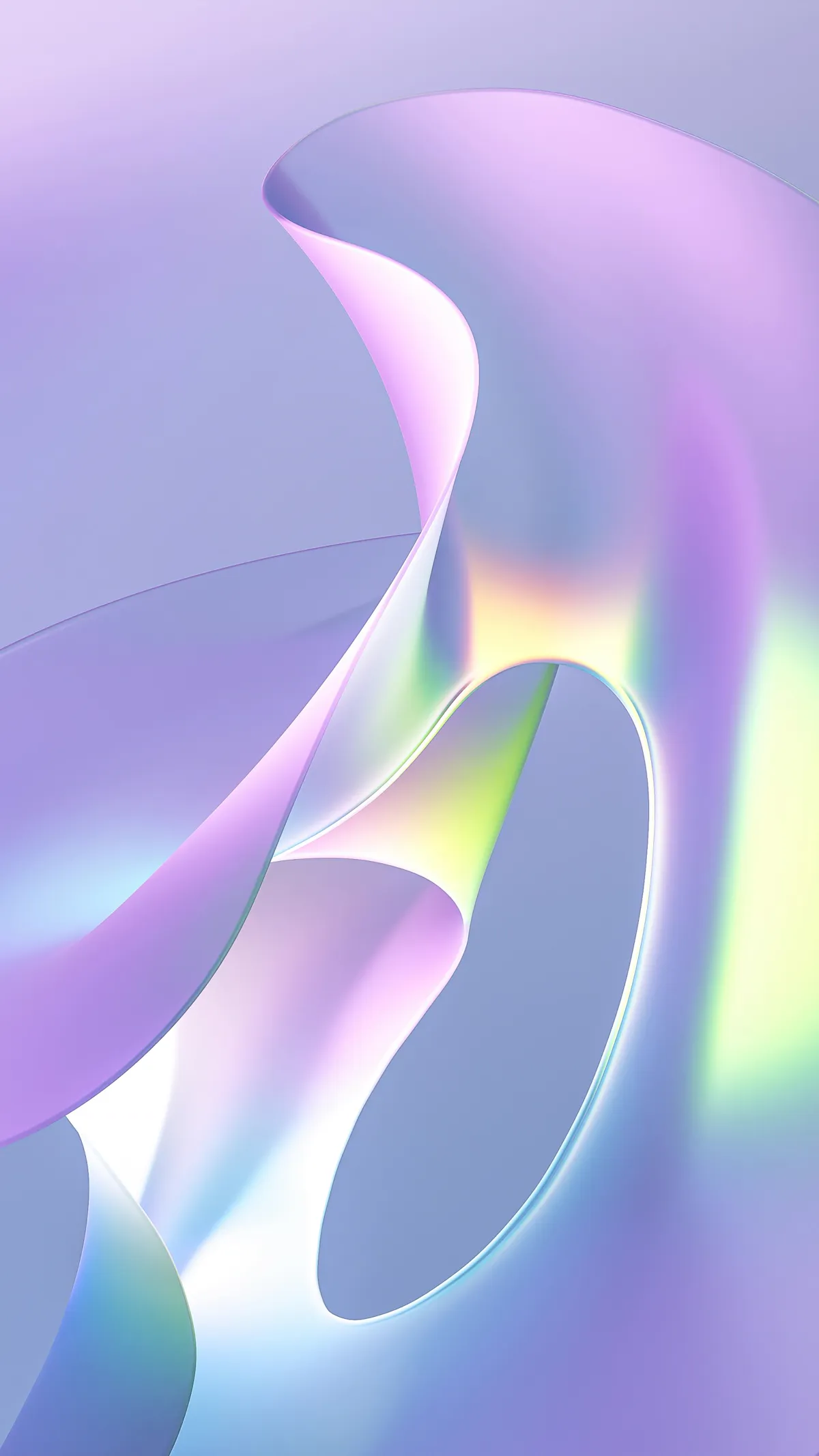
Start by deciding on the primitive shapes. Will your piece be based on fluid, swirling ribbons or sharp, crystalline shards? Sketching the basic flow in 2D helps define the compositional rhythm before moving into a 3D environment. Consider using the rule of thirds to ensure the rainbow elements aren’t just centered, but create a dynamic tension across the frame.
2. Building the Mesh
Once the concept is set, build the geometry. In 3D software, this involves extruding paths or sculpting volumes. To achieve that signature “rainbow flow,” use splines or curves that wind through the 3D space. The more complex the topology, the more interesting the way light will interact with the surface.
3. Applying the Spectral Material
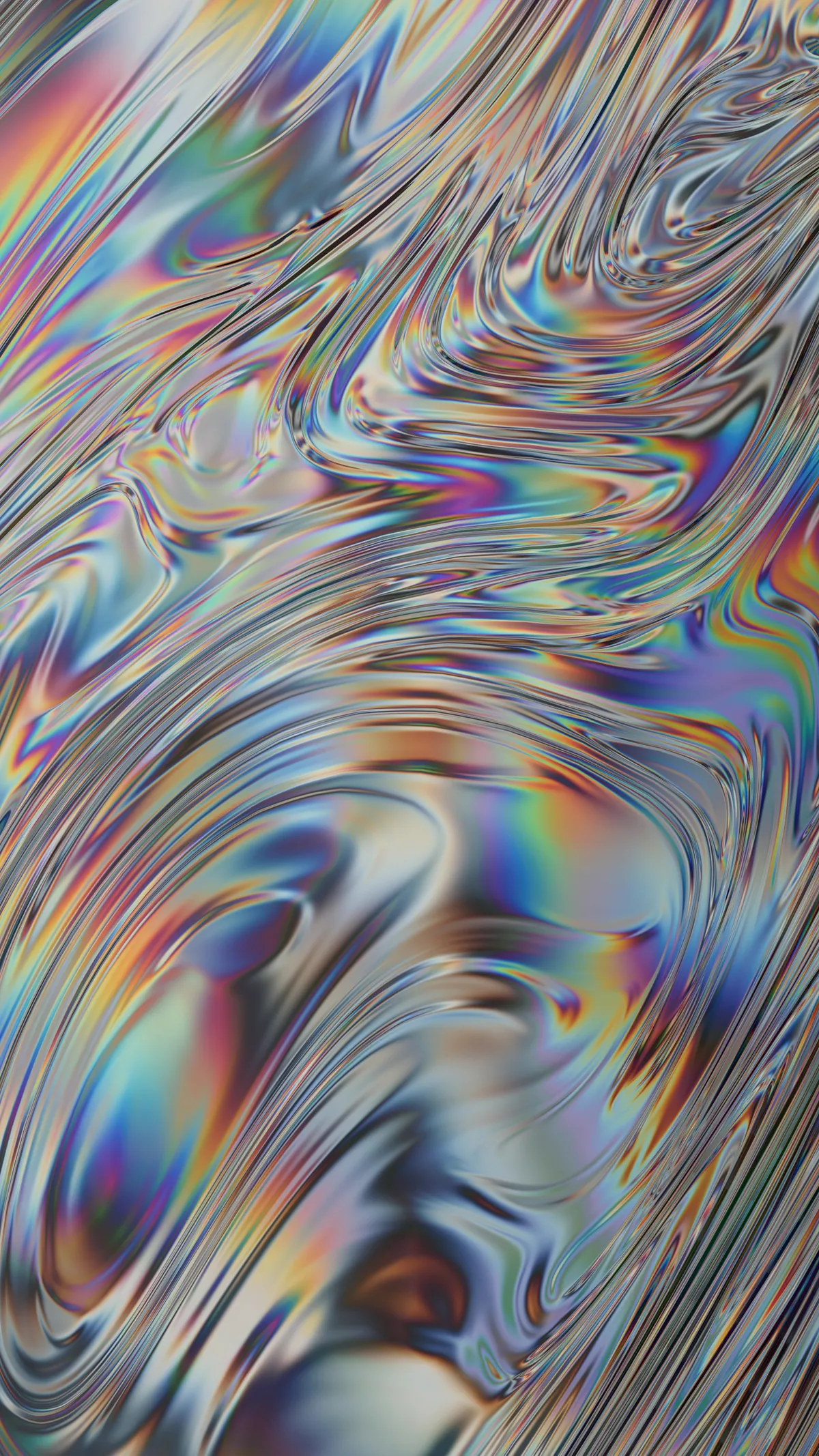
This is where the image becomes a rainbow. Instead of a flat color, apply a gradient map. Assign different colors to different coordinates of the object. For a more advanced effect, use iridescent shaders. These materials change color based on the viewing angle, mimicking the effect of a soap bubble or a CD, which adds a layer of sophisticated realism to the abstraction.
4. Refining with Volumetric Lighting
Light is what defines 3D space. Use area lights to create soft highlights and point lights for sharp reflections. Incorporating volumetric fog can make the rainbow colors bleed into the atmosphere, creating a dreamy, ethereal glow that ties the entire composition together.
Advanced Lighting and Refraction Techniques
To elevate an abstract 3d rainbow drawing from a simple exercise to a masterpiece, you must master light physics. The most impressive spectral art mimics the behavior of real-world prisms through refraction and dispersion.
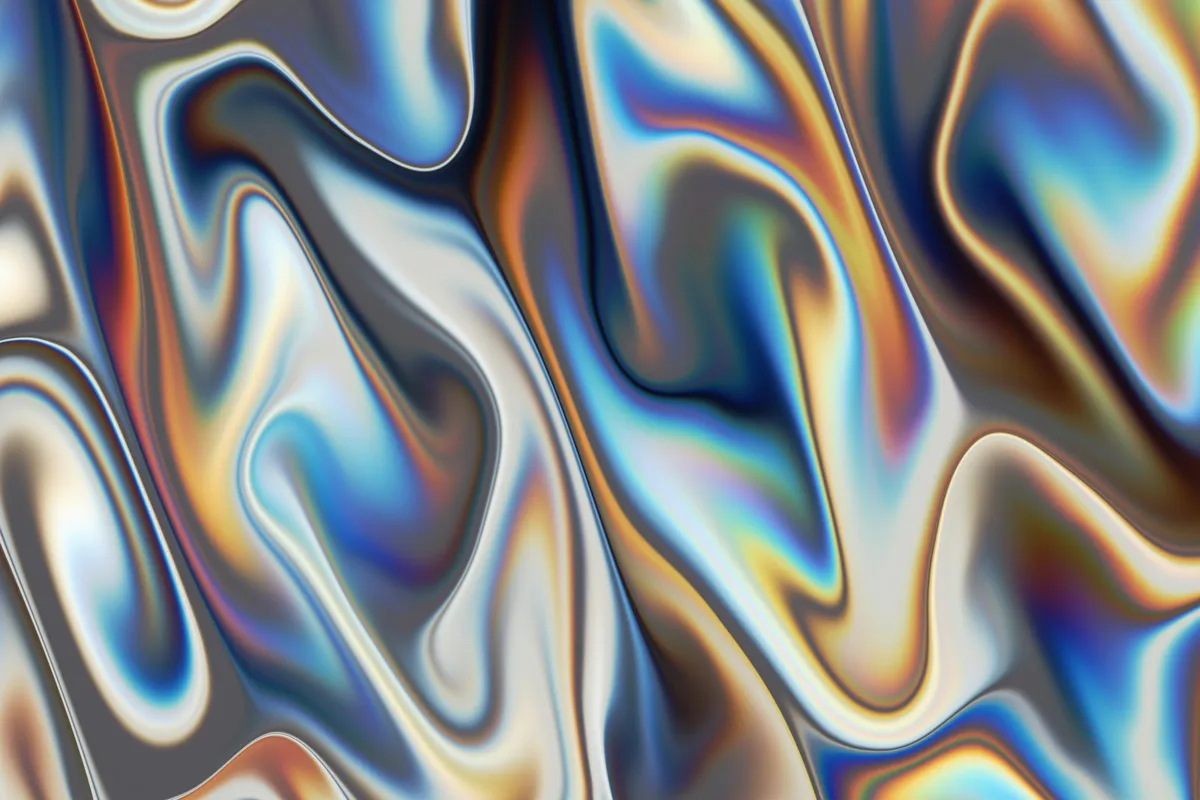
Chromatic Aberration is a technique where colors fringe at the edges of high-contrast areas. In the real world, this is a lens flaw, but in abstract art, it’s a powerful tool to simulate a sense of depth and digital glitch aesthetics. By slightly offsetting the red and blue channels, you create a vibration that makes the rainbow elements feel alive.
Furthermore, Global Illumination (GI) allows the rainbow colors to “bleed” onto other surfaces. For example, if a bright neon green ribbon is floating near a white sphere, the sphere should pick up a soft green glow. This inter-reflection is what convinces the human eye that the object exists in a tangible three-dimensional space.
Integrating Abstract Rainbow Art into Modern Branding
The trend of spectral abstraction has moved beyond the gallery and into the corporate world. Tech giants and creative agencies use 3D rainbow visuals to signal innovation, inclusivity, and fluidity. Because rainbows encompass all colors, they are often used as a universal symbol of diversity and versatility.
In UI/UX design, subtle 3D rainbow gradients are used in glassmorphism effects, where blurred backgrounds and semi-transparent layers create a sense of layered depth. This not only looks modern but also helps in creating a visually stimulating user experience that doesn’t distract from the primary content. When implementing these visuals, it is crucial to maintain a high level of white space to prevent the vibrant colors from overwhelming the viewer.
Conclusion
The journey of creating an abstract 3d rainbow drawing is a blend of technical skill and artistic intuition. By understanding the intersection of spatial geometry and spectral color theory, you can create images that are not only visually stunning but emotionally evocative. From the initial spline to the final render with chromatic aberration, every decision contributes to the overall depth and impact of the piece. As digital tools continue to evolve, the possibilities for exploring the 3D spectrum are limitless, offering endless opportunities for artists to redefine the boundaries of light and form.
Frequently Asked Questions
How can I make my 3D rainbow colors look realistic instead of like a cartoon?
The secret lies in value and saturation. Avoid using 100% saturation for every color. Introduce subtle shadows, mid-tones, and highlights. Use iridescent shaders and ambient occlusion to create natural depth where the forms overlap, preventing the colors from looking flat.
Which software is best for beginners wanting to try 3D rainbow art?
Blender is highly recommended because it is free and has a massive community. For those who find 3D software intimidating, Adobe Illustrator’s 3D tools offer a great entry point for creating simple extruded rainbow shapes with professional results.
What is the difference between a 2D gradient and a 3D spectral effect?
A 2D gradient is a flat transition between colors on a surface. A 3D spectral effect accounts for perspective, light occlusion, and refraction. In 3D, the color changes based on the curvature of the object and the position of the light source, creating a sense of volume.
How do I prevent rainbow colors from clashing in an abstract piece?
Use a neutral background (like deep charcoal or soft off-white) to let the colors breathe. You can also use a dominant color from the spectrum as a base and let the other colors act as accents, which maintains harmony while keeping the rainbow theme.
What is ‘Chromatic Aberration’ and why should I use it in my drawing?
Chromatic aberration is the slight separation of colors at the edges of an object. In 3D art, adding a tiny amount of this effect simulates a real camera lens, which adds a layer of perceived realism and a modern, digital edge to your abstract composition.
Related posts:
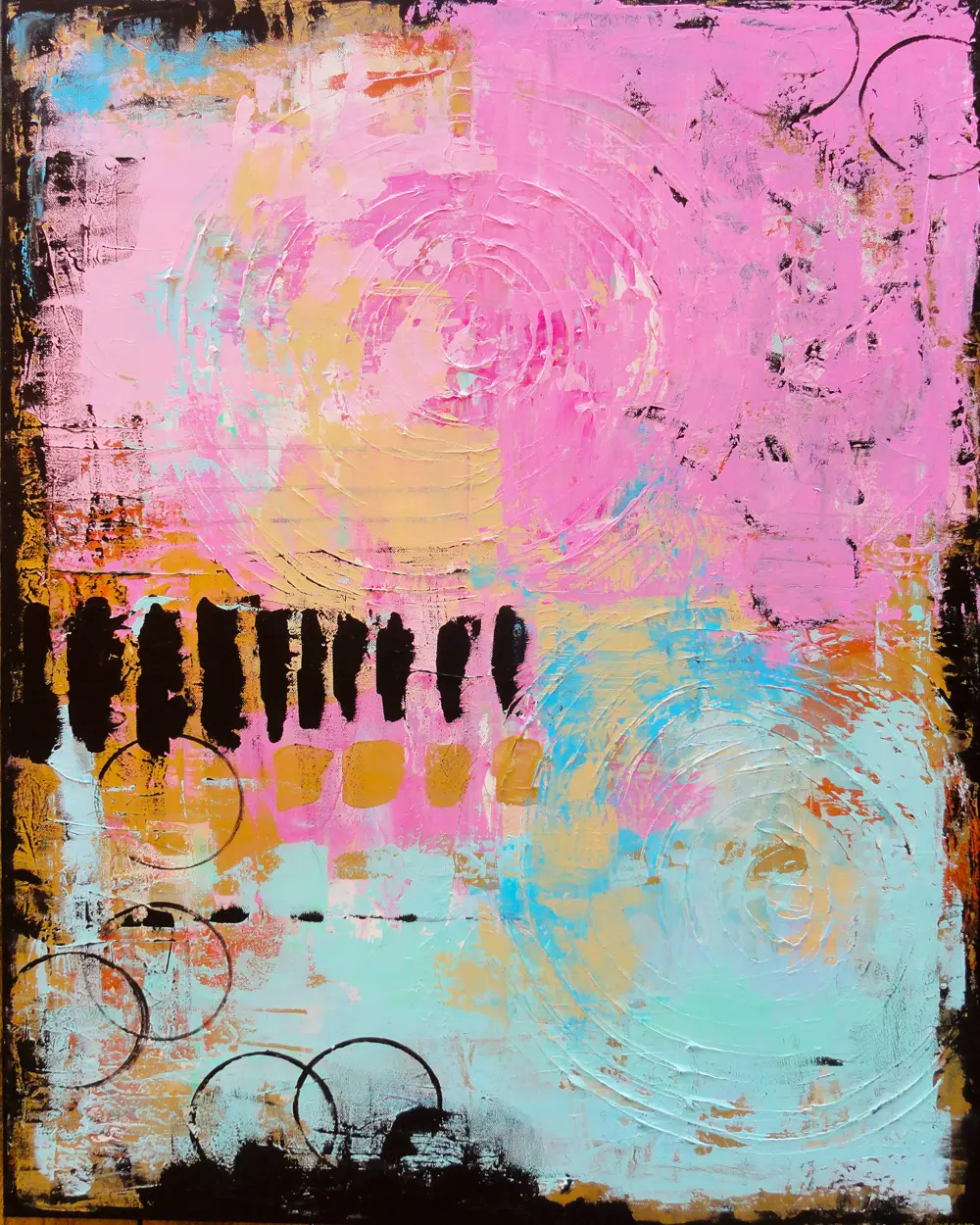
If this set speaks to you, 3D Pink Abstract Drawing: Techniques, Tools & Inspiration continues the 3d-drawing conversation in a new direction.
Save the pieces you love and share the collection with your circle.
