
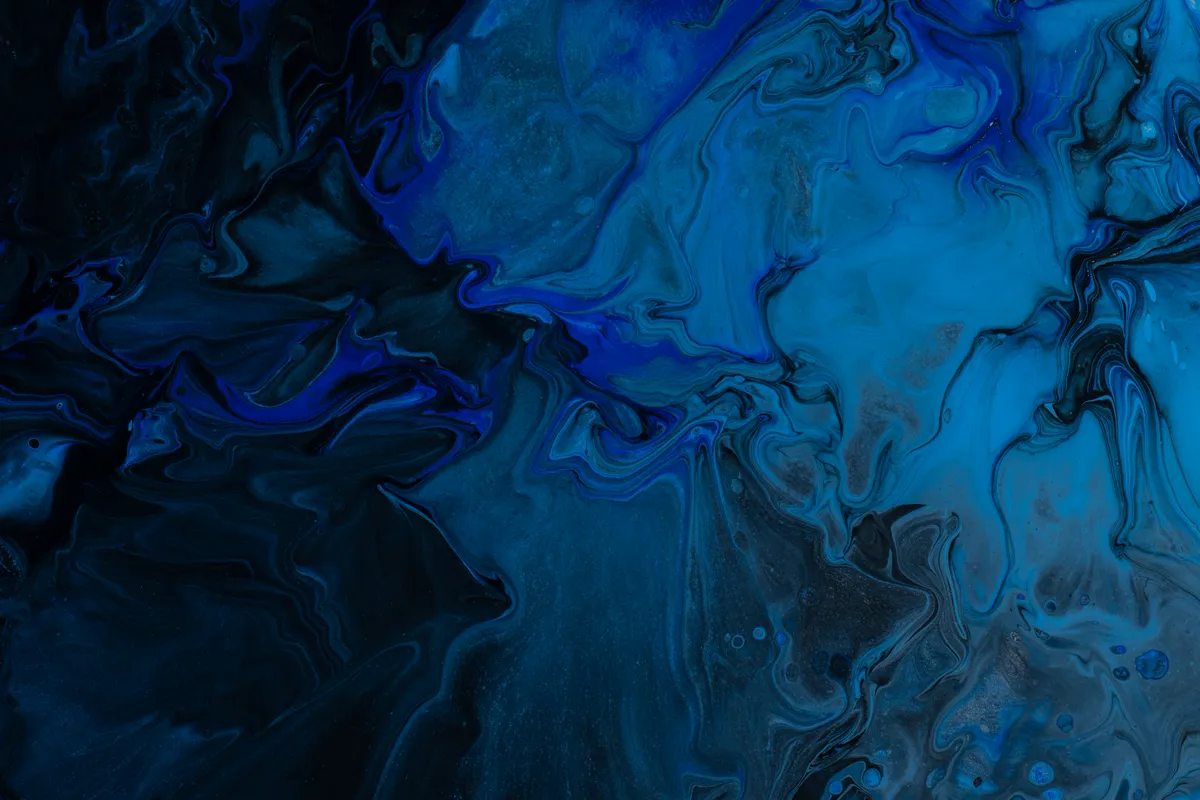
The visual allure of an abstract oil teal pattern lies in its ability to blend the chaotic unpredictability of nature with a structured, sophisticated color palette. Whether it appears as a digital wallpaper, a piece of canvas art, or a textile design, the swirling intersection of deep turquoise and oceanic greens evokes a sense of movement and tranquility. This specific aesthetic, often associated with fluid art and acrylic pouring, has transitioned from niche gallery exhibits into mainstream interior design and digital branding, captivating those who seek a balance between modern minimalism and organic complexity.
- The Allure of Fluid Dynamics
- The Psychology of Teal and Azure Tones
- Applications in Digital Design and UI/UX
- Integrating Teal Patterns into Interior Spaces
- Techniques for Creating Oil-Style Patterns
- Conclusion
The Allure of Fluid Dynamics
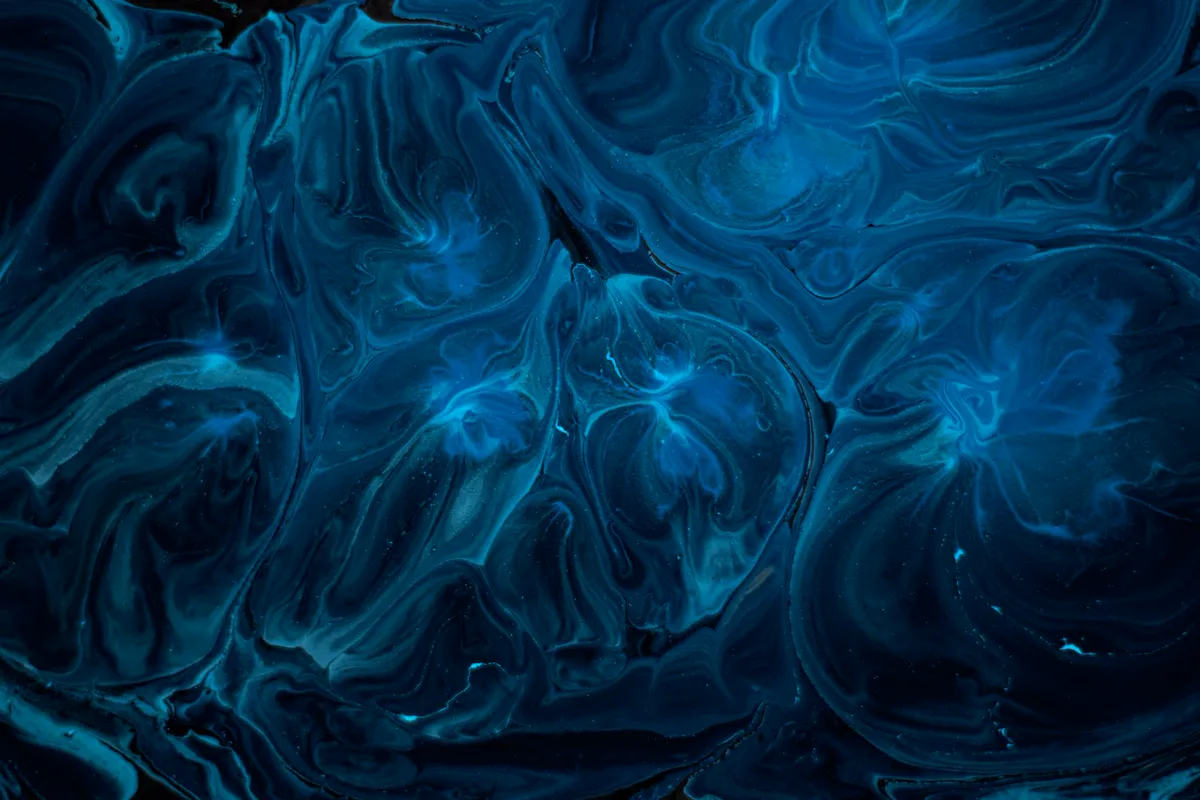
At its core, an abstract oil teal pattern mimics the behavior of liquids in motion. The interplay of viscosity and surface tension creates those characteristic cells and veins that define the fluid art style. Unlike traditional representational art, these patterns do not seek to depict a specific object but rather an emotion or a physical process. This is why they are so effective in creating a focal point in a room or a website; they provide visual interest without demanding a specific narrative interpretation.
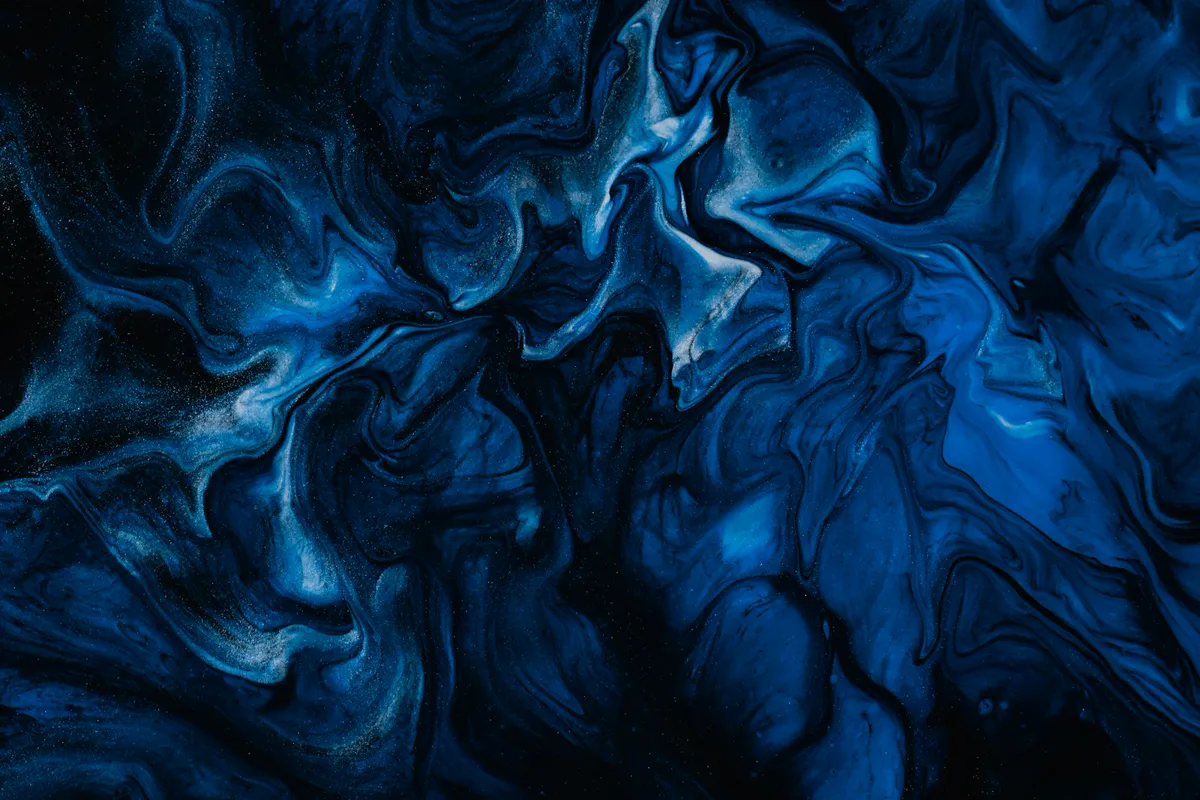
The beauty of this style is often found in the organic flow of the pigments. When teal is mixed with white, gold, or deep navy, the result is a marbled effect that resembles everything from satellite imagery of the ocean to the microscopic structures of gemstones. By leveraging modern design principles, creators can use these patterns to introduce a sense of luxury and depth. Integrating digital textures allows artists to replicate the heavy impasto feel of oil paints while maintaining the precision of vector graphics.
The Psychology of Teal and Azure Tones
Color is never neutral. In the context of an abstract pattern, the choice of teal is strategic. Teal sits comfortably between the calming properties of blue and the renewing energy of green. This duality makes it a powerful tool for evoking emotional equilibrium. While a bright red might energize a space to the point of stress, and a pale grey might make it feel sterile, teal provides a rich, saturated middle ground that feels both professional and soothing.
The Connection to Nature
Humans possess an innate attraction to biophilic design—the practice of incorporating nature into the built environment. A teal oil pattern often triggers subconscious associations with water, forests, and the sky. This connection reduces stress and increases cognitive function, making these patterns ideal for high-pressure environments like home offices or healthcare waiting rooms. The ‘oil’ aspect of the pattern adds a layer of tactile richness, suggesting a depth that flat colors cannot achieve.
Contrast and Harmony
To maximize the impact of a teal pattern, designers often employ complementary color schemes. Pairing teal with warm metallic tones, such as copper or gold, creates a high-contrast look that feels opulent. Alternatively, combining it with neutral creams and soft greys emphasizes the pattern’s organic shapes, allowing the fluid motion to take center stage without overwhelming the viewer’s senses.
Applications in Digital Design and UI/UX
In the digital realm, the abstract oil teal pattern has become a staple for high-resolution backgrounds. From mobile app splash screens to corporate landing pages, these fluid shapes are used to break the rigidity of grid-based layouts. The softness of the curves contrasts with the sharp edges of text boxes and buttons, guiding the user’s eye naturally across the screen.
The Rise of Mesh Gradients
Modern UI designers have evolved the oil pattern into mesh gradients. By manipulating color points in a digital space, they can simulate the blending of oil paints. This creates a dynamic depth that feels three-dimensional. When implemented as a background, a teal fluid pattern can make a digital interface feel more ‘human’ and less robotic, bridging the gap between traditional art and technical functionality.
Branding and Identity
Brands focusing on sustainability, wellness, or technology often adopt teal palettes. An abstract fluid pattern suggests adaptability and innovation. It communicates that a company is not rigid but is capable of evolving—much like the flowing paint of an abstract piece. This visual metaphor is particularly effective for startups wanting to project a modern, forward-thinking image.
Integrating Teal Patterns into Interior Spaces
Bringing an abstract oil teal pattern into a physical space requires a balance between boldness and subtlety. Because these patterns are visually dense, they can easily dominate a room if not handled with care. The key is to use them as accent elements rather than primary themes.
The Statement Wall
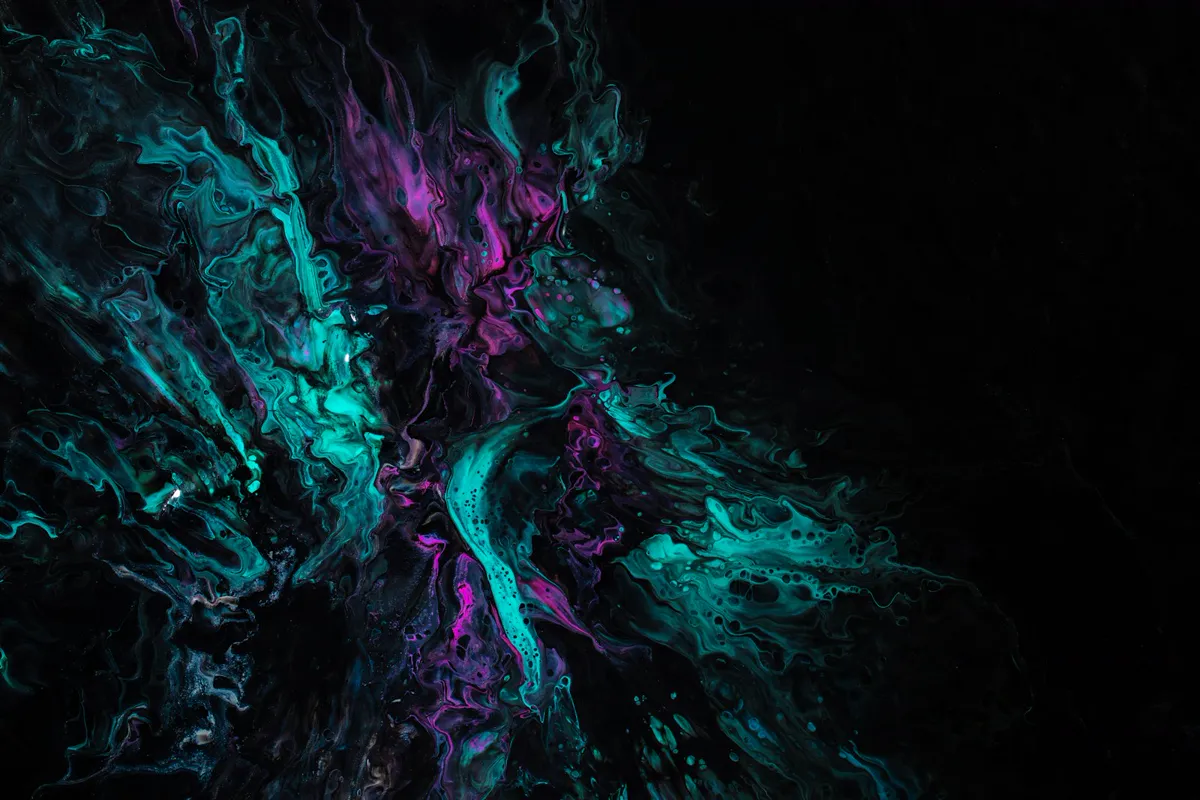
One of the most popular applications is the accent wall. A large-scale wallpaper featuring teal oil swirls can transform a bedroom or living room into a sanctuary. To prevent the room from feeling too dark, designers often pair these walls with light-colored furniture and ample natural light. The reflection of sunlight on a teal pattern can create a shimmering effect that mimics the surface of a lake.
Textiles and Accessories
For those who prefer a more modular approach, teal fluid patterns are excellent for throw pillows, area rugs, and curtains. These smaller touches introduce the organic energy of abstract art without committing to a permanent wall change. Using different fabric textures—such as velvet or silk—further enhances the ‘oil’ quality of the pattern, adding a physical dimension to the visual experience.
Techniques for Creating Oil-Style Patterns
Creating a convincing abstract oil teal pattern requires an understanding of how colors blend and move. Whether working with physical media or digital software, the goal is to avoid a ‘flat’ look.
Traditional Fluid Art Methods
In the physical world, acrylic pouring is the gold standard. Artists mix acrylic paint with a pouring medium to reduce viscosity. By adding a few drops of silicone oil, they can create cells—small, circular pockets of color that break through the top layer. For a teal pattern, layering different shades of cyan, phthalo green, and titanium white creates the necessary depth.
Digital Simulation
Digital artists use tools like Adobe Photoshop or Procreate to simulate oil movement. The process typically involves:
- Liquify Tool: Pushing and pulling colors to create swirls.
- Gaussian Blur: Softening the edges to mimic paint blending.
- Layer Masks: Adding highlights and shadows to create a 3D ‘impasto’ effect.
- Noise Overlays: Adding a slight grain to simulate the texture of a canvas.
Conclusion
The abstract oil teal pattern is more than just a visual trend; it is a celebration of the intersection between art, nature, and psychology. By combining the calming essence of teal with the dynamic energy of fluid motion, this style offers a versatile solution for both digital and physical spaces. Whether it is used to soothe a stressed mind in a home interior or to modernize a digital brand, the organic flow of these patterns reminds us of the beauty found in unpredictability and balance.
Frequently Asked Questions
What makes an abstract oil pattern look realistic in digital art?
The realism comes from the simulation of depth and texture. Digital artists use highlights and shadows (bevel and emboss effects) to mimic the thickness of oil paint, and they add a canvas-like grain to prevent the image from looking too smooth or ‘plastic’.
How do I pair teal abstract patterns with other room colors?
Teal works best with neutrals like white, cream, or grey to keep the space airy. For a more luxurious feel, pair it with gold, brass, or copper accents. For a moody, sophisticated vibe, combine it with charcoal grey or deep navy.
Where is the best place to use a teal fluid pattern in a home?
The bedroom or a home office are ideal locations. Because teal is associated with calm and focus, it helps create a relaxing environment for sleep or a productive atmosphere for work without being distracting.
What is the difference between oil and acrylic fluid patterns?
True oil patterns have a slower drying time and a naturally higher gloss, allowing for more blending. Acrylic fluid art is faster and uses chemical mediums to mimic the ‘cell’ effect, but it can achieve a similarly vibrant teal aesthetic with a varnish topcoat.
Can I use these patterns for professional corporate branding?
Yes, provided the pattern is used as a supporting element. Abstract fluid shapes suggest innovation and flexibility. Use them in website headers, presentation backgrounds, or business card accents to add a modern touch to a professional identity.
Related posts:
Before you choose, take in Dark Orange Abstract Art: A Guide to Warmth and Energy as well. The contrast might surprise you.
Save the pieces you love and share the collection with your circle.
