

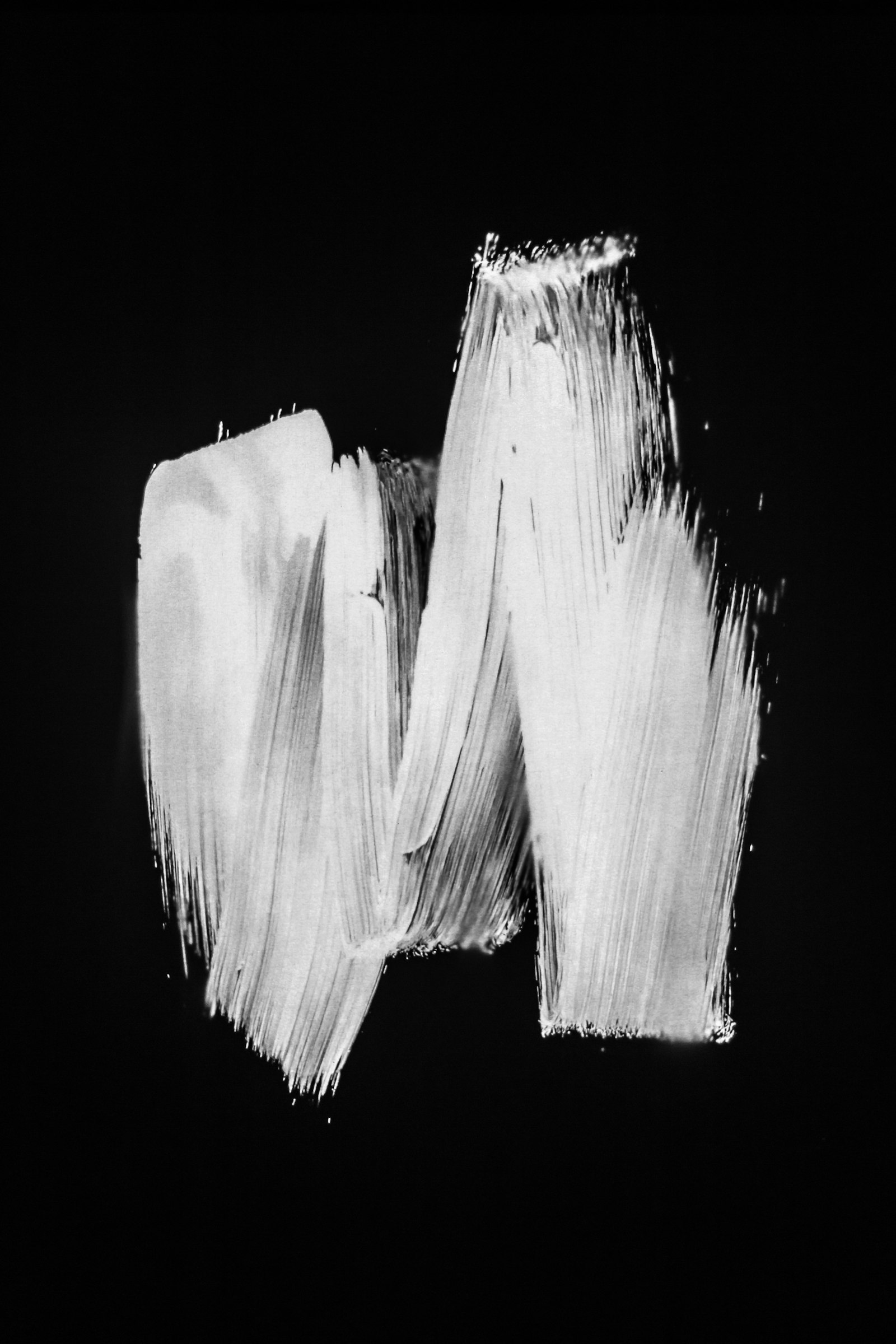
In the realm of digital artistry, the ability to convey mood, mystery, and fluidity is often the difference between a generic layout and a masterpiece. The abstract smoke white vector has emerged as a powerhouse tool for designers seeking to add an ethereal, atmospheric quality to their projects. Unlike static imagery, these vector-based assets provide a seamless blend of organic movement and mathematical precision, allowing for infinite scalability without the loss of quality. Whether you are designing a luxury brand identity, a cinematic poster, or a minimalist website background, understanding how to leverage these fluid shapes can significantly enhance the emotional resonance of your work.
- What are Abstract White Smoke Vectors?
- Key Design Applications and Use Cases
- Technical Advantages: SVG vs. Raster Smoke
- Creative Techniques for Implementation
- Sourcing and Licensing High-Quality Vectors
- Conclusion
- Frequently Asked Questions
What are Abstract White Smoke Vectors?
At its core, an abstract smoke white vector is a digital graphic created using paths—mathematical equations that define points, lines, and curves—rather than pixels. While smoke in the physical world is chaotic and unpredictable, vector smoke simplifies these complex gaseous movements into elegant, flowing shapes that maintain a clean aesthetic. These assets typically feature varying degrees of transparency and gradient fills to mimic the wispy, translucent nature of real smoke.

The ‘abstract’ nature of these vectors means they aren’t necessarily trying to replicate a photograph of a cigarette or a fire. Instead, they focus on the visual rhythm and organic curvature of smoke, making them versatile enough to represent anything from mystical energy and incense to high-end luxury and sleek technology. By utilizing modern design principles, artists can manipulate these paths to create a sense of depth and motion that guides the viewer’s eye across a composition.
Key Design Applications and Use Cases
The versatility of white smoke vectors allows them to fit into a wide array of industries. Because white is a neutral color associated with purity, clarity, and sophistication, these graphics are frequently used to add a ‘premium’ feel to a project. Here are some of the most common applications:

Luxury Branding and Packaging
High-end perfume, jewelry, and skincare brands often use ethereal smoke patterns to suggest a sense of mystery and exclusivity. A subtle, swirling white vector in the background of a product shot can create a dreamlike atmosphere that elevates the perceived value of the item. The key here is subtlety; the smoke should complement the product, not overpower it.
Cinematic Posters and Digital Art
In the world of entertainment, smoke is a universal shorthand for suspense, magic, or tragedy. By using scalable vector graphics, designers can create massive billboards or intricate movie posters where the smoke wraps around the central character. The ability to edit individual anchor points allows for a level of creative graphics control that is impossible with standard photography.

Corporate Presentations and Web UI
Modern web design is moving away from rigid grids toward more fluid, organic shapes. Incorporating an abstract smoke vector as a background element can break the monotony of a corporate site, providing a soft visual texture that feels natural and inviting. When used with a parallax scrolling effect, these vectors can create a dynamic sense of immersion for the user.
Technical Advantages: SVG vs. Raster Smoke
When choosing between a vector (SVG, AI, EPS) and a raster (JPG, PNG) smoke effect, the technical differences have a profound impact on the final output. Raster images are composed of pixels, meaning that if you enlarge a smoke PNG, it will eventually become blurry or ‘pixelated.’ In contrast, vector graphics are resolution-independent.

- Infinite Scalability: You can scale a white smoke vector from a business card to a skyscraper wrap without any loss in clarity.
- File Size Efficiency: Simple vector paths often occupy less storage space than high-resolution transparent PNGs.
- Ease of Manipulation: In software like Adobe Illustrator, you can easily change the opacity, stroke weight, or curvature of the smoke without affecting other elements.
- Clean Integration: Vectors allow for perfect alpha transparency, meaning the smoke blends seamlessly into any background color without the ‘white halo’ effect often seen in poorly cropped raster images.
Creative Techniques for Implementation
Simply dropping a vector onto a canvas is rarely enough to achieve a professional look. To make an abstract smoke white vector feel integrated and realistic, consider the following professional techniques:
Layering and Opacity Masks
Real smoke is not a single solid object; it is a collection of layers with varying densities. To replicate this, duplicate your smoke vector several times. Set different opacity levels (e.g., 20%, 50%, and 80%) for each layer and slightly offset their positions. This creates a volumetric effect that gives the smoke a three-dimensional quality.

Utilizing Blending Modes
If you are working on a dark background, the ‘Screen’ or ‘Lighten’ blending modes in design software are essential. These modes allow the lighter parts of the white smoke to pop while making the softer edges disappear into the background, creating a natural, glowing transition.
Adding Gradient Overlays
While a pure white vector is useful, adding a very subtle linear or radial gradient (such as a transition from pure white to a very light grey or pale blue) can add depth. This mimics the way light interacts with particles in the air, preventing the graphic from looking too flat or ‘cartoonish’.
Sourcing and Licensing High-Quality Vectors
Not all vector assets are created equal. When searching for the perfect smoke element, it is important to look for files that are well-structured. Avoid vectors that are ‘expanded’ into thousands of tiny shapes, as these are difficult to edit and can slow down your computer.
Look for assets that provide the original AI or EPS files. These formats preserve the editable paths, allowing you to tweak the flow of the smoke to fit your specific layout. Additionally, always pay attention to the licensing agreement. For commercial projects, ensure you have a license that allows for redistribution and modification to avoid legal complications.
Conclusion
The abstract smoke white vector is more than just a decorative element; it is a versatile tool for storytelling. By combining the technical flexibility of vector math with the organic beauty of nature, designers can evoke a wide range of emotions—from the serenity of a spa to the intensity of a thriller. By mastering layering, blending modes, and scalability, you can transform a simple white shape into a powerful visual experience that captures attention and enhances brand perception.
Frequently Asked Questions
How can I make a white smoke vector look more realistic?
To achieve realism, avoid using a single solid shape. Instead, layer multiple vectors with varying opacities and use the ‘Screen’ blending mode. Adding a subtle gradient from white to light grey also helps create a sense of volume and light interaction.
What is the best file format for using smoke vectors on a website?
SVG (Scalable Vector Graphics) is the gold standard for web use. It ensures the smoke remains crisp on all screen resolutions and allows for CSS animations, such as making the smoke gently drift or fade.
Can I change the color of a white smoke vector?
Yes. Because it is a vector, you can easily change the fill color to any hue. This is particularly useful for creating themed smoke, such as neon colors for a cyberpunk aesthetic or soft pastels for a wedding invitation.
Why do some smoke vectors look ‘jagged’ when I zoom in?
If a smoke graphic looks jagged, it is likely a raster image (PNG/JPG) masquerading as a vector, or it has been ‘rasterized’ during the export process. Always ensure you are using a true path-based file like .AI or .SVG.
Where should I place smoke vectors in a composition for the best effect?
Smoke works best when it interacts with other elements. Try placing it behind your main subject to create depth, or allow it to wrap around the edges of the frame to create a ‘vignette’ effect that draws the eye toward the center.
Related posts:


Drawn to these shapes and colours? Abstract Smoke Texture: Enhancing Digital Art with Ethereal Flow explores a nearby corner of the same abstract world.
Share this page with a fellow art lover looking for their next wallpaper.
