
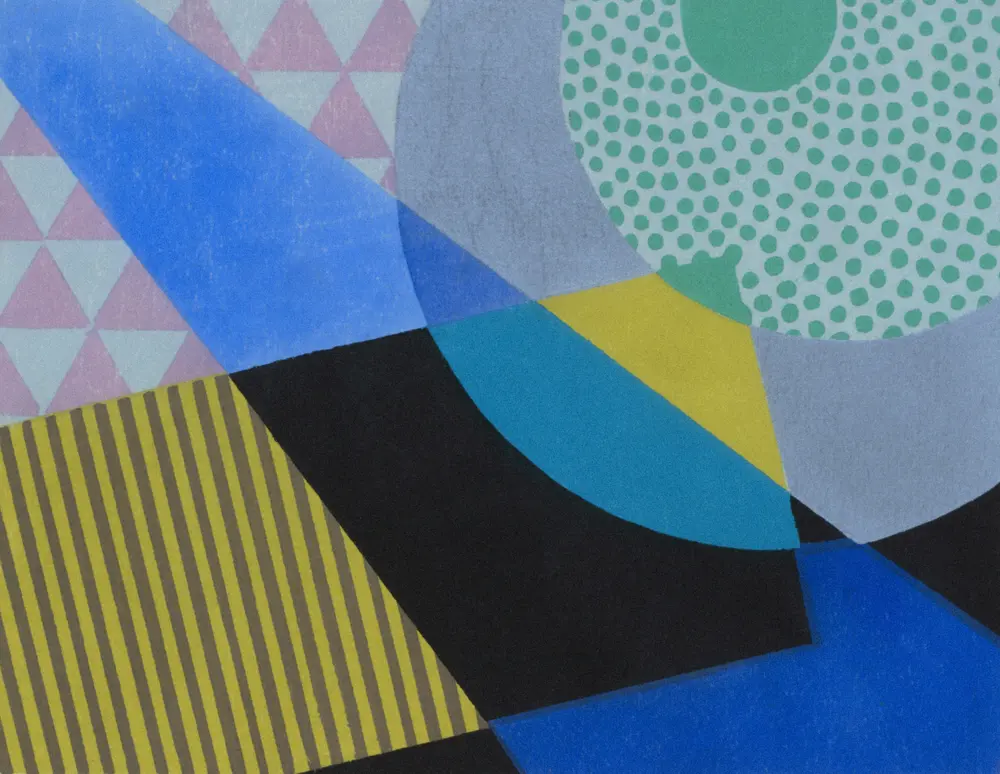
Understanding Cubism Teal Abstract Backgrounds
The Cubism teal abstract background represents a fascinating intersection of early 20th-century avant-garde art and modern digital design aesthetics. By combining the fragmented, multi-perspective geometry of Cubism with the calming, professional depth of teal hues, designers create visuals that are both intellectually stimulating and visually soothing. This style is particularly effective for corporate presentations, creative portfolios, and digital interfaces where a balance of structure and fluidity is required.
- Analyzing the Geometric Structure
- The Psychology of Teal in Abstract Art
- Practical Applications in Digital Design
- Creating Your Own Cubist Teal Compositions
Analyzing the Geometric Structure
Cubism, pioneered by Pablo Picasso and Georges Braque, deconstructs objects into geometric shapes and reassembles them from multiple viewpoints. When applied to abstract backgrounds, this technique results in overlapping planes, sharp angles, and fragmented forms. The use of teal—a color that sits between blue and green—adds a layer of modern sophistication. Unlike the earthy tones often associated with traditional Cubism, teal introduces a contemporary, digital vibe that resonates with current design trends.
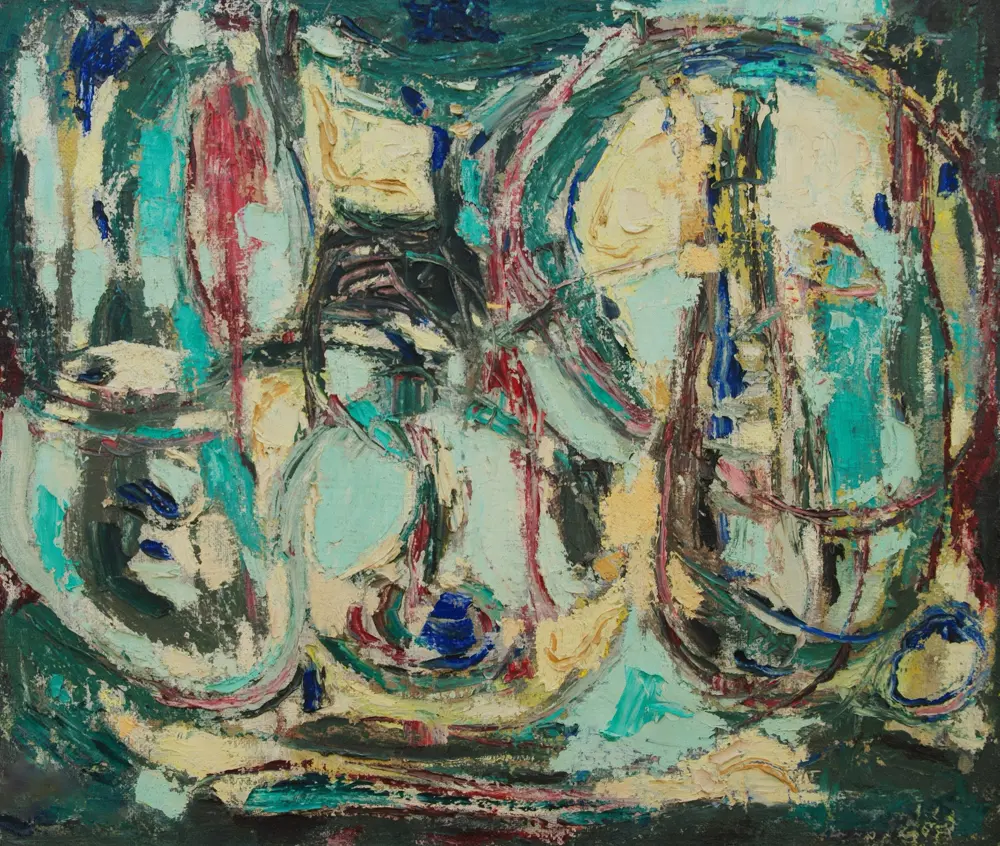
The geometric fragmentation serves a dual purpose: it creates visual interest through complexity while maintaining a sense of order through the repetition of angular forms. In a Cubism teal abstract background, these shapes often float in a layered composition, suggesting depth without relying on traditional perspective. This allows the viewer’s eye to move dynamically across the canvas, engaging with the interplay of light and shadow within the geometric shards.
For designers, understanding this structure is crucial. The key is to balance the chaos of fragmentation with the harmony of the color palette. Too many sharp, contrasting angles can feel aggressive, while a uniform teal palette might lack the necessary contrast to define the shapes. The successful integration of these elements results in a background that is rich in texture but unobtrusive to foreground content. You might find related inspiration in our collection of geometry patterns that explore similar structural principles.
The Psychology of Teal in Abstract Art
Color psychology plays a significant role in how audiences perceive abstract art. Teal is frequently associated with clarity, calm, and communication. In a corporate or professional context, it signals reliability and balance. When combined with the intellectual complexity of Cubism, the teal palette softens the potential harshness of sharp geometric edges. This creates a visual environment that feels both innovative and approachable.
Furthermore, the monochromatic or analogous color schemes often used in teal abstract designs help to unify the fragmented shapes. By varying the saturation and brightness of the teal tones, designers can create a sense of volume and movement. Darker teals can recede into the background, while lighter, more saturated shades can pop forward, mimicking the three-dimensionality that Cubism seeks to represent on a two-dimensional plane.
This psychological impact makes the style particularly effective for industries such as technology, healthcare, and finance, where trust and innovation are key messaging elements. The abstract nature of the background ensures that it does not distract from the core message, while the sophisticated color choice elevates the overall brand perception. Exploring different colors can reveal how even slight shifts in hue alter the emotional tone of the composition.
Practical Applications in Digital Design
The versatility of the Cubism teal abstract background extends across various digital platforms. In web design, these backgrounds are often used for hero sections or landing pages, providing a visually striking backdrop for call-to-action buttons. The geometric patterns can guide the user’s eye toward key interface elements, enhancing usability alongside aesthetics.
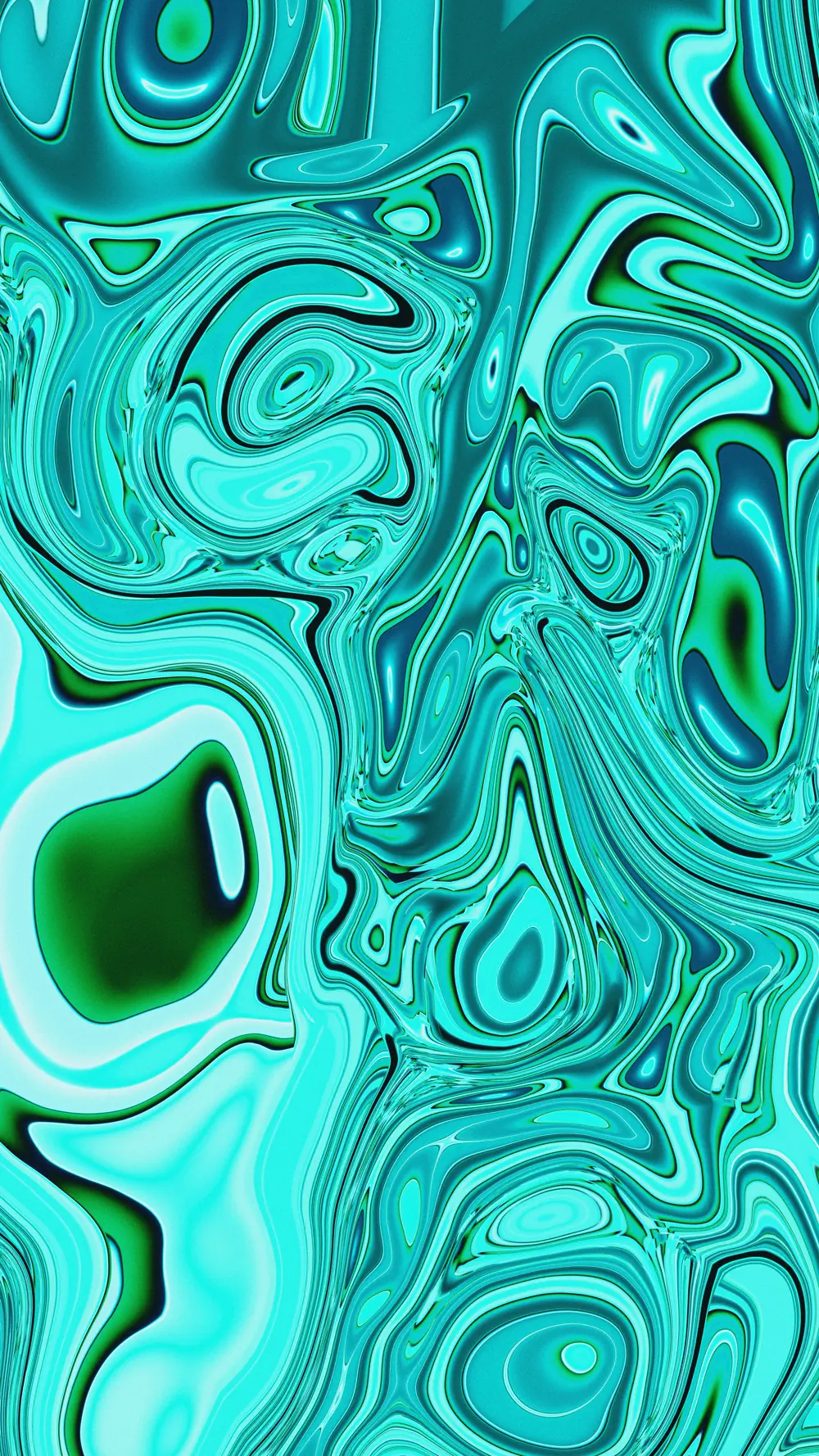
In graphic design, this style is ideal for book covers, brochures, and presentation slides. The abstract nature of the Cubist forms allows for flexibility in layout, as the background can adapt to different text placements without clashing with specific imagery. For social media, cropped versions of these backgrounds can create cohesive brand identities that stand out in crowded feeds.
Print media also benefits from this aesthetic. Posters and architectural renderings using this style convey a sense of modernity and structural integrity. The interplay of light and shadow within the geometric shapes adds a tactile quality to the visual, making it engaging even in static formats. Designers must ensure that the resolution is high enough to maintain the sharpness of the geometric edges, as blurriness can diminish the impact of the Cubist technique.
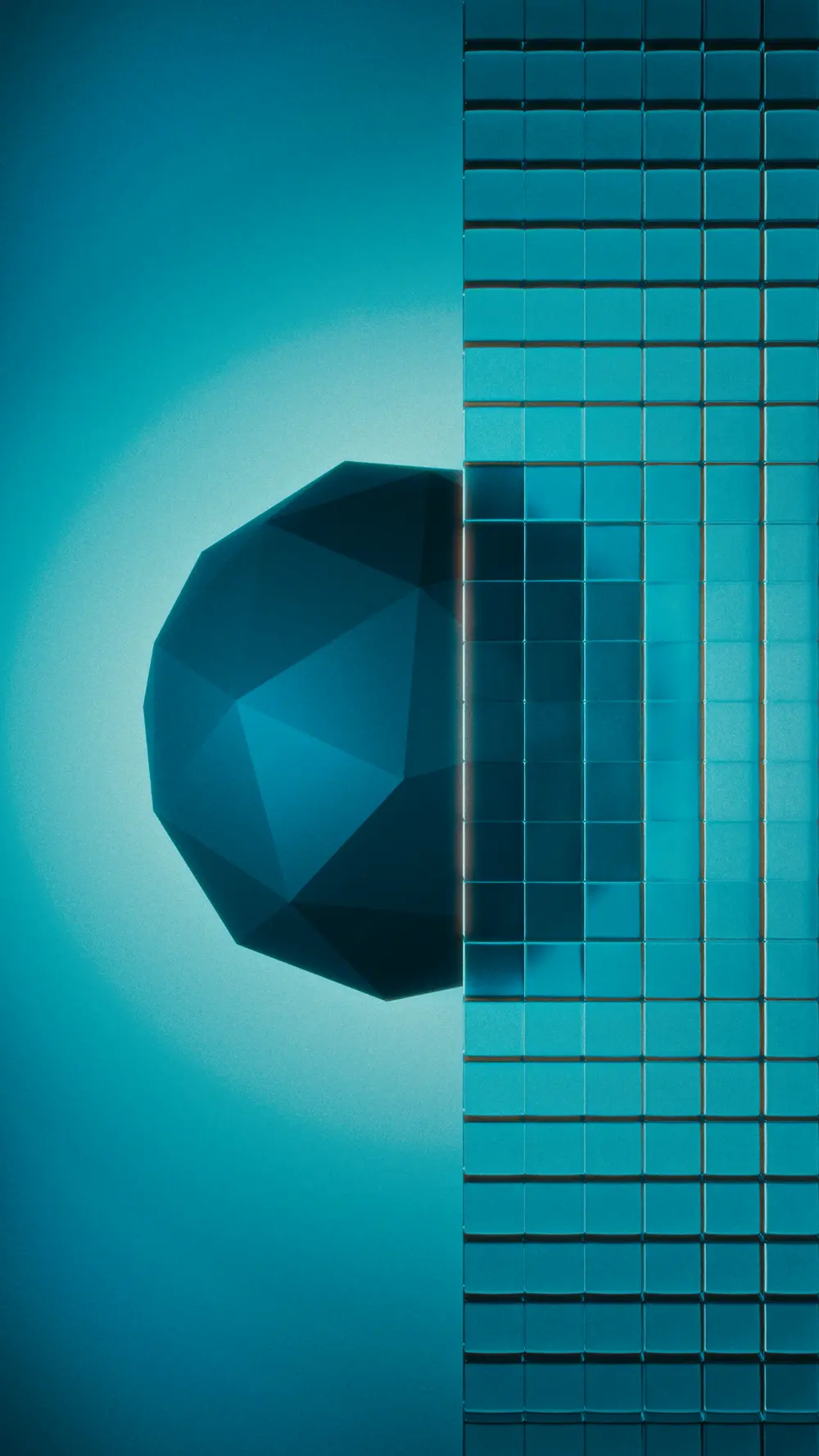
Creating Your Own Cubist Teal Compositions
For those looking to create their own Cubism teal abstract background, several digital tools and techniques can be employed. Vector graphics software like Adobe Illustrator or Figma is ideal for creating sharp, scalable geometric shapes. Start by establishing a base teal color and then derive variations by adjusting the hue, saturation, and brightness.
Begin with a grid system to organize the placement of shapes. Overlap polygons, triangles, and rectangles to create a sense of depth. Use transparency to allow underlying shapes to show through, adding complexity to the composition. The key is to maintain a balance between density and negative space. Crowded compositions can feel chaotic, while sparse ones may lack impact.
Experiment with lighting effects within the vector shapes. Adding gradients that simulate light hitting the geometric planes can enhance the three-dimensional illusion. Subtle drop shadows can further separate the layers, creating a sense of hierarchy. Finally, test the background with sample text or UI elements to ensure that the contrast is sufficient for readability. The goal is to achieve a harmonious blend of form and function that captures the essence of Cubism while leveraging the calming properties of teal. For more inspiration, check out our tips on abstract design principles.
Conclusion
The Cubism teal abstract background offers a unique blend of historical artistic innovation and modern digital utility. By understanding the geometric structure and the psychological impact of teal, designers can create visuals that are both aesthetically pleasing and functionally effective. Whether for web, print, or social media, this style provides a versatile foundation for conveying sophistication and clarity. As design trends continue to evolve, the timeless appeal of Cubism combined with the contemporary vibe of teal ensures that this aesthetic remains relevant and impactful.
Frequently Asked Questions
What makes a Cubism background distinct from other abstract styles?
Cubism is characterized by the fragmentation of objects into geometric shapes and the depiction of multiple viewpoints simultaneously. In abstract backgrounds, this translates to overlapping angular forms and a lack of traditional perspective, creating a dynamic, multi-faceted visual experience that differs from the fluidity of organic abstracts or the simplicity of minimalism.
Why is teal a popular color choice for Cubist designs?
Teal offers a balance between the coolness of blue and the vibrancy of green. It is associated with clarity, calm, and communication, which helps to soften the sharpness of geometric Cubist forms. This color choice makes the design feel modern and professional, appealing to a wide range of industries without being overly aggressive or dull.
How can I use a Cubism teal background in a presentation?
Use the background for title slides or section dividers to create visual interest. Ensure that any text placed over the background has sufficient contrast by using white or dark gray fonts. You can also use a semi-transparent overlay to reduce the intensity of the background, ensuring that the content remains the primary focus while still benefiting from the sophisticated aesthetic.
What are the best digital tools for creating this type of design?
Vector-based tools such as Adobe Illustrator, Figma, or Affinity Designer are ideal for creating sharp, scalable geometric shapes. These tools allow for precise control over shapes, colors, and transparency, which are essential for achieving the layered, fragmented look of Cubism. Raster tools like Photoshop can also be used for adding texture or lighting effects, but vector graphics are preferred for print and web scalability.
Does the Cubism style work well for small screens?
Yes, but with careful consideration. On small screens, excessive detail can become cluttered. It is advisable to simplify the composition by reducing the number of shapes or increasing the size of the geometric forms. You can also create a mobile-specific version of the background that retains the core aesthetic but with less visual complexity to ensure readability and performance.
Related posts:
Your next desktop or phone look is hiding somewhere in abstract-background. The related sets below are a good place to dig.
Bookmark this set for the next time your screen needs a new mood.
