

If you want a background that softens the screen instead of sharpening it, an impressionist blur abstract wallpaper captures light without objects. The Impressionists painted the glow around things, the haze of atmosphere and the shimmer of sun on water, and these designs dissolve that brushwork into soft hazy color fields in lavender, gold, and pale blue. People use them on desktops and phones when they need a restful image for long sessions or tired eyes, at work or in the soft hours at home. How the blur achieves its calm, by releasing attention rather than demanding it, is the key to the style.
The blur’s power is its dreaminess, because sharp edges demand attention while soft ones release it and let the eye drift through the haze. That release gives these wallpapers their distinctive calm, like the visual equivalent of a half-remembered dream that is beautiful precisely because it is undefined. Where water-based softness comes from pigment in water, impressionist blur achieves softness through light and through the atmosphere itself.
That approach grows directly out of Impressionism, where light became the subject rather than a means of illumination. The air between the eye and the object was treated as visible, colored, and worthy of paint. A blur wallpaper turns that discovery into pure background for a modern screen.
Painting the Air
Monet’s late work dissolves into pure light, with water lilies barely there and the atmosphere everything. That dissolution was the Impressionists’ great discovery, that they could paint not things but the light around things. As wallpaper, the discovery becomes a haze with a hand behind it, atmospheric color that still feels human.
Blur is also a form of kindness in visual terms. Sharpness can be cruel because every detail demands judgment and every edge invites evaluation, while blur softens, forgives, and generalizes instead. An impressionist blur wallpaper extends that kindness to the screen as a background that never criticizes and a haze that asks nothing, which is sometimes the most needed register of all.
Living with that kindness takes a little patience at first. A hazy wallpaper can initially feel like too little to an eye trained on sharp screens and searching for detail that is not there, so it helps to give it a day. The blur reveals itself slowly, like a dream recalling itself in fragments, until the glow becomes familiar and the softness becomes a relief.
Composing the Haze
Blur wallpapers are composed around how light behaves, and each arrangement creates a different atmosphere. Some fields hold the warmth of late afternoon, some cool toward dawn or dusk, and some layer several hazes to build depth. Screen size and viewing distance shape the effect, with larger screens giving layered light more room to breathe.
The main haze arrangements include:
- Golden hours, warm fields in golds, ambers, and soft roses that hold the light of late afternoon
- Lavender mists, cool fields in lavenders and pale blues that recall the light of dawn or dusk
- Luminous depths, layered hazes overlapping so the blur gains dimension as light recedes into light
Golden hours feel like memory and suit evening hours and nostalgic moods, with warmth that comforts. Lavender mists feel like dreams, with the world softened to thought and color as feeling, which suits contemplative setups. Luminous depths are the richest option, offering atmosphere with dimension and a dreaminess that rewards large screens.
A cooler, more structured counterpoint appears in Cubism Mint Abstract Texture: Design Guide, where geometry rather than haze organizes the field. The blur wallpaper chooses the opposite discipline and lets edges go entirely. Comparing the two clarifies how much of the impressionist effect depends on that deliberate softness.
The Masters Behind the Haze
Claude Monet is the patriarch of the impressionist blur, and his late water-lily paintings dissolve the world into light and reflection until the pond’s surface becomes pure atmosphere. A blur wallpaper in lavender and gold is quoting Monet whether it knows it or not, sharing his willingness to let edges go. When your screen glows with soft indistinct color, you are looking through Monet’s eyes.
Turner got there first, decades earlier, with seascapes and sunsets that are storms of luminous haze where the solid world barely survives the light. Turner painted atmosphere as drama, so his blur is not only softness but power, with light almost violent in its radiance. Blur wallpapers with golden, turbulent fields carry Turner’s energy, where the dream could become a tempest.
Pierre-Auguste Renoir brings the human note through soft-focus figures and dappled light that remind us blur is also tenderness. A blur wallpaper in warm rose and peach tones applies Renoir’s lesson to the abstract, treating haze as kindness and softness as care. It suits the personal screen, the phone or the laptop, where that tenderness feels addressed to you.
Beneath all three masters the lesson is the same, that precision is not the only truth and the eye knows things the mind cannot focus on. The blur teaches a different kind of seeing that is peripheral, atmospheric, and felt rather than analyzed. For a sharper, more saturated contrast, Neon Red Abstract Texture: Design & Mood shows how deliberately opposite that hazy lesson can be.
Styling Dreamy Light
On desktops, impressionist blur wallpapers create workspaces with unusual gentleness, softening the screen’s digital edge. They suit sensitive eyes and long sessions because the blur reduces visual demand and the softness helps prevent fatigue. On phones, a blur lock screen feels like waking into a dream, with hazy color greeting you softly and the interface floating on light.
By the end of a week with the haze, sharp wallpapers can feel harsh by comparison. The blur does not compete for your attention but waits for it, and that waiting is its gift. As a restful choice for tired eyes and long days, it is the visual equivalent of closing your eyes while remaining beautiful.
The Impressionists taught us that light is not illumination but subject, and that the air itself is visible, colored, and worthy of paint. An impressionist blur wallpaper brings that lesson to your screen through the haze, the glow, and the dream of light. Keep it for the soft hours, and let its fields remind you that sharpness is not the only clarity, because sometimes the truest seeing is the softest.
Related posts:

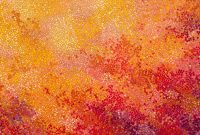

Pieces in abstract-texture talk to each other across pages — follow the thread with Expressionist Stroke Abstract Wallpapers: Emotional Brush Energy.
Save the pieces you love and share the collection with your circle.

