

Indoor Herb Garden: A Beginner’s Guide
The aroma of fresh herbs can transform a kitchen, and having them readily available for cooking is a delight. Growing an garden indoors isn’t as daunting as it might seem. With a little planning and care, anyone can enjoy a thriving indoor herb garden, regardless of outdoor space or climate. This guide will walk you through everything you need to know to get started, from choosing the right herbs to providing the necessary care for a bountiful harvest.
Imagine snipping fresh basil for your pasta sauce, adding mint to your tea, or garnishing your meals with vibrant chives – all grown right in your kitchen. Beyond the culinary benefits, indoor herb gardens add a touch of greenery and life to your home, improving air quality and creating a calming atmosphere.
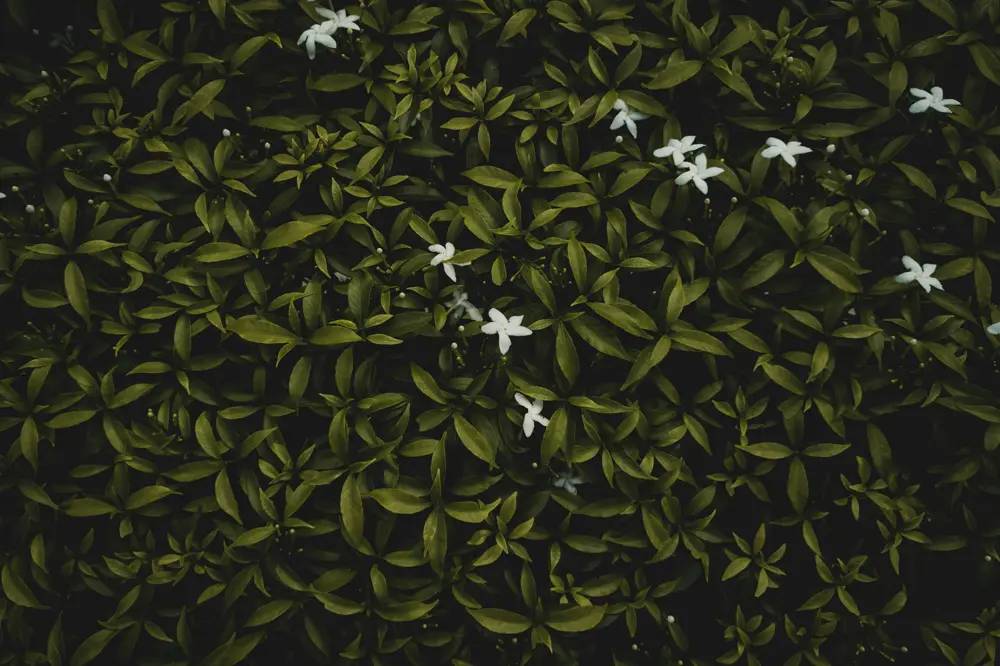
Choosing the Right Herbs
Not all herbs thrive indoors, so selecting the right varieties is crucial. Some of the easiest herbs to grow indoors include:
- Basil: A warm-weather herb that loves sunlight.
- Mint: Known for its vigorous growth, it’s best grown in its own container.
- Chives: A mild onion flavor, easy to grow from seed or division.
- Parsley: Both curly and flat-leaf varieties do well indoors.
- Oregano: A Mediterranean herb that prefers well-drained soil.
- Thyme: Another Mediterranean herb, requiring plenty of sunlight.
- Rosemary: Can be a bit more challenging, but rewarding with its fragrant aroma.
Consider your cooking habits when making your selections. Choose herbs you use frequently to maximize the benefits of your indoor garden. Also, think about the space you have available. Some herbs, like mint, can spread quickly and may need more room.
Essential Supplies
Before you start planting, gather the necessary supplies:
- Pots: Choose pots with drainage holes to prevent root rot. Terracotta or plastic pots work well.
- Potting Mix: Use a high-quality potting mix specifically formulated for herbs. Avoid using garden soil, as it can become compacted indoors.
- Seeds or Starter Plants: You can start herbs from seed or purchase starter plants from a nursery. Starter plants offer a quicker harvest.
- Grow Lights (Optional): If you don’t have a sunny window, grow lights are essential for providing adequate light.
- Watering Can: A small watering can with a narrow spout is ideal for precise watering.
- Fertilizer: A balanced liquid fertilizer can help promote healthy growth.
Providing the Right Environment
Herbs need specific conditions to thrive. Here’s a breakdown of the key environmental factors:

Light
Most herbs require at least 6-8 hours of sunlight per day. A south-facing window is ideal. If you don’t have enough natural light, supplement with grow lights. Position the lights a few inches above the plants and keep them on for 12-16 hours per day.
Watering
Water herbs when the top inch of soil feels dry to the touch. Avoid overwatering, as this can lead to root rot. Ensure the pots have good drainage. The frequency of watering will depend on the herb, the pot size, and the environmental conditions.

Temperature
Most herbs prefer temperatures between 65-75°F (18-24°C). Avoid placing them near drafts or heating vents.
Humidity
Indoor air can be dry, especially during winter. Increase humidity by grouping plants together, using a humidifier, or placing the pots on trays filled with pebbles and water.
Planting and Caring for Your Herbs
Whether you’re starting from seed or using starter plants, follow these guidelines:
- From Seed: Sow seeds in a seed-starting mix and keep them moist until they germinate. Once the seedlings have a few sets of true leaves, transplant them into individual pots.
- From Starter Plants: Gently remove the plants from their containers and transplant them into larger pots filled with potting mix.
Regularly prune your herbs to encourage bushier growth and prevent them from becoming leggy. Pinch off the tips of the stems to promote branching. Remove any yellowing or dead leaves. Fertilize your herbs every 2-4 weeks during the growing season with a balanced liquid fertilizer.
Pest control is generally minimal indoors, but keep an eye out for aphids or spider mites. If you notice any pests, treat them with insecticidal soap or neem oil. Maintaining good air circulation can also help prevent pest infestations.
Harvesting Your Herbs
Harvest herbs when they are at their peak flavor. Snip off leaves or stems as needed. For leafy herbs like basil and mint, harvest regularly to encourage new growth. For woody herbs like rosemary and thyme, prune lightly to maintain their shape. You can use fresh herbs immediately or dry them for later use. Drying herbs is easy – simply tie them in bundles and hang them upside down in a cool, dark, and well-ventilated place.
Troubleshooting Common Problems
Even with the best care, you may encounter some challenges. Here are a few common problems and their solutions:
- Yellowing Leaves: Could be caused by overwatering, underwatering, or nutrient deficiency. Adjust your watering schedule and fertilize as needed.
- Leggy Growth: Indicates insufficient light. Move the plants to a sunnier location or supplement with grow lights.
- Pest Infestations: Treat with insecticidal soap or neem oil.
- Root Rot: Caused by overwatering. Ensure the pots have good drainage and allow the soil to dry out between waterings.
Conclusion
Growing an indoor herb garden is a rewarding experience that brings fresh flavors and vibrant greenery into your home. By following these tips, you can create a thriving garden that provides you with a constant supply of delicious herbs. Don’t be afraid to experiment and find what works best for you and your space. Enjoy the process and savor the flavors of your homegrown herbs!
Frequently Asked Questions
What is the best location for my indoor herb garden?
A south-facing window is ideal, providing the most sunlight. If that’s not possible, an east or west-facing window can work, but you may need to supplement with grow lights. Avoid north-facing windows, as they receive very little direct sunlight.
How often should I water my indoor herbs?
Water when the top inch of soil feels dry to the touch. The frequency will vary depending on the herb, the pot size, and the environmental conditions. Avoid overwatering, as this can lead to root rot. Check the soil moisture regularly.
Can I grow all my favorite herbs indoors?
While many herbs can be grown indoors, some are more challenging than others. Herbs like basil, mint, chives, parsley, oregano, and thyme are generally easy to grow indoors. Rosemary and lavender can be more difficult and may require more attention.
What kind of fertilizer should I use for my indoor herbs?
Use a balanced liquid fertilizer specifically formulated for herbs. Follow the instructions on the fertilizer package. Fertilize every 2-4 weeks during the growing season to promote healthy growth. Avoid over-fertilizing, as this can burn the roots.
How do I prevent pests from infesting my indoor herb garden?
Maintain good air circulation, inspect your plants regularly for pests, and remove any infested leaves. If you find pests, treat them with insecticidal soap or neem oil. Keeping your plants healthy and strong will also help them resist pests.
Related posts:
Abstract work rewards a second look — browse more of gardening when you are ready for a new backdrop.
Save the pieces you love and share the collection with your circle.
