
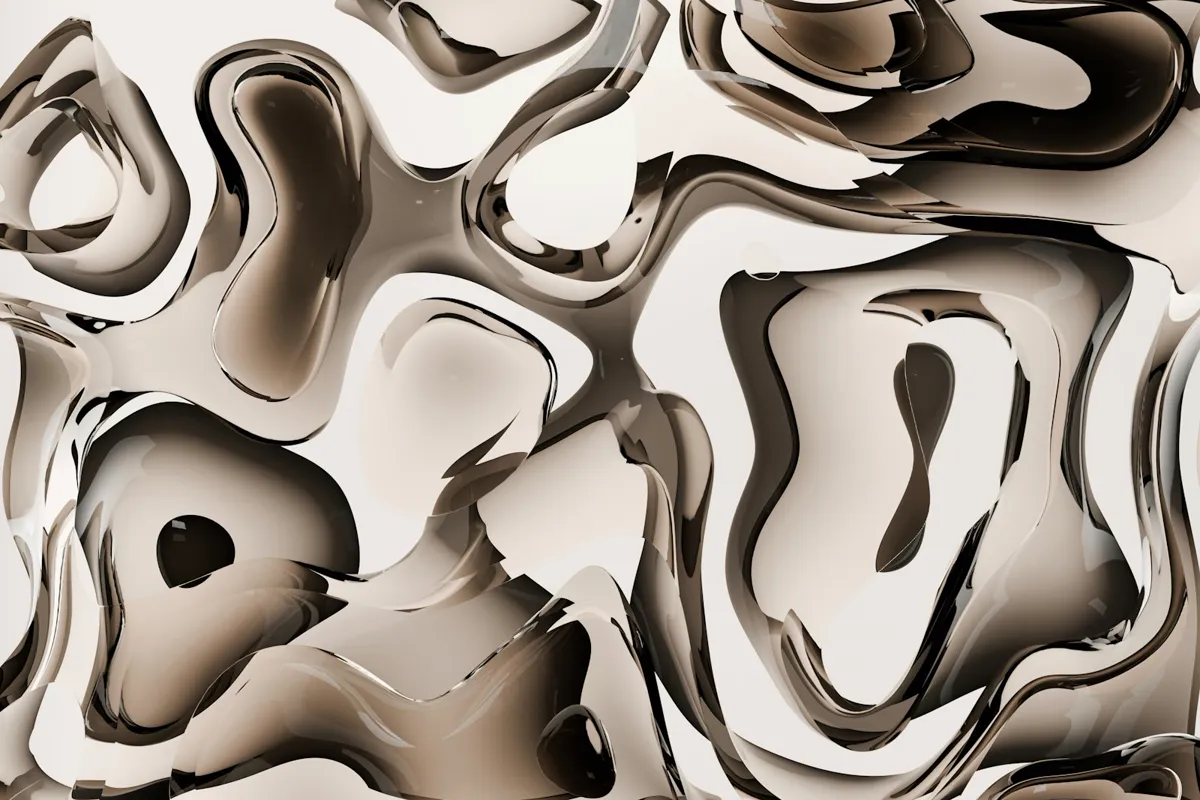
The intersection of classical materiality and cutting-edge technology has given rise to 3D bronze abstract design, a visual medium that blends the timeless luxury of metallic finishes with the fluid, often gravity-defying forms of parametric art. In an era where digital environments are becoming as significant as physical spaces, the use of bronze textures in abstract 3D compositions offers a unique juxtaposition: the perceived weight and permanence of metal paired with the ephemeral, imaginative nature of digital sculpting. This synergy is increasingly utilized in high-end branding, architectural visualization, and luxury interior concepts to evoke feelings of sophistication, stability, and avant-garde creativity.
- Understanding 3D Bronze Abstract Design
- Key Applications in Modern Industry
- The Technical Workflow for Creating Bronze Aesthetics
- The Aesthetic Appeal: Why Bronze?
- From Digital Rendering to Physical Reality
- Conclusion
- Frequently Asked Questions
Understanding 3D Bronze Abstract Design
At its core, 3D bronze abstract design is the process of using three-dimensional modeling software to create non-representational forms that are textured to resemble bronze. Unlike traditional sculpture, which is limited by the physical properties of the metal and the constraints of casting, digital abstraction allows for complex topologies, interlocking voids, and mathematical curves that would be nearly impossible to execute by hand. This approach leverages algorithmic design to create shapes that feel organic yet engineered, often mimicking fluid dynamics or crystalline growth.
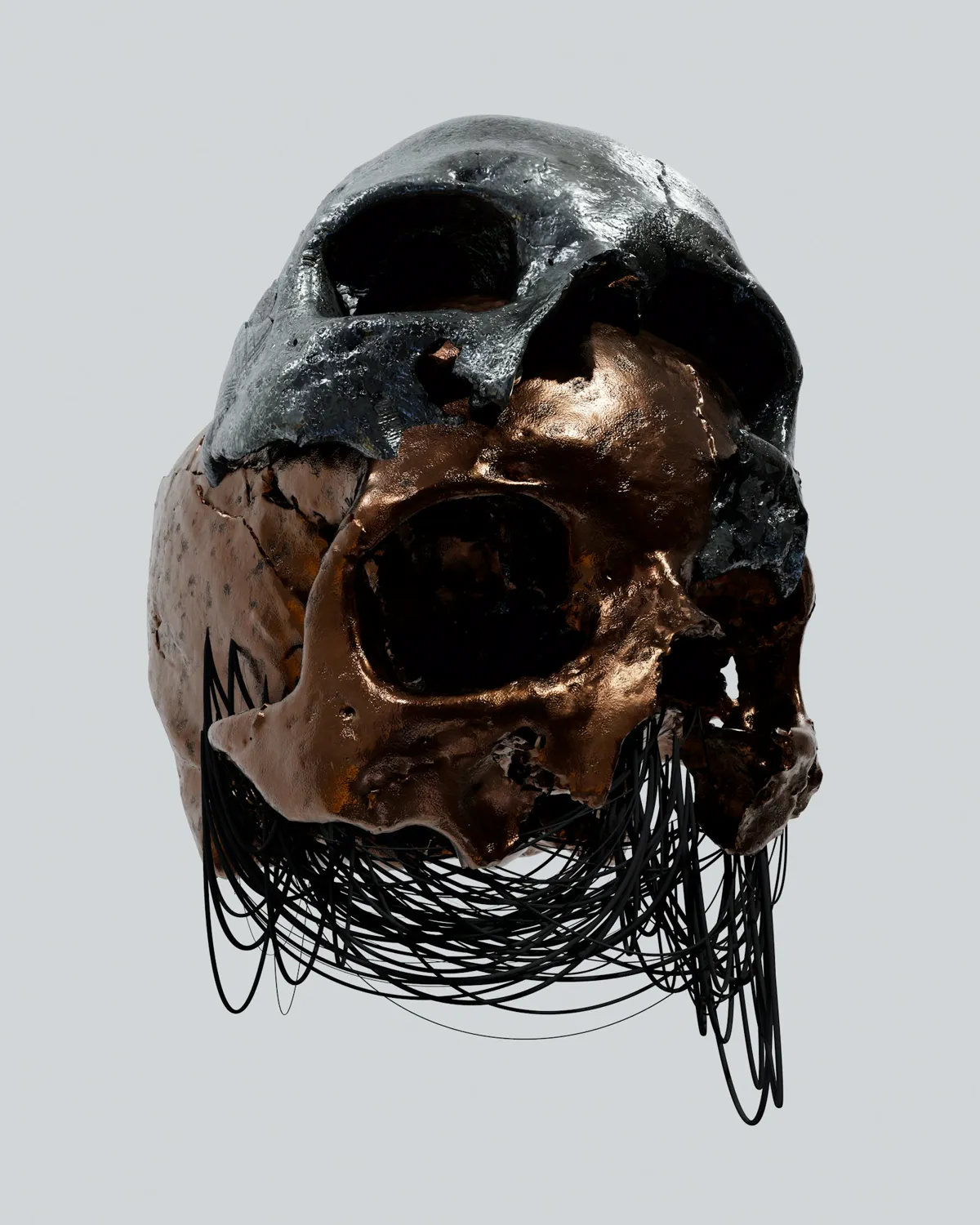
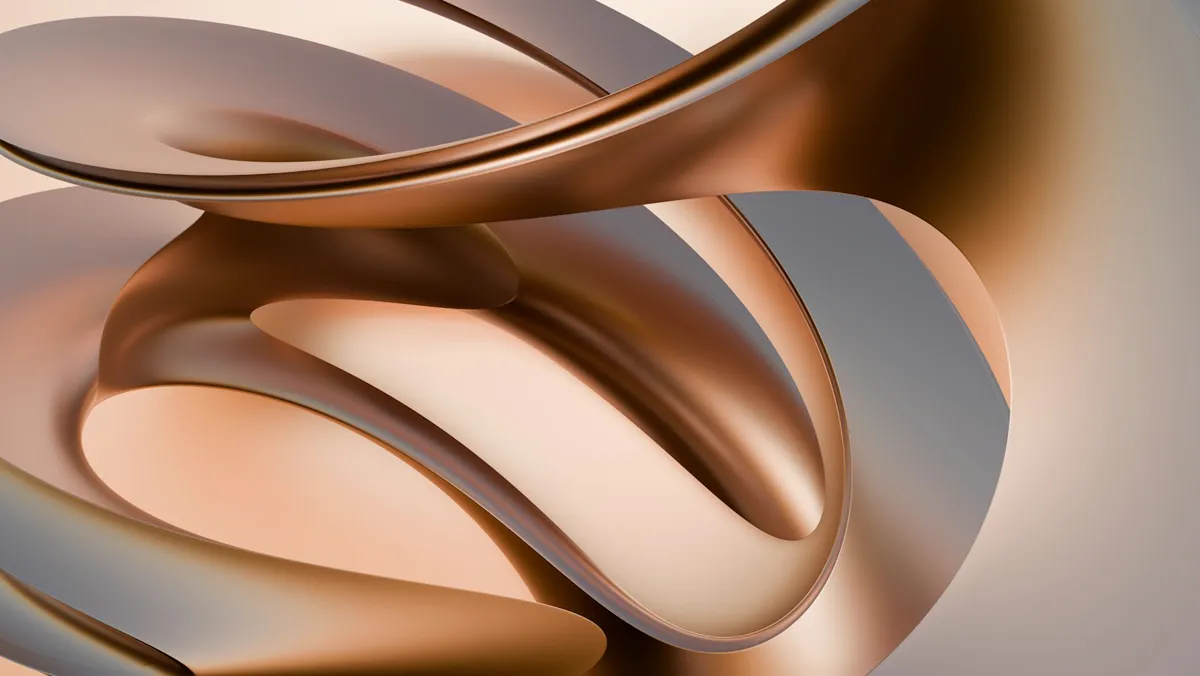
The ‘bronze’ element is not merely a color but a complex interaction of light and surface. In professional 3D pipelines, this involves simulating anisotropic reflections and microscopic surface imperfections that give the metal its characteristic glow. By integrating modern art principles with computational power, designers can explore the tension between the industrial and the organic, creating pieces that serve as focal points in both virtual galleries and physical installations. The goal is often to achieve a tactile quality through a screen, making the viewer almost feel the coolness and weight of the metallic surface through visual cues alone.
Furthermore, the integration of surface texture mapping allows designers to introduce patina, oxidation, and wear, adding a layer of historical narrative to a modern digital form. This blend of the ‘ancient’ feel of aged bronze with the ‘futuristic’ feel of abstract geometry creates a powerful semantic contrast that resonates deeply in luxury markets.
Key Applications in Modern Industry
Luxury Interior Design and Installations
In the realm of high-end interiors, 3D bronze abstract design serves as the blueprint for bespoke sculptural installations. Designers use 3D renders to pitch conceptual pieces—such as floating ceiling sculptures or twisting wall reliefs—to clients. These pieces often act as biophilic elements, using abstract curves to mimic natural forms while maintaining a metallic, polished finish that complements marble, velvet, and dark hardwoods. The use of bronze specifically suggests a level of prestige and permanence that gold or silver often lacks, providing a warmer, more grounded sense of luxury.
Architectural Facades and Parametric Screens
Architecture has embraced parametricism, and bronze remains a preferred material for high-visibility accents. 3D abstract patterns are used to create perforated screens or cladding that manage light and privacy. By utilizing 3D software, architects can optimize the structural integrity of an abstract bronze mesh while ensuring it creates a specific shadow pattern within the building. These facades transform buildings into large-scale works of art, where the interplay of sunlight on bronze surfaces changes throughout the day, creating a dynamic visual experience.
Digital Branding and High-End Visual Assets
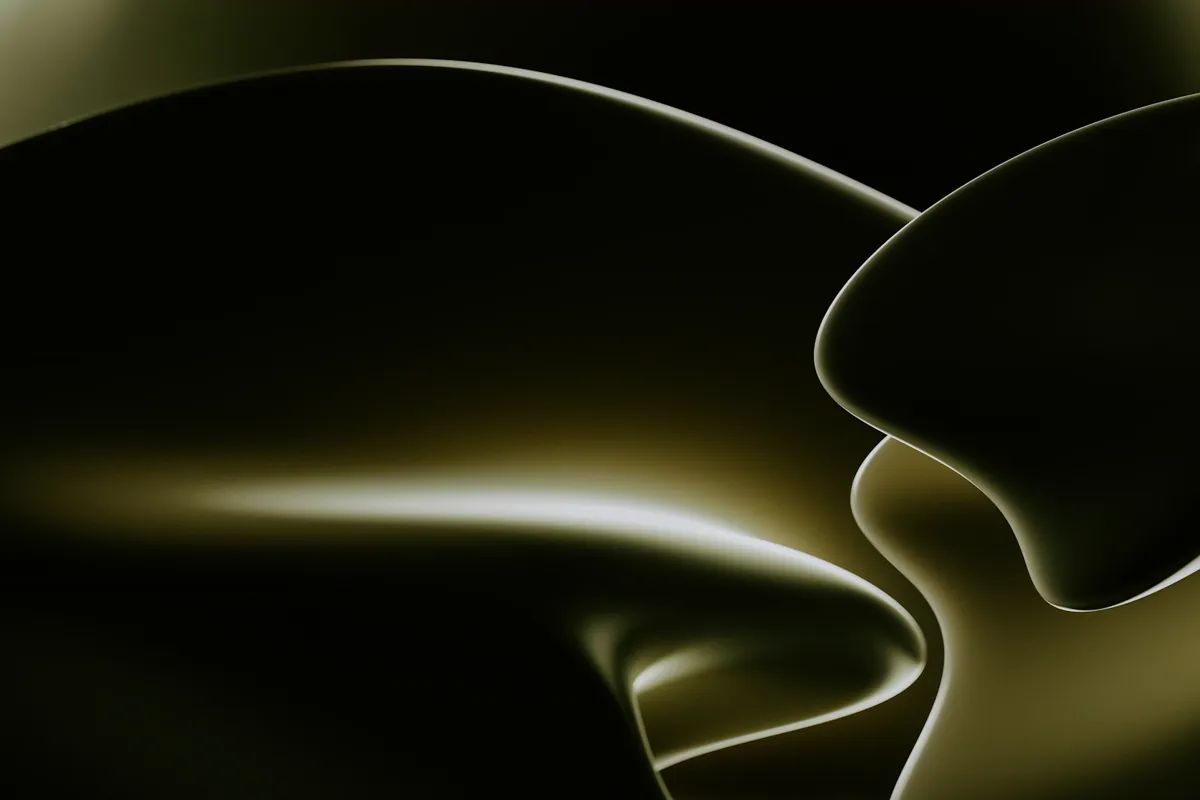
For brands positioned in the luxury sector—such as high-jewelry, fragrance, or premium automotive—3D abstract bronze elements are used in motion graphics and advertising. A twisting, metallic bronze ribbon or a floating abstract sphere can communicate ‘craftsmanship’ and ‘innovation’ simultaneously. These assets are often rendered with high-fidelity Global Illumination (GI) to emphasize the reflectivity and depth of the material, positioning the brand as both traditional in quality and forward-thinking in vision.
The Technical Workflow for Creating Bronze Aesthetics
Geometric Construction and Sculpting
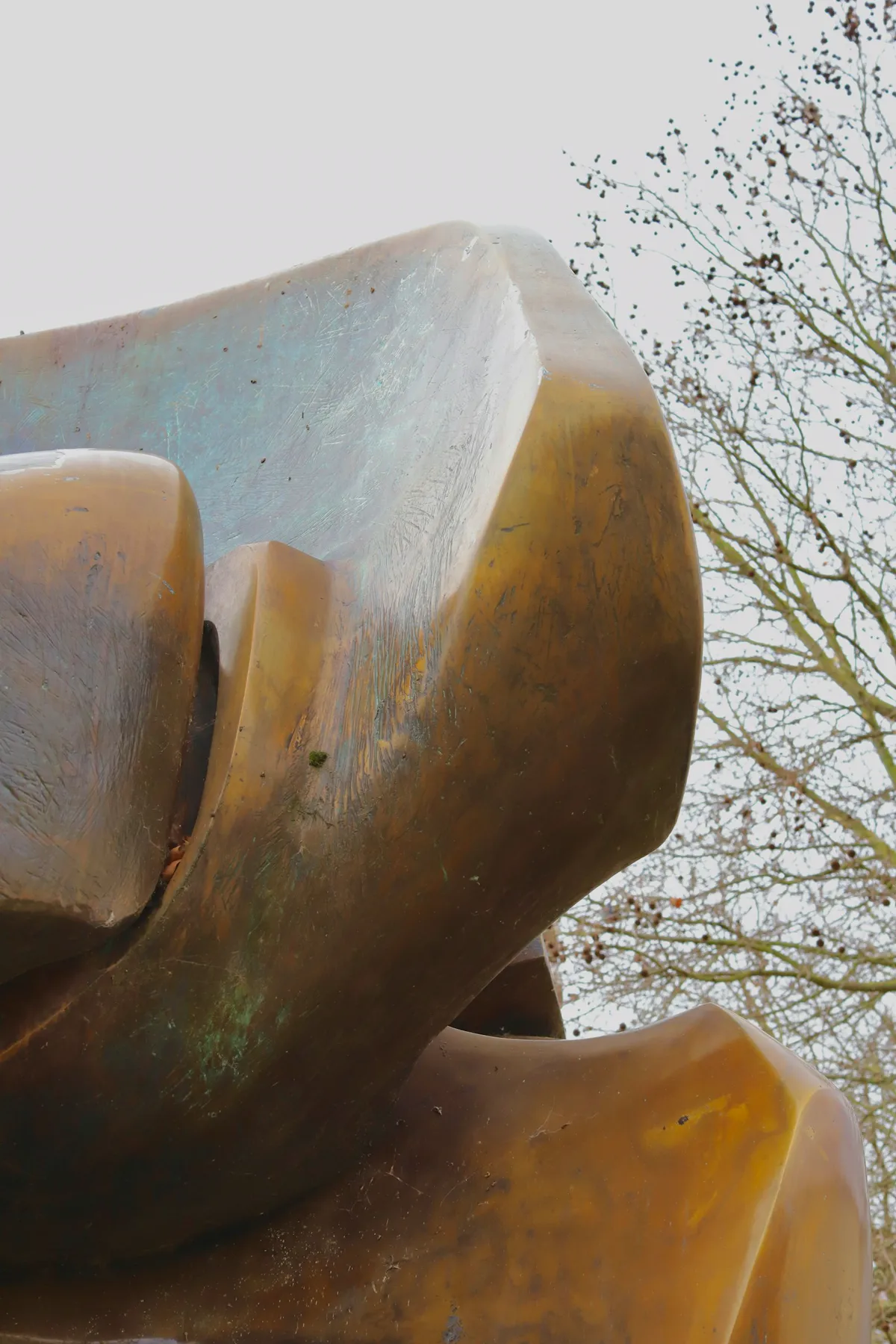
The process begins with the creation of the abstract form. Many artists utilize subdivision surface modeling in software like Blender or Cinema 4D to create smooth, flowing shapes. Others turn to procedural generation using tools like Houdini, where mathematical noise and vectors define the form. The key to a successful abstract design is the balance between chaos and order; too much randomness looks messy, while too much symmetry looks sterile. Digital sculpting allows for the addition of fine details, such as etched lines or hammered textures, which enhance the realism of the final bronze render.
Materiality and PBR Workflows
To make a 3D object look like bronze, designers employ Physically Based Rendering (PBR). This involves creating several maps that tell the render engine how to handle light:
- Albedo/Base Color: A deep, warm brownish-gold hue.
- Metallic Map: A grayscale map where white represents the conductive metallic areas.
- Roughness Map: Crucial for bronze; this defines where the metal is polished (darker) and where it is matte or oxidized (lighter).
- Normal Map: Adds micro-details like scratches or pores without adding actual geometry.
By layering these maps, an artist can create a bronze patina effect, where the crevices of the abstract shape appear darker and more oxidized, while the protruding edges appear polished from simulated wear.
Lighting for Metallic Surfaces
Lighting is the most critical step in 3D bronze design. Because bronze is reflective, it doesn’t have a ‘color’ of its own so much as it reflects the environment. Designers use HDRI (High Dynamic Range Imaging) maps to provide complex, real-world lighting environments. To emphasize the curvatures of abstract forms, three-point lighting or softbox setups are used to create ‘specular highlights’—those bright streaks of light that define the edges and volume of the object, giving it a tangible, three-dimensional presence.
The Aesthetic Appeal: Why Bronze?
The choice of bronze over other metals in abstract design is rooted in color psychology and historical association. Bronze occupies a middle ground between the ostentation of gold and the sterility of silver. Its warm tones evoke a sense of comfort and organic connection, while its association with ancient civilizations lends a feeling of timelessness and authority. When applied to abstract, futuristic shapes, this creates a ‘retro-futurist’ aesthetic that feels evolved rather than just new.
Moreover, bronze is visually ‘dense’. In an abstract composition, where forms may be floating or disconnected, the visual weight of bronze provides a necessary anchor. It suggests a physical presence that challenges the viewer’s perception of the digital space, making the abstraction feel more ‘real’ and less like a mathematical exercise. This contrast is what makes 3D bronze abstract design so effective in evoking an emotional response of awe and curiosity.
From Digital Rendering to Physical Reality
The journey of a 3D bronze abstract design often doesn’t end on the screen. With the advent of additive manufacturing (3D printing), these complex digital forms can be brought into the physical world. Metal 3D printing, specifically Direct Metal Laser Sintering (DMLS), allows for the creation of intricate bronze lattices that would be impossible to cast using traditional lost-wax methods. This allows the artist to maintain the exact precision of the digital model in a physical medium.
Alternatively, 3D prints can be used to create highly accurate patterns for traditional bronze casting. By printing the abstract form in a castable resin, foundries can then cast the piece in molten bronze, combining 21st-century design tools with 5,000-year-old metallurgical techniques. This hybrid workflow ensures that the final piece possesses both the mathematical complexity of digital art and the soulful, enduring quality of hand-finished metal.
Conclusion
3D bronze abstract design represents a sophisticated convergence of art, mathematics, and materiality. By leveraging PBR workflows and parametric modeling, designers can create visuals that transcend simple decoration, offering a profound exploration of form and light. Whether used as a digital asset for luxury branding or a blueprint for a massive architectural installation, the allure of bronze—with its warmth, weight, and history—ensures that these abstract compositions feel grounded and significant. As AI and generative design continue to evolve, we can expect these metallic abstractions to become even more complex, further blurring the line between the imagined digital realm and the tangible physical world.
Frequently Asked Questions
How can I achieve a realistic bronze patina in my 3D renders?
To create a realistic patina, you should use a Roughness Map combined with a Ambient Occlusion (AO) map. By plugging the AO map into the base color or roughness channel, you can ensure that the deeper crevices of your abstract design appear darker and more matte, simulating the natural buildup of oxidation over time.
Which software is best for creating abstract bronze shapes?
For organic, flowing forms, Blender and Cinema 4D are excellent due to their intuitive sculpting and subdivision tools. If you are looking for complex, mathematically driven patterns, Houdini is the industry standard for procedural generation and parametric design.
How does 3D bronze design differ from standard metallic rendering?
Standard metallic rendering often focuses on high reflectivity (like chrome). Bronze design requires a more nuanced approach to color temperature and surface diffusion. It involves balancing the warm orange-brown hues with varying levels of roughness to avoid the ‘plastic’ look and achieve a heavy, metallic feel.
Can these digital designs be converted into physical sculptures?
Yes, through DMLS (Direct Metal Laser Sintering) or by 3D printing a wax/resin model that is then used in the lost-wax casting process. This allows the intricate, non-manifold geometries of 3D art to be realized in actual bronze metal.
What lighting setup works best for showcasing bronze textures?
A combination of a high-quality HDRI map for general environment reflections and targeted area lights (softboxes) is best. This creates the long, elegant specular highlights that define the edges of abstract curves and emphasize the material’s metallic nature.
Related posts:
Abstract work rewards a second look — browse more of 3d-design when you are ready for a new backdrop.
Save the pieces you love and share the collection with your circle.
