
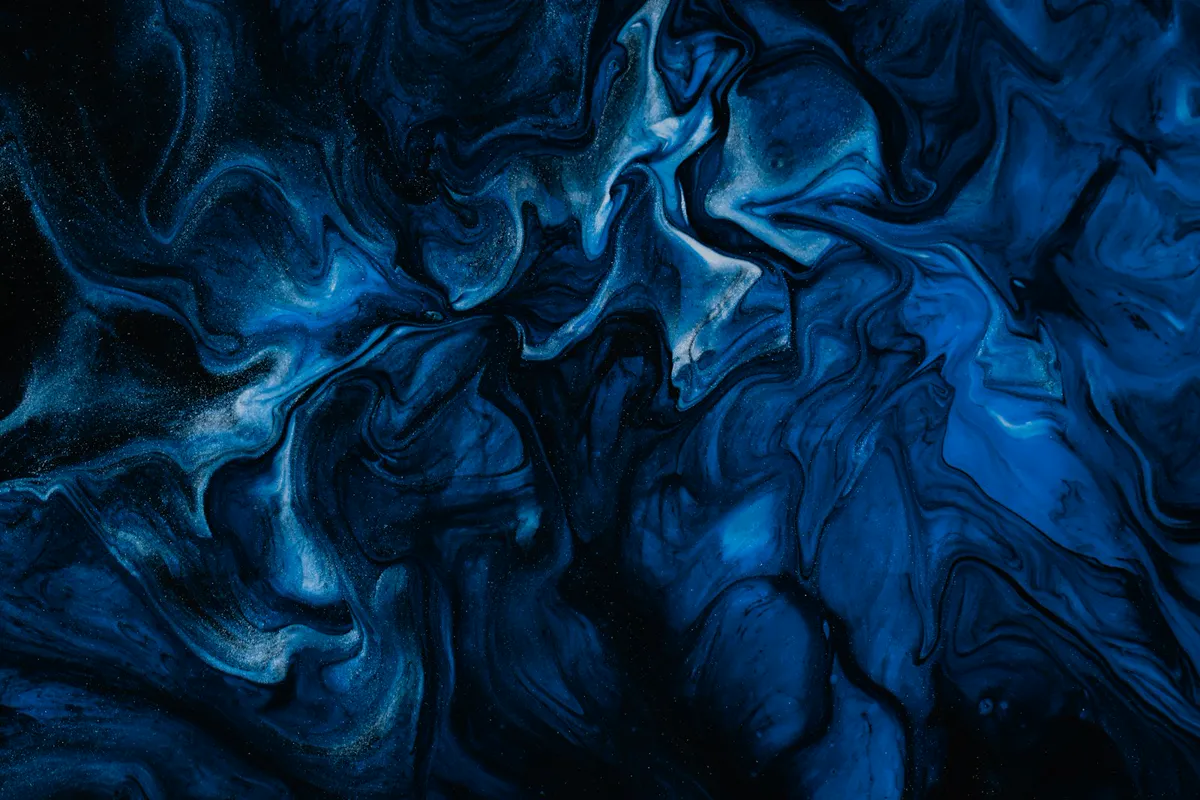
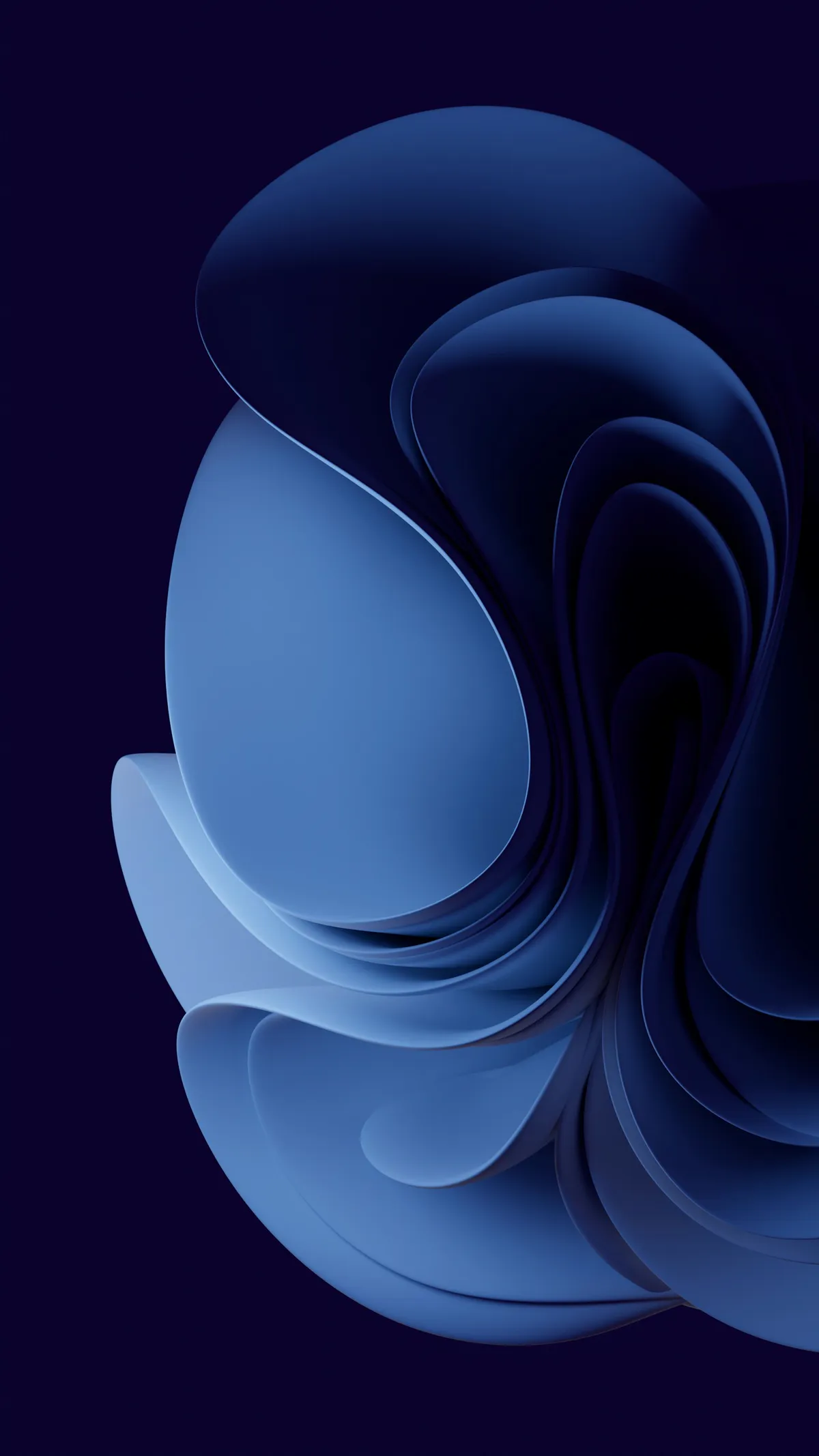
In the contemporary landscape of digital aesthetics, an abstract 3d navy design serves as more than just a background; it is a powerful tool for communicating stability, intelligence, and futuristic sophistication. As brands move away from flat design toward a more immersive, tactile experience, the intersection of deep blue hues and three-dimensional geometry has become a cornerstone for high-end corporate identities and modern UI/UX interfaces. By blending the psychological weight of navy blue with the spatial dynamics of 3D art, designers can create visual environments that feel both grounded and innovative.
- The Psychology of Navy Blue in Visual Communication
- Defining the Elements of 3D Abstract Art
- Strategic Applications in Modern Branding
- Technical Execution and Software Workflows
- Enhancing User Experience with Depth and Contrast
- Future Trends in Three-Dimensional Aesthetics
The Psychology of Navy Blue in Visual Communication
Color theory plays a pivotal role in how a user perceives a brand. Navy blue, specifically, is widely regarded as the color of authority, trust, and reliability. Unlike a bright royal blue, which can feel energetic and youthful, navy evokes a sense of maturity and professional discipline. When this color is applied to an abstract 3D context, it adds a layer of mystery and depth that captures attention without overwhelming the viewer.
From a cognitive perspective, deep blues are associated with the ocean and the night sky, triggering feelings of vastness and infinity. In a digital interface, using a navy-based palette helps reduce eye strain compared to pure black, while still providing enough contrast for light-colored text and vibrant accent elements. This makes it an ideal choice for branding strategies that aim to project a sense of established leadership and security.
Emotional Resonance and Corporate Trust
Financial institutions, legal firms, and technology giants frequently lean toward navy palettes because they subconsciously signal stability. When transitioned into three-dimensional space, these colors move from being static symbols to dynamic experiences. The play of light and shadow on a navy surface suggests complexity and attention to detail, traits that are highly valued in B2B communication and webdesign circles.

Defining the Elements of 3D Abstract Art
What transforms a simple navy background into a professional abstract 3d navy design? The secret lies in the manipulation of the Z-axis, lighting, and material properties. Abstract 3D art focuses on forms that do not necessarily represent a physical object but instead evoke a feeling or a concept through shape and motion.
- Geometric Fluidity: The use of flowing curves, spheres, or intersecting planes to create a sense of organic movement.
- Materiality: Applying textures such as matte plastic, polished chrome, or frosted glass (glassmorphism) to the navy surfaces.
- Depth Perception: Using atmospheric haze and depth-of-field effects to guide the user’s eye toward a specific focal point.
- Dynamic Lighting: Implementing rim lighting or soft global illumination to highlight the edges of 3D forms, preventing the navy color from becoming a flat, dark void.
The Role of Ray Tracing and Rendering
Modern rendering engines allow designers to simulate how light actually behaves. In a navy-themed 3D composition, specular highlights (the bright spots where light hits a surface) are crucial. By adding a subtle glow or a metallic sheen to the edges of navy shapes, the design gains a tactile quality that invites the user to interact with the screen, enhancing the overall sensory experience of the digital product.
Strategic Applications in Modern Branding
Integrating an abstract 3D navy design into a brand identity requires a balance between artistic expression and functional utility. When used correctly, these visuals can define the entire mood of a product launch or a corporate website.
High-Conversion Landing Pages
For SaaS (Software as a Service) companies, 3D navy abstracts are often used as hero section backgrounds. By placing a 3D abstract shape behind a value proposition, the brand creates a visual metaphor for “complex technology made simple.” The depth of the 3D elements provides a professional backdrop that doesn’t distract from the Call to Action (CTA) but adds a layer of perceived value and quality.

Social Media and Digital Marketing
In the fast-paced environment of social media, visual stopping power is everything. A high-resolution 3D render in navy blue, accented with a pop of neon gold or electric cyan, creates a high-contrast image that stands out in a feed of flat photographs. These assets are particularly effective for LinkedIn banners and Instagram stories where a “premium” feel is required to attract high-ticket clients.
Technical Execution and Software Workflows
Creating professional-grade 3D navy abstracts is now more accessible than ever, thanks to a variety of industry-standard tools. The workflow typically involves modeling, texturing, lighting, and final rendering.

Industry-Leading Software
Blender has become the go-to for many designers due to its powerful Cycles and Eevee engines, which allow for rapid prototyping of 3D shapes. For those in high-end production, Cinema 4D remains a favorite for its intuitive motion graphics toolset. For those who prefer a more procedural approach, Houdini allows for the creation of incredibly complex, algorithmic navy structures that would be impossible to model by hand.
The Importance of Color Grading
The “navy” part of the design is often perfected in the post-production phase. Designers typically render their scenes with a neutral palette and then use software like Adobe Lightroom or DaVinci Resolve to apply color grading. By pushing the shadows toward a deep midnight blue and keeping the highlights crisp, the final output achieves that signature professional polish.
Enhancing User Experience with Depth and Contrast
While aesthetics are important, the primary goal of any design is usability. An abstract 3D navy design must support the content it accompanies, not hinder it.
Implementing Visual Hierarchy
To maintain a clear visual hierarchy, designers should use the 3D elements as “anchor points.” For instance, a large 3D navy swirl on the right side of a page can balance a heavy block of text on the left. This creates a symmetrical balance that feels natural to the human eye. Using negative space effectively ensures that the 3D elements don’t clutter the interface.
Accessibility and WCAG Compliance
When working with dark navy backgrounds, contrast is the biggest challenge. To ensure accessibility (WCAG compliance), text should be rendered in high-contrast colors such as pure white, soft cream, or bright yellow. Avoid using dark greys or deep purples for text on a navy background, as this can make the content illegible for users with visual impairments.
Future Trends in Three-Dimensional Aesthetics
As we move toward Web3 and the Metaverse, the demand for sophisticated 3D assets will only increase. We are seeing a shift toward interactive 3D designs where the navy abstract forms react to the user’s mouse movements or scroll depth using libraries like Three.js or React Three Fiber.
The next evolution will likely involve AI-generated 3D textures, where a designer can describe a “fluid navy silk structure with metallic edges,” and the AI will generate the base geometry, allowing the human artist to focus on the lighting and composition. This synergy between human creativity and machine efficiency will push the boundaries of what is possible in digital art.
Conclusion
An abstract 3d navy design is a sophisticated fusion of color psychology and spatial geometry. By leveraging the trust associated with navy blue and the immersion provided by 3D depth, brands can position themselves as leaders in their respective fields. Whether through the use of Blender for creation or strategic placement in a UI/UX layout, the key to success lies in the balance of contrast, lighting, and purpose. As digital trends continue to evolve, the ability to blend professional stability with futuristic visuals will remain a vital skill for any modern creator.
Frequently Asked Questions
Why is navy blue specifically chosen for corporate 3D designs over other dark colors?
Navy blue is chosen because it strikes a perfect balance between the starkness of black and the vibrancy of blue. It communicates trust, authority, and professionalism without feeling gloomy or oppressive, making it ideal for B2B and corporate environments.
How do I prevent my 3D navy design from looking too dark or ‘flat’?
The key is to implement rim lighting and specular highlights. By adding a light source that hits the edges of your 3D objects, you create a silhouette that separates the object from the background, giving it a tangible, three-dimensional feel.
What are the best complementary colors to pair with a navy 3D background?
For a high-contrast, luxury look, gold and silver are excellent choices. For a more modern, tech-focused aesthetic, electric cyan, neon lime, or vibrant orange provide a striking contrast that draws the eye to key elements.
Can I use 3D abstract designs on a website without slowing down the page load?
Yes, but instead of using heavy 3D files, you should use high-quality static renders (WebP format) or optimized Lottie animations. For truly interactive 3D, use compressed GLTF models and Three.js to ensure smooth performance.
Which software is best for a beginner wanting to create 3D navy abstracts?
Blender is highly recommended for beginners because it is free, open-source, and has a massive community of tutorials. Its Eevee engine allows you to see your navy lighting and textures in real-time, making the learning curve much more manageable.
Related posts:

Abstract work rewards a second look — browse more of 3d-rendering when you are ready for a new backdrop.
Save the pieces you love and share the collection with your circle.
