
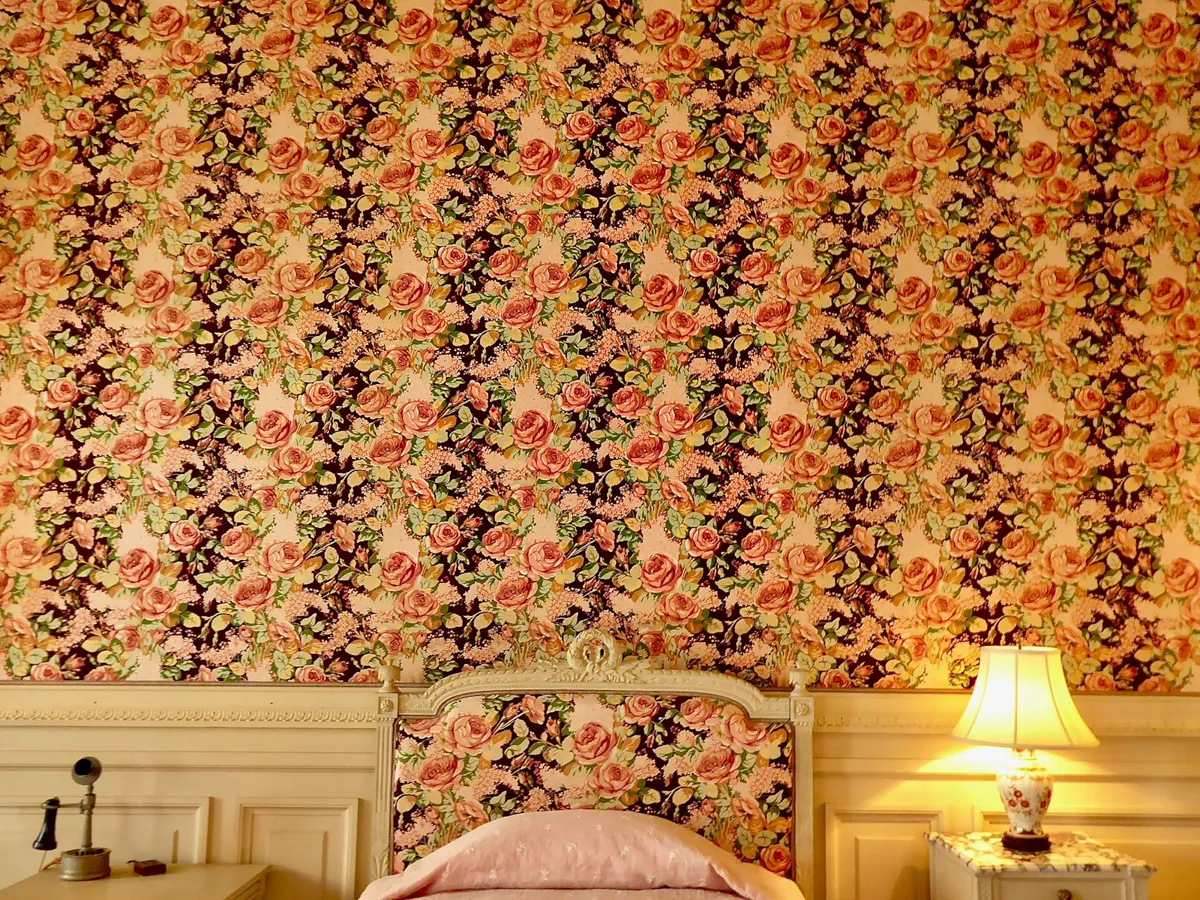
Your bedroom is more than just a place to sleep; it is a personal sanctuary, a retreat from the chaos of the outside world, and a reflection of your inner psyche. In the realm of interior design, the walls serve as a blank canvas that dictates the energy of the entire room. Integrating modern abstract wallpaper for bedroom spaces allows homeowners to break away from the monotony of flat paint and embrace a dynamic, artistic atmosphere. Unlike traditional floral or striped patterns, abstract designs evoke emotion and curiosity, providing a sophisticated edge that can either energize your mornings or soothe your evenings depending on the visual language chosen.
- The Psychology of Abstract Patterns in Sleep Spaces
- Choosing the Right Abstract Style for Your Aesthetic
- Strategic Placement and the Power of Accent Walls
- Balancing Patterns with Furniture and Textiles
- Material Selection: Peel-and-Stick vs. Traditional
- Frequently Asked Questions
The Psychology of Abstract Patterns in Sleep Spaces
Abstract art is inherently subjective, which makes it an ideal choice for a bedroom. Because there is no single ‘correct’ way to interpret an abstract form, the mind is allowed to wander and relax, which can be incredibly beneficial for circadian rhythm regulation and stress reduction. The impact of these designs largely depends on the interplay between color psychology and geometric composition.
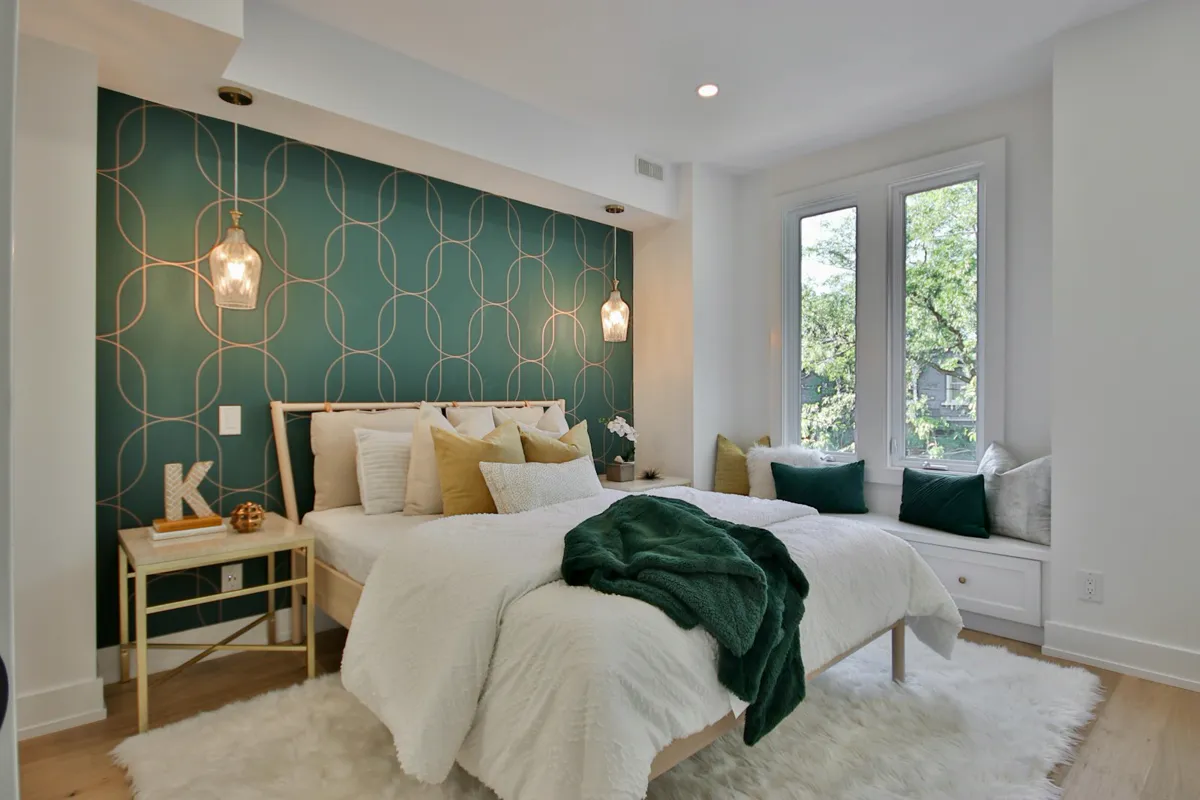
For those seeking a serene environment, fluid, organic shapes in muted tones—such as sage greens, dusty blues, or soft terracottas—mimic the patterns found in nature, like clouds or flowing water. These forms lower the heart rate and promote a sense of tranquility. Conversely, high-contrast geometric abstractions with sharp lines and bold colors can stimulate creativity and alertness. When integrating these elements into your interiors, it is vital to consider how the visual noise of the wallpaper interacts with your need for rest. By carefully selecting the scale of the pattern, you can ensure that the room feels like a curated gallery rather than an overwhelming sensory experience.
Furthermore, the use of negative space in modern abstract designs prevents a room from feeling claustrophobic. A wallpaper that balances dense artistic clusters with open, light-colored areas creates a breathing room effect, which is essential for maintaining a healthy mental state in a confined sleeping area. This thoughtful approach to decor allows the wallpaper to function as a piece of permanent art, removing the need for multiple smaller frames on the wall.
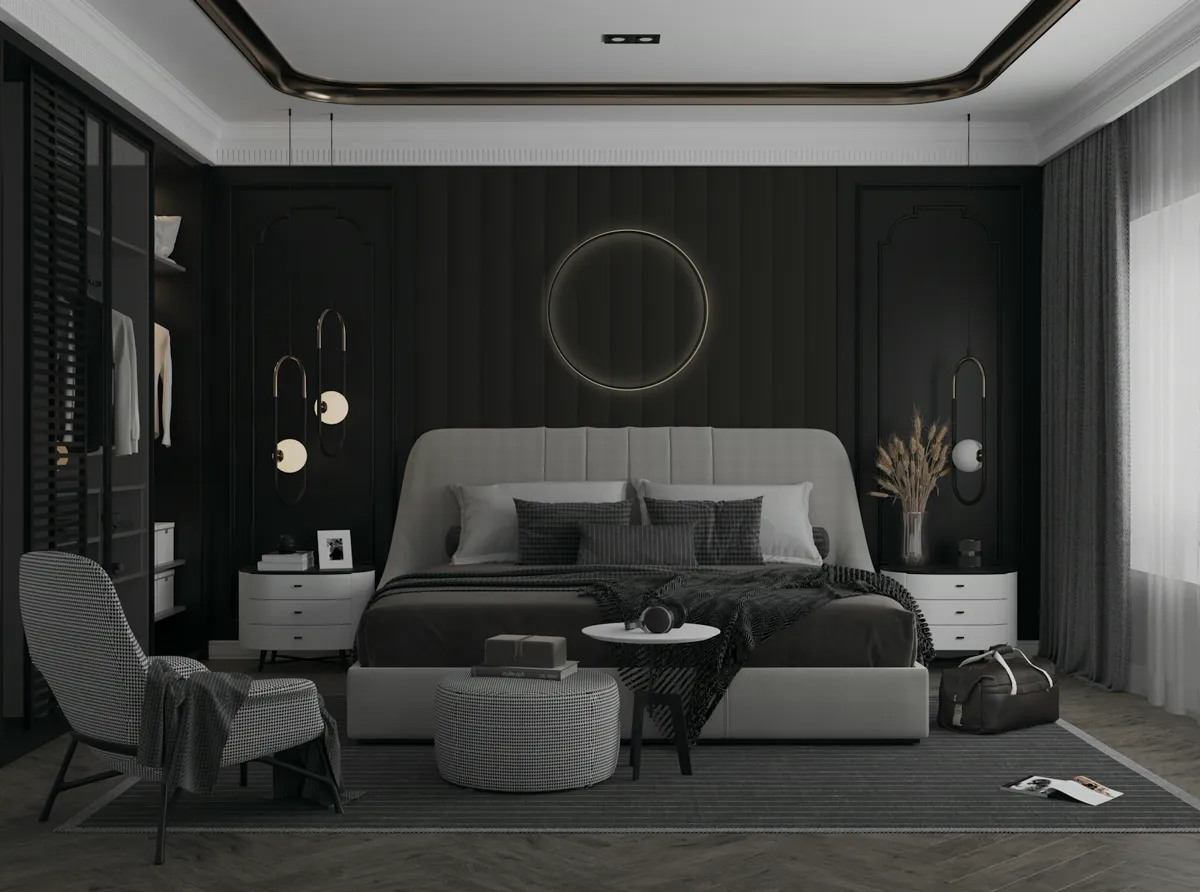
Choosing the Right Abstract Style for Your Aesthetic
Not all abstract designs are created equal. To achieve a professional look, you must align the wallpaper style with the overall architectural vibe of your home. Here are the most prominent trends in modern abstract wallcoverings:
Minimalist Line Art and Contour Drawings
Minimalism is less about the absence of design and more about the presence of intentionality. Line art wallpapers typically feature single, continuous strokes that form ambiguous faces, botanical silhouettes, or architectural curves. These are perfect for those who want a ‘modern museum’ feel. Because they often utilize a neutral palette—think black lines on a cream or beige background—they provide a sophisticated backdrop that doesn’t clash with colorful bedding or bold furniture.
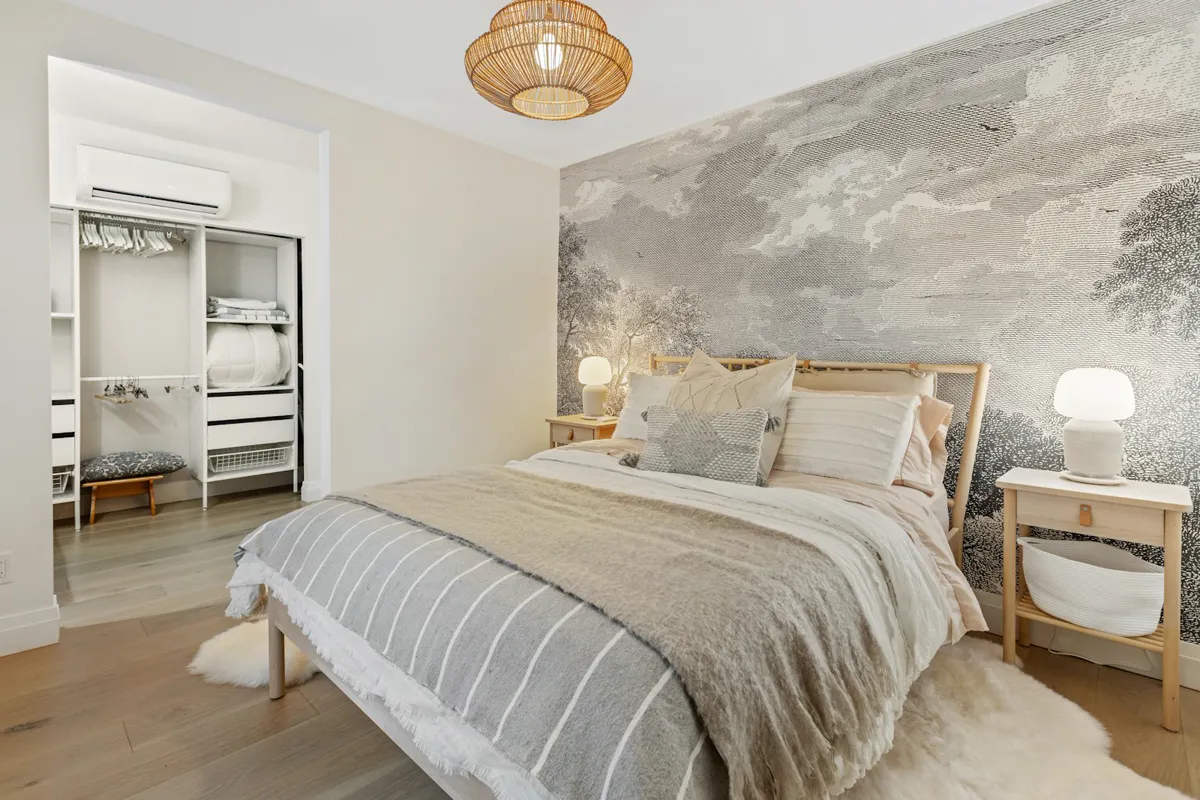
Bold Geometric Abstractions
If your bedroom is designed with a mid-century modern or industrial influence, geometric abstract wallpaper is the way to go. This style utilizes triangles, circles, and overlapping polygons to create a sense of structure and order. To avoid making the room feel too rigid, look for designs where the edges are slightly blurred or where the colors bleed into one another, adding a layer of visual depth and softness to the geometry.
Organic Fluidity and Watercolor Effects
For a more romantic or ethereal atmosphere, watercolor abstracts offer a dreamy quality. These designs often feature ‘ink bleeds’ or soft gradients that blend seamlessly. They are particularly effective in bedrooms because they lack harsh boundaries, mirroring the fluid state of dreaming. Choosing a monochromatic color scheme within a watercolor pattern can add luxury and elegance without overwhelming the senses.

Strategic Placement and the Power of Accent Walls
One of the biggest mistakes in bedroom design is the fear of commitment, leading people to either avoid wallpaper entirely or cover every single wall, which can sometimes shrink the perceived size of the room. The most effective way to utilize modern abstract wallpaper for bedroom settings is through strategic placement.
The Headboard Focal Point
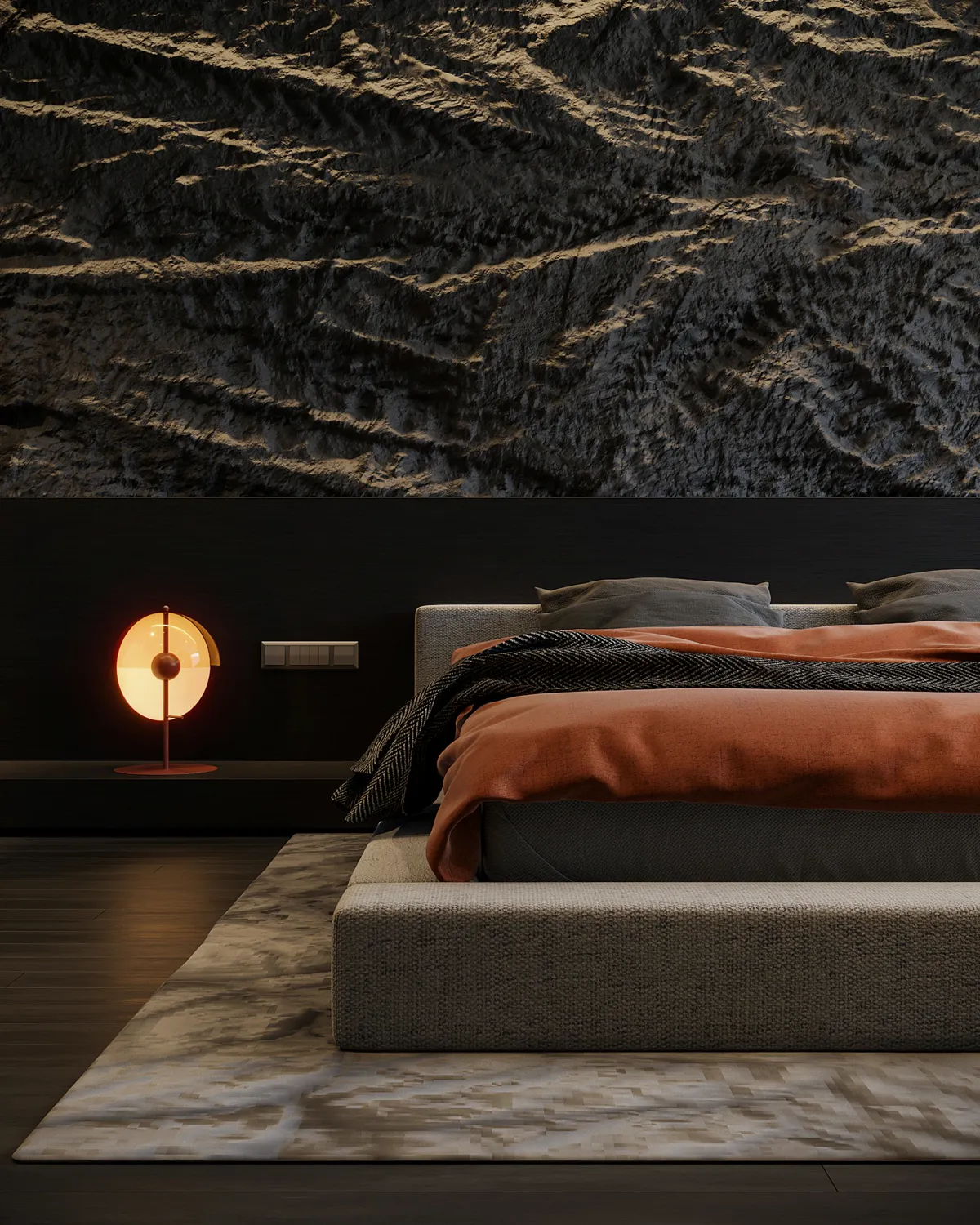
The most classic application is the accent wall behind the bed. By placing the abstract pattern on the wall where the headboard rests, you create a natural focal point. This draws the eye immediately upon entering the room and anchors the furniture. When using a bold abstract print here, keep the remaining three walls in a complementary neutral shade to allow the artwork to ‘pop’ without dominating the room’s energy.
Full-Room Immersion for Large Spaces
In expansive master suites with high ceilings, a full-room application can create a cohesive, cocoon-like feeling. The key to success here is scale. Large-scale prints work better in big rooms, as small, repetitive abstract patterns can create a ‘dizzying’ effect when applied to four walls. Ensure that your lighting—both natural and artificial—is layered to prevent the patterns from looking flat or muddy in the corners.
Zoning with Wallpaper
If your bedroom includes a reading nook or a vanity area, use wallpaper to ‘zone’ that specific section. Applying a vertical strip of abstract wallpaper behind a reading chair creates a visual boundary, effectively separating the sleeping area from the lounging area without the need for physical dividers.
Balancing Patterns with Furniture and Textiles
Once the wallpaper is installed, the challenge shifts to coordination. The goal is to create a harmonious dialogue between the walls and the rest of the room’s elements.
1. The Rule of Contrast: If your wallpaper features a complex, high-energy abstract pattern, opt for solid-colored linens and curtains. A plush, white duvet or a charcoal grey velvet headboard provides a visual ‘rest stop’ for the eyes, balancing the intensity of the walls. Conversely, if your wallpaper is a subtle, light-toned abstract, you can experiment with textured throws or patterned pillows to add layers of interest.
2. Coordinating Color Palettes: Pick one minority color from the abstract pattern and repeat it in your accessories. For example, if your wallpaper is primarily grey but has small flecks of gold or ochre, introduce gold lamps or an ochre accent pillow. This creates a semantic link throughout the room, making the design feel intentional and professional.
3. Texture Integration: Abstract patterns often create a visual texture. Complement this by adding physical textures. Pair a sleek, geometric wallpaper with a chunky knit rug or a wooden bedside table. The contrast between the ‘digital’ feel of modern prints and the ‘organic’ feel of natural materials creates a balanced, lived-in luxury.
Material Selection: Peel-and-Stick vs. Traditional
The technical aspect of wallpapering is just as important as the aesthetic. Depending on your living situation, you will need to choose between different application methods.
- Peel-and-Stick (Removable): Ideal for renters or those who like to change their style frequently. Modern self-adhesive vinyls have improved significantly, offering a matte finish that looks identical to traditional paper. They are easy to install and leave no residue, making them a low-risk way to experiment with abstract trends.
- Non-Woven Traditional Wallpaper: Best for permanent homes and high-traffic areas. Non-woven papers are more breathable and durable. They are often available in textured finishes (such as embossed linen or metallic foils), which add a tactile dimension to the abstract design that peel-and-stick options cannot match.
- Custom Wall Murals: For a truly unique look, a single-panel abstract mural is superior to repeating patterns. Murals treat the entire wall as one giant canvas, ensuring that the abstract composition is perfectly scaled to your room’s dimensions.
Conclusion
Incorporating modern abstract wallpaper for bedroom interiors is a powerful way to infuse personality and artistic flair into your most private space. Whether you lean toward the structured energy of geometric shapes or the soothing flow of watercolor gradients, the key lies in balance. By focusing on color psychology, strategic placement, and the harmony between patterns and textures, you can transform a standard bedroom into a curated sanctuary that inspires both creativity and deep relaxation. Remember, your walls are an extension of your mood—choose a design that resonates with the version of yourself you want to wake up to every morning.
Frequently Asked Questions
How do I choose the right colors for an abstract bedroom wallpaper?
Start by identifying the primary mood you want for the room. For relaxation, look for cool tones like soft blues, greens, and lavenders. For energy and warmth, opt for earth tones, muted golds, or terracotta. Always test a sample against your existing furniture under different lighting conditions (daylight vs. lamplight) to ensure the colors don’t shift unexpectedly.
Does abstract wallpaper make a small bedroom feel smaller?
Not necessarily. Large-scale, light-colored abstract patterns can actually make a room feel more expansive by drawing the eye upward and outward. Avoid dark, overly dense, and small-scale repetitive patterns, as these can create a ‘closing-in’ effect. Focus on designs with plenty of negative space to maintain an airy feel.
Which furniture styles pair best with modern abstract walls?
Minimalist and Mid-Century Modern furniture are the most natural fits. Clean lines, tapered legs, and neutral upholstery allow the abstract wallpaper to be the star of the show. However, an eclectic style also works well if you use a consistent color palette to tie the diverse furniture pieces together with the wall art.
Is peel-and-stick wallpaper a good choice for bedrooms?
Yes, especially for those who are hesitant about a permanent change. Modern peel-and-stick options are high-quality and durable. However, ensure your walls are completely smooth and primed; textured walls can cause the adhesive to bubble or peel over time.
How can I coordinate bedding with a busy abstract pattern?
The safest and most sophisticated approach is to use solid-colored bedding. Choose a shade that is already present in the wallpaper’s palette. If you want more variety, introduce a subtle texture (like waffles or linen) rather than another pattern, which prevents the room from looking cluttered.
Related posts:


Drawn to these shapes and colours? Abstract Wallpaper Beige and Black: Elevate Your Visual Space explores a nearby corner of the same abstract world.
Share this page with a fellow art lover looking for their next wallpaper.
