
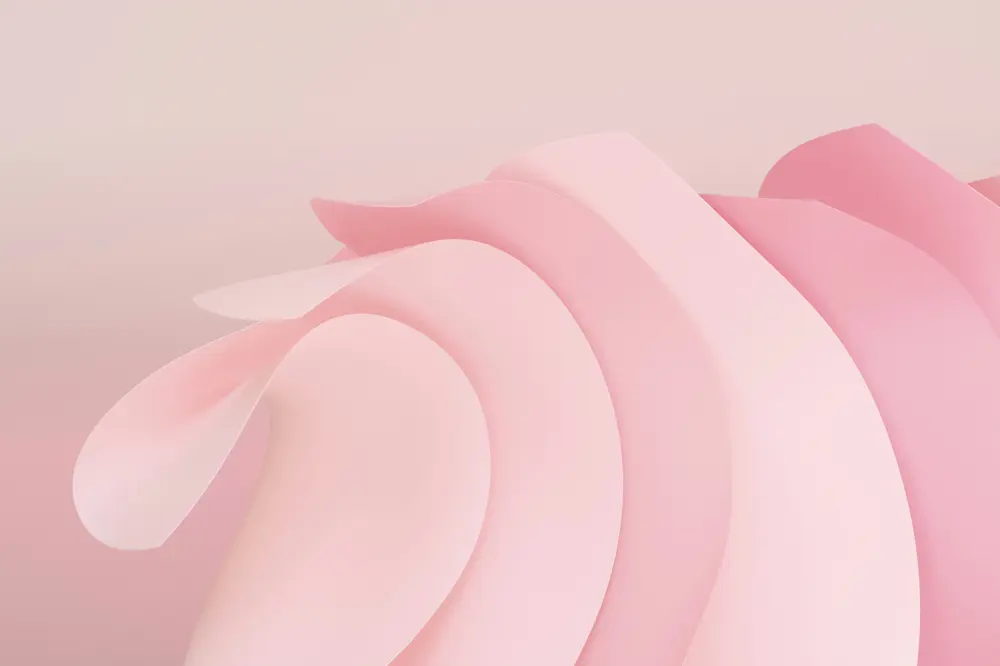
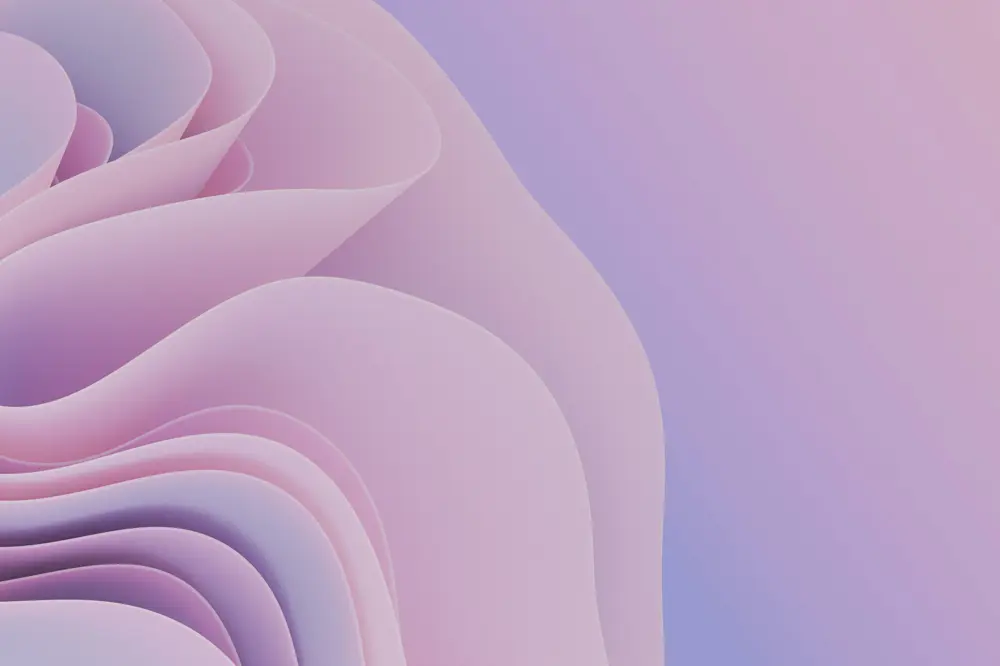
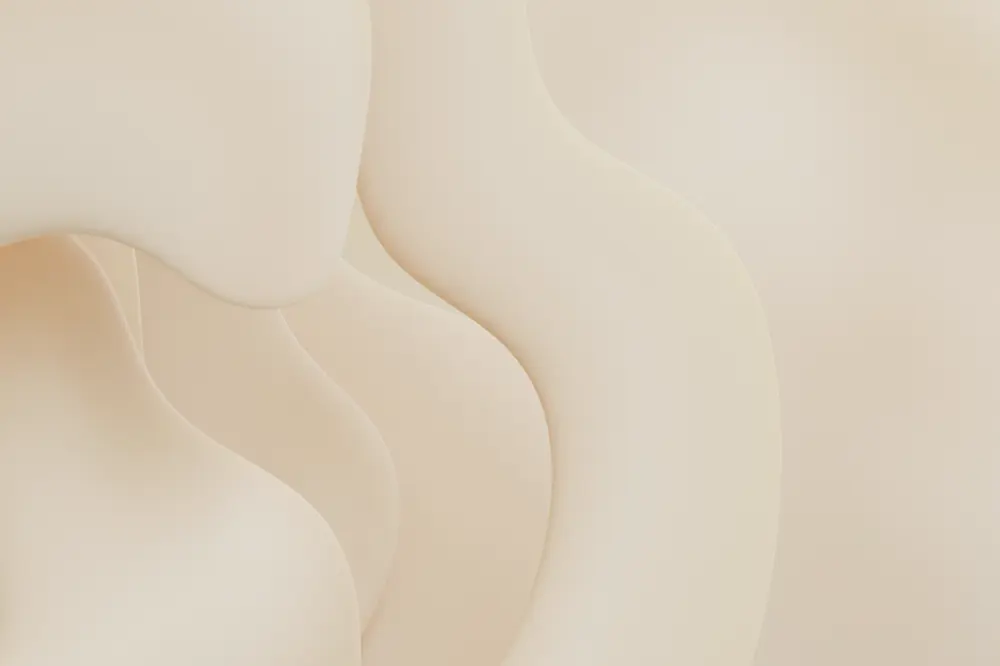
In the ever-evolving landscape of digital art, the 3D pink abstract illustration has emerged as a powerhouse of visual communication. Moving beyond simple decoration, these visuals blend mathematical precision with emotional resonance, creating a bridge between the surreal and the tangible. Whether it is a floating iridescent sphere or a complex, flowing ribbon of magenta, the use of pink in three-dimensional space evokes a specific set of psychological responses that brands and artists are increasingly leveraging to capture attention in a crowded digital marketplace.
- The Psychology of Pink in 3D Spaces
- Essential Tools for Creating Abstract 3D Art
- Core Design Principles for Abstract Illustrations
- Practical Applications in Modern Branding
- Future Trends in Digital Surrealism
- Frequently Asked Questions
The Psychology and Impact of Pink in 3D Art
Color is never just an aesthetic choice; it is a psychological trigger. In the realm of digital aesthetics, pink occupies a unique position. Historically associated with softness and femininity, the modern 3D interpretation of pink has expanded to include cyberpunk neons, sophisticated pastels, and deep, moody magentas. When these colors are applied to 3D forms, they create a sense of depth and luminosity that flat design simply cannot achieve.
The transition from a flat pink hue to a 3D gradient allows for the play of light and shadow, which adds a layer of realism to otherwise impossible shapes. This contrast creates a ‘tactile’ feeling, making the viewer almost feel the surface of the illustration. Integrating these elements into a broader design strategy can help a brand appear more innovative and approachable. Furthermore, when combined with a professional branding approach, pink abstract art can signal creativity, luxury, and futuristic thinking.
Emotional Resonance and User Perception
Depending on the shade, a 3D pink abstract illustration can convey vastly different messages. A soft, blush-pink organic shape often suggests tranquility, health, and wellness, making it a staple in the beauty and skincare industries. On the other hand, a vibrant, electric pink neon structure suggests energy, nightlife, and technological disruption. This versatility allows designers to manipulate user emotion by simply adjusting the saturation and luminosity of their renders.
Essential Tools for Creating Abstract 3D Art
Creating high-quality 3D abstract art requires a combination of technical skill and artistic intuition. The industry has shifted toward tools that offer both procedural generation and manual sculpting, allowing artists to create shapes that would be impossible to draw by hand.
Blender: The Open Source Powerhouse
For many artists, Blender is the primary tool for generating 3D abstract illustrations. Its powerful geometry nodes allow for the creation of complex, repeating patterns and organic growths. By utilizing the Cycles render engine, artists can achieve photorealistic lighting and materials, ensuring that the pink gradients look seamless and natural.
Cinema 4D and Octane Render
In high-end commercial work, Cinema 4D is often the gold standard due to its stability and intuitive MoGraph tools. When paired with Octane Render or Redshift, the result is a stunning level of detail in refraction and reflection. This is particularly important for pink illustrations that use glass-like or metallic materials, as the way pink light bounces off a surface (global illumination) defines the overall mood of the piece.
Adobe Dimension and Spline
For those who are not full-time 3D artists, tools like Adobe Dimension or the web-based Spline allow for the integration of 3D elements into a 2D workflow. Spline, in particular, has revolutionized how we view interactive 3D art on the web, allowing pink abstract shapes to react to mouse movements or scroll triggers, thereby increasing user engagement.
Core Design Principles for Abstract Illustrations
An abstract illustration can easily become visual noise if not grounded in fundamental design principles. To create a 3D pink abstract illustration that feels intentional and professional, one must focus on composition, lighting, and material science.
Balance and Negative Space
The most successful abstract pieces use negative space to allow the eye to rest. Instead of filling the entire frame with complex pink shapes, creating a focal point surrounded by a neutral or contrasting background emphasizes the form. Asymmetry often works better in abstract art, as it creates a sense of movement and dynamism, suggesting that the illustration is a ‘snapshot’ of a constantly evolving form.
Lighting and Volumetrics
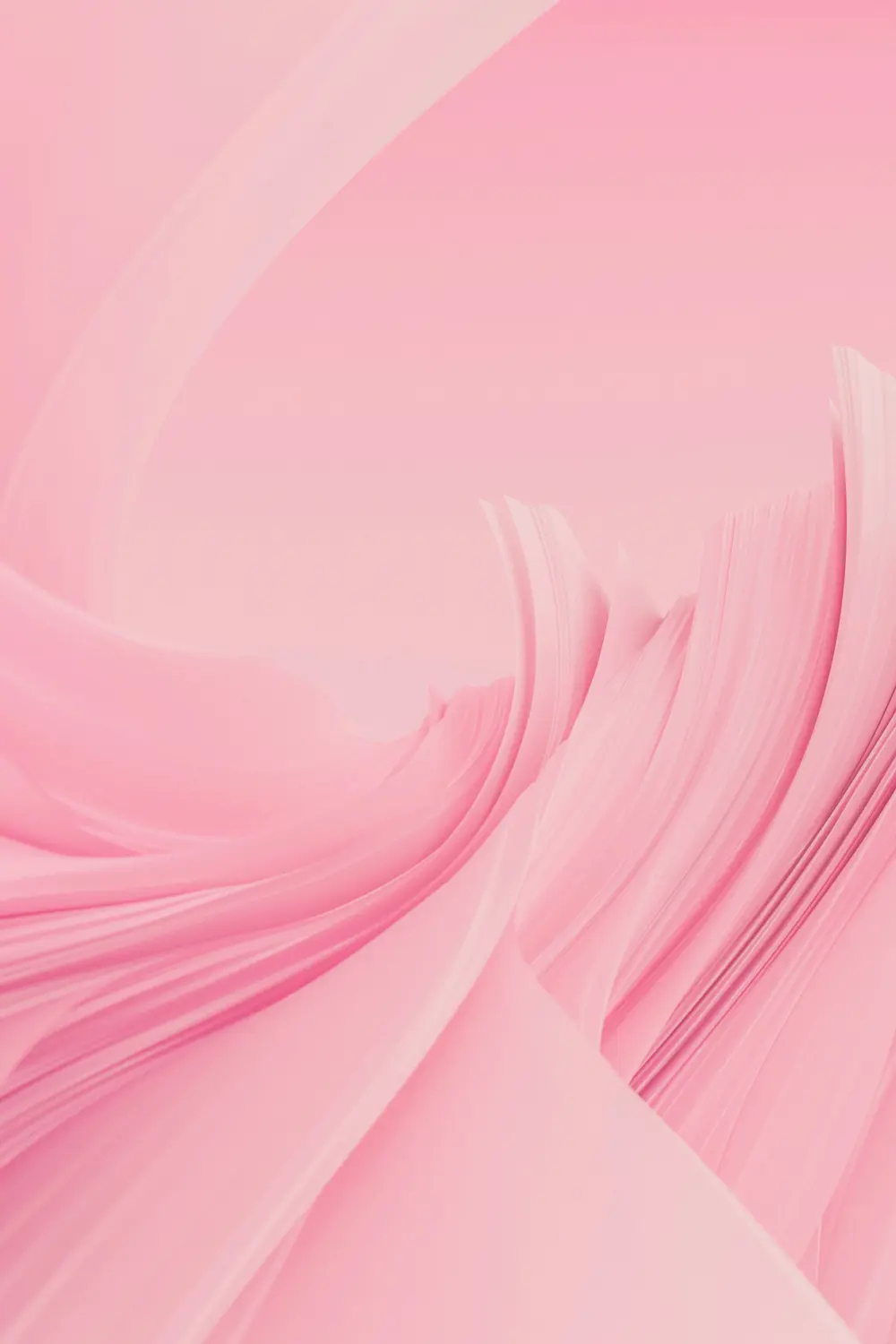
Lighting is what transforms a 3D model into a piece of art. Using three-point lighting or HDRI environments helps define the contours of the pink shapes. Volumetric lighting—where light interacts with dust or haze—can add a dreamy, ethereal quality to the illustration, enhancing the ‘surreal’ aspect of the abstract composition.
Materiality and Texture
The choice of material drastically changes the perception of the color pink. A matte finish absorbs light, creating a soft, modern look. A glossy or chrome finish reflects the environment, creating high-contrast highlights that make the pink pop. Experimenting with ‘subsurface scattering’ (the way light penetrates a surface, like in wax or skin) is essential for creating those soft, glowing pink shapes that feel organic and alive.
Practical Applications in Modern Branding
Why are so many companies adopting 3D pink abstract visuals? The answer lies in the need for a visual language that transcends borders and languages. Abstract art is universal; it communicates a mood rather than a specific object.
Web Design and Landing Pages
In modern UI/UX design, 3D abstracts are often used as hero images. A floating pink abstract shape can act as a visual anchor, drawing the user’s eye toward a call-to-action button. Because these visuals are not tied to specific products, they allow a company to pivot its offerings without needing to replace all its imagery.
Social Media and Visual Storytelling
On platforms like Instagram and TikTok, high-contrast 3D art performs exceptionally well. The vibrant nature of pink gradients stops the scroll. Brands use these illustrations to create a consistent ‘vibe’ or aesthetic identity that feels cutting-edge and digitally native.
Product Packaging and Physical Media
The trend has moved from the screen to the shelf. We are seeing 3D abstract renders printed on holographic packaging or used in minimalist product boxes. The contrast between a physical product and a digital, abstract representation of that product’s essence creates a sophisticated brand narrative.
Future Trends in Digital Surrealism
As we move toward the metaverse and augmented reality (AR), the 3D pink abstract illustration will evolve from a static image into an immersive experience. We can expect to see more ‘generative art’ where AI algorithms create infinite variations of pink abstract forms in real-time.
The integration of haptic feedback will also play a role, where users can ‘feel’ the textures of these 3D shapes through their devices. The boundary between the digital and physical will continue to blur, with pink remaining a dominant color due to its ability to feel both human and synthetic simultaneously.
Conclusion
The 3D pink abstract illustration is more than just a trend; it is a sophisticated tool for emotional and visual communication. By combining the psychological power of the color pink with the depth and complexity of 3D rendering, designers can create visuals that are not only beautiful but strategically effective. Whether you are using Blender to craft organic flows or leveraging Spline for interactive web elements, the key lies in balancing technical execution with a deep understanding of composition and color theory.
Frequently Asked Questions
How do I choose the right shade of pink for my 3D illustration?
The choice depends on the emotion you want to evoke. Use soft pastels for wellness and trust, vibrant magentas for energy and luxury, and neon pinks for tech-forward or futuristic themes. Always test your pinks against a neutral background (like dark grey or off-white) to ensure they don’t clash.
Which 3D software is best for beginners wanting to create abstract art?
Blender is highly recommended because it is free, open-source, and has a massive community. For those who prefer a more streamlined, web-based experience without a steep learning curve, Spline is an excellent starting point for creating interactive 3D shapes.
How can I prevent my 3D abstract art from looking ‘cheap’ or dated?
Focus on lighting and materials. Avoid using default shaders. Instead, experiment with subsurface scattering, realistic roughness maps, and global illumination. A subtle grain or noise filter added in post-production can also give the image a more cinematic, professional feel.
Where can I find inspiration for 3D abstract compositions?
Look toward architecture (Zaha Hadid), nature (microscopic views of cells), and contemporary digital galleries on Behance or ArtStation. Studying how light interacts with fluid dynamics in real life can also provide great ideas for abstract 3D flows.
How do I optimize large 3D renders for fast website loading?
Instead of using heavy 4K PNGs, consider converting your renders to WebP format. For interactive 3D, use glTF or GLB formats, which are optimized for the web. If the image is static, use a CDN to serve the image and implement lazy loading to ensure the page speed remains high.
Related posts:
Abstract work rewards a second look — browse more of 3d-illustration when you are ready for a new backdrop.
Bookmark this set for the next time your screen needs a new mood.
