
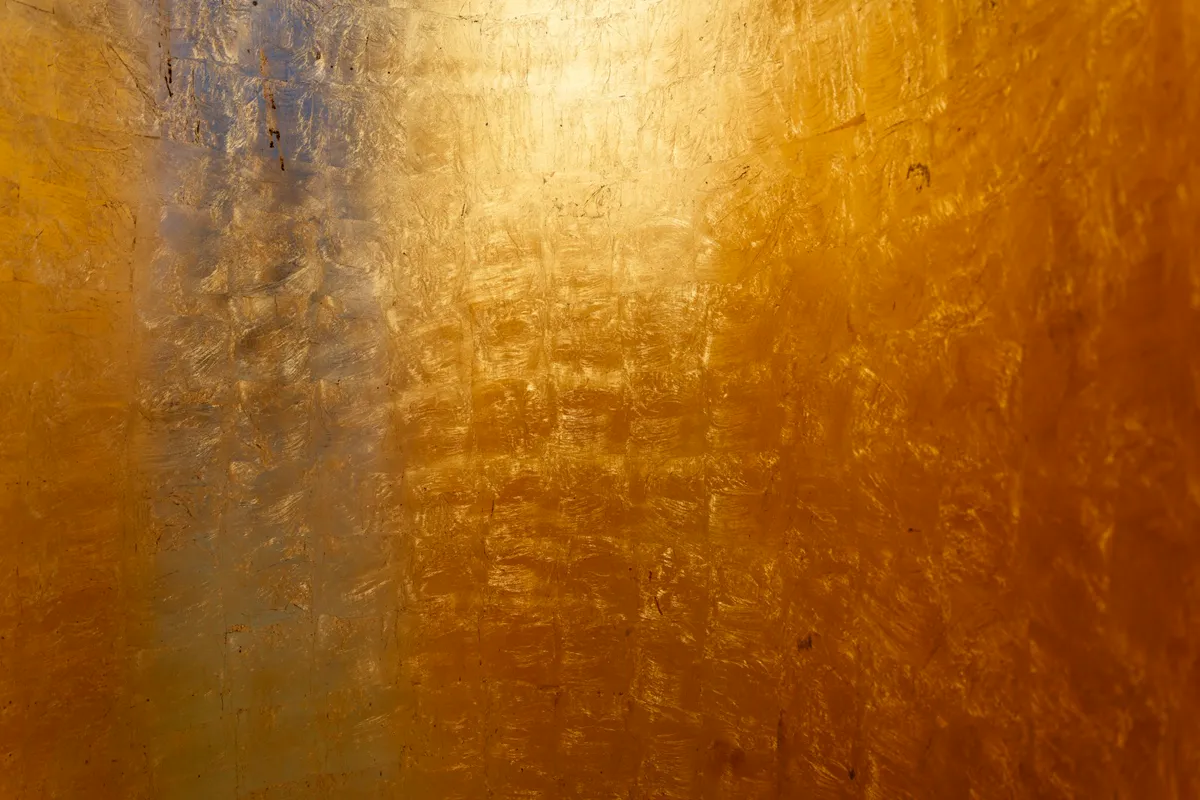
The Allure of Textured Bronze Abstract Textures
In the world of visual design, few materials evoke as much sophistication and timelessness as bronze. A textured bronze abstract texture is more than just a surface finish; it is a dialogue between industrial strength and organic decay. Whether it is the deep, weathered patina of an ancient sculpture or the sleek, brushed finish of a modern skyscraper, the interplay of light and shadow on metallic surfaces creates a depth that flat colors simply cannot replicate.
The fascination with bronze lies in its versatility. It can appear opulent and regal or raw and rustic. When translated into an abstract texture, it strips away the form and focuses entirely on the tactile quality and chromatic richness of the metal. For artists, architects, and digital creators, mastering this aesthetic allows for the creation of spaces and visuals that feel grounded yet luxurious.
- The Visual Psychology of Bronze
- Common Types of Bronze Textures
- Integrating Bronze into Architectural Design
- Digital Techniques for Creating Metallic Textures
- Pairing Bronze with Complementary Materials
- Preserving and Maintaining Physical Bronze Surfaces
The Visual Psychology of Bronze
Bronze occupies a unique space in our psychological perception of materials. Unlike gold, which often symbolizes pure wealth and extravagance, or silver, which feels sterile and futuristic, bronze suggests heritage, endurance, and wisdom. The warm, earthy undertones of a bronze texture evoke a sense of stability and comfort.
When we encounter an abstract bronze texture, our brains often associate it with the passage of time. This is primarily due to oxidation—the natural process where the metal reacts with oxygen and moisture to create a patina. This layering of greens, browns, and deep blacks tells a story of resilience. In modern branding and interior design, this is leveraged to create a sense of ‘established authority’ or ‘authentic craftsmanship’.
Common Types of Bronze Textures
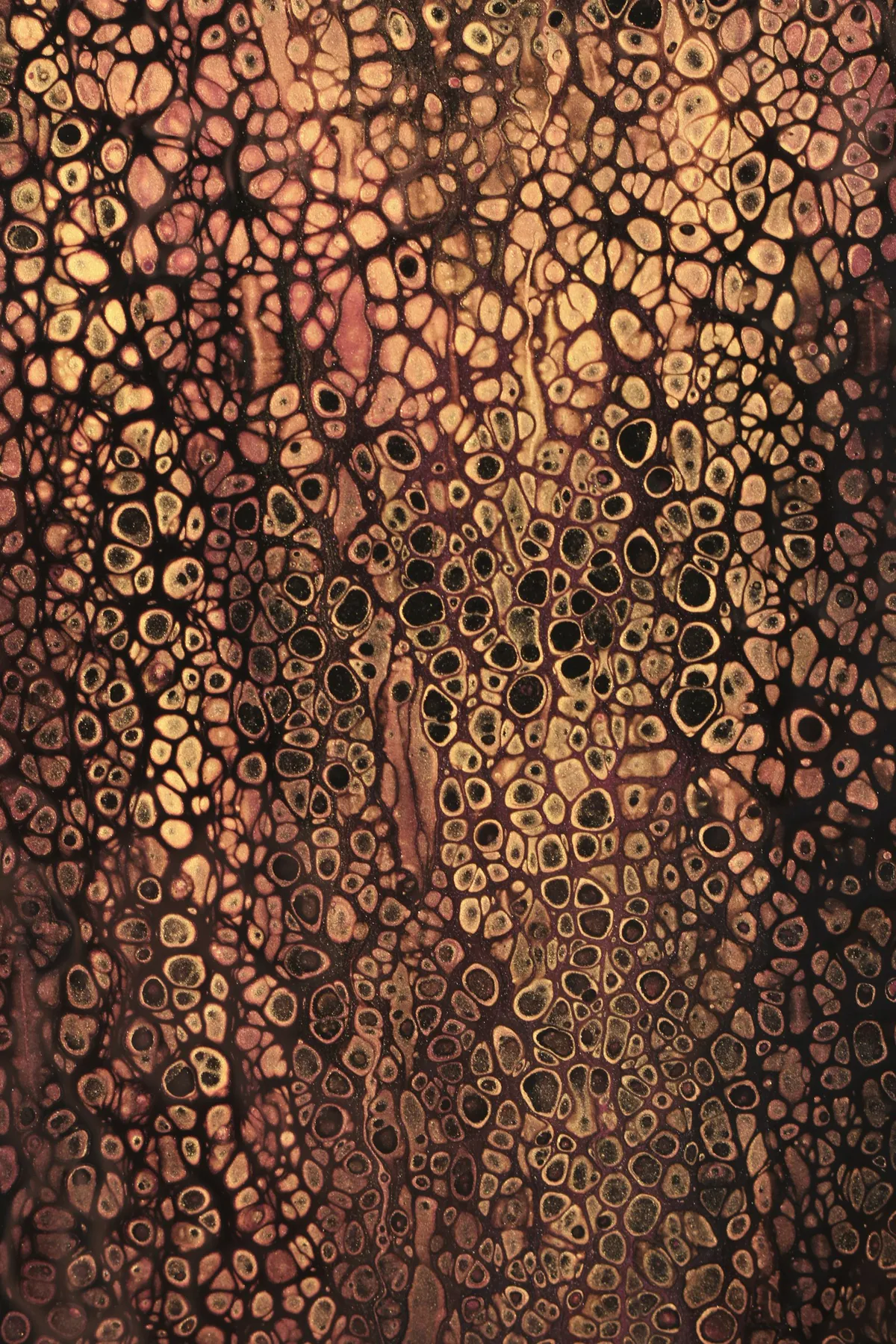
Understanding the different variations of this material is essential for achieving a specific mood. To dive deeper into these visual styles, exploring the broader world of modern aesthetic trends can provide additional context. Similarly, understanding the fundamentals of visual texture helps in choosing the right finish for a project, while studying interior decor allows you to see these materials in a real-world setting.
Brushed Bronze
Brushed bronze is characterized by fine, directional lines created by sanding the surface. This texture is highly prized in contemporary minimalism because it diffuses light rather than reflecting it sharply. It reduces the visibility of fingerprints and scratches, making it a practical choice for high-touch surfaces like door handles and kitchen fixtures.
Hammered Bronze
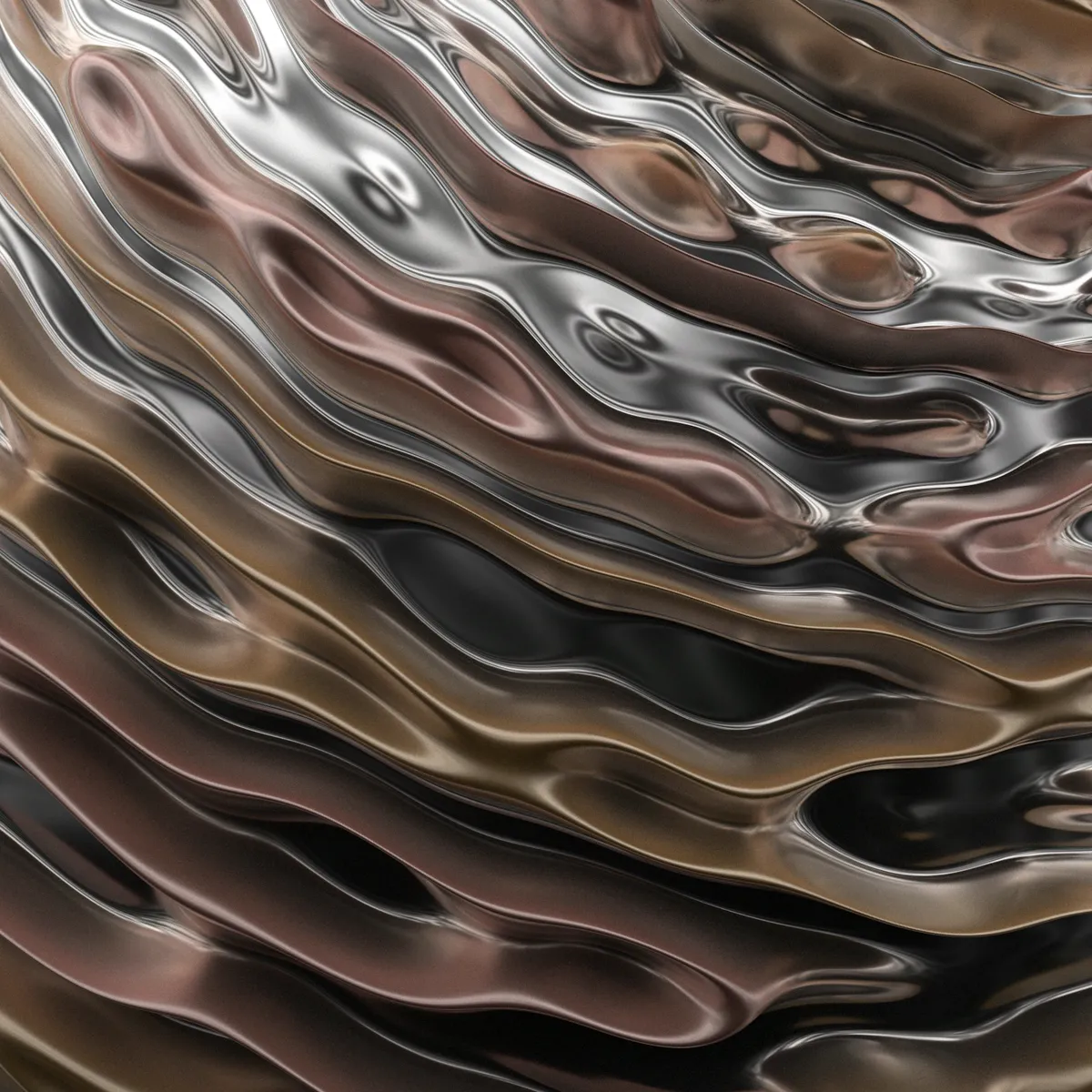
The hammered texture is a testament to artisanal skill. By creating small, concave indentations across the surface, the metal reflects light in multiple directions. This creates a dynamic visual energy and a rhythmic pattern that feels organic and handcrafted. It is frequently used in luxury lighting and high-end cookware.
Oxidized and Patinated Bronze
This is where the ‘abstract’ nature of the texture truly shines. Through chemical treatments or natural aging, bronze develops a verdigris (greenish) or dark brown crust. These textures are non-uniform, featuring splotches, streaks, and gradients that mimic natural stone or weathered wood. This style is ideal for those seeking a Wabi-sabi approach to design, celebrating the beauty of imperfection.
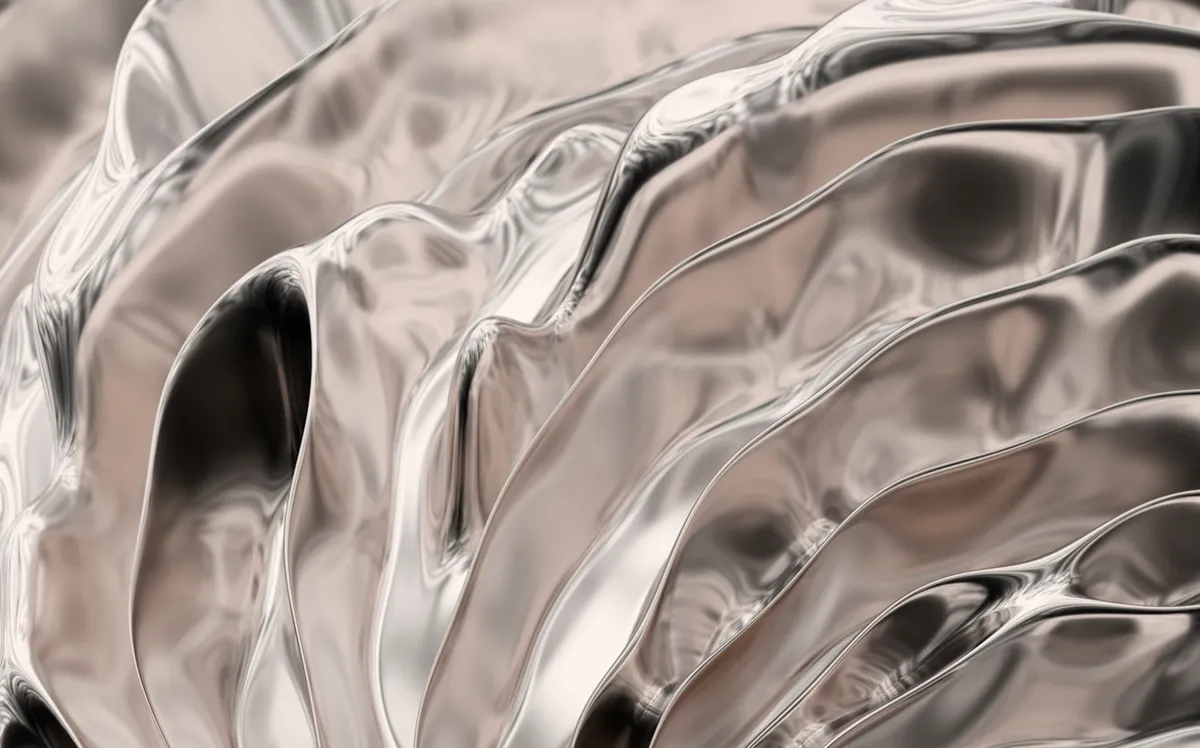
Polished Bronze
A mirror-like finish that emphasizes the golden-brown hue of the metal. While less ‘abstract’ in terms of surface variation, the way it reflects the surrounding environment creates a complex, shifting visual texture that changes based on the viewer’s perspective.
Integrating Bronze into Architectural Design
In architecture, a textured bronze abstract texture is often used to create focal points within a larger, neutral space. Because bronze is visually ‘heavy,’ it is most effective when used as an accent rather than a primary material.
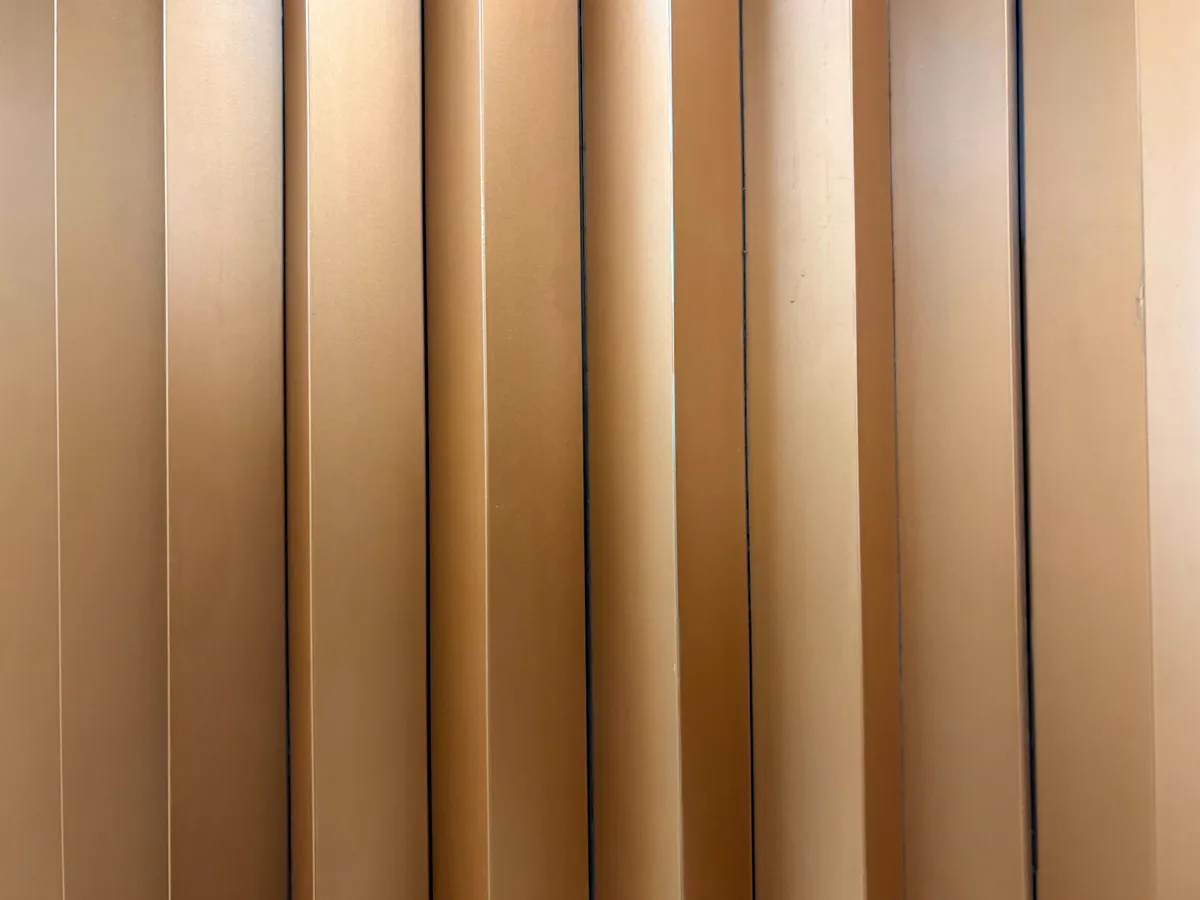
Facade Cladding: Many modern buildings use bronze-colored aluminum or treated bronze panels to create a warm exterior. When these panels feature an abstract, brushed, or weathered texture, they break up the monotony of glass and concrete, giving the structure a more human, approachable feel.
Accent Walls: In interior architecture, bronze-leafing or metallic plaster can be used to create abstract murals. By layering different shades of metallic pigments, designers can create a sense of atmospheric depth, making a room feel larger and more opulent.
Digital Techniques for Creating Metallic Textures
For digital artists and 3D modelers, recreating the look of textured bronze requires a deep understanding of PBR (Physically Based Rendering) workflows. To make a bronze texture look realistic, one must manipulate several maps simultaneously.
- Albedo Map: This defines the base color. For bronze, this is a range of deep oranges, browns, and gold. To make it abstract, artists add ‘noise’ or ‘grunge’ layers to simulate wear.
- Roughness Map: This is the most critical map for bronze. By varying the roughness, artists can define which parts of the metal are polished (low roughness) and which are oxidized or dusty (high roughness).
- Metallic Map: This tells the render engine that the surface is conductive, ensuring the reflections behave like metal rather than plastic.
- Normal/Bump Map: This creates the illusion of physical depth, such as the pits in hammered bronze or the ridges of a brushed finish.
By layering these maps, a digital artist can create a hyper-realistic abstract texture that reacts dynamically to virtual lighting, providing the same emotional weight as a physical piece of metal.
Pairing Bronze with Complementary Materials
The secret to using a textured bronze abstract texture successfully is contrast. Because bronze is warm and rich, it pairs best with materials that either balance its heat or enhance its luxury.
Bronze and Matte Black
This is a classic industrial combination. The starkness of matte black absorbs light, which allows the metallic shimmer of the bronze to pop. This pairing is common in industrial loft designs and modern furniture.
Bronze and Natural Stone
Pairing bronze with white marble or grey slate creates a timeless, museum-like quality. The organic veins of the marble complement the irregular patterns of an oxidized bronze texture, bridging the gap between the geological and the metallurgical.
Bronze and Deep Jewel Tones
Emerald green, navy blue, and royal purple provide a high-contrast backdrop that enhances the golden qualities of bronze. This combination is often seen in Art Deco inspired interiors, evoking a sense of glamour and sophistication.
Preserving and Maintaining Physical Bronze Surfaces
Whether you are dealing with a piece of art or an architectural element, maintaining a bronze texture requires a balance between protection and allowing the material to age.
For those who want to preserve a specific state of polish, microcrystalline wax is the gold standard. It creates a thin, transparent barrier that protects the metal from moisture and oils without altering the visual texture. For those who embrace the abstract nature of patina, simply cleaning the surface with a soft, dry cloth is sufficient, allowing the oxidation process to continue naturally over the decades.
Conclusion
The textured bronze abstract texture is a powerful tool in the visual lexicon. It bridges the gap between the ancient and the modern, the industrial and the organic. By understanding the psychological impact of its warmth, the technical variety of its finishes, and the strategic ways to pair it with other materials, designers can create works that feel both grounded and transcendent. Whether in a digital render or a physical installation, bronze remains a symbol of enduring beauty and sophisticated complexity.
Frequently Asked Questions
What is the main difference between bronze and brass textures?
While both are alloys, bronze typically has a deeper, warmer, and more reddish-brown tone, whereas brass is more yellow and golden. In terms of texture, bronze is more prone to developing a rich, green verdigris patina, which makes it more popular for abstract, weathered looks compared to the cleaner, brighter oxidation of brass.
How can I achieve a realistic weathered bronze effect in digital art?
The key is to use a combination of a grunge map in the roughness channel and a color-gradient map in the albedo channel. By layering deep browns with splashes of turquoise or sea-foam green in the ‘recessed’ areas of your texture, you can simulate the natural accumulation of oxidation.
Which colors best complement a textured bronze finish?
Bronze pairs exceptionally well with cool-toned neutrals like charcoal grey, slate, and crisp white. For a bolder look, deep jewel tones such as forest green or midnight blue create a luxurious contrast that highlights the warmth of the metal.
Is a brushed bronze texture better than a polished one for high-traffic areas?
Yes, brushed bronze is generally superior for high-traffic areas. The linear texture helps hide fingerprints, smudges, and minor surface scratches that would be immediately visible on a polished, mirror-like surface.
How do I stop a bronze texture from oxidizing further?
To halt the oxidation process, you must seal the surface from oxygen and moisture. Applying a high-quality clear lacquer or a specialized microcrystalline wax is the most effective way to ‘lock in’ the current look of the bronze and prevent further patina development.
Related posts:
If this set speaks to you, Metal Black Abstract Wallpaper: The Ultimate Guide to Dark Aesthetics continues the abstract-metal conversation in a new direction.
Share this page with a fellow art lover looking for their next wallpaper.
