

The modern digital workspace is more than just a tool for productivity; it is a reflection of personal style and a sanctuary for creativity. For years, static images served as the backdrop of our computing experience, but the emergence of abstract animated wallpaper 4K has transformed the screen into a living canvas. These high-resolution motion backgrounds do not merely occupy space; they shift the atmosphere of a room, reduce mental fatigue through subtle movement, and showcase the raw power of contemporary hardware. Whether you are a creative professional seeking inspiration or a tech enthusiast wanting to push your GPU to its limits, integrating dynamic art into your desktop environment offers a sophisticated blend of aesthetics and technology.
- The Psychological Appeal of Motion Backgrounds
- Technical Requirements for 4K Animation
- Popular Styles of Abstract Motion Art
- Optimizing System Performance for Live Wallpapers
- Recommended Software for Animated Backgrounds
- Final Thoughts on Digital Aesthetics
The Psychological Appeal of Motion Backgrounds
Why move away from the stability of a static image? The allure of abstract animated wallpaper 4K lies in its ability to mimic the organic flow of the real world. Static images can become invisible over time, a phenomenon known as sensory adaptation. In contrast, subtle, looping animations keep the visual cortex engaged without becoming a distraction. When these animations are abstract—meaning they lack a concrete subject—they allow the mind to wander, fostering a state of soft fascination that is often linked to stress reduction and improved cognitive recovery.

Integrating these visuals into your setup allows for a higher degree of customization that transcends simple color choices. A slow-moving fluid simulation in deep blues and purples can create a calming effect during high-stress work hours, while vibrant, high-energy geometric shifts can stimulate focus and energy during creative brainstorming sessions. By treating the desktop as a piece of digital art, users can curate an emotional response to their technology, turning a cold machine into a warm, breathing environment.
Technical Requirements for 4K Animation
To truly appreciate abstract animated wallpaper 4K, one must understand the technical overhead involved. A 4K resolution (3840 x 2160 pixels) contains significantly more data than standard HD. When that image is animated, the system must render thousands of frames per minute, often in a seamless loop. This process relies heavily on the GPU (Graphics Processing Unit) rather than the CPU.

The primary technical considerations include VRAM (Video RAM) and Refresh Rates. For a smooth experience, 60 frames per second (fps) is the baseline; however, users with 120Hz or 144Hz monitors will notice a profound difference in the fluidity of motion. If the wallpaper’s frame rate does not match the monitor’s refresh rate, users may experience screen tearing or micro-stuttering, which defeats the purpose of a relaxing abstract background. Furthermore, the bitrate of the video file plays a crucial role; a low bitrate in a 4K file leads to compression artifacts, particularly in smooth gradients, which are common in abstract art.
Hardware Recommendations for Seamless Motion
To run these backgrounds without compromising the performance of your primary applications, a dedicated GPU is highly recommended. Integrated graphics can handle basic loops, but complex generative art or 4K fluid simulations require dedicated memory to avoid system lag. Ensuring that your drivers are up to date is also critical, as many wallpaper engines utilize hardware acceleration to offload processing from the main system thread.

Popular Styles of Abstract Motion Art
Abstract art is a broad spectrum, and when translated into motion, it opens up several distinct visual languages. Choosing the right style depends on the intended mood of your workspace. Many users prefer art that complements their physical desk setup, matching the RGB lighting of their peripherals with the hues of their wallpaper.
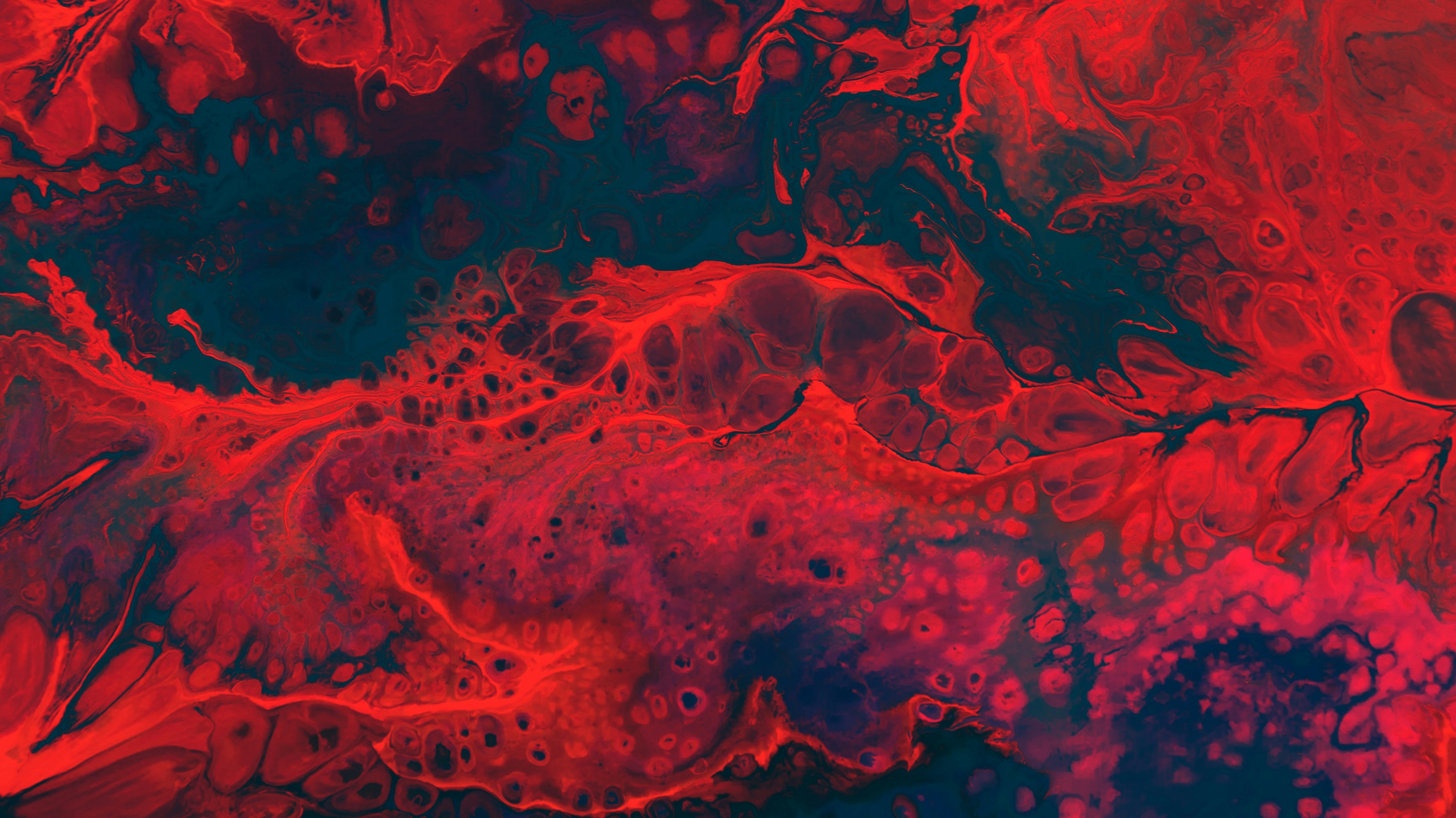
- Fluid Simulations: These mimic the movement of ink in water or molten lava. They are characterized by organic, swirling patterns and smooth transitions, making them ideal for relaxation.
- Geometric Minimalism: This style uses clean lines, shifting polygons, and mathematical precision. It often evokes a sense of order and modernity, perfect for professional environments.
- Synthwave and Vaporwave: Defined by neon pinks, cyans, and 80s-inspired grids, these animated backgrounds provide a nostalgic yet futuristic energy.
- Generative Noise and Particles: Using algorithms like Perlin noise, these wallpapers create evolving clouds of particles or shimmering fields of light that never repeat exactly the same way twice.
The effectiveness of abstract animated wallpaper 4K often depends on the balance between movement and stillness. The most successful designs utilize ambient motion—movements that are slow enough to be ignored during deep work but captivating enough to be noticed during a break.

Optimizing System Performance for Live Wallpapers
A common concern for users is whether a live wallpaper will slow down their computer. While 4K animations are resource-intensive, modern software provides several optimization toggles to mitigate performance hits. The key is to manage how the wallpaper interacts with other open windows.
The most effective optimization is the ‘Pause’ function. High-quality wallpaper engines allow the animation to freeze entirely whenever another application is maximized or in full-screen mode. This ensures that 100% of your GPU resources are dedicated to your game or professional software, with the wallpaper only resuming when you return to the desktop. Additionally, lowering the playback quality slightly (e.g., from Ultra to High) can significantly reduce VRAM usage without a noticeable loss in visual fidelity on most screens.

Another tip is to monitor CPU spikes. Some poorly optimized animated wallpapers run as heavy background processes. Choosing wallpapers in MP4 or WebM formats is generally more efficient than those running as real-time scripts, as video files are easier for the hardware to decode using built-in acceleration.
Recommended Software for Animated Backgrounds
To implement abstract animated wallpaper 4K, you need a bridge between the video file and the Windows or macOS desktop. Several industry-standard tools have emerged to handle this seamlessly.
Wallpaper Engine
Widely considered the gold standard, this software offers a massive community library. It supports interactive wallpapers that react to mouse movements or audio cues, adding another layer of depth to the abstract experience. Its ability to customize colors and playback speeds makes it a powerhouse for those who want a tailored look.
Lively Wallpaper
For those seeking an open-source alternative, Lively Wallpaper is an excellent choice. It is lightweight and allows users to set virtually any video, GIF, or even a webpage as their background. It integrates well with system resources and provides a clean, modern interface for managing multiple backgrounds.
Rainmeter
While not a wallpaper engine in the traditional sense, Rainmeter is often used in conjunction with animated backgrounds. It allows users to overlay functional skins—such as CPU monitors, clock widgets, and weather updates—over their 4K abstract loops, creating a fully integrated command center on the desktop.
Final Thoughts on Digital Aesthetics
The shift toward abstract animated wallpaper 4K represents a broader trend in how we perceive our relationship with technology. No longer are we satisfied with static, lifeless interfaces. By embracing motion, depth, and high resolution, we turn our screens into portals of inspiration. The combination of a powerful GPU, the right software, and a carefully chosen abstract style can transform a mundane computer into a sophisticated piece of digital installation art, proving that functionality and beauty can coexist in the palm of our hands.
Frequently Asked Questions
Do animated wallpapers drain laptop battery significantly?
Yes, they generally consume more power than static images because the GPU must constantly render frames. However, using the ‘pause when focused’ setting and reducing the frame rate to 30fps can significantly minimize the impact on battery life.
What is the difference between a live wallpaper and a video background?
A video background is a simple looping movie file. A live wallpaper can be more complex, incorporating interactive elements, real-time clock data, or generative algorithms that change based on the time of day or user input.
How do I ensure a 4K animation doesn’t lag my system?
The best way is to enable Hardware Acceleration in your wallpaper software and set the application to pause whenever other windows are maximized. Additionally, ensure your VRAM is not being maxed out by other background apps.
Where can I find high-quality royalty-free abstract loops?
Websites like Pexels, Pixabay, and specialized digital art communities often provide 4K motion backgrounds. For a more curated experience, the Steam Workshop for Wallpaper Engine is the largest repository of community-created abstract art.
Can 4K animated wallpapers be used on dual-monitor setups?
Yes, most modern software allows you to either stretch a single ultra-wide 4K animation across both screens or assign a different abstract loop to each monitor for a varied visual experience.
Related posts:

One collection down, another calling: Abstract AMOLED Wallpaper 4K: Boost Visuals and Battery Life is the closest companion to what you just viewed.
Save the pieces you love and share the collection with your circle.
