

Abstract Background Live Wallpaper: A Guide to Dynamic Visuals
The digital screens we interact with daily—smartphones, tablets, and computers—are more than just tools; they are reflections of our personal style and mood. For years, the standard approach to personalization was the static image. A high-resolution photograph of a mountain range or a city skyline served its purpose, but as display technology evolved, so did our desire for more engagement. This led to the rise of the abstract background live wallpaper, a dynamic alternative that breathes life into the interface.
Unlike static images, live wallpapers introduce movement, color shifts, and depth. When these visuals are abstract, they move away from representing literal objects and instead focus on form, color, and rhythm. This creates a hypnotic effect that can transform a device from a sterile piece of hardware into a piece of living art. Whether it is a slow-moving gradient or a complex particle simulation, these backgrounds provide a sense of fluidity and modernity that static images simply cannot match.

The Psychological Appeal of Abstract Visuals
Abstract art has always been designed to evoke emotion rather than describe a specific scene. When this is applied to a live wallpaper, the effect is amplified by motion. The human eye is naturally drawn to movement, and when that movement is subtle and non-linear, it can induce a state of relaxation or inspiration. This is why many users gravitate toward organic, flowing shapes—they mimic the natural movements of water, smoke, or wind, which are inherently calming to the subconscious mind.
Beyond relaxation, abstract visuals can also be used to stimulate creativity. Bold colors, sharp geometric transitions, and high-contrast movements can wake up the brain and provide a burst of energy. Because abstract patterns do not demand a specific interpretation, they allow the viewer’s mind to wander, making the home screen a place of mental transition rather than just a gateway to apps. This psychological versatility makes dynamic backgrounds an excellent tool for tailoring the atmosphere of your digital workspace.

Common Styles of Abstract Live Wallpapers
The world of dynamic backgrounds is vast, but most abstract styles fall into a few primary categories. Each offers a different visual energy and technical implementation.
Fluid Dynamics and Liquid Art
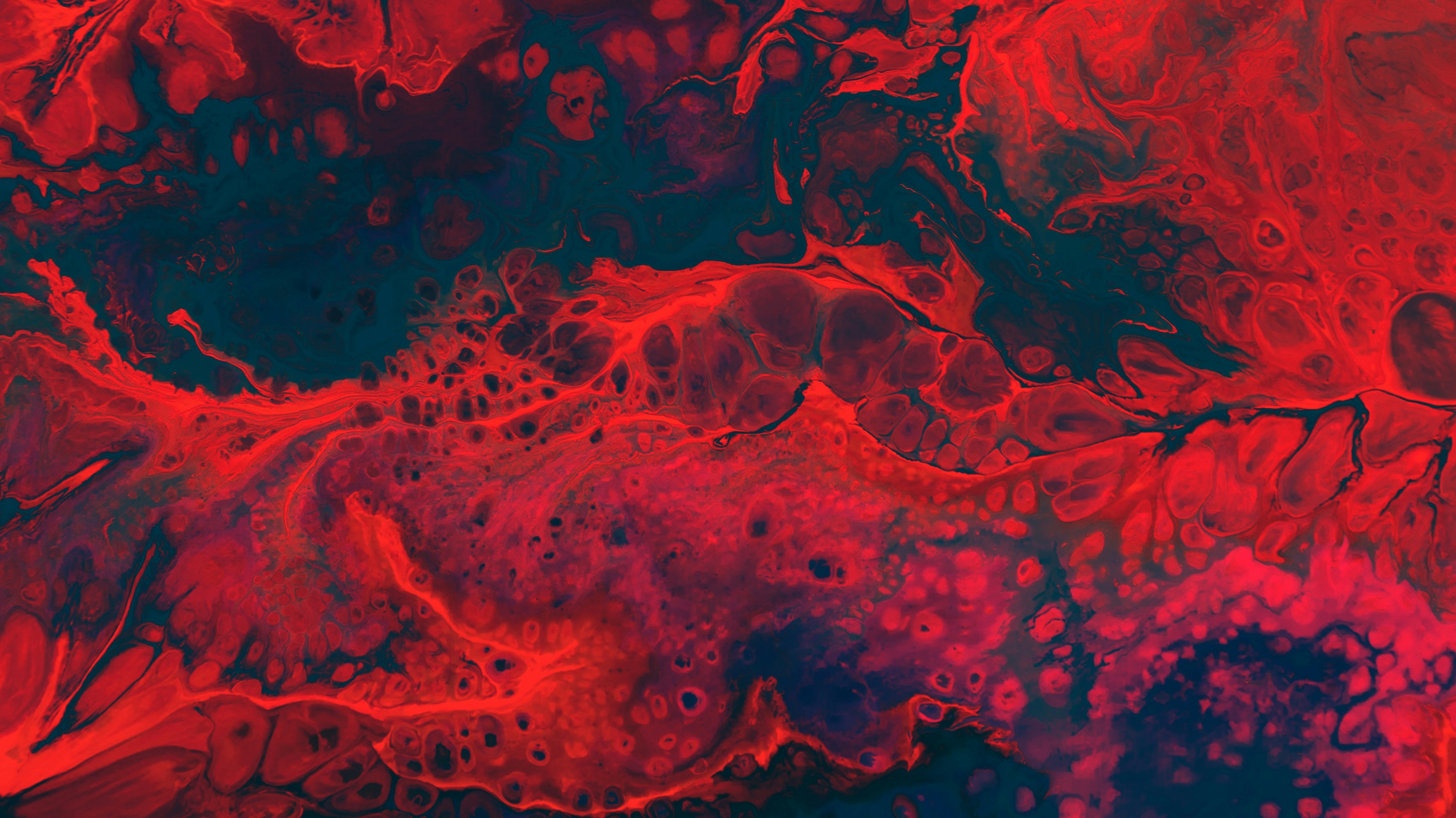
Fluid simulations are perhaps the most popular form of abstract live wallpapers. These visuals mimic the way liquids mix, swirl, and flow. Often featuring vibrant gradients, these wallpapers create a ‘lava lamp’ effect where colors merge and separate in a seamless loop. The beauty of fluid dynamics lies in their unpredictability; the motion feels natural and organic, preventing the viewer from quickly spotting a repetitive pattern. This makes the screen feel truly alive.

Geometric and Architectural Shifts
For those who prefer order over organic flow, geometric abstract wallpapers are the ideal choice. These often involve shifting polygons, rotating cubes, or expanding grids. The movement is typically more rhythmic and synchronized, creating a sense of precision and structure. These styles are particularly popular among users who want a ‘tech’ or ‘futuristic’ aesthetic, as they mirror the internal logic of digital circuitry and mathematical precision.
Particle Systems and Ambient Dust
Particle-based wallpapers use hundreds or thousands of tiny dots or lines that move according to specific rules. Some mimic a starry night with drifting constellations, while others look like floating embers or digital snow. The appeal here is the sense of depth. By using different speeds for particles in the foreground and background, these wallpapers create a parallax effect that makes the screen seem three-dimensional. Many of these systems are interactive, meaning the particles react to the user’s touch or the device’s accelerometer.

Neon and Cyberpunk Aesthetics
Drawing heavily from synthwave and futuristic cinema, neon abstract wallpapers use high-contrast dark backgrounds paired with glowing electric lines. These often feature pulsing grids or shimmering light streaks. The focus is on luminosity and glow, which looks particularly stunning on OLED screens where the deep blacks allow the vibrant colors to pop with incredible intensity.
Technical Impact: Performance and Battery Life
While the visual benefits are clear, implementing a dynamic background requires more resources than a static image. A static wallpaper is simply a file loaded into memory once. In contrast, a live wallpaper is essentially a small application running in the background, constantly rendering frames of animation.

The primary concern for most users is battery drain. The amount of energy consumed depends heavily on how the wallpaper is rendered. Pre-rendered video loops are generally more efficient than real-time shaders, as the device is simply playing a video file rather than calculating the physics of particles or fluid movements every millisecond. To maintain a healthy balance, it is often helpful to look into optimizing device performance by adjusting the frame rate or resolution of the wallpaper settings.
GPU usage is another factor. High-end smartphones and modern PCs handle these visuals with ease, but on older hardware, a complex live wallpaper can lead to ‘stuttering’ when transitioning between the home screen and apps. To mitigate this, many modern wallpaper apps include an ‘Eco Mode’ that pauses the animation when an app is open or when the battery drops below a certain percentage. This ensures that the visual flair does not come at the cost of essential functionality.
Choosing the Right Color Palette for Your Mood
Colors are not just aesthetic choices; they carry emotional weight. When selecting an abstract background, considering the color theory can help you align your device’s look with your daily goals.
- Cool Tones (Blues, Purples, Greens): These are associated with tranquility, professionalism, and calm. A slow-moving blue gradient is perfect for someone who uses their phone for work and wants to reduce stress during short breaks.
- Warm Tones (Reds, Oranges, Yellows): These evoke energy, passion, and urgency. While these can be stimulating, they may be overwhelming if used in high-saturation loops for long periods. They are best used for short-term motivation or a bold style statement.
- Monochromatic and Dark Themes: Black, grey, and white schemes are timeless. They provide a sophisticated look and are the most battery-efficient option for OLED screens, as black pixels are effectively turned off.
- High-Contrast Complementary Colors: Pairing opposites, like purple and yellow or blue and orange, creates a vibrant, energetic feel that is visually striking and modern.
Installation and Setup Guide
Setting up a dynamic background varies depending on the operating system. Because each platform handles background processes differently, the method of installation differs.
Android Devices
Android is generally the most flexible platform for live wallpapers. Users can download dedicated wallpaper apps from the Play Store or install APKs from trusted sources. Most Android versions allow for ‘Live Wallpaper’ selection directly from the long-press menu on the home screen. For a more tailored experience, many users explore screen customization tips to integrate their wallpapers with custom icon packs and widgets for a cohesive look.
iOS Devices
Apple has a more restrictive approach. While iOS supports ‘Live Photos’ as wallpapers, they typically only animate on the lock screen when pressed. True, constantly looping abstract backgrounds are less common on iOS due to Apple’s strict battery management policies. However, with recent updates, the ‘Dynamic’ wallpaper options provided by the system offer a polished, albeit limited, experience.
Windows and macOS
On desktops, the options are far more powerful. Software like Wallpaper Engine has revolutionized the PC experience by allowing users to run interactive, high-resolution abstract visuals. These programs often allow for integration with system audio, meaning the abstract shapes can pulse in time with the music you are listening to. On macOS, users often rely on third-party apps or the built-in dynamic wallpapers that shift based on the time of day.
The Future of Dynamic Backgrounds
As we move forward, the line between static art and interactive interfaces will continue to blur. One of the most exciting developments is the integration of AI-generated art. We are seeing the emergence of wallpapers that can generate new abstract patterns in real-time, ensuring that the user never sees the exact same visual twice. These AI systems can adapt the colors and movement based on the weather, the time of day, or even the user’s calendar events.
Furthermore, the move toward foldable screens and multi-monitor setups is pushing developers to create ‘adaptive’ abstract wallpapers. These visuals can stretch and flow across different screen shapes and sizes without losing resolution or distorting the composition. The future likely holds wallpapers that aren’t just visual, but responsive—changing their flow based on how you hold the device or reacting to the ambient noise in your environment.
Conclusion
Transitioning to an abstract background live wallpaper is more than just a cosmetic upgrade; it is a way to personalize the digital environment we inhabit for hours every day. From the calming flow of liquid art to the high-energy pulse of neon geometries, these dynamic visuals offer a unique blend of art and technology. While it is important to remain mindful of battery life and system performance, the emotional and aesthetic rewards of a living screen are well worth the effort. By choosing colors that match your mood and styles that reflect your personality, you can turn your device into a constant source of inspiration.
Frequently Asked Questions
Do live wallpapers drain battery significantly?
It depends on the type of wallpaper. Pre-rendered video loops are relatively efficient, whereas real-time rendered shaders and particle systems require more GPU power and can drain the battery faster. Using a dark-themed wallpaper on an OLED screen can help offset some of this energy consumption.
Where can I find high-quality abstract live wallpapers?
For Android, the Google Play Store has numerous dedicated apps. PC users often turn to Wallpaper Engine on Steam for a massive community library. There are also various websites offering free 4K looping videos that can be set as backgrounds using third-party software.
Can live wallpapers slow down my phone?
On modern devices, the impact is negligible. However, on older hardware with limited RAM and GPU capabilities, a complex live wallpaper might cause slight lag during app transitions. If you notice slowing, try a simpler, less resource-intensive animation.
What is the difference between a live wallpaper and a GIF?
A GIF is a simple image file with a short loop and limited colors. A live wallpaper is often a sophisticated piece of software or a high-resolution video file that can be interactive, react to touch, and support millions of colors for a smoother, more professional look.
How do I stop a live wallpaper from looping?
Most live wallpapers are designed to loop indefinitely. However, many apps provide settings to ‘pause’ the animation when other apps are in the foreground or to set a timer that switches the screen back to a static image after a period of inactivity.
Related posts:

Drawn to these shapes and colours? Modern Abstract Background Wallpaper: Enhancing Your Digital Space explores a nearby corner of the same abstract world.
Save the pieces you love and share the collection with your circle.
