

In the modern era of digital workspaces, the visual environment of your computer is more than just a backdrop; it is a reflection of your productivity mindset and personal style. A dark abstract wallpaper for PC offers a sophisticated blend of minimalism and mystery, providing a sanctuary for the eyes in an age of constant screen glare. Whether you are a creative professional, a hardcore gamer, or someone who spends ten hours a day staring at spreadsheets, the right background can significantly influence your mood and focus. Dark themes are not merely a trend—they are a functional choice that reduces visual noise and allows your desktop icons and open windows to pop with clarity.
- The Psychology of Dark Aesthetics
- Types of Dark Abstract Styles
- Technical Optimization for Different Monitors
- The Synergy Between Dark Wallpapers and Productivity
- How to Curate Your Desktop Look
- Frequently Asked Questions
The Psychology of Dark Aesthetics
Choosing a dark palette for your desktop is often an intuitive response to the phenomenon of digital eye strain. Bright, white-dominated backgrounds emit a higher intensity of light, which can lead to fatigue during late-night sessions. By opting for a dark abstract design, you create a low-contrast environment that feels more natural and less aggressive to the optic nerve. This is why customization of the user interface has shifted toward ‘Dark Mode’ across almost every major operating system and application.

Beyond the physical comfort, there is a psychological component to minimalism. Abstract art, by definition, removes the clutter of recognizable objects, leaving only form, color, and texture. When these elements are presented in dark tones—such as deep charcoals, midnight blues, or obsidian blacks—they evoke feelings of stability, authority, and calm. For many, a dark abstract background serves as a mental ‘blank slate,’ stripping away distractions and allowing for deeper cognitive flow. This focus on minimalism helps in reducing the mental load associated with a cluttered visual field, making it easier to enter a state of deep work.
Types of Dark Abstract Styles
Not all dark abstracts are created equal. Depending on the visual language used, a wallpaper can change the entire ‘vibe’ of your workstation. Understanding these styles helps you choose a background that aligns with your professional or personal identity.

Geometric Abstraction
Geometric dark wallpapers rely on mathematical precision, featuring sharp lines, polygons, and repeating patterns. These are ideal for users who value order, logic, and structure. Common motifs include 3D isometric cubes, intersecting vectors, and low-poly landscapes. The contrast between a deep black background and a thin, glowing neon line creates a sense of futuristic sophistication, often associated with high-tech industries and software engineering.
Fluid and Organic Forms
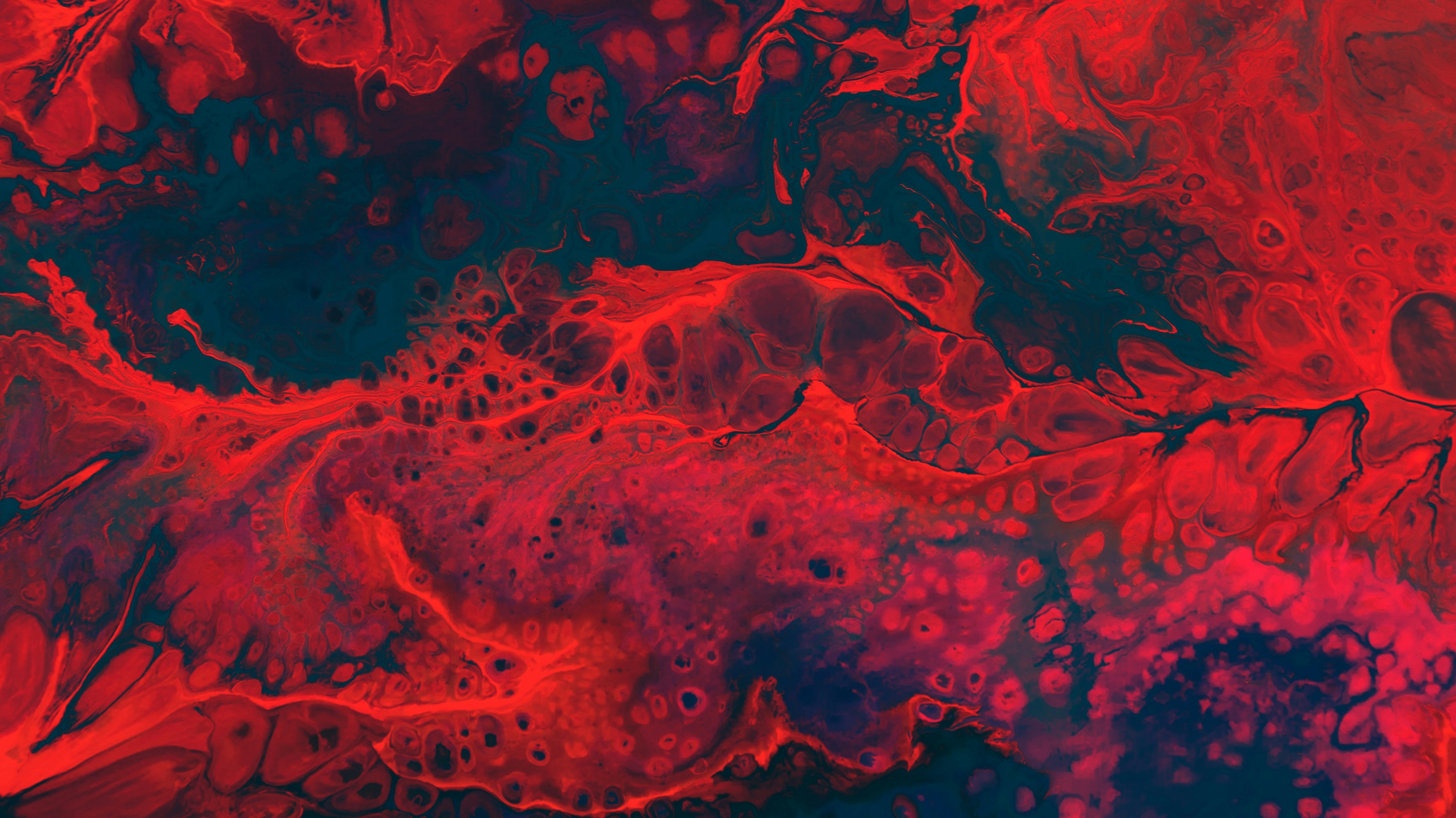
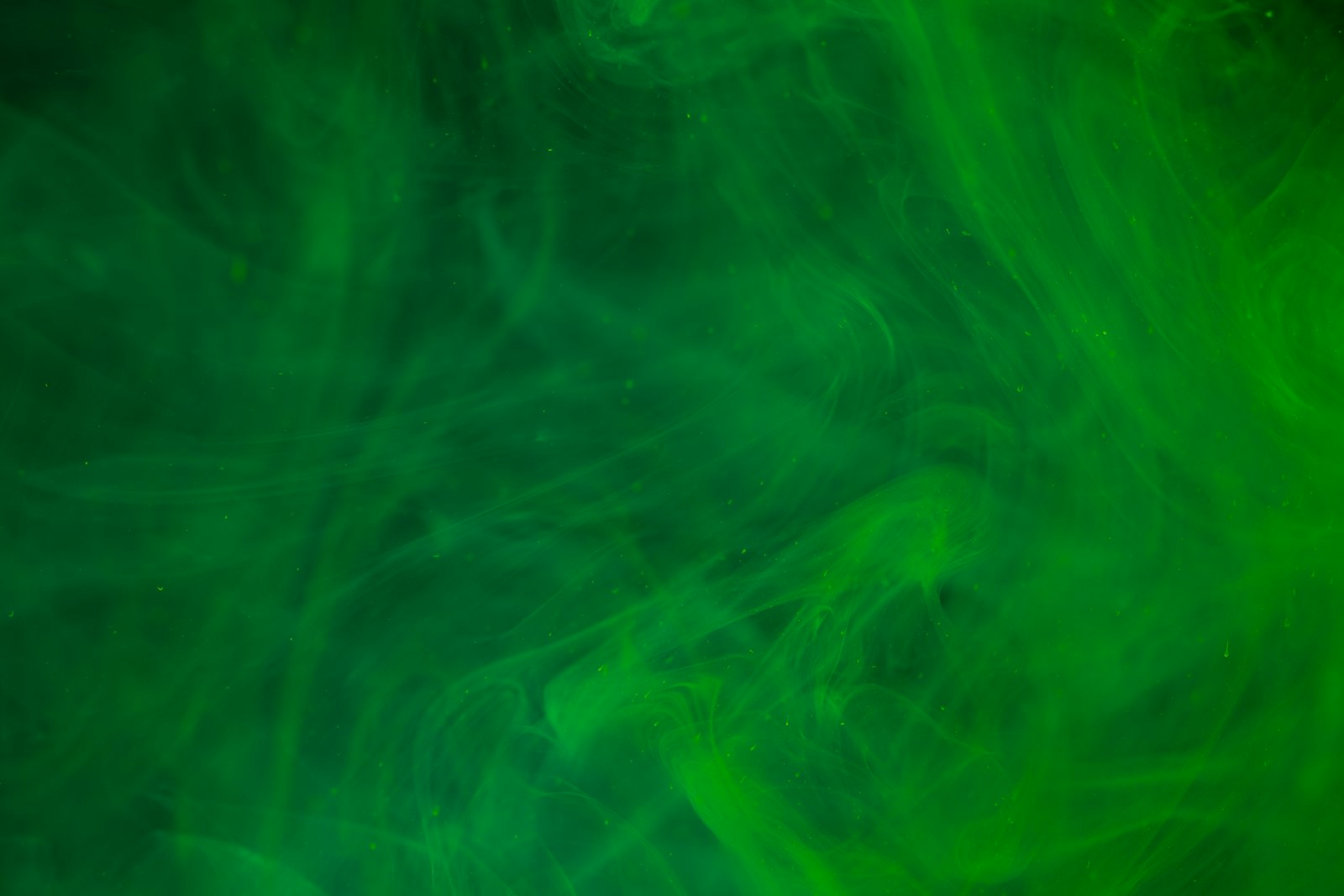
In contrast to geometric styles, fluid abstracts mimic the movement of liquids, smoke, or cosmic nebulae. These designs use soft gradients and sweeping curves to create a sense of motion and depth. This style is particularly effective for those in creative fields, as it stimulates the imaginative side of the brain. The interplay of dark purples, deep teals, and shadows creates a dreamlike quality that softens the rigid edges of a computer monitor.

Textural and Industrial Abstracts
Some of the most compelling dark wallpapers focus on tactile simulation. These images mimic real-world materials like brushed metal, carbon fiber, slate, or dark leather. By emphasizing texture over shape, these wallpapers provide a grounding effect. They feel ‘heavy’ and substantial, lending a premium, professional feel to the hardware they inhabit. The subtle play of light on a dark, textured surface adds a layer of realism that purely digital art sometimes lacks.
Technical Optimization for Different Monitors
To truly appreciate a dark abstract wallpaper for PC, you must consider the hardware displaying it. A high-resolution image on a low-quality screen can look muddy, while a low-resolution image on a 4K screen will appear pixelated.

The OLED Advantage
If you own an OLED (Organic Light Emitting Diode) monitor, dark wallpapers are more than just an aesthetic choice—they are a power-saving feature. Unlike traditional LCDs that use a backlight, OLED pixels can turn off completely to produce ‘true black.’ When you use a wallpaper with significant black areas, those pixels consume zero power, which can extend the lifespan of the panel and reduce energy consumption. Furthermore, the infinite contrast ratio of OLEDs makes dark abstracts look strikingly three-dimensional, as the bright accents float atop a void of absolute darkness.
Resolution and Aspect Ratio
For a seamless experience, always match your wallpaper resolution to your native screen resolution. A 4K Ultra HD (3840 x 2160) wallpaper ensures that every gradient transition is smooth and every line is crisp. If you use an ultrawide monitor (21:9), look for specific wide-format abstracts to avoid the awkward stretching or cropping that occurs with standard 16:9 images. Ensuring the resolution is correct prevents the ‘blur’ effect that can distract the eye and diminish the professional look of your setup.

The Synergy Between Dark Wallpapers and Productivity
There is a strong correlation between your visual environment and your ability to concentrate. A chaotic or overly bright wallpaper can act as a constant, subconscious distraction. Dark abstract designs mitigate this by providing a neutral visual anchor.
When your background is dark and unobtrusive, your active windows—such as a code editor, a word processor, or a design tool—become the primary focus. This creates a ‘spotlight effect,’ where your attention is naturally drawn to the task at hand rather than the periphery of the screen. Additionally, many users find that pairing a dark wallpaper with a coordinated desktop icon layout (or hiding icons entirely) fosters a sense of digital hygiene, which in turn reduces anxiety and increases efficiency.
How to Curate Your Desktop Look
Creating a cohesive aesthetic requires more than just picking a random image. To achieve a professional-grade setup, consider the following curation tips:
- Coordinate with Hardware: If your PC case has RGB lighting, choose an abstract wallpaper with accent colors that match your LED scheme. For example, if your keyboard glows deep blue, a dark abstract with sapphire highlights will tie the entire desk together.
- Balance the Brightness: Avoid ‘stark’ blacks if you work in a very bright room, as this can cause distracting reflections on the glass. Instead, opt for deep grays or ‘charcoal’ abstracts to soften the contrast.
- Rotate Seasonally: Just as you change your wardrobe, rotating your wallpapers can prevent visual boredom. Move from ‘cool’ dark tones (blues/greens) in the summer to ‘warm’ dark tones (deep reds/burgundies) in the winter.
Ultimately, the goal is to create a space where you feel comfortable and inspired. A dark abstract wallpaper is a versatile tool that allows you to modulate the energy of your workspace, shifting from high-intensity focus to relaxed contemplation with a simple click.
Conclusion
Transforming your desktop with a dark abstract wallpaper is a simple yet powerful way to enhance both the functionality and the beauty of your PC. By reducing eye strain, leveraging the power of OLED technology, and embracing the psychological benefits of minimalism, you create an environment conducive to both productivity and peace. Whether you prefer the rigid precision of geometric shapes or the flowing elegance of organic forms, the right dark aesthetic turns a mere tool into a personalized sanctuary.
Frequently Asked Questions
Do dark wallpapers actually save battery on laptops?
On traditional LCD/LED screens, dark wallpapers do not save significant power because the backlight is always on. However, on laptops with OLED or AMOLED screens, dark wallpapers save battery because black pixels are completely turned off and consume no power.
What is the best resolution for a dark abstract wallpaper?
The best resolution is always your monitor’s native resolution. For most modern PCs, this is either 1920×1080 (Full HD) or 3840×2160 (4K). Using a resolution higher than your native one is fine, but using a lower one will result in a blurry, pixelated image.
Why do some dark wallpapers look ‘grainy’ or ‘banded’?
This usually happens due to bit-depth issues or heavy image compression. When a gradient moves from dark gray to black, low-quality files create visible ‘steps’ or bands. To avoid this, look for high-quality PNG or lossless TIFF files rather than highly compressed JPEGs.
Can a dark wallpaper affect my mood or focus?
Yes. Darker colors are often associated with focus and calmness, while overly bright backgrounds can cause overstimulation. Abstract designs specifically help by removing recognizable objects that might distract your brain, allowing you to maintain a state of ‘flow’ longer.
How do I find high-quality abstract wallpapers without watermarks?
The best sources are dedicated photography platforms like Unsplash or Pexels, which offer high-resolution, royalty-free images. You can also explore digital art communities like ArtStation or DeviantArt, though you should always check the artist’s licensing terms before downloading.
Related posts:

This page samples just one mood of 4k-wallpapers. The category holds many more pieces in a similar vein.
Save the pieces you love and share the collection with your circle.
