
Abstract Art: Exploring Meaning and Appreciation
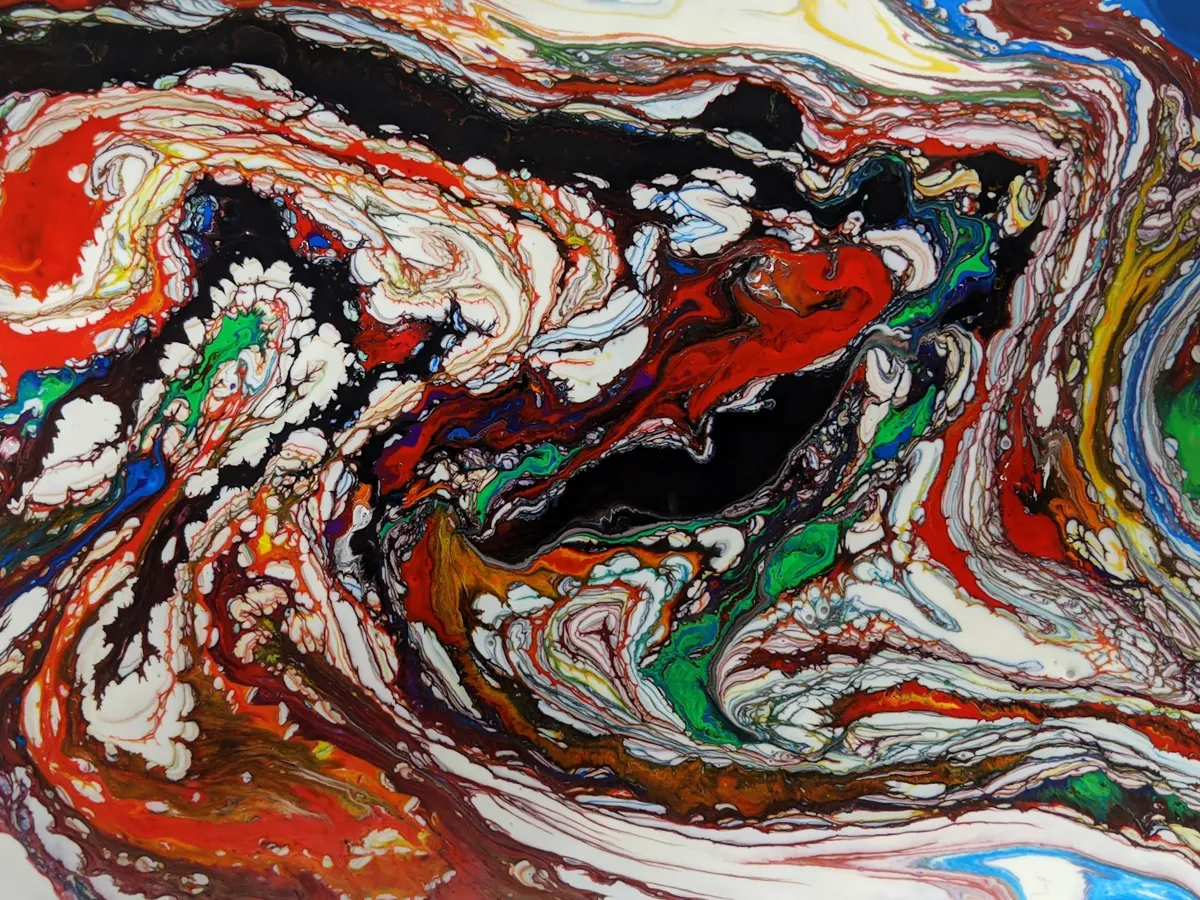
Abstract art, a departure from representational depictions, often sparks curiosity and, sometimes, confusion. Unlike traditional art forms that aim to accurately portray subjects, abstract art prioritizes form, color, texture, and composition to create a visual experience that evokes emotions and ideas. This exploration delves into the world of abstract art, examining its history, different styles, and how to appreciate its unique qualities.
The journey of abstract art wasn’t a sudden shift but rather a gradual evolution. Artists began questioning the necessity of mimicking reality, seeking instead to express inner experiences and explore the fundamental elements of visual language. This led to a revolution in artistic expression, breaking away from centuries of tradition.
The Historical Roots of Abstraction
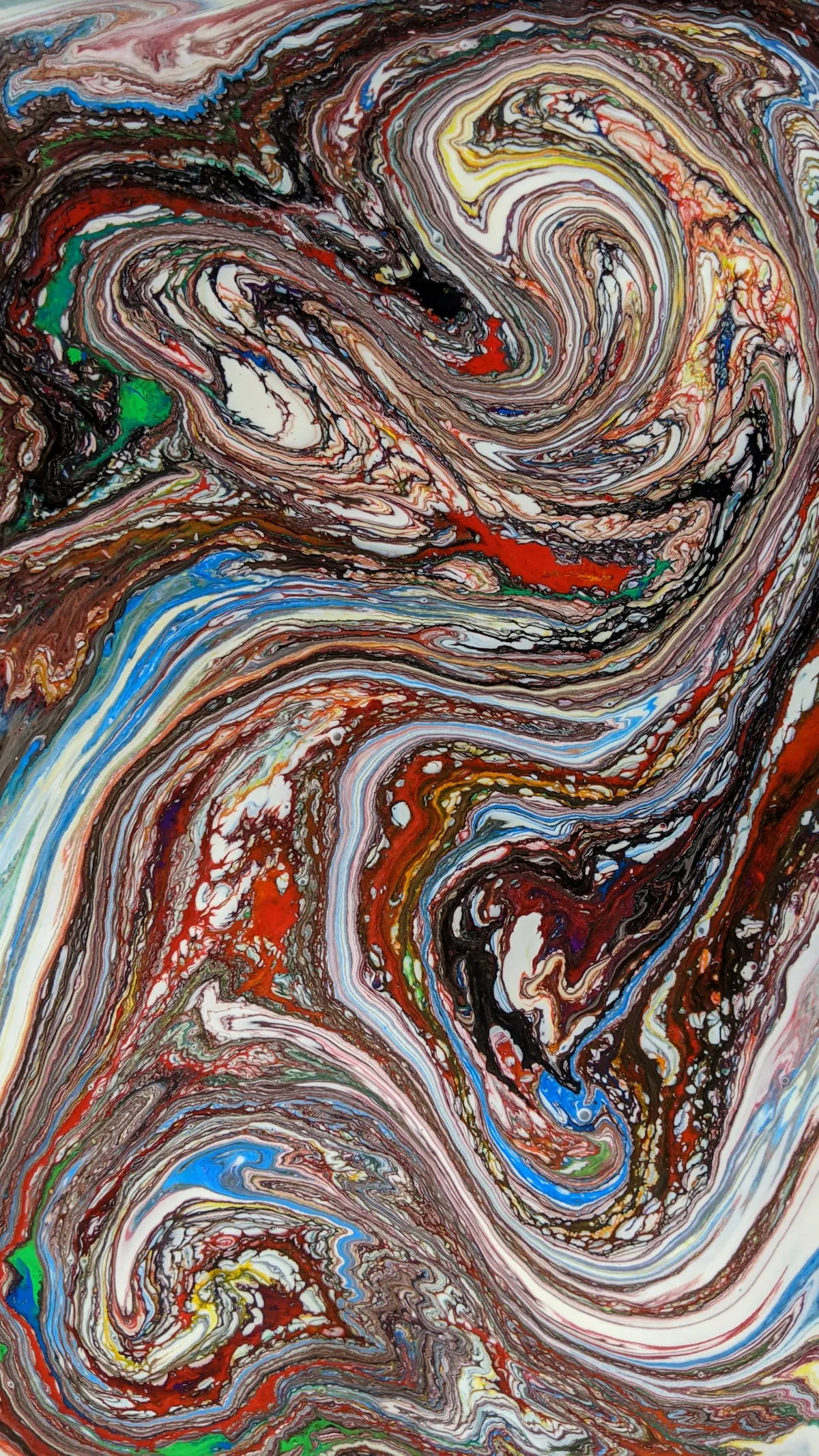
While often associated with the 20th century, the seeds of abstraction were sown earlier. Artists like James McNeill Whistler, with his emphasis on atmospheric effects and tonal harmonies, and Paul Cézanne, who deconstructed forms into geometric shapes, paved the way for the abstract movements to come. However, it was the early 20th century that witnessed the full flowering of abstraction.
Wassily Kandinsky is widely regarded as a pioneer of abstract art. His 1910 painting, Composition VII, is considered by many to be one of the first truly abstract works. Kandinsky believed that art should express the “inner necessity” of the artist, and that color and form could evoke spiritual and emotional responses in the viewer. He explored the relationship between art and music, aiming to create visual compositions that resonated with the same emotional power as musical pieces.
Key Movements in Abstract Art
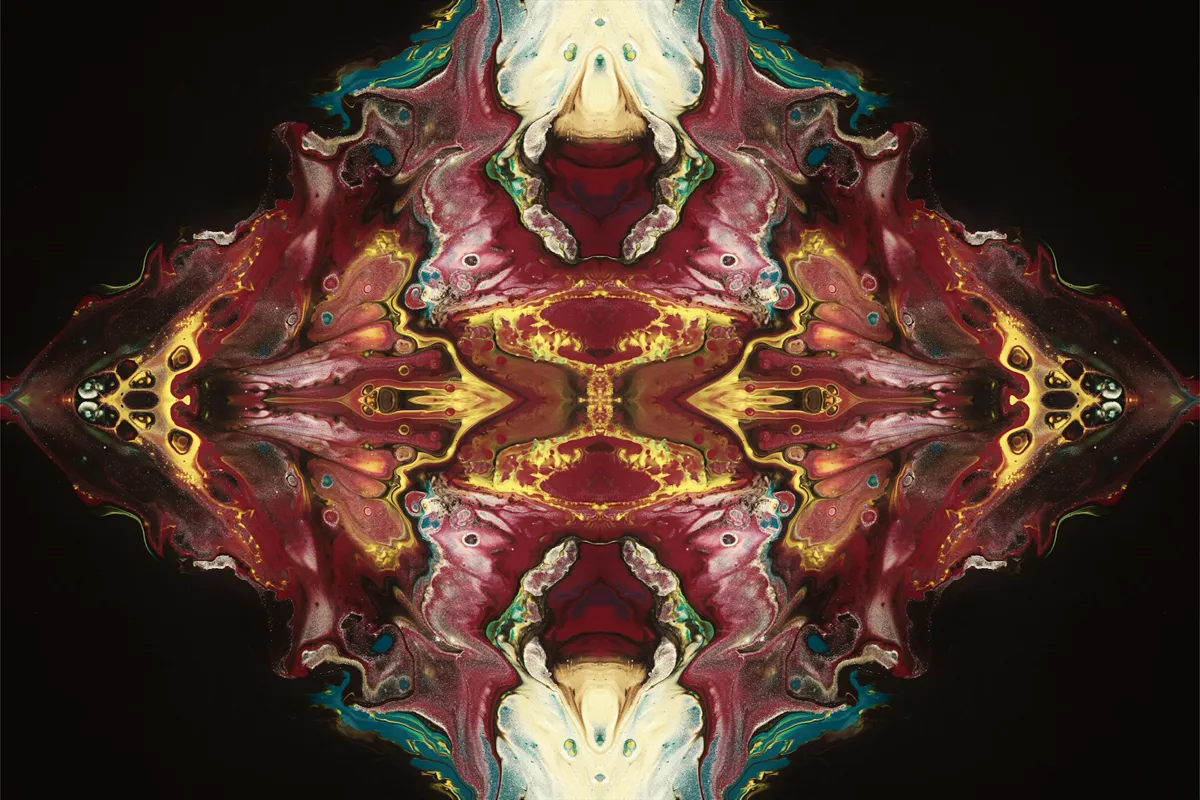
Several distinct movements contributed to the development of abstract art, each with its own unique characteristics:
- Cubism: Pioneered by Pablo Picasso and Georges Braque, Cubism fragmented objects into geometric forms, presenting multiple viewpoints simultaneously.
- Futurism: An Italian movement that celebrated speed, technology, and the dynamism of modern life.
- Suprematism: Founded by Kazimir Malevich, Suprematism focused on basic geometric forms, such as squares and circles, in limited color palettes.
- Constructivism: A Russian movement that emphasized the social and political function of art, often using industrial materials.
- Abstract Expressionism: Emerging in post-World War II America, Abstract Expressionism encompassed a range of styles, including action painting (Jackson Pollock) and color field painting (Mark Rothko).
Understanding these movements provides a framework for appreciating the diverse approaches within abstract art. For example, exploring cubism can help you understand how artists began to deconstruct traditional forms, leading to further experimentation.
Appreciating Abstract Art: Beyond Representation
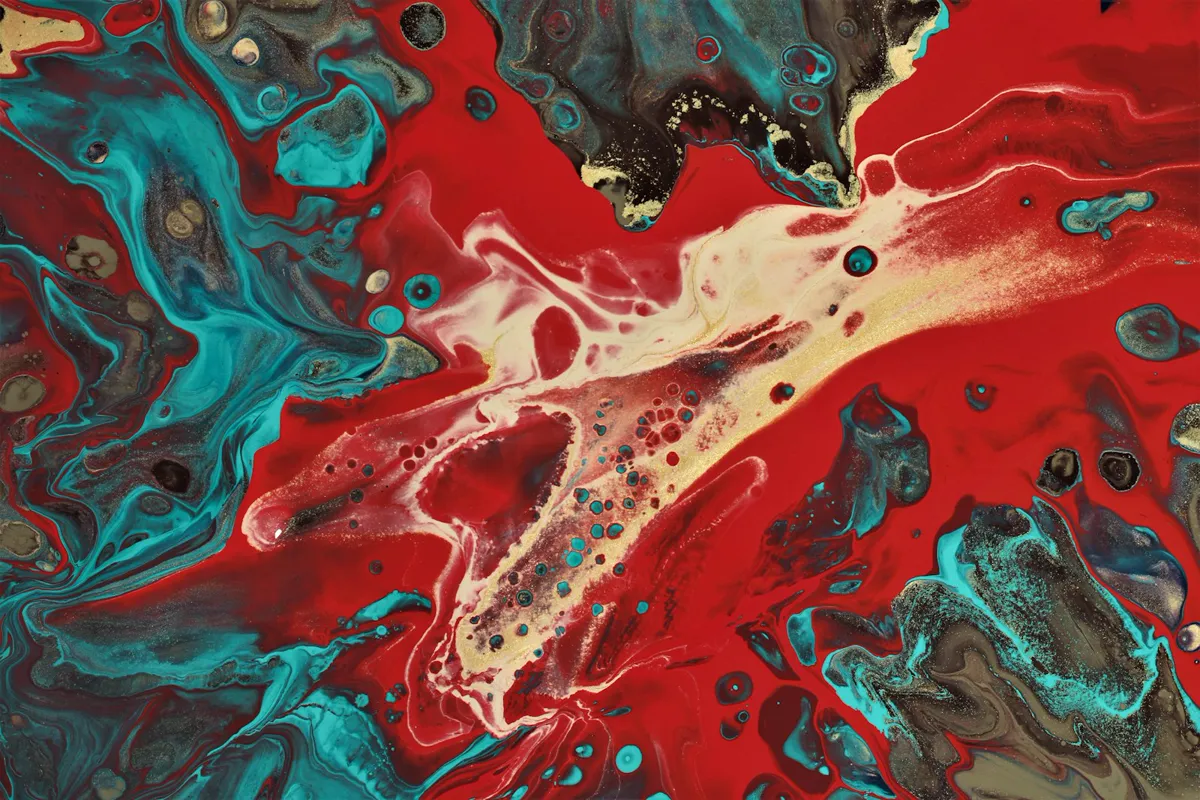
One of the biggest challenges in appreciating abstract art is letting go of the expectation of recognizing something familiar. Instead of asking “What does this represent?”, consider asking “How does this make me feel?” or “What ideas does this evoke?”
Here are some things to consider when viewing abstract art:
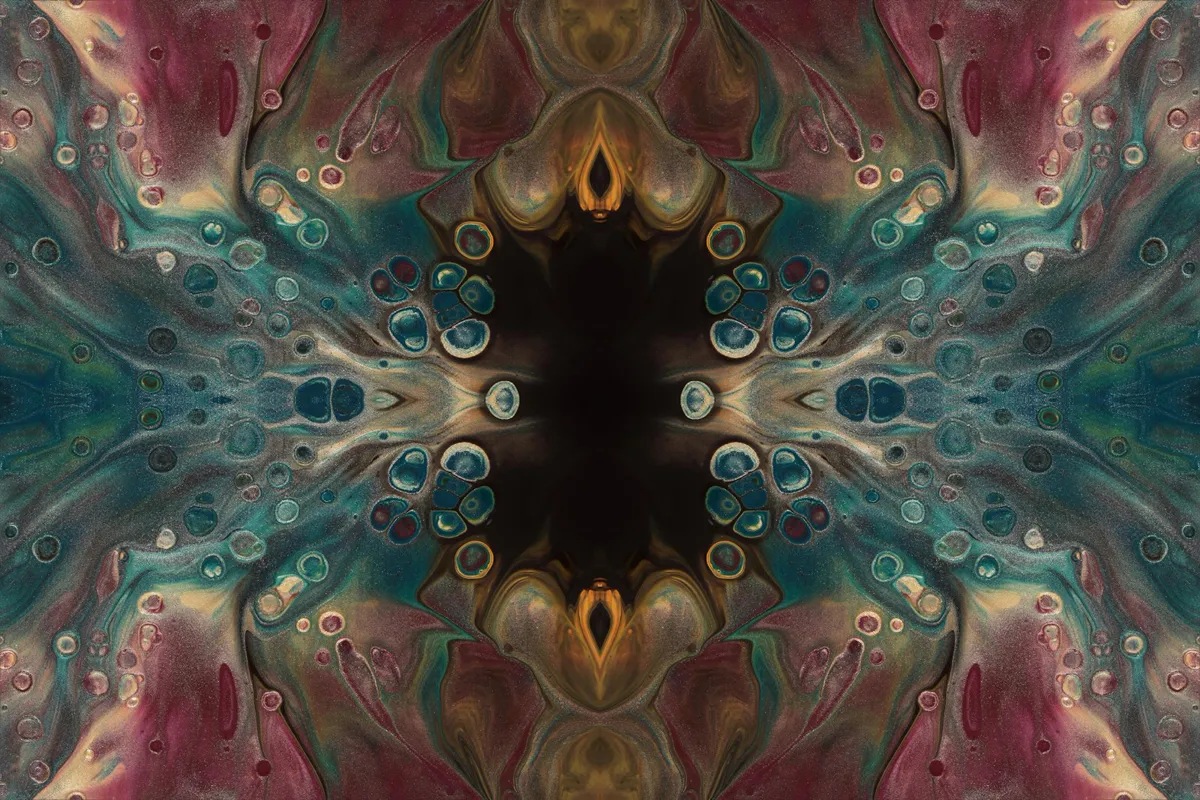
- Color: How do the colors interact with each other? Are they harmonious or contrasting? What emotions do they evoke?
- Form: What shapes and lines are used? Are they geometric or organic? How do they create a sense of movement or stillness?
- Texture: Is the surface smooth or rough? Does the artist use impasto (thickly applied paint) or other techniques to create texture?
- Composition: How are the elements arranged on the canvas? Is there a focal point? How does the composition guide your eye?
- Scale: How does the size of the artwork affect your experience?
Don’t be afraid to trust your instincts and allow yourself to have a personal response to the artwork. There is no right or wrong way to interpret abstract art. The artist’s intention is often less important than the viewer’s experience. Sometimes, simply allowing yourself to be present with the artwork and observe your own reactions can be a rewarding experience.
The Ongoing Influence of Abstract Art
Abstract art continues to influence contemporary art and design. Its principles of form, color, and composition are evident in a wide range of fields, from graphic design and architecture to fashion and interior design. The legacy of abstract art lies in its liberation of artistic expression and its invitation to viewers to engage with art on a deeper, more personal level.
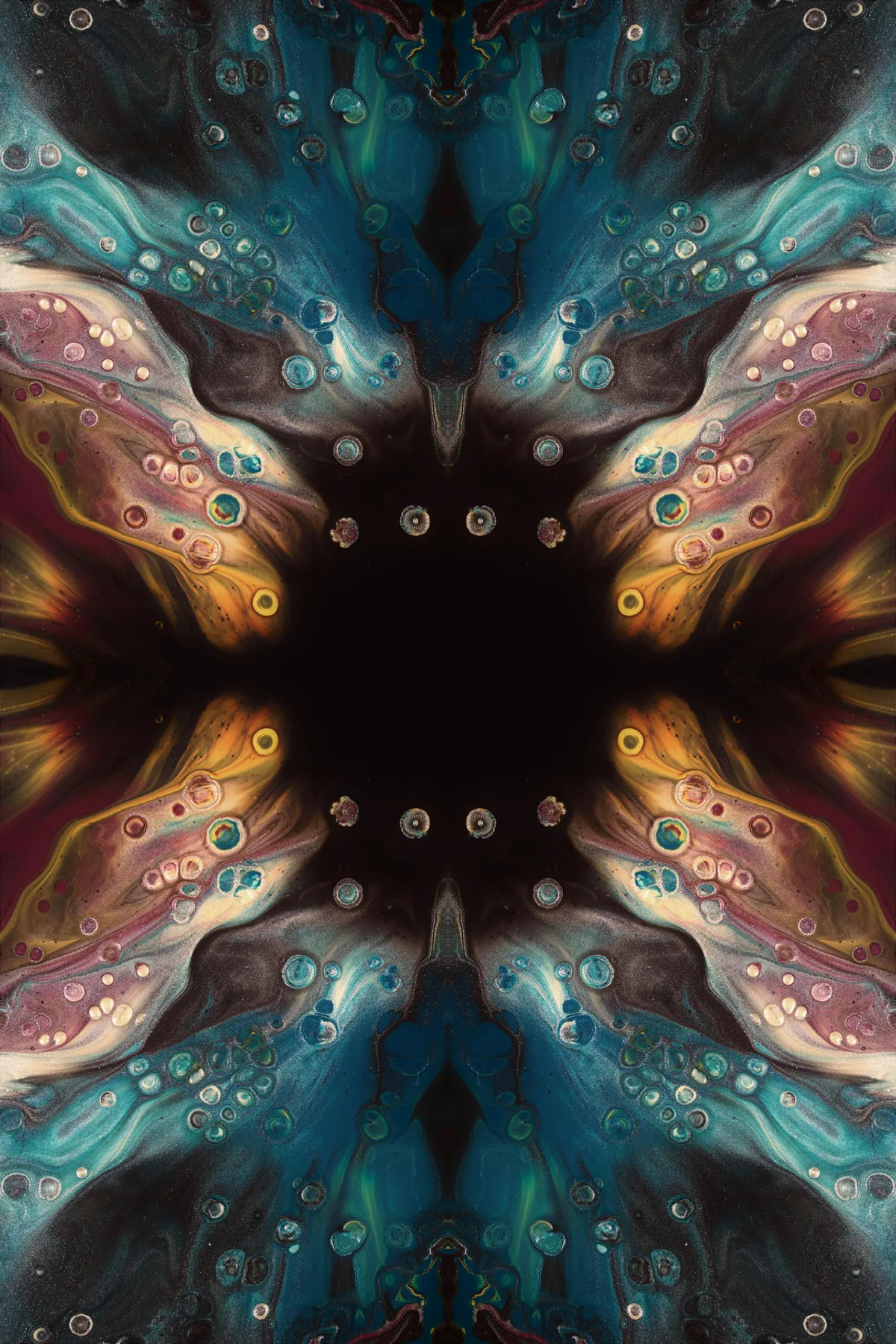
The exploration of non-representational forms has opened up new avenues for creativity and continues to inspire artists today. The impact of abstract art can even be seen in areas like design, where principles of balance and color theory are crucial.
Conclusion
Abstract art may initially seem challenging, but it offers a rich and rewarding experience for those willing to engage with it on its own terms. By understanding its historical roots, key movements, and principles of appreciation, you can unlock a deeper understanding and enjoyment of this influential art form. Embrace the ambiguity, trust your instincts, and allow yourself to be moved by the power of abstract expression.
Frequently Asked Questions
-
What is the main purpose of abstract art?
Abstract art doesn’t aim to represent external reality. Instead, it focuses on exploring the elements of art – color, form, texture, and composition – to create a visual experience that evokes emotions, ideas, or spiritual responses. It’s about expressing the inner world of the artist rather than depicting the outer world.
-
How can I tell if a piece of abstract art is “good”?
“Good” is subjective when it comes to abstract art. There aren’t objective standards like realistic representation. Consider how the artwork makes you feel, the skill demonstrated in its execution, the originality of its approach, and the thoughtfulness of its composition. Ultimately, if it resonates with you, it’s a good piece of art for you.
-
Is abstract art just random?
No, abstract art is rarely random. While it doesn’t depict recognizable objects, it’s often based on careful planning, deliberate choices of color and form, and a deep understanding of artistic principles. Artists often have specific intentions or concepts behind their work, even if they aren’t immediately apparent.
-
What’s the difference between abstract and non-representational art?
While often used interchangeably, there’s a subtle difference. Abstract art often starts with a recognizable subject but distorts or simplifies it. Non-representational art, on the other hand, has no reference to the natural world whatsoever; it’s purely about the elements of art themselves.
-
Where can I learn more about abstract art?
Many resources are available! Visit museums and galleries that feature abstract art, read books and articles on the subject, explore online art databases, and take art history courses. You can also find helpful information on websites dedicated to art appreciation and analysis.
Related posts:

If this set speaks to you, Abstract Art: Exploring Meaning and Techniques continues the abstract-art conversation in a new direction.
Save the pieces you love and share the collection with your circle.
