
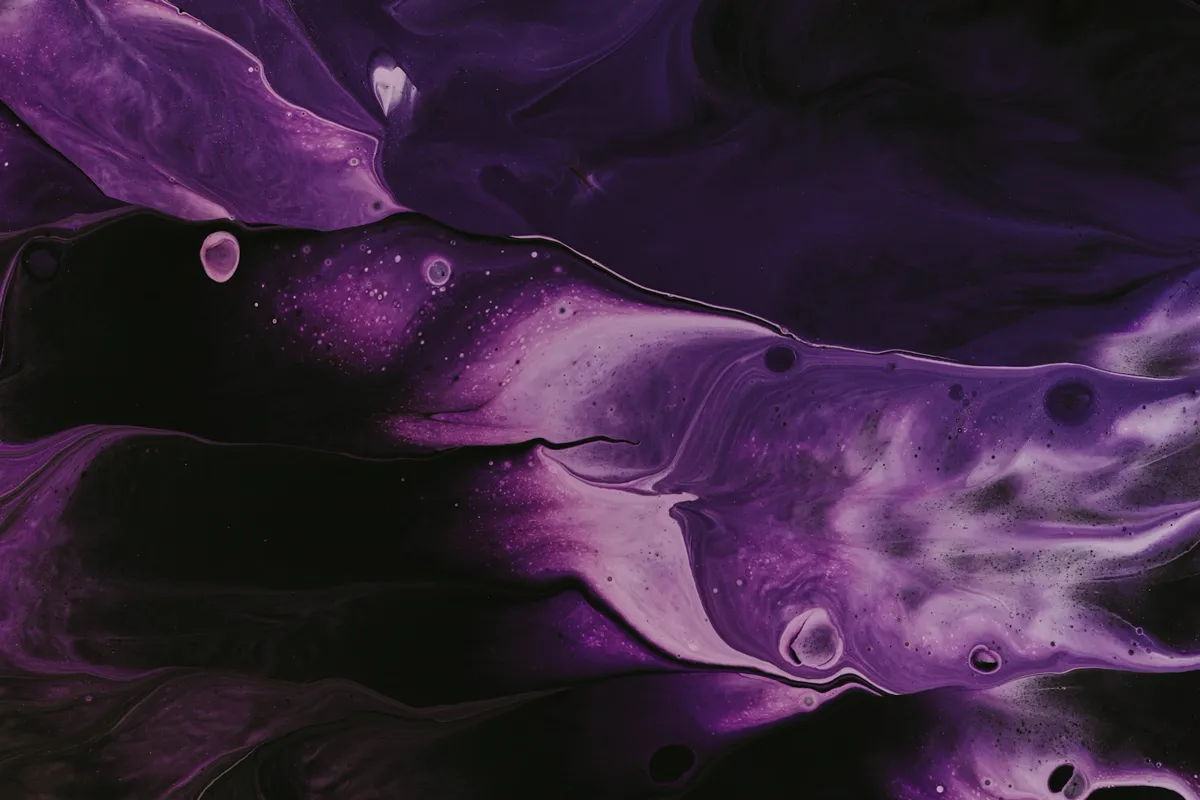
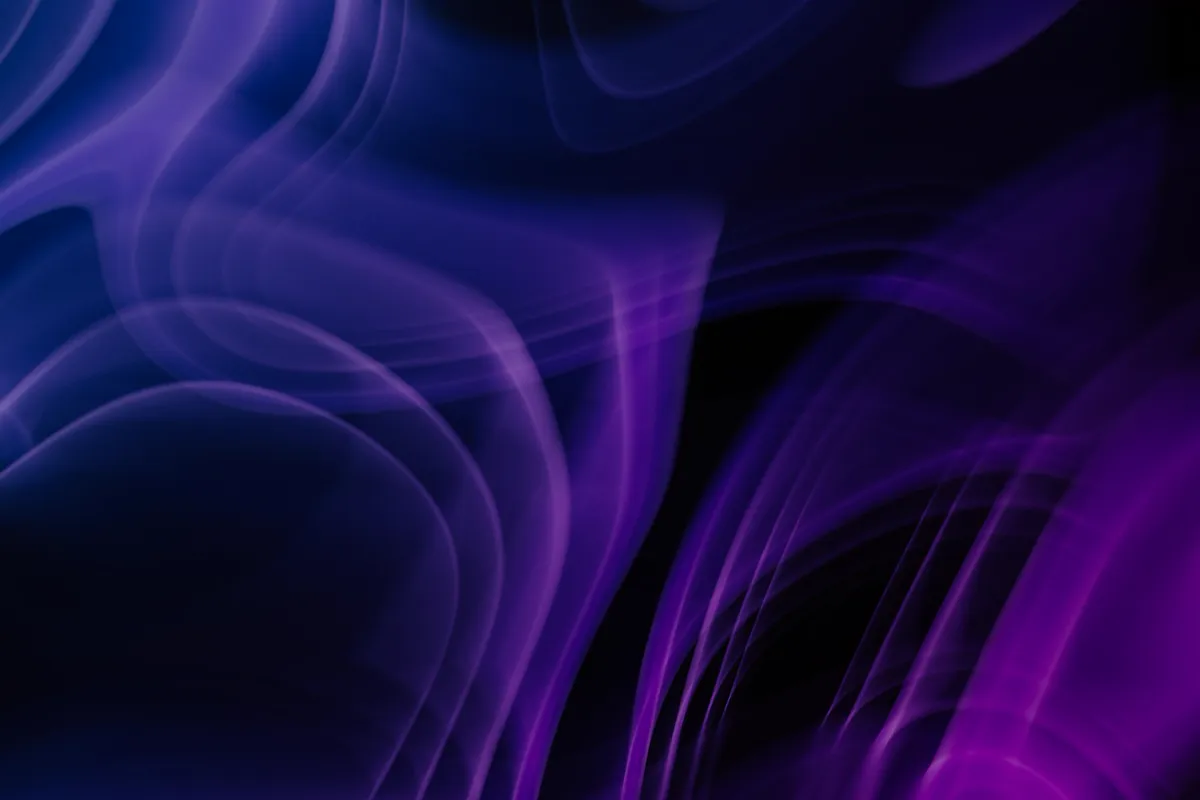
The allure of an abstract smoke lavender design lies in its unique ability to blend chaos with tranquility. In the world of contemporary visual arts, the juxtaposition of fluid, unpredictable smoke patterns with the soothing, spiritual properties of lavender creates a sensory experience that transcends simple imagery. Whether used in high-end branding, digital wallpapers, or immersive interior installations, this specific aesthetic taps into a deep psychological need for serenity and mystery. By understanding the interplay between color theory and organic form, designers can evoke a sense of weightlessness and sophistication that captures attention without overwhelming the viewer.
- The Psychology of Lavender and Fluidity
- Core Elements of Abstract Smoke Art
- Practical Applications in Modern Design
- Technical Approaches to Creating Smoke Visuals
- Optimizing Color Palettes for Visual Balance
- Conclusion
The Psychology of Lavender and Fluidity
Color is more than a visual choice; it is a psychological trigger. Lavender, a pale shade of purple, traditionally symbolizes grace, elegance, and femininity, while also carrying connotations of healing and spiritual awakening. When this hue is applied to an abstract smoke design, it shifts from a static color to a living, breathing entity. The fluid nature of smoke represents transition, the ephemeral, and the unknown, creating a visual metaphor for the subconscious mind.
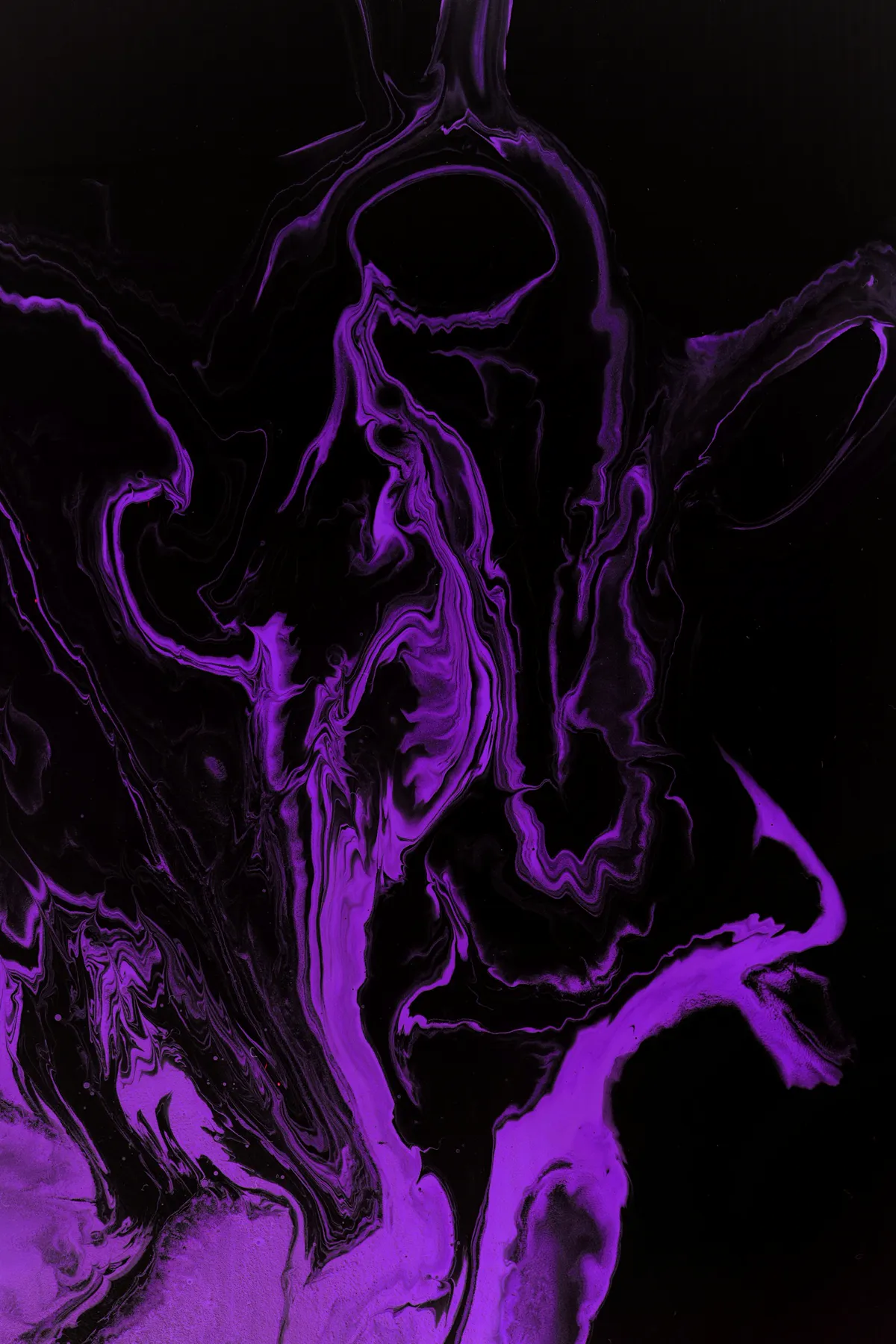
Combining these elements results in a design that feels both grounding and liberating. In a fast-paced digital landscape, users are naturally drawn to visuals that provide a ‘mental exhale.’ The softness of lavender reduces visual stress, while the swirling motions of the smoke guide the eye across the composition in a natural, rhythmic flow. This synergy makes the abstract smoke lavender design an ideal choice for projects aiming to promote wellness, luxury, or creative introspection.
Core Elements of Abstract Smoke Art
To truly master this aesthetic, one must look beyond the surface and analyze the structural components that make a smoke design feel authentic and captivating. The first key element is opacity variance. Real smoke is never a solid block of color; it consists of layers of transparency and density. By manipulating alpha channels and gradients, artists can create a three-dimensional sense of depth that pulls the viewer into the image.
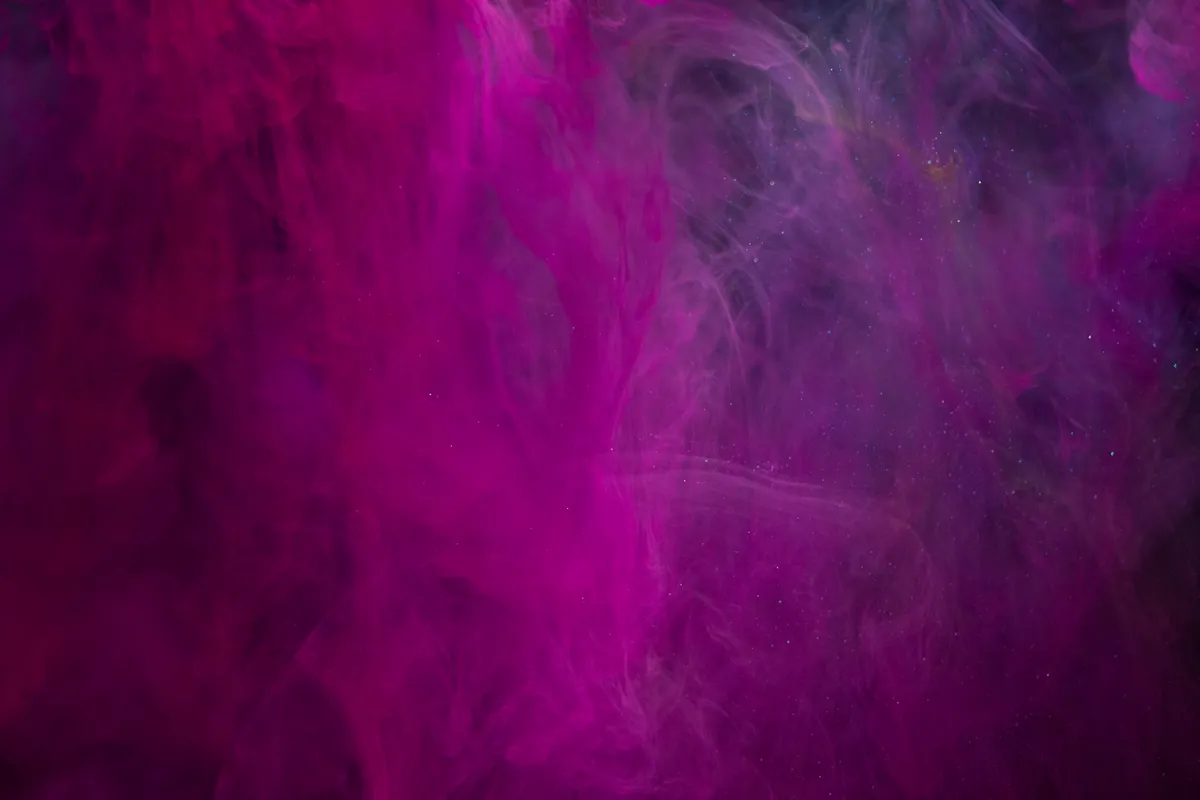
Another critical component is the S-curve composition. In the realm of design, the S-curve is renowned for its ability to create movement and grace. Smoke naturally follows these organic paths, and when highlighted in lavender tones, these curves become luminous ribbons of light. Integrating a sense of art and motion allows the design to feel dynamic rather than stagnant.
Furthermore, the concept of negative space is paramount. An effective abstract design does not crowd the canvas. By allowing dark or neutral backgrounds to contrast with the luminous lavender plumes, the smoke appears to glow from within. This contrast not only emphasizes the vibrancy of the purple tones but also creates a focal point that anchors the overall composition, ensuring the viewer’s eye doesn’t wander aimlessly.
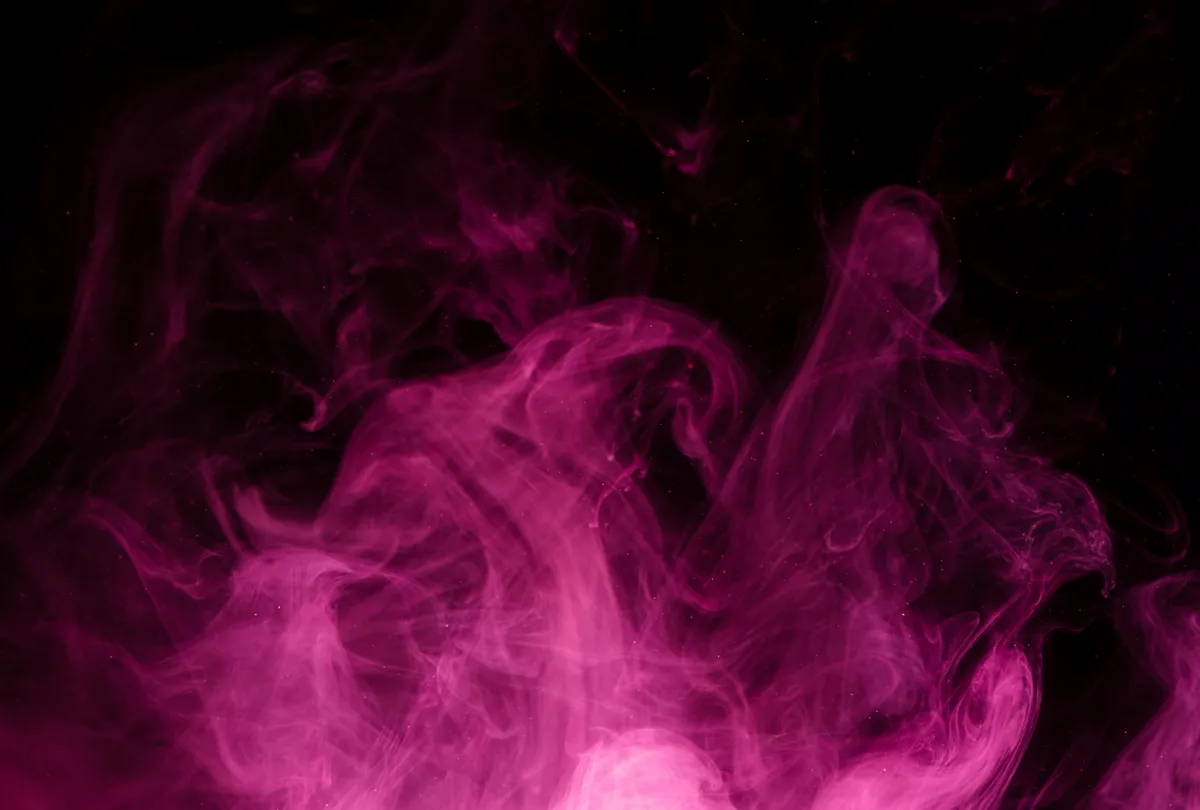
The Role of Texture and Grain
While smooth gradients are the standard, adding a subtle layer of digital grain or noise can prevent the design from looking too ‘plastic.’ A touch of texture mimics the particulate nature of actual smoke, adding a layer of realism to the abstraction. This tactile quality makes the lavender hues feel more organic and less like a computer-generated gradient, bridging the gap between digital art and physical phenomena.
Practical Applications in Modern Design
The versatility of an abstract smoke lavender design allows it to fit into various industries, provided the execution aligns with the brand’s intent. In the wellness and skincare industry, these visuals are frequently used for packaging and website backgrounds to signal purity, luxury, and calm. The ethereal nature of the smoke mirrors the ‘lightness’ of a product, while the lavender color reinforces the idea of relaxation.
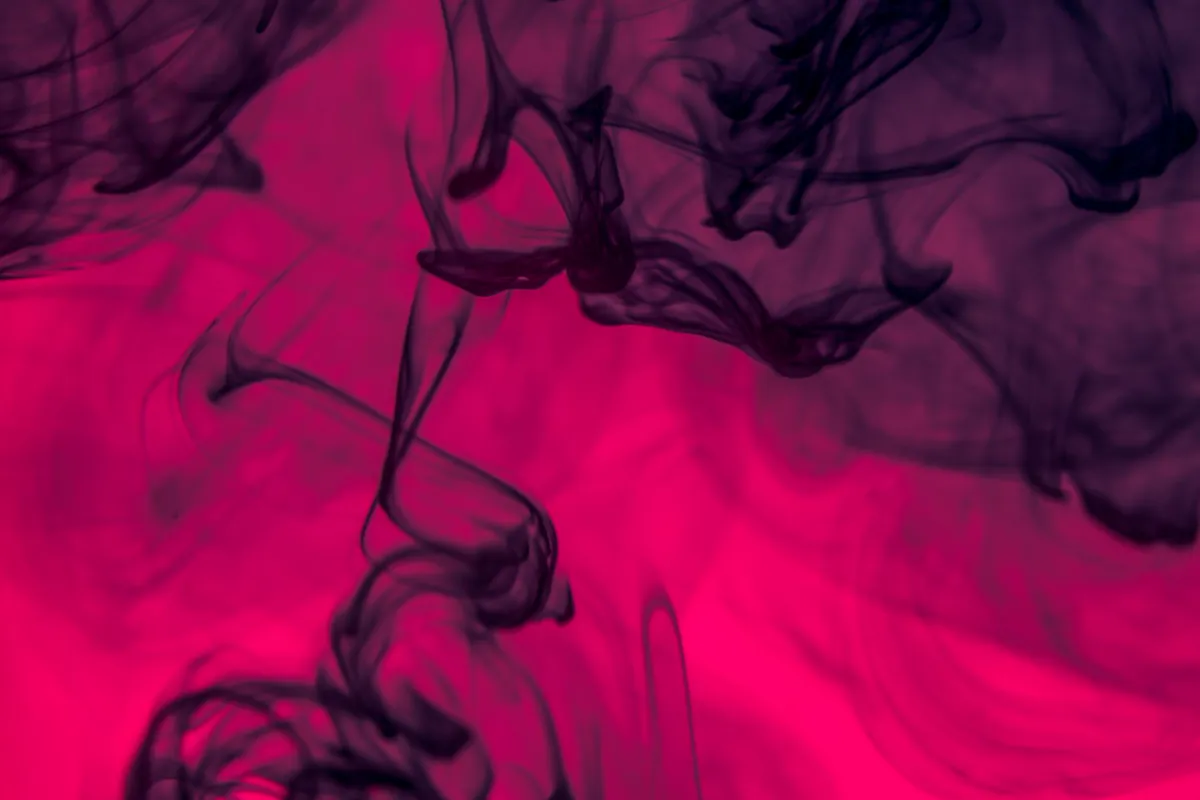
In the realm of UI/UX design, abstract smoke elements serve as excellent atmospheric backgrounds for landing pages. Because they are non-representational, they do not compete with the primary call-to-action (CTA) buttons or text. Instead, they provide a sophisticated backdrop that enhances the overall mood of the user experience. When used as a subtle transition or a loading screen animation, the fluid motion of lavender smoke can reduce the perceived wait time for a user, turning a technical necessity into a visual delight.
Social Media and Digital Branding
On platforms like Instagram and Pinterest, ethereal aesthetics are highly shareable. Brands that utilize lavender smoke designs often see higher engagement rates because these visuals align with current trends in ‘dreamcore’ and ‘vaporwave’ evolutions. By creating a series of cohesive, smoke-based visuals, a brand can establish a signature mood that feels modern, mysterious, and high-end, differentiating itself from the stark minimalism that currently dominates the corporate world.
Technical Approaches to Creating Smoke Visuals
Achieving a professional-grade lavender smoke effect requires a combination of the right tools and specific techniques. For digital painters, layer masking is the most powerful tool. By painting thick plumes of lavender and then using soft-edged masks to erase sections, you can simulate the way smoke dissipates into the air. Adding a Gaussian blur to the background layers while keeping the foreground edges crisp creates an artificial depth of field, mimicking a professional camera lens.
For those using 3D software like Blender or Cinema 4D, volumetric shaders are the gold standard. By creating a volume cube and applying a noise texture to the density, you can generate realistic smoke simulations. Applying a lavender emissive material allows the smoke to glow, creating a neon-like effect that is particularly striking against dark backgrounds. The key here is to balance the light scattering parameters so the purple light bleeds naturally into the surrounding space.
The Influence of AI Generation
With the rise of generative AI, creating abstract smoke designs has become more accessible. However, the secret to high-quality AI art is prompt engineering. Instead of simple prompts, using descriptive terms like ‘volumetric lighting,’ ‘fluid dynamics,’ ‘iridescent lavender gradients,’ and ‘cinematic depth of field’ ensures that the output has the structural integrity required for professional use. The most successful designers use AI as a starting point, then bring the image into a photo editor to refine the color balance and remove artifacts.
Optimizing Color Palettes for Visual Balance
While lavender is the star, a monochromatic palette can sometimes feel flat. To elevate an abstract smoke lavender design, designers often introduce complementary or analogous colors. Adding deep plum or violet in the shadows provides necessary contrast and weight, preventing the image from appearing washed out. Conversely, introducing highlights of soft cream or iridescent silver can make the smoke appear as if it is catching an external light source.
For a more daring approach, a small amount of muted gold or sage green can be introduced. Because gold is a warm contrast to the cool tones of lavender, it adds a touch of opulence and warmth, making the design feel more ‘human’ and less clinical. The goal is to maintain the dominance of the lavender while using these accent colors to guide the eye and create emotional resonance.
The Impact of Background Selection
The background is the canvas upon which the smoke lives. A deep charcoal or midnight blue background is the most common choice, as it allows the lavender to ‘pop’ through high contrast. However, for a more ethereal, airy feel, a soft grey or off-white background can be used. This creates a ‘high-key’ lighting effect, making the design feel like it is floating in a cloud of light, which is ideal for bridal, beauty, or spiritual branding.
Conclusion
The abstract smoke lavender design is more than just a visual trend; it is a study in the balance between motion and stillness. By combining the psychological tranquility of lavender with the organic unpredictability of smoke, designers can create imagery that speaks to the viewer on an emotional level. From the technical mastery of volumetric lighting to the strategic use of negative space and color theory, every element plays a role in crafting an experience of weightless elegance. As we move toward a more digitally saturated world, the demand for such calming, atmospheric visuals will only continue to grow, offering a sanctuary of beauty in a sea of information.
Frequently Asked Questions
What emotions does a lavender smoke design typically evoke in viewers?
Lavender smoke designs generally evoke feelings of serenity, mystery, and luxury. The purple hue is linked to calmness and spirituality, while the fluid smoke patterns suggest a dreamlike state, making the viewer feel relaxed yet intrigued.
How can I make my digital smoke look more realistic and less like a gradient?
The key to realism is adding variance in opacity and texture. Avoid perfectly smooth transitions; instead, incorporate subtle digital grain, noise, and varying levels of transparency. Using layer masks to create ‘wisps’ and ‘breaks’ in the smoke also mimics natural fluid dynamics.
What are the best color pairings for a lavender-centric abstract design?
For a sophisticated look, pair lavender with deep plums, charcoal greys, or midnight blues. For a more luxurious or ethereal feel, add accents of champagne gold, soft silver, or creamy whites to create contrast and luminosity.
Is abstract smoke design suitable for corporate branding?
Yes, but it depends on the industry. It is highly effective for brands in the luxury, wellness, beauty, and creative sectors. For traditional corporate industries (like finance or law), it is best used as a subtle accent rather than a primary brand element to maintain a sense of professionalism.
Which software is best for creating professional abstract smoke art?
Adobe Photoshop is excellent for 2D painting and masking. For those seeking 3D realism, Blender and Cinema 4D offer powerful volumetric tools. Additionally, AI tools like Midjourney can be used for rapid prototyping and conceptualization.
Related posts:
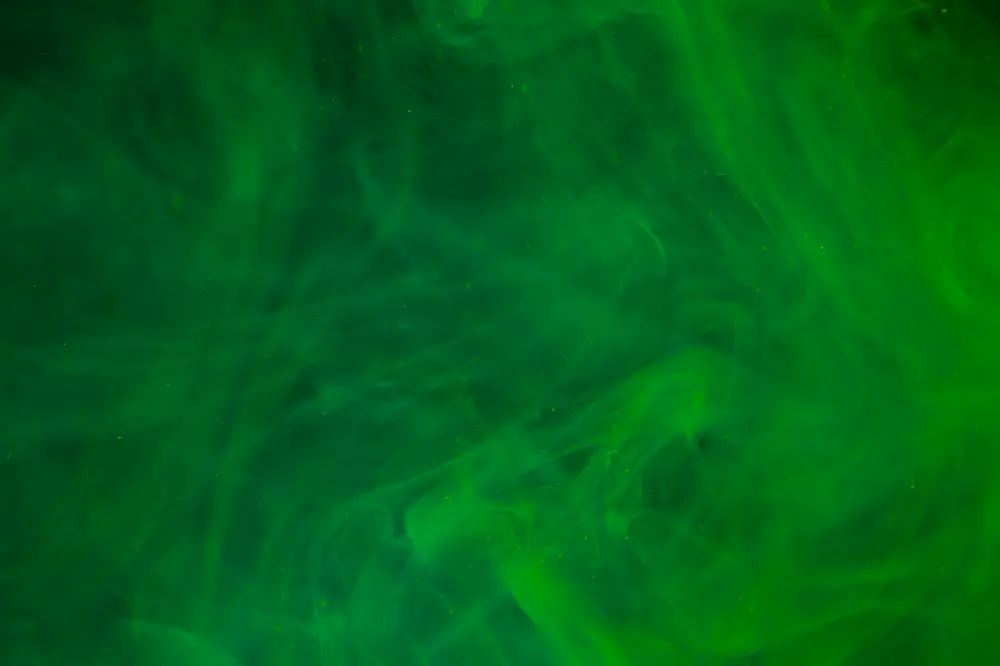
This page samples just one mood of abstract-design. The category holds many more pieces in a similar vein.
Save the pieces you love and share the collection with your circle.
