
Black Princess: Exploring a Unique Orchid Variety
The world of orchids is vast and captivating, filled with a stunning array of colors, shapes, and sizes. Among these botanical treasures, the Black Princess orchid (Dracula roezlii) stands out as a particularly intriguing and sought-after species. Its dramatic, almost gothic appearance, coupled with its unique fragrance, makes it a favorite among orchid enthusiasts. This article delves into the characteristics, care requirements, and fascinating history of the Black Princess orchid.
Often mistaken for a vampire orchid due to its dark coloration and intricate petal structures, the Black Princess is a member of the Dracula genus, known for its unusual and often macabre-looking flowers. These orchids are native to the cloud forests of southeastern Ecuador and Peru, thriving in cool, humid conditions. Their name, ‘Dracula,’ comes from the Latin word for ‘little dragon,’ a reference to the fang-like appendages found on the flowers.
Understanding the Black Princess Orchid
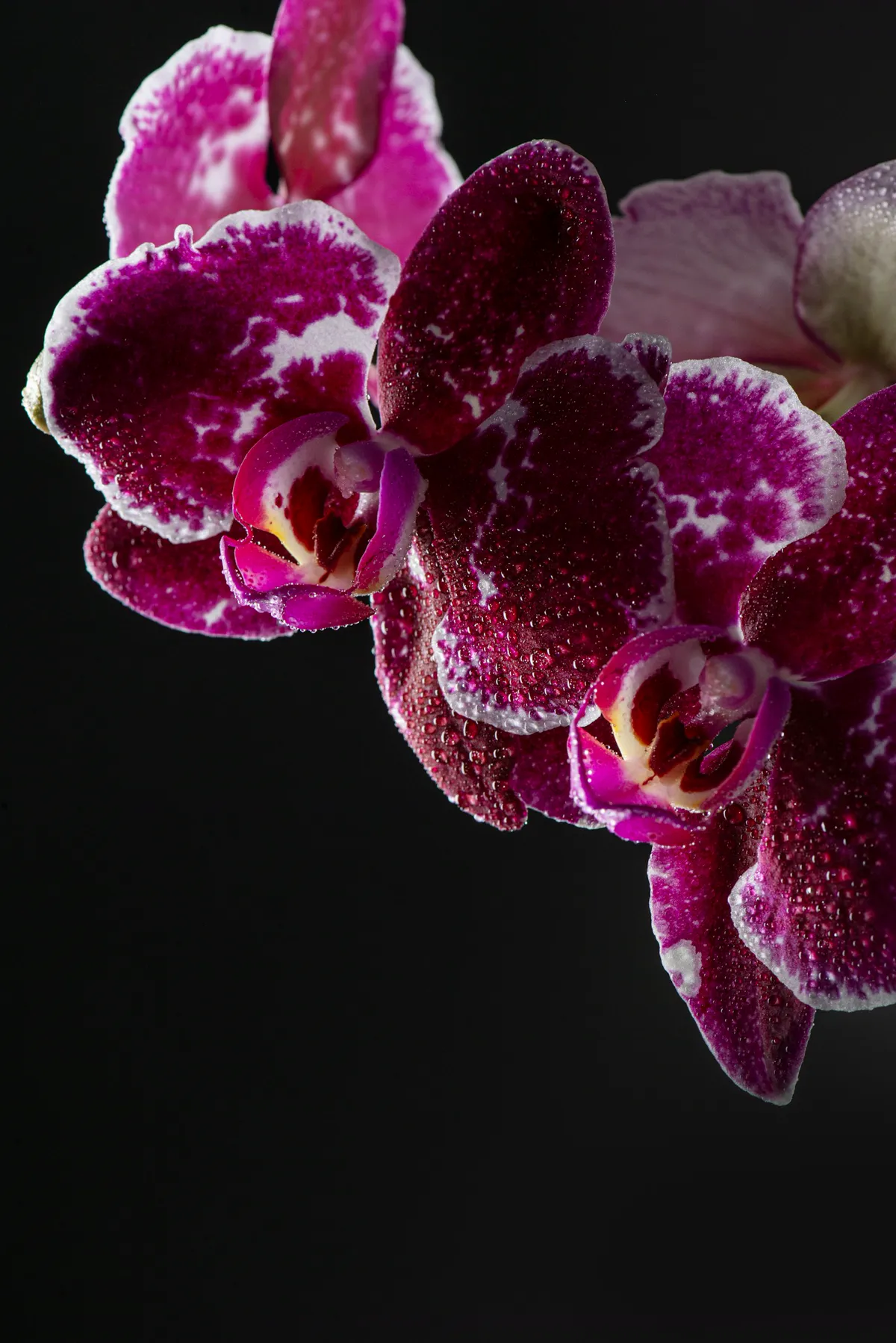
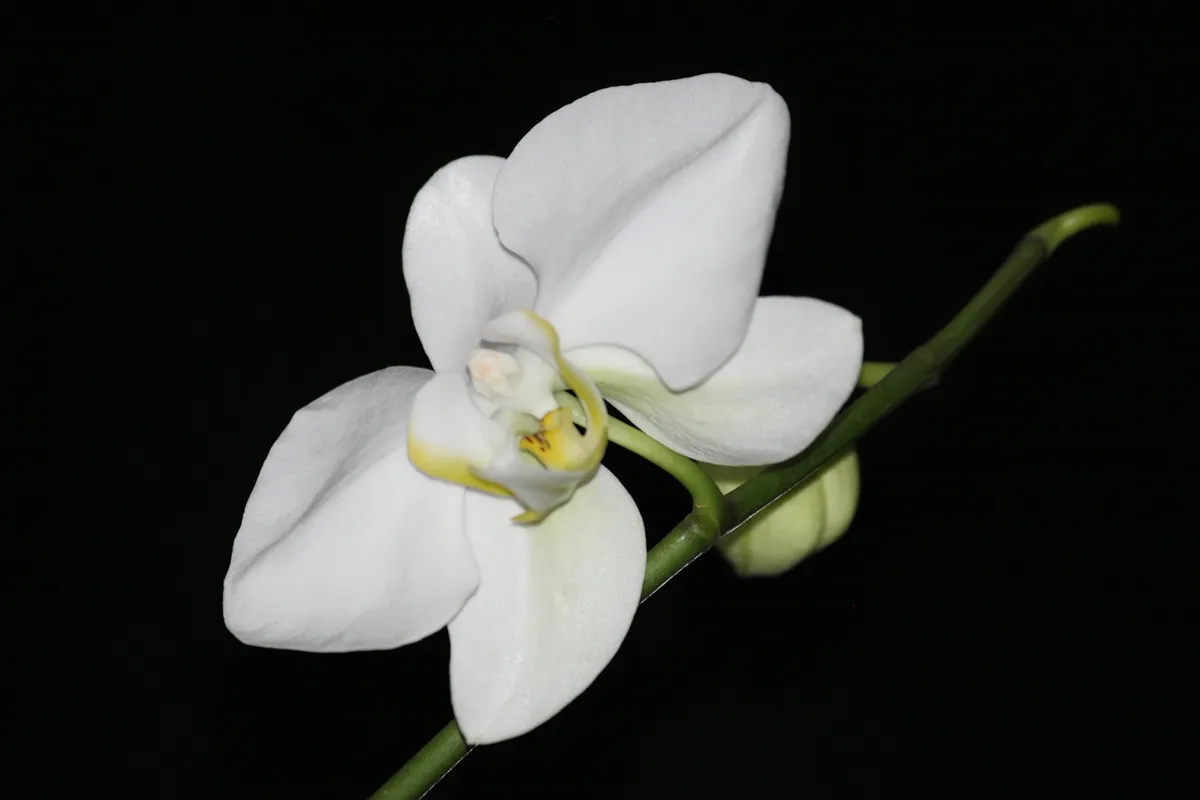
The Black Princess isn’t truly black, but rather a very deep burgundy or chocolate brown, sometimes appearing almost black depending on the lighting. The flowers are relatively small, typically around 2-3 inches in diameter, but their complex structure and dark hue make a significant visual impact. The petals are often adorned with intricate patterns and textures, adding to their allure. A key characteristic is the presence of long, slender tails extending from the sepals, resembling fangs or whiskers.
Beyond its appearance, the Black Princess orchid is also known for its unique fragrance. Unlike many orchids with sweet, floral scents, the Black Princess emits a scent often described as resembling a ripe plum or even a slightly fermented fruit. This unusual fragrance attracts its natural pollinators – euglossine bees, which are drawn to the scent and collect fragrant compounds for their mating rituals.
Cultivating the Black Princess: A Guide to Care
Growing the Black Princess orchid can be challenging, as it requires specific conditions to thrive. However, with the right knowledge and attention, it’s possible to successfully cultivate this stunning species. Here’s a breakdown of the essential care requirements:
- Temperature: Black Princess orchids prefer cool to intermediate temperatures, ideally between 55-70°F (13-21°C) during the day and 50-60°F (10-16°C) at night.
- Humidity: High humidity is crucial, ideally between 70-80%. This can be achieved through regular misting, using a humidifier, or placing the orchid in a terrarium.
- Light: These orchids require bright, indirect light. Direct sunlight can scorch the leaves. An east-facing window or a shaded greenhouse is ideal.
- Watering: Keep the potting medium consistently moist, but not soggy. Water thoroughly when the medium is almost dry, allowing excess water to drain away.
- Potting Medium: A well-draining potting mix is essential. A mixture of bark, sphagnum moss, and perlite works well.
- Fertilizing: Feed the orchid with a balanced orchid fertilizer diluted to half strength every 2-3 weeks during the growing season (spring and summer).
Maintaining these conditions is vital for the health and flowering of your Black Princess orchid. Proper airflow is also important to prevent fungal diseases. Consider using a small fan to circulate air around the plant. If you’re interested in learning more about orchid care in general, you might find information about orchids helpful.
The History and Discovery of Dracula roezlii
The Black Princess orchid, scientifically known as Dracula roezlii, was first discovered in 1978 by German botanist Luitgard de Barbieri. She stumbled upon this unique orchid while exploring the cloud forests of southeastern Ecuador. The species was named in honor of Dr. Rolando Roëzl, a renowned orchidologist.
The discovery of Dracula roezlii sparked significant interest within the orchid community. Its unusual appearance and fragrance quickly made it a highly sought-after species. However, due to its limited natural habitat and specific growing requirements, it remains relatively rare in cultivation. Conservation efforts are underway to protect the Black Princess orchid and its natural environment from habitat loss and illegal collection.
Propagation and Hybridization
Propagating the Black Princess orchid can be challenging. Seed propagation is possible, but requires sterile laboratory conditions. Vegetative propagation, such as division, is more practical for home growers, but only possible when the plant has produced multiple growths (pseudobulbs).
Hybridization with other Dracula species is becoming increasingly popular, resulting in a range of new and exciting orchid varieties. These hybrids often exhibit unique color combinations and fragrance profiles, while retaining the distinctive characteristics of the Dracula genus. Understanding propagation techniques can greatly increase your success with orchids.
Potential Issues and Troubleshooting
Like all orchids, the Black Princess can be susceptible to certain pests and diseases. Common problems include:
- Root Rot: Caused by overwatering and poor drainage.
- Fungal Infections: Often occur in humid conditions with poor airflow.
- Pest Infestations: Mealybugs, scale, and spider mites can occasionally attack orchids.
Regularly inspect your orchid for signs of pests or diseases. Treat any problems promptly with appropriate insecticides or fungicides. Ensuring proper ventilation and avoiding overwatering can help prevent many common issues. If you notice unusual spots on the leaves, researching orchid diseases can help you diagnose the problem.
Conclusion
The Black Princess orchid is a truly remarkable species, captivating orchid enthusiasts with its dramatic appearance, unique fragrance, and challenging cultivation requirements. While it may not be the easiest orchid to grow, the rewards are well worth the effort. By providing the right conditions and attentive care, you can enjoy the beauty and intrigue of this extraordinary botanical treasure for years to come. Its rarity and unique qualities make it a prized possession for any orchid collector.
Frequently Asked Questions
1. How often does a Black Princess orchid bloom?
Black Princess orchids typically bloom once a year, usually in the spring or summer. However, blooming frequency can vary depending on the plant’s age, health, and growing conditions. Providing consistent care and optimal conditions can encourage more frequent blooms.
2. Is the Black Princess orchid difficult to grow?
Yes, the Black Princess orchid is considered moderately to highly challenging to grow. It requires specific conditions, including cool temperatures, high humidity, bright indirect light, and a well-draining potting mix. It’s not recommended for beginner orchid growers.
3. What does the Black Princess orchid smell like?
The Black Princess orchid has a unique and somewhat unusual fragrance. It’s often described as resembling a ripe plum, fermented fruit, or even a spicy aroma. This scent attracts its natural pollinators, euglossine bees.
4. Where can I purchase a Black Princess orchid?
Due to its rarity, Black Princess orchids can be difficult to find. Specialized orchid nurseries and online orchid vendors are the best places to look. Be prepared to pay a premium price, as they are considered a collector’s item.
5. What are the biggest threats to the Black Princess orchid in the wild?
The biggest threats to the Black Princess orchid in the wild are habitat loss due to deforestation and illegal collection by orchid enthusiasts. Conservation efforts are underway to protect its natural habitat and prevent over-collection.
More abstract pieces are waiting in the related collections below — keep looking until one clicks.
Share this page with a fellow art lover looking for their next wallpaper.
