
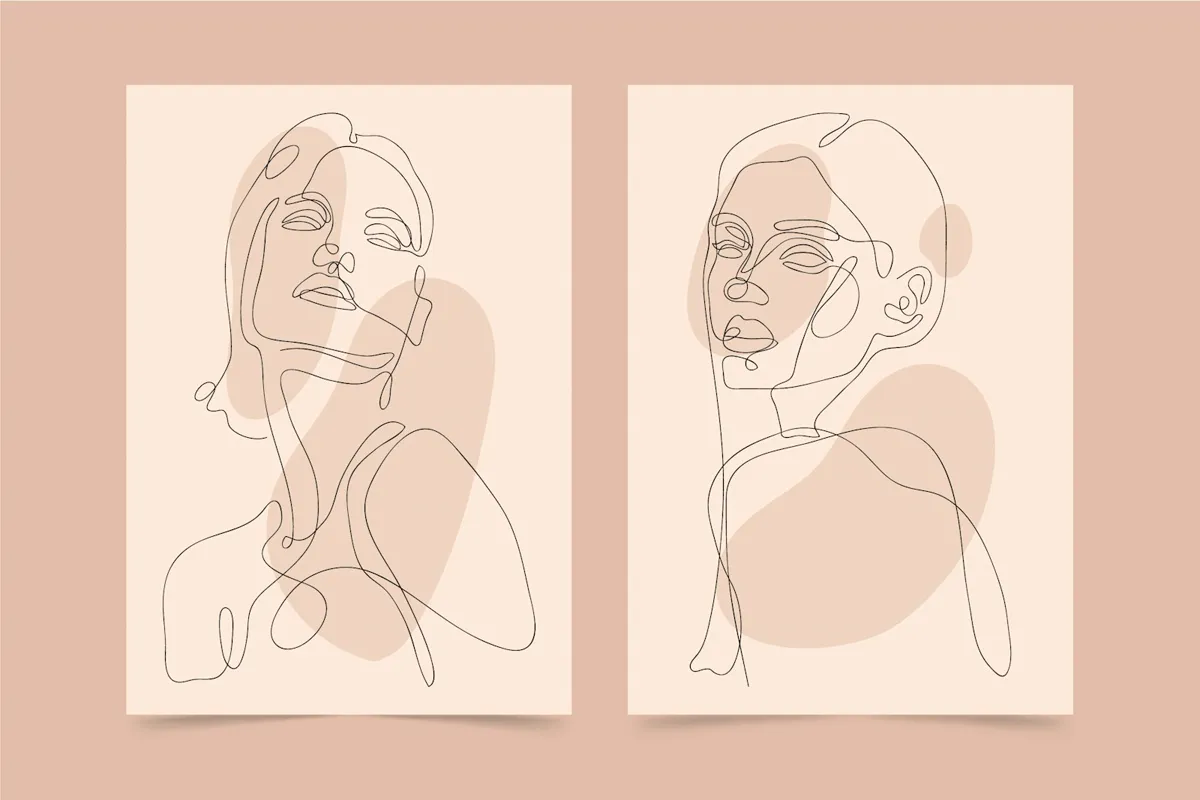
In the world of contemporary interior design, there is a growing movement toward stillness and simplicity. The abstract line art grey drawing stands as a testament to this shift, offering a sophisticated blend of minimalism and emotional depth. Unlike vibrant paintings that demand immediate attention, grey-toned line art whispers, inviting the viewer to find their own meaning within the fluid intersections of ink and paper. Whether you are a collector, a homeowner looking to refine your space, or an aspiring artist, understanding the nuances of monochromatic line work can transform a sterile room into a sanctuary of modern elegance.
- The Appeal of Monochromatic Line Art
- Exploring Styles: Geometric vs. Organic
- Selecting the Perfect Shade of Grey
- Integrating Grey Line Art into Modern Interiors
- Creating Your Own Abstract Line Works
- Framing and Preservation Techniques
- Conclusion
- Frequently Asked Questions
The Appeal of Monochromatic Line Art
The allure of an abstract line art grey drawing lies in its ability to strip away the noise of the physical world. By removing the distraction of a full color palette, the focus shifts entirely to composition, balance, and the rhythm of the line. This approach is deeply rooted in the philosophy of minimalism, where the goal is to achieve maximum impact with minimum means.
From a psychological perspective, grey is often associated with neutrality, balance, and maturity. When paired with the spontaneous nature of line art, it creates a tension between structure and freedom. Many enthusiasts find that these pieces provide a sense of calm, making them ideal for high-stress environments like home offices or bedrooms. By embracing minimalism in art, one can cultivate a space that promotes mental clarity and focus.
Furthermore, the use of grey allows for a subtle play of values. A drawing isn’t just one shade; it is a conversation between charcoal blacks, silver mid-tones, and the stark white of the canvas. This gradient creates a three-dimensional feel even in a two-dimensional medium, giving the art a breathing quality that shifts depending on the lighting of the room. In the context of modern interiors, this versatility makes grey line art an evergreen choice that transcends fleeting trends.

Exploring Styles: Geometric vs. Organic
When browsing for or creating abstract line art, it is essential to distinguish between the two primary directions: geometric and organic. Each brings a different energy to the space and interacts differently with the surrounding architecture.
Geometric Precision
Geometric abstract line art focuses on mathematical accuracy, straight lines, and defined angles. These pieces often evoke feelings of stability, order, and urbanity. Think of intersecting grids, concentric circles, or sharp zig-zags executed in a deep slate grey. This style pairs exceptionally well with Industrial or Mid-Century Modern decor, where clean lines are already a dominant theme. The rigidity of the geometry provides a grounding effect, making the room feel structured and intentional.
Organic Fluidity
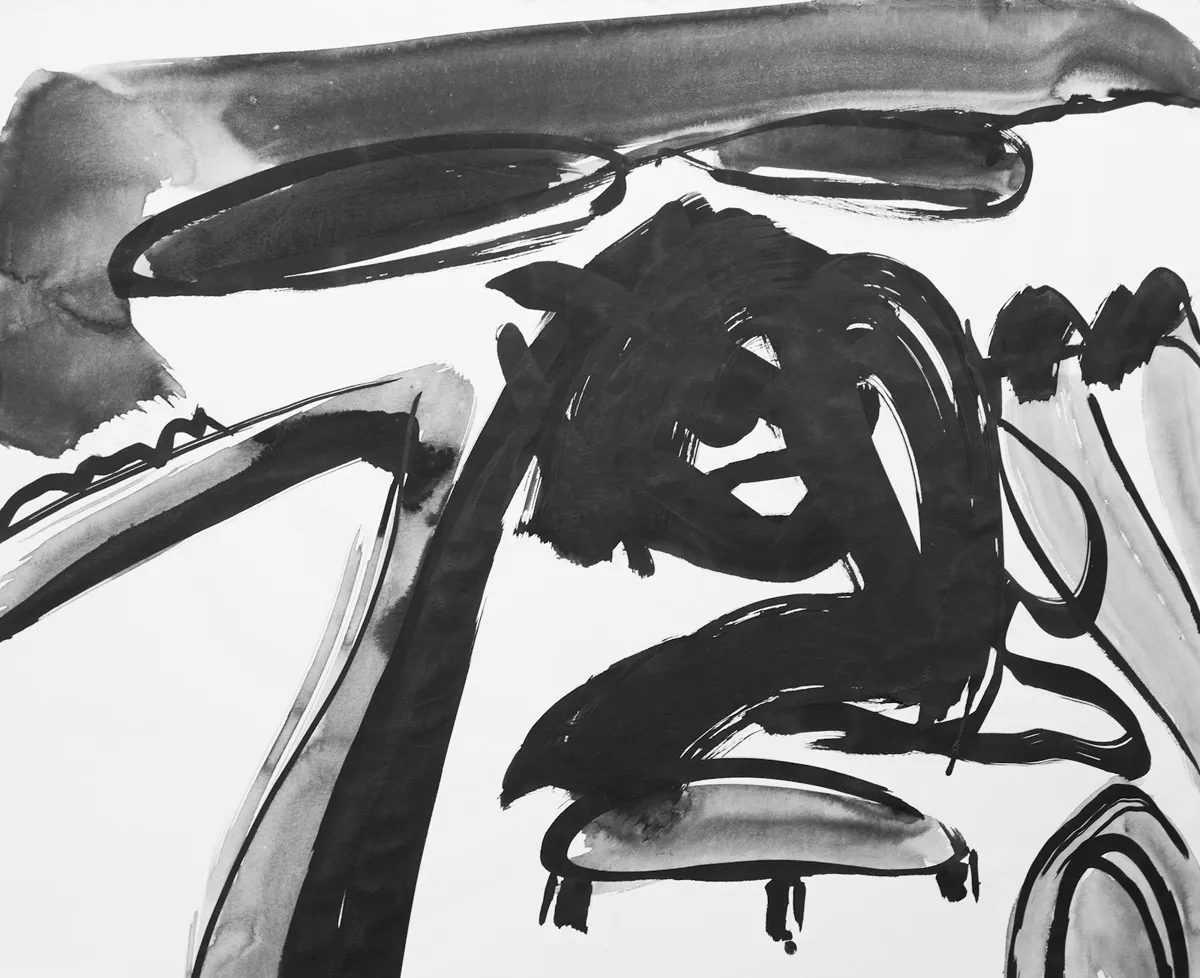
On the opposite end of the spectrum is organic line art. This style mimics the shapes found in nature—the curve of a leaf, the silhouette of a human body, or the flow of water. These drawings often utilize the continuous line technique, where the pen or charcoal never leaves the surface until the piece is complete. The result is a lyrical, dance-like quality that introduces softness into a room. Organic shapes are perfect for softening the hard edges of modern furniture, bringing a human, tactile element back into the living space.
Selecting the Perfect Shade of Grey
Not all greys are created equal. The temperature of the grey used in an abstract line art grey drawing can fundamentally change the mood of the artwork and the room it inhabits.
- Cool Greys: These contain hints of blue or green. Cool greys feel crisp, professional, and slightly detached. They work best in rooms with a lot of natural light or in spaces with a blue, white, or silver color scheme.
- Warm Greys (Greige): These have undertones of yellow, brown, or red. Warm greys feel cozy, inviting, and earthy. They are the ideal choice for living rooms or bedrooms where the goal is to create a sense of warmth and comfort.
- Charcoal and Slate: These are the high-contrast options. Darker greys provide a bold punch and can act as a focal point in an otherwise light-colored room, mimicking the strength of black without the harshness.
When selecting a piece, consider the lighting of your space. A cool grey drawing in a room with warm yellow lighting may appear muddy, while a warm grey piece in a room with blue-tinted LED lights might look sterile. The goal is to achieve a harmonious blend where the art feels like a natural extension of the environment.
Integrating Grey Line Art into Modern Interiors
Placing art is an art form in itself. To maximize the impact of your grey line drawings, you must consider the relationship between the piece, the wall color, and the furniture.
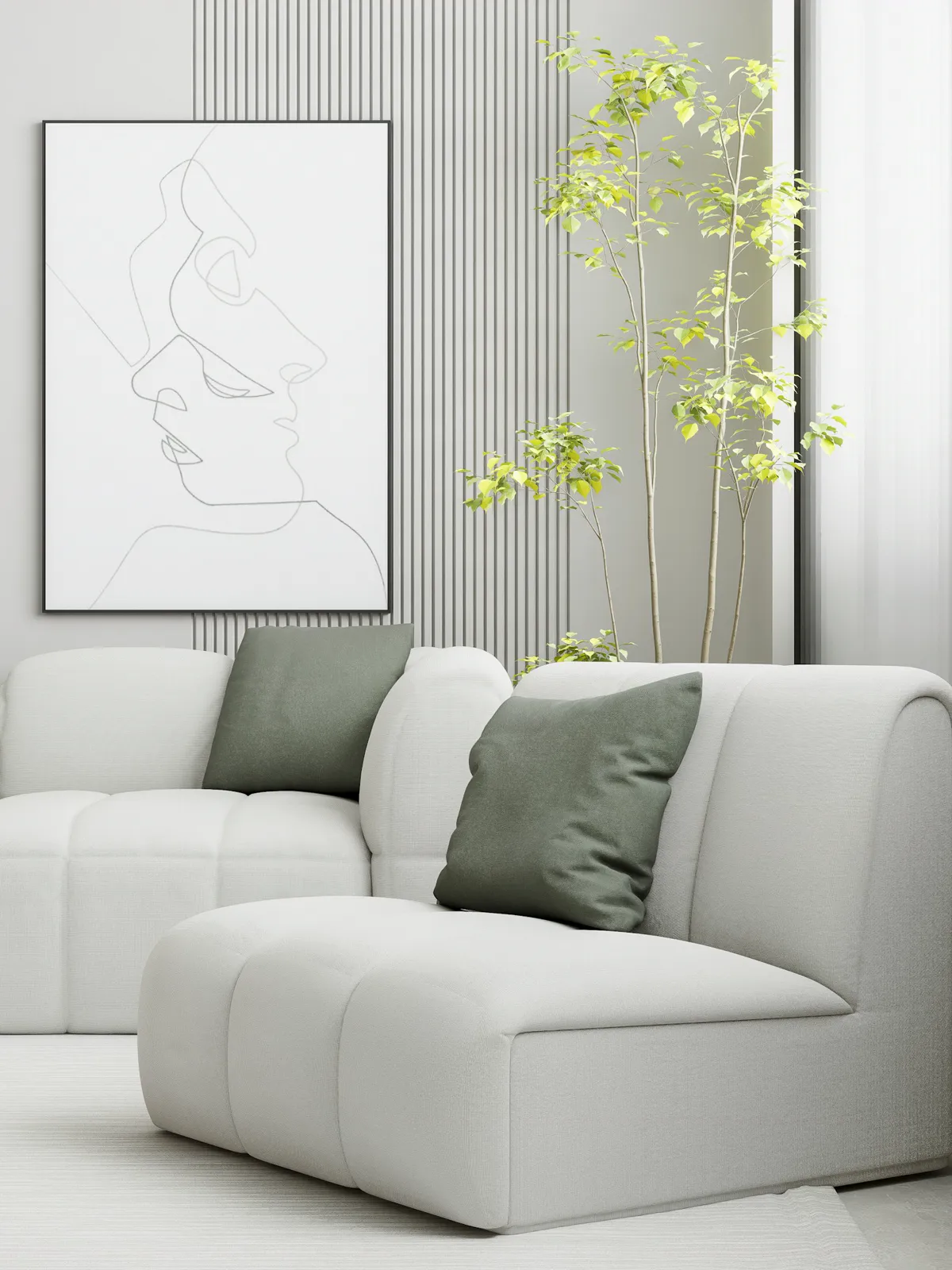
Creating a Gallery Wall
One of the most effective ways to display abstract line art is through a gallery wall. By mixing different sizes of grey drawings—some geometric and some organic—you create a visual narrative. Use a consistent frame color (such as matte black or light oak) to tie the different pieces together. The neutral palette of the art allows you to experiment with varied frame widths and matting styles without creating visual clutter.
The Statement Piece
Conversely, a single, oversized abstract line art grey drawing can serve as a powerful statement piece. Placing a large-scale drawing above a sofa or a bed creates a clear center of gravity for the room. In this scenario, the simplicity of the line work prevents the large scale from feeling overwhelming, maintaining the room’s airy quality while still providing a sophisticated point of interest.
Pairing with Textures
Since grey line art is visually ‘light,’ it provides a wonderful opportunity to play with tactile textures. Pair your artwork with a chunky knit throw, a velvet sofa, or a raw wooden coffee table. The contrast between the smooth, precise lines of the drawing and the rich, rough textures of the furniture creates a balanced sensory experience that feels curated rather than staged.
Creating Your Own Abstract Line Works
You don’t need to be a master painter to explore the world of abstract line art. The beauty of this medium is that it values expression over perfection. If you are interested in sketching your own pieces, start with a few basic principles.
First, choose your medium. Charcoal provides a soft, smudgable grey that is perfect for organic shapes. Fine-liner pens in grey ink offer precision and clarity for geometric work. For those who prefer a digital approach, software like Procreate or Adobe Illustrator allows for endless experimentation with line weights and shades.
Second, embrace the ‘ugly’ phase. Abstract art is about the process of discovery. Start by drawing a shape that feels intuitive—perhaps a series of overlapping circles or a single, winding path across the page. Don’t overthink the image; focus on the weight of the line. Varying the pressure of your tool creates visual hierarchy, where some lines feel heavier and more important than others.
Third, utilize negative space. The most common mistake beginners make is filling too much of the canvas. In minimalist art, the empty space is just as important as the line itself. Let the paper breathe. The silence of the white space is what gives the grey lines their power and elegance.
Framing and Preservation Techniques
The right frame can elevate a simple drawing into a museum-quality piece. For grey line art, the frame should complement the minimalism of the work rather than compete with it.
- Matting: Always use a high-quality acid-free mat. A wide white or off-white mat creates a buffer between the art and the frame, drawing the eye inward and giving the piece a professional look.
- Glass Choice: Consider anti-reflective or UV-protective glass. Grey tones, especially those created with charcoal or graphite, can be sensitive to light and may fade over time if exposed to direct sunlight.
- Frame Materials: A slim black aluminum frame is a classic choice for a modern look. For a softer, more Scandinavian feel, light-colored woods like ash or maple work beautifully with warm grey tones.
Proper preservation ensures that the delicate lines remain crisp. Avoid hanging your art in areas with high humidity, such as bathrooms, as this can cause the paper to warp or the ink to bleed, ruining the precision of the abstract work.
Conclusion
An abstract line art grey drawing is more than just a decorative accessory; it is a study in restraint and elegance. By focusing on the essence of form and the subtlety of monochromatic tones, these pieces bring a timeless quality to any interior. Whether you are drawn to the structured world of geometry or the flowing energy of organic shapes, the versatility of grey ensures that your art will remain relevant regardless of changing trends. By thoughtfully selecting your shades, integrating textures, and respecting the power of negative space, you can transform your living environment into a sophisticated gallery of calm.
Frequently Asked Questions
What colors pair best with grey abstract line art?
Grey is a neutral, meaning it pairs well with almost anything. For a monochromatic look, stick to whites, blacks, and various shades of grey. For a pop of color, muted tones like sage green, dusty rose, or navy blue work beautifully without overpowering the minimalist nature of the art.
How do I choose the right frame for a monochromatic drawing?
The frame should reflect the mood of the piece. If the drawing is sharp and geometric, a slim black or metallic frame is ideal. If the drawing is organic and soft, a light wood frame can add warmth and a natural feel. Always use a mat to provide visual breathing room.
Is digital line art as valuable as hand-drawn charcoal work?
Value is subjective. Hand-drawn charcoal pieces have a tactile, unique quality and ‘happy accidents’ that make them one-of-a-kind. Digital art offers incredible precision and scalability. Both are highly valued in modern design, depending on whether you prefer an organic or a polished aesthetic.
How can I create a focal point using minimalist grey art?
The best way to create a focal point with minimalist art is through scale and contrast. A very large grey drawing on a stark white wall creates a powerful visual anchor. Alternatively, placing a dark charcoal drawing against a light grey wall creates enough contrast to draw the eye without being jarring.
What is the difference between geometric and organic line art?
Geometric line art relies on straight lines, angles, and mathematical shapes, evoking order and structure. Organic line art uses curves, flowing paths, and irregular shapes, evoking nature, emotion, and fluidity.
Related posts:

One collection down, another calling: Black Abstract Shapes Tutorial: Master Minimalist Graphic Design is the closest companion to what you just viewed.
Bookmark this set for the next time your screen needs a new mood.
