
Introduction to Watercolor Abstract Painting
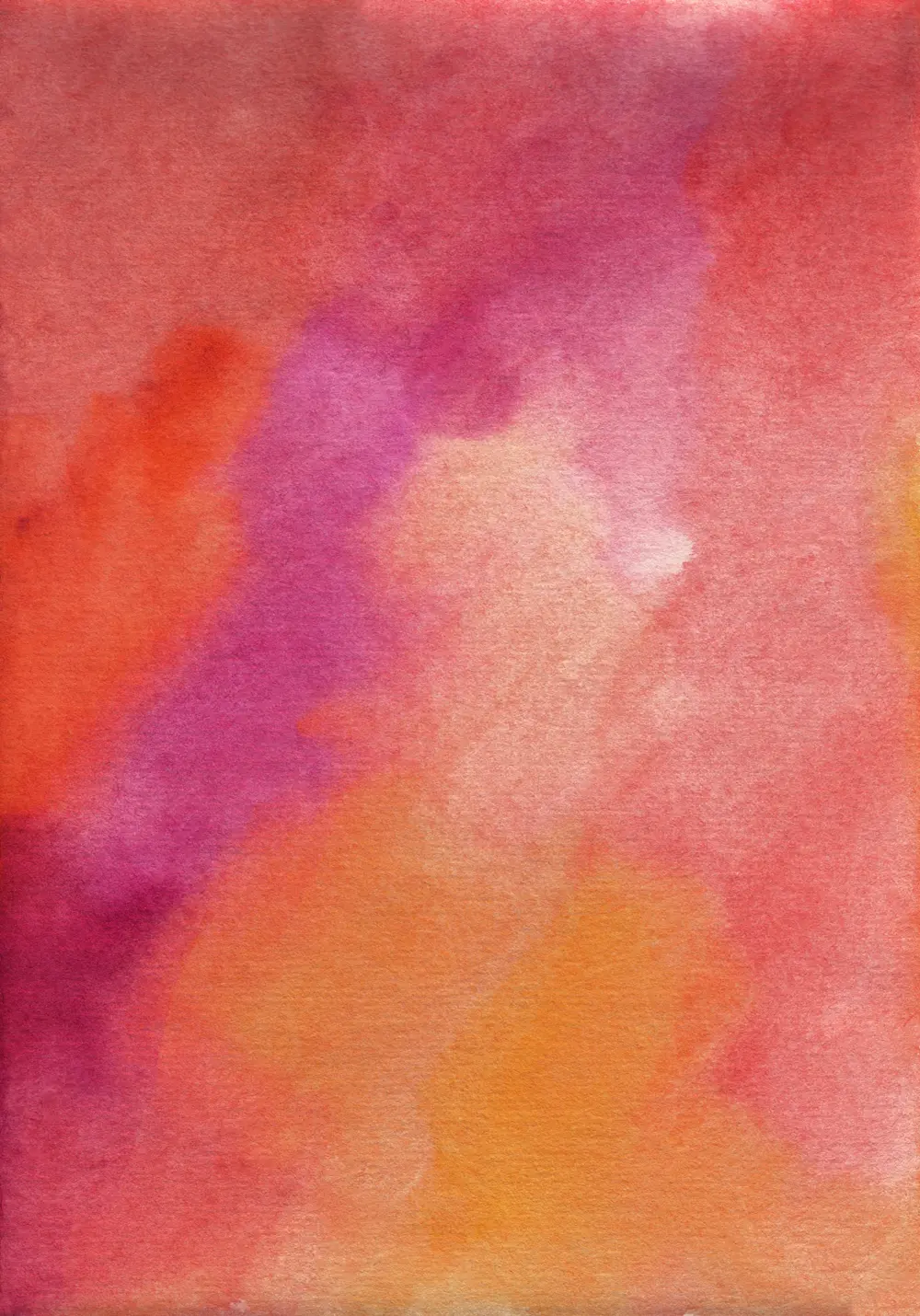
Watercolor abstract painting represents a liberating departure from traditional representation, allowing artists to channel raw emotion, fluid dynamics, and spontaneous mark-making into captivating visual compositions. Unlike realistic botanical illustrations or rigid architectural sketches, abstract art in watercolors embraces the unpredictable nature of pigments suspended in water. When the wet brush meets heavy-grain paper, a fascinating dance of physics and chemistry unfolds, creating blooms, backruns, and delicate gradients that no human hand can entirely control. This unique medium demands a delicate balance between meticulous planning and intuitive surrender, making it one of the most rewarding yet challenging forms of creative expression.
Stepping away from recognizable subjects frees the mind to explore pure elements of design: color harmony, rhythmic textures, negative space, and dynamic balance. Whether you are an experienced creator looking to break out of a creative rut or a curious beginner eager to understand the fundamentals of modern painting, mastering abstract watercolor requires a shift in mindset. You stop asking, “Does this look like a tree?” and instead ask, “Does this color palette evoke a feeling? Do these shapes create visual tension?” Throughout this comprehensive guide, we will explore the essential techniques, materials, and conceptual frameworks needed to elevate your abstract art practice, helping you build confidence and find your unique artistic voice through expressive creativity.
In This Article
Essential Materials for Abstract Watercolors
The foundation of any successful watercolor piece lies in the quality of your supplies. Because abstract work often relies on heavy water manipulation, layering, and textural additives, low-grade student materials will quickly frustrate your progress. Investing in professional-grade tools ensures vibrant lightfastness, predictable drying times, and the structural integrity needed to withstand aggressive scrubbing or masking.
Choosing the Right Paper
Paper is arguably the most critical component in watercolor painting. Standard printer paper or thin sketchbooks will buckle, pill, and disintegrate under heavy washes. You should look for cold-pressed or rough watercolor paper made from 100% cotton rag. Cotton fibers absorb moisture evenly and remain strong when saturated. A weight of 300gsm (140lb) is the industry standard for daily practice, while 640gsm (300lb) blocks eliminate the need for tedious stretching before you begin your painting session.
Paints: Pans vs. Tubes
Both artist-grade pan sets and tube watercolors have their place in an abstract studio. Tubes contain moist pigment that reactivates instantly, allowing you to mix rich, saturated puddles of color quickly—ideal for large expressive washes. Pans are excellent for travel and precise color control. Look for professional brands that list single-pigment colors on the labels, as this prevents muddy mixtures when combining multiple hues on the paper.
Brushes and Experimental Tools
While traditional round and flat sable brushes are indispensable, abstract painting invites you to think beyond standard art supplies. Keep a collection of large, soft hake brushes for sweeping background washes. Additionally, collect household items such as old credit cards for scraping paint, sponges for sponging texture, spray bottles for creating soft water blooms, and natural sea sponges for organic, mottled patterns.
Core Techniques for Dynamic Textures
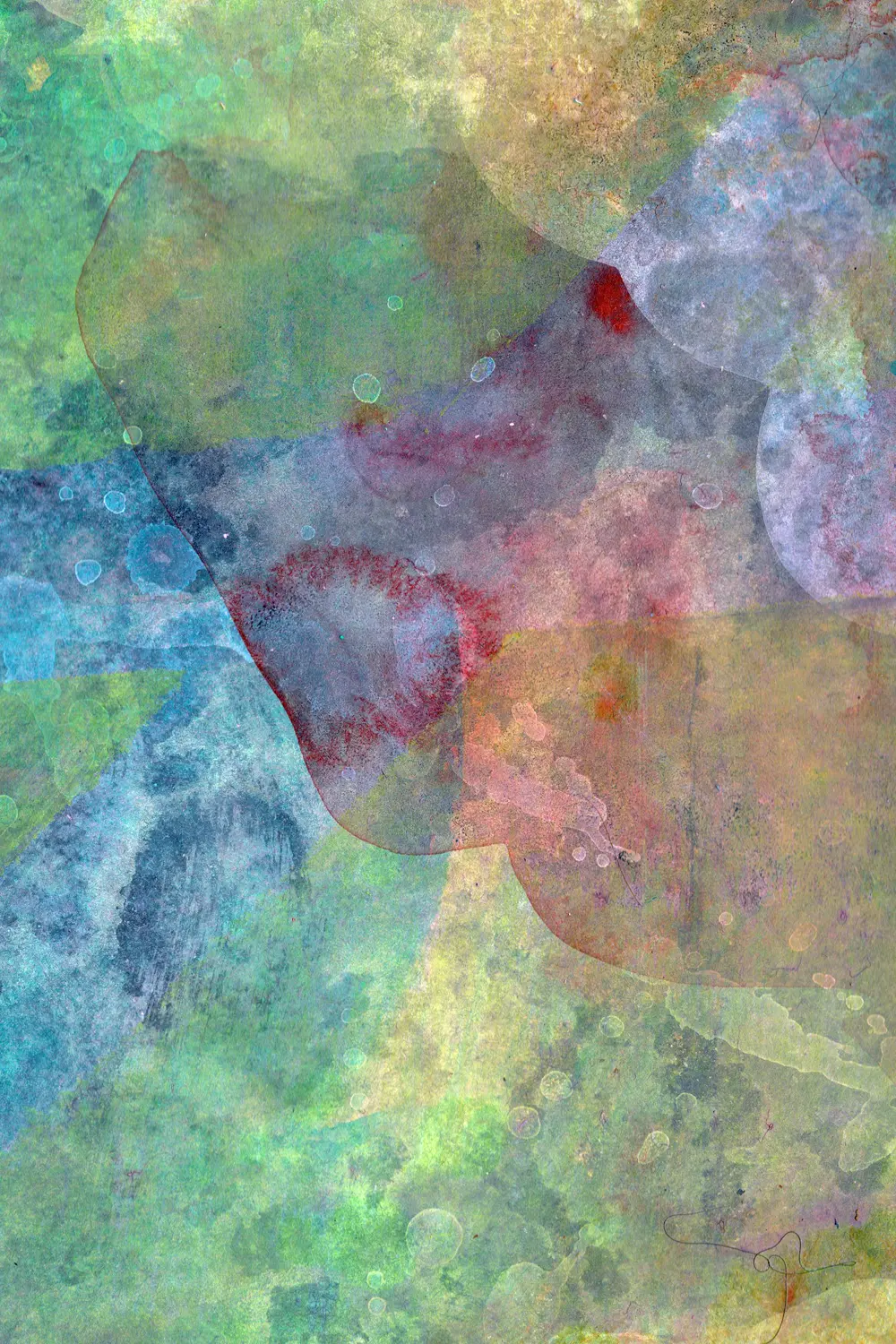
Abstract watercolors thrive on texture and unexpected chemical reactions. By manipulating water-to-pigment ratios, you can create breathtaking visual depth that keeps the viewer’s eye moving across the page.
Wet-on-Wet Diffusion
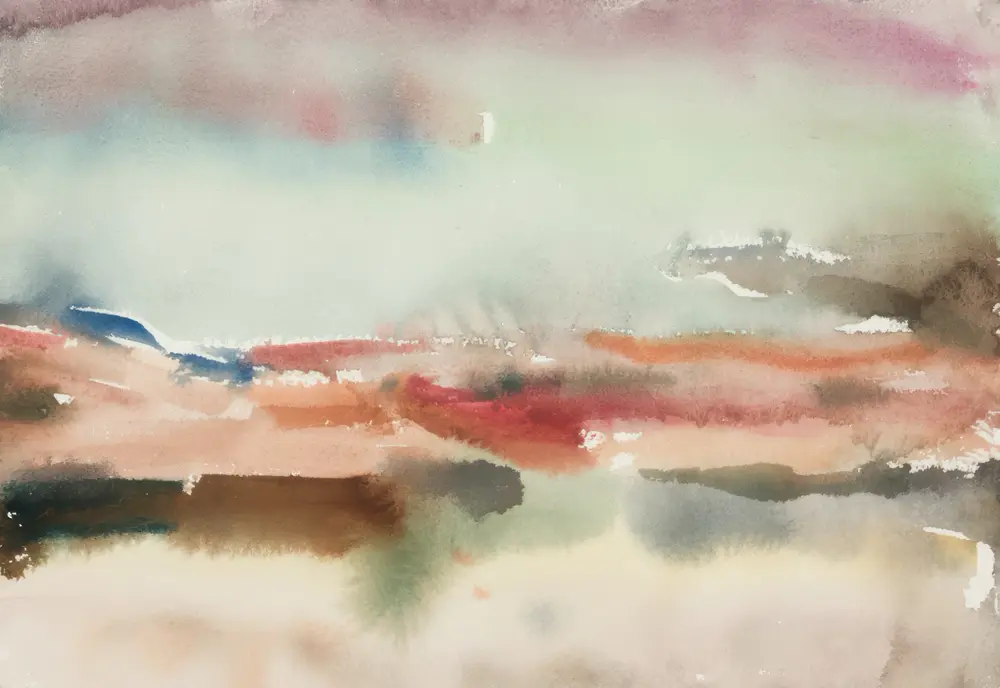
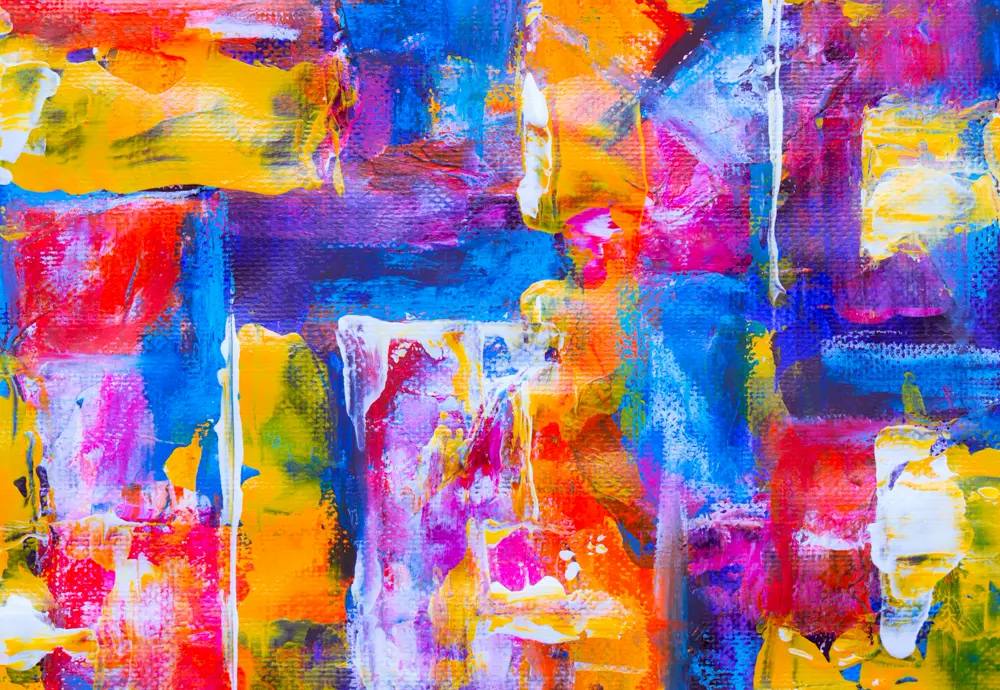
The wet-on-wet technique involves applying wet paint onto pre-moistened paper. This allows pigments to bleed, feather, and merge organically into soft, ethereal clouds of color. It is the ultimate method for establishing moody atmospheric backgrounds or nebulous organic forms in your abstract compositions.
Lifting and Scraping
Subtractive methods are just as important as adding pigment. By lifting wet paint with a dry synthetic brush or a folded paper towel, you can carve out stark highlights and luminous negative shapes. Scraping into semi-dry paint with a palette knife or the edge of a card exposes the white paper underneath, creating sharp linear rhythms that contrast against soft washes.
Salt and Splatter Effects
Sprinkling coarse sea salt onto damp washes draws moisture toward the crystal grains, pushing pigment away and leaving behind intricate, star-like snowflake patterns once dry. Similarly, flicking diluted pigment off a stiff toothbrush introduces energetic, chaotic focal points that ground an otherwise quiet composition.
Mastering Composition and Color Theory
Even the most spontaneous abstract paintings benefit from underlying structural principles. Without a clear focal point or intentional color hierarchy, a painting can quickly descend into visual noise.
Balancing Negative and Positive Space
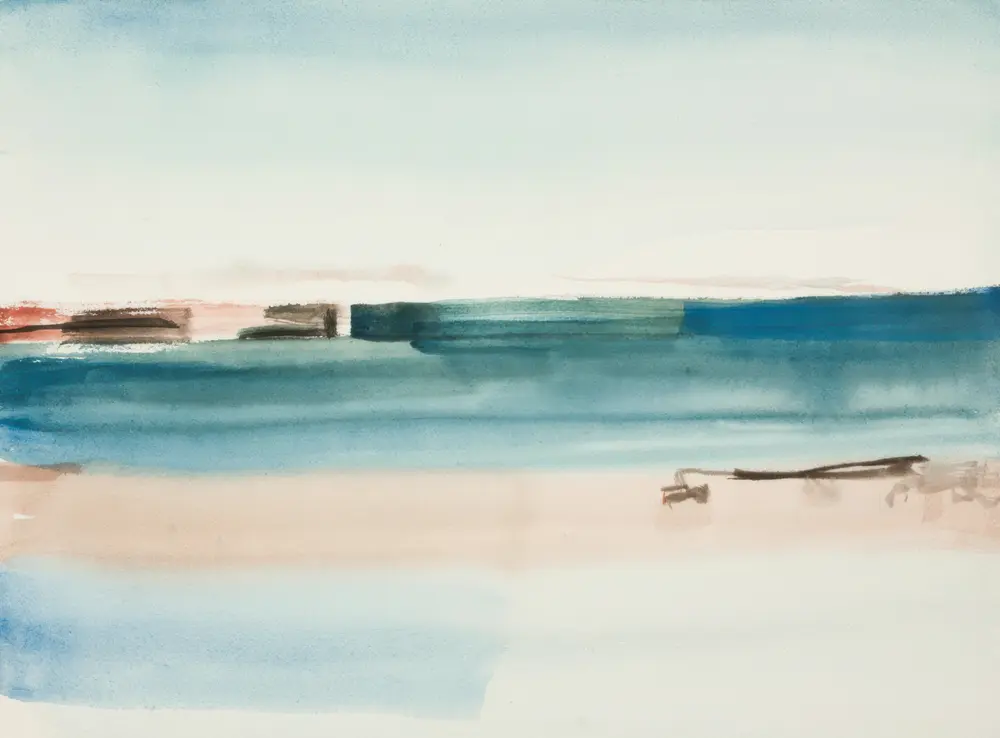
Resist the urge to fill every square inch of your paper. Negative space—the untouched or softly washed areas surrounding your bold marks—gives the eye a place to rest. Effective abstract compositions utilize asymmetrical balance, placing heavy visual weight off-center to create tension and intrigue.
Intentional Color Palettes
Limit your palette to three or four core colors per painting to maintain harmony. Utilizing analogous color schemes (colors next to each other on the color wheel, like blues, greens, and turquoises) produces serene, contemplative moods. Conversely, introducing a small pop of a complementary accent (such as a streak of fiery orange against a field of cool indigo) creates an electric focal point that immediately commands attention.
Step-by-Step Abstract Workflow
Developing a repeatable workflow helps remove the intimidation of the blank white page. Follow these sequential phases to guide your next abstract watercolor session from chaos to completion.
- Phase 1: The Intuitive Wash. Wet your paper and drop in large, uninhibited pools of watery pigment. Do not worry about shapes; focus purely on setting a mood and establishing underlying color harmonies. Let it dry completely.
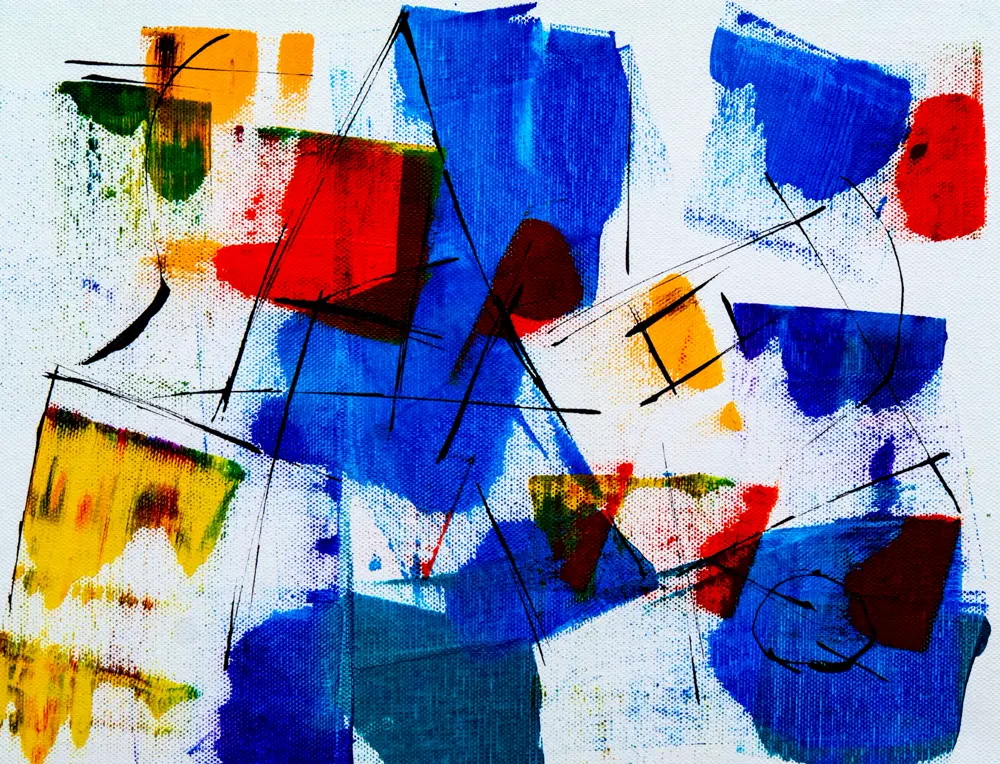
- Phase 2: Defining Structures. Once the first layer is bone dry, analyze the paper for accidental shapes, interesting edges, or pleasing color gradients. Use a smaller brush with more concentrated pigment to define directional lines, geometric shapes, or organic calligraphic marks.
- Phase 3: High-Contrast Details. Add your darkest darks and sharpest details in selective areas. This creates a strong value structure that anchors the entire piece and draws the viewer’s eye through a deliberate visual pathway.
- Phase 4: Evaluation and Restraint. Step back across the room to view your painting from a distance. Often, overworking is the death of an abstract watercolor. Know when to put the brush down and declare the piece finished.
Troubleshooting Common Watercolor Challenges
Working with watercolors can be humbling. Understanding why certain mishaps occur will save you hours of frustration.
Muddy Colors
Mud happens when you mix too many competing hues together—especially three primary colors simultaneously—or when you scrub over wet paper that has already begun to dry. To prevent this, let layers dry completely before glazing new color over them, and clean your water jar frequently.
Hard Water Edges (Backruns / Cauliflowers)
Backruns occur when a wet brush touches an area of paper that is drying unevenly, pushing the pigment outward into an ugly ring. You can embrace these as organic textures in abstract art, or soften them immediately by dampening the entire area and gently blotting with a clean sponge.
Frequently Asked Questions
What is the best paper for watercolor abstract painting?
100% cotton cold-pressed paper weighing at least 300gsm (140lb) is the gold standard. It absorbs water evenly without warping or tearing during aggressive scraping and layering techniques.
How do I stop my watercolor abstract painting from looking muddy?
Mud is caused by mixing too many complementary or primary colors together at once, or by over-working damp paper. Ensure your layers dry completely before applying glazes, and use a clean brush with fresh water.
Can I use acrylic inks or markers on top of dried watercolors?
Yes, mixed media works exceptionally well in modern abstract art. Once your watercolor layer is completely dry, you can use waterproof ink pens, gouache, or acrylic markers to add sharp linear contrast and graphic detail.
How do I know when an abstract watercolor painting is finished?
A good rule of thumb is to step back several feet from your desk or easel. If the eye has a clear pathway, a strong balance of light and dark values, and a pleasing emotional resonance, it is usually time to stop painting.
Do I need expensive brushes for abstract watercolor?
While professional brushes hold more water and maintain a sharper point, abstract painting is uniquely forgiving. You can achieve fantastic textures using household sponges, old credit cards, stiff bristle scrubbers, and inexpensive hake brushes.
Related posts:
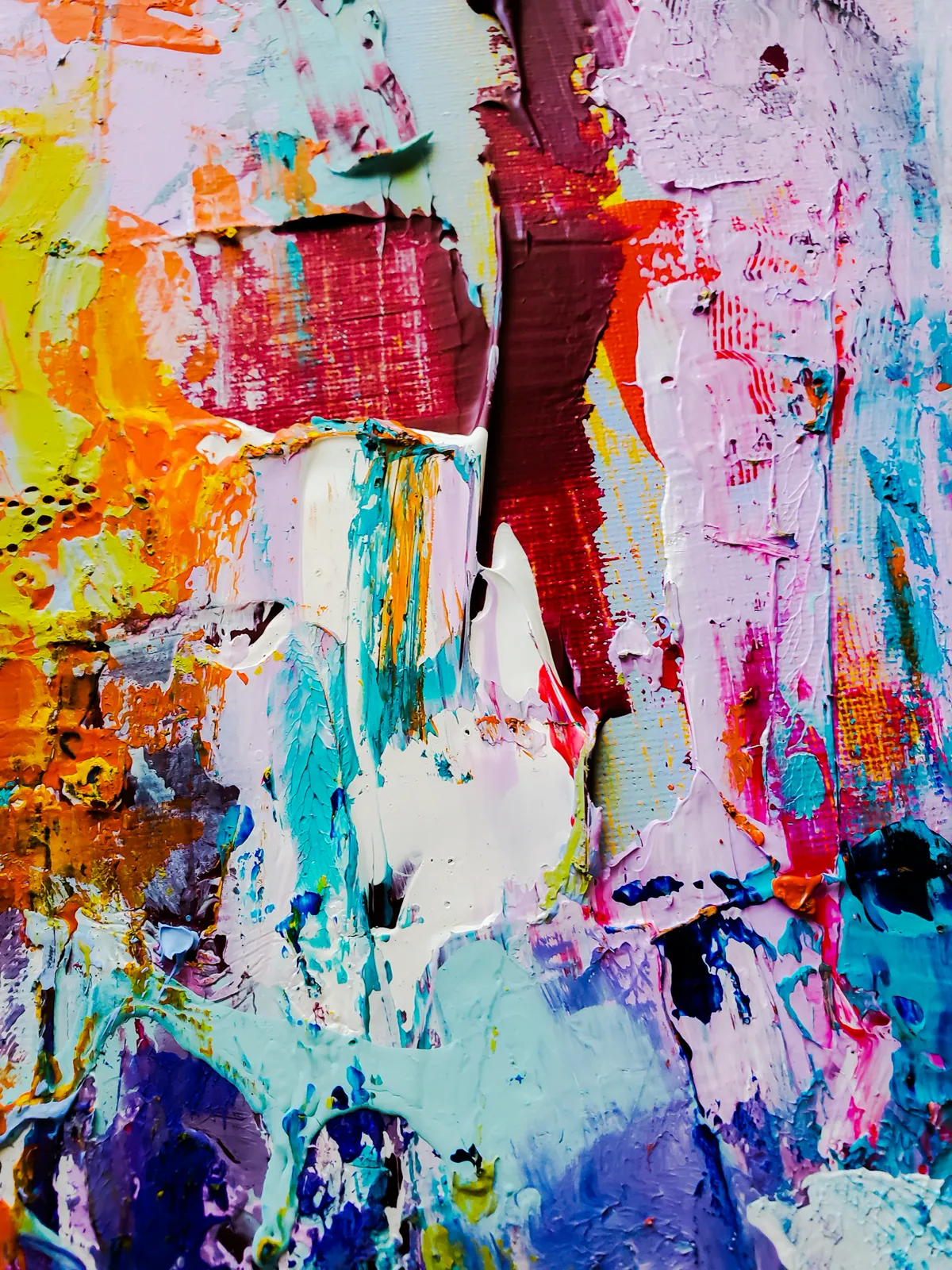
Abstract work rewards a second look — browse more of abstract-art-techniques when you are ready for a new backdrop.
Save the pieces you love and share the collection with your circle.
