
Abstract Art: Exploring Non-Representational Creativity
Abstract art, a departure from depicting recognizable imagery, invites viewers to engage with art on a purely emotional and intellectual level. It’s a realm where color, form, and texture take center stage, unburdened by the need to represent the physical world. This approach to artistic expression has a rich history and continues to evolve, captivating audiences with its ambiguity and potential for personal interpretation.
For many, abstract art can seem daunting or inaccessible. The absence of familiar subjects can lead to questions like, “What am I supposed to be looking at?” or “What does it mean?” However, understanding the core principles and historical context of abstract art can unlock a deeper appreciation for its unique qualities. It’s less about *what* you see and more about *how* you feel when you look at it.
The Origins of Abstraction
While elements of abstraction have existed throughout art history, the modern movement truly began in the early 20th century. Artists began to question the traditional role of art – to accurately reflect reality. Several factors contributed to this shift, including the rise of photography, which challenged painting’s representational function, and the growing influence of non-Western art forms, which often prioritized symbolic and spiritual expression over realistic depiction.
One of the earliest pioneers of abstraction was Wassily Kandinsky, often credited with painting one of the first truly abstract works. Kandinsky believed that art should express the “inner necessity” of the artist, conveying emotions and spiritual truths through pure form and color. His work, like “Composition VII,” is a vibrant explosion of shapes and hues, devoid of any recognizable objects. Understanding art history provides a valuable context for appreciating these groundbreaking works.
Key Movements in Abstract Art
Abstract art isn’t a monolithic style; it encompasses a diverse range of movements, each with its own distinct characteristics:
- Geometric Abstraction: This style, exemplified by artists like Piet Mondrian and Kazimir Malevich, emphasizes precise geometric forms – squares, rectangles, circles, and lines – often arranged in minimalist compositions. Mondrian’s “Composition with Red, Blue and Yellow” is a prime example, showcasing his belief in achieving harmony through fundamental visual elements.
- Abstract Expressionism: Emerging in post-World War II America, Abstract Expressionism is characterized by its large scale, gestural brushwork, and emphasis on spontaneous, emotional expression. Jackson Pollock’s “drip paintings” and Mark Rothko’s color field paintings are iconic examples of this movement.
- Lyrical Abstraction: A more subjective and intuitive form of abstraction, Lyrical Abstraction focuses on creating a sense of atmosphere and mood through flowing lines, soft colors, and organic shapes.
- Minimalism: Reducing art to its most essential forms, Minimalism rejects ornamentation and emotional content, focusing on the physical properties of materials and the spatial relationships between objects.
Understanding Abstract Techniques
Abstract artists employ a variety of techniques to create their works. These can include:
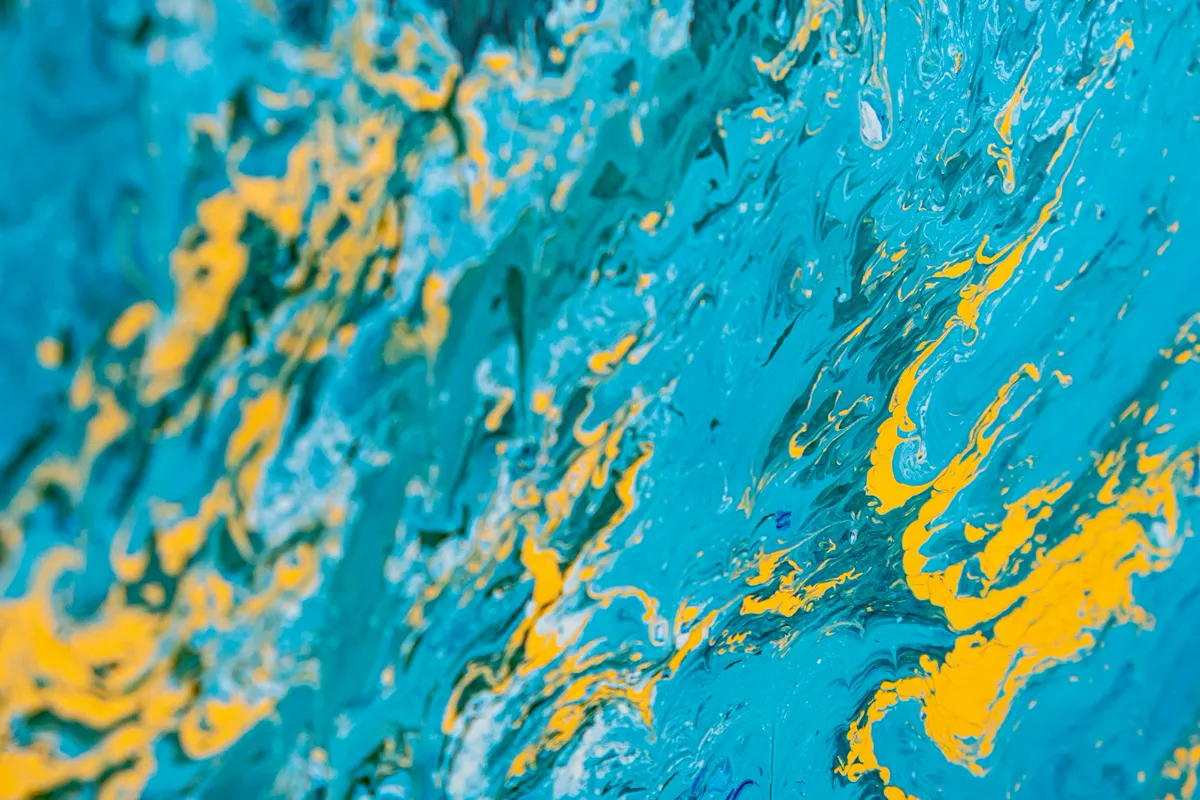
- Color Field Painting: Using large areas of flat color to evoke emotional responses.
- Gestural Abstraction: Employing energetic brushstrokes and spontaneous mark-making.
- Collage: Combining different materials, such as paper, fabric, and found objects, to create textured compositions.
- Mixed Media: Incorporating various materials and techniques into a single artwork.
The choice of technique often reflects the artist’s intent and the specific emotions or ideas they wish to convey. Exploring different art techniques can broaden your understanding of the creative process.
Interpreting Abstract Art
There’s no single “right” way to interpret abstract art. Unlike representational art, which offers a clear subject matter, abstract works are open to multiple interpretations. Here are some tips for engaging with abstract art:
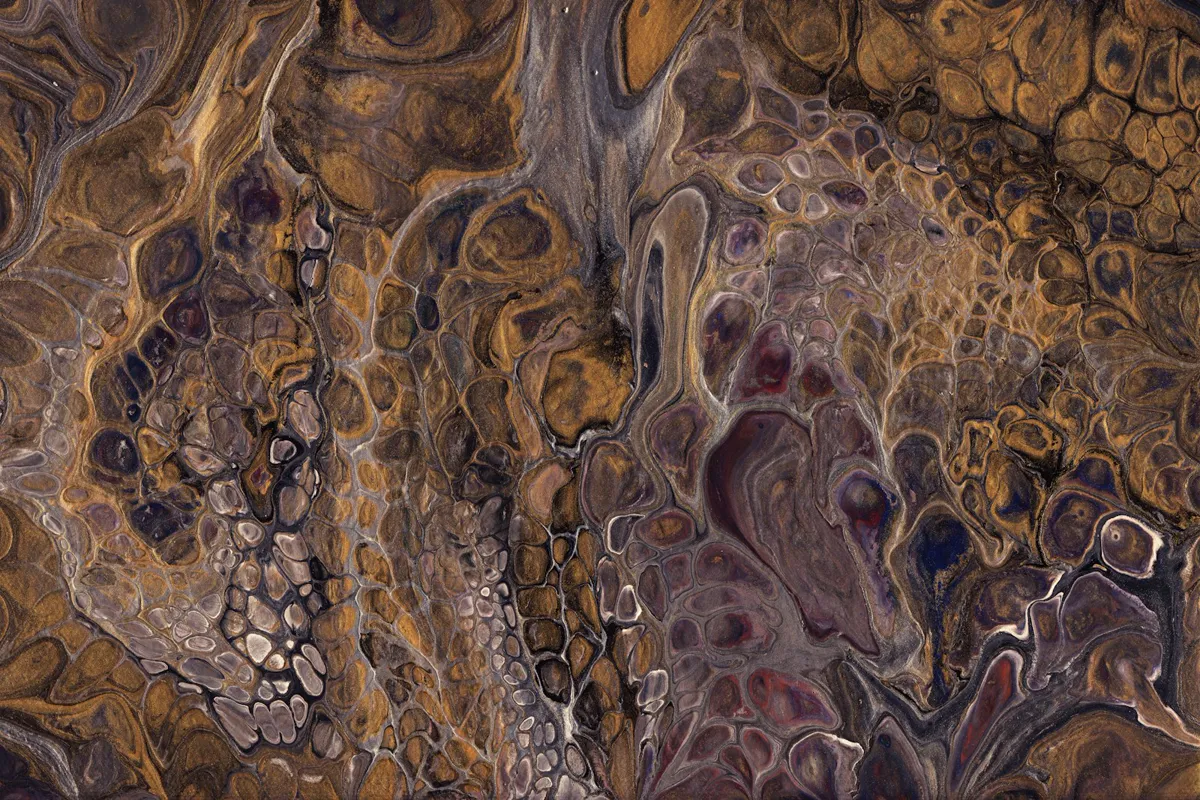
- Focus on your emotional response: How does the artwork make you feel? What emotions or memories does it evoke?
- Consider the elements of art: Pay attention to the use of color, form, texture, and composition. How do these elements contribute to the overall effect of the artwork?
- Think about the artist’s intent: Research the artist and the historical context of the work. What were they trying to achieve?
- Allow yourself to be open to ambiguity: Abstract art is often intentionally ambiguous. Embrace the uncertainty and allow your imagination to wander.
Remember, the beauty of abstract art lies in its subjectivity. Your interpretation is just as valid as anyone else’s. It’s a conversation between the artwork and the viewer.
The Continuing Relevance of Abstract Art
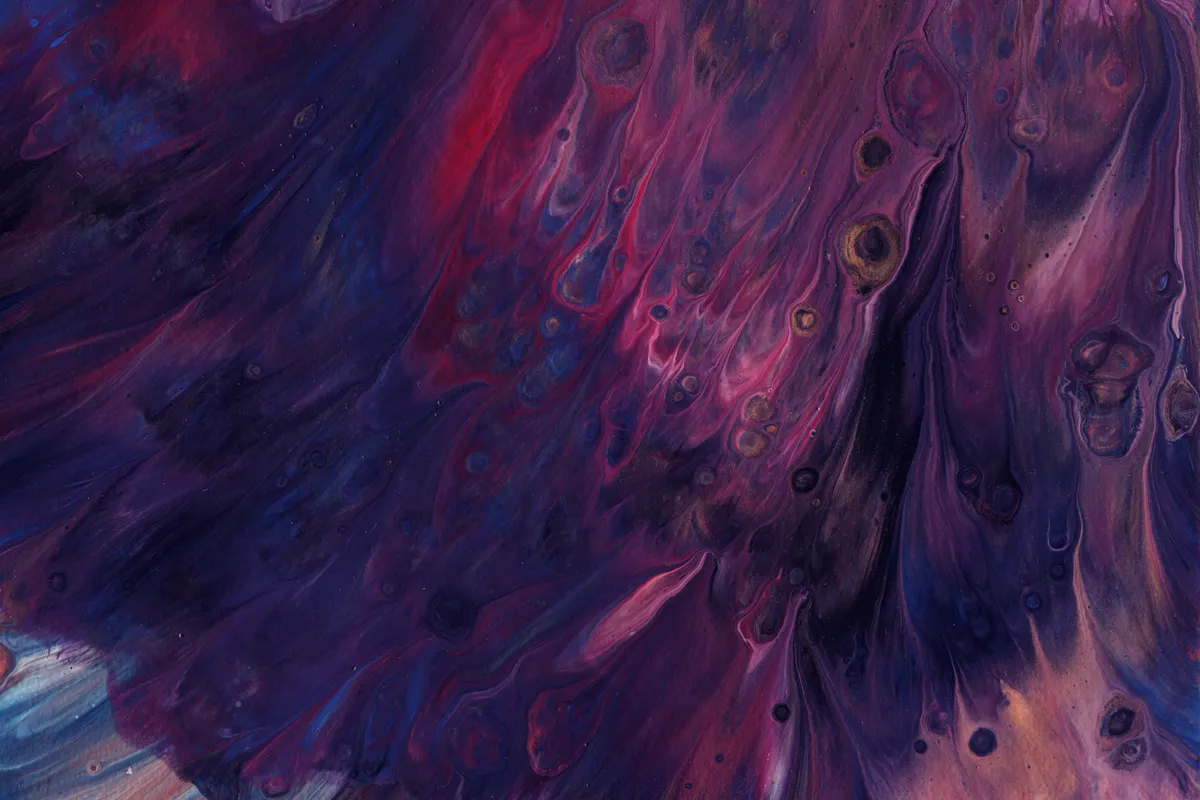
Abstract art continues to be a vital and influential force in the art world today. Its emphasis on experimentation, innovation, and emotional expression resonates with contemporary artists and audiences alike. It challenges us to look beyond the surface and to engage with art on a deeper, more personal level. The exploration of form and color remains a powerful means of communication, transcending cultural and linguistic barriers. The principles of abstract art can even be applied to other creative fields, such as design and music.
Conclusion
Abstract art may initially seem challenging, but it offers a rewarding experience for those willing to engage with it on its own terms. By understanding its historical context, key movements, and techniques, you can unlock a deeper appreciation for its unique qualities. Embrace the ambiguity, trust your instincts, and allow yourself to be moved by the power of non-representational creativity.
Frequently Asked Questions
- Question: How can I tell if an abstract artwork is “good”?
Answer: “Good” is subjective when it comes to abstract art. Instead of looking for technical skill in representing something recognizable, consider whether the artwork evokes an emotional response, demonstrates a thoughtful use of elements like color and form, and feels conceptually engaging. Personal connection is key.
- Question: Is abstract art just random?
Answer: While it may appear random at first glance, most abstract art is the result of deliberate choices made by the artist. These choices relate to composition, color theory, texture, and the overall concept the artist is trying to convey. There’s often a hidden structure or underlying intention.
- Question: I don’t have an art background. Can I still appreciate abstract art?
Answer: Absolutely! You don’t need formal training to enjoy abstract art. Focus on how the artwork makes you *feel* rather than trying to “understand” it intellectually. Your personal response is what matters most.
- Question: What is the difference between abstract and non-objective art?
Answer: While often used interchangeably, there’s a subtle difference. Abstract art often starts with a recognizable subject, then simplifies or distorts it. Non-objective art, on the other hand, has no reference to the natural world whatsoever; it’s purely about form, color, and composition.
- Question: Where can I learn more about abstract artists and movements?
Answer: Many museums and galleries feature abstract art collections. Online resources like art history websites, museum virtual tours, and artist biographies can also provide valuable information. Books and documentaries are also excellent sources of learning.
Related posts:

Abstract work rewards a second look — browse more of abstract-art when you are ready for a new backdrop.
Save the pieces you love and share the collection with your circle.
