
Entering the world of an abstract surreal green canvas is akin to stepping into a lucid dream where the boundaries of reality dissolve into fluid forms and vivid hues. Unlike traditional representational art, surrealist abstraction doesn’t seek to mirror the physical world but rather to map the intricate landscapes of the human subconscious. When this artistic approach is married with the versatile palette of green, the result is a powerful visual experience that oscillates between the serenity of nature and the disorientation of a dreamscape. For collectors and enthusiasts, understanding the intersection of color psychology and avant-garde composition is key to unlocking the deeper emotional resonance of these pieces.
- Understanding Surrealism in Abstract Art
- The Psychology of the Color Green in Surrealism
- Compositional Techniques in Surreal Canvas Work
- Incorporating Green Surreal Art into Interior Design
- How to Analyze Abstract Green Landscapes
- Frequently Asked Questions
Understanding Surrealism in Abstract Art
Surrealism, as a movement, began as a rebellion against the constraints of rationalism. While early masters like Salvador Dalí focused on hyper-realistic depictions of impossible scenes, abstract surrealism removes the recognizable object entirely. Instead, it uses organic shapes, sweeping gestures, and intuitive layering to evoke feelings of the uncanny.
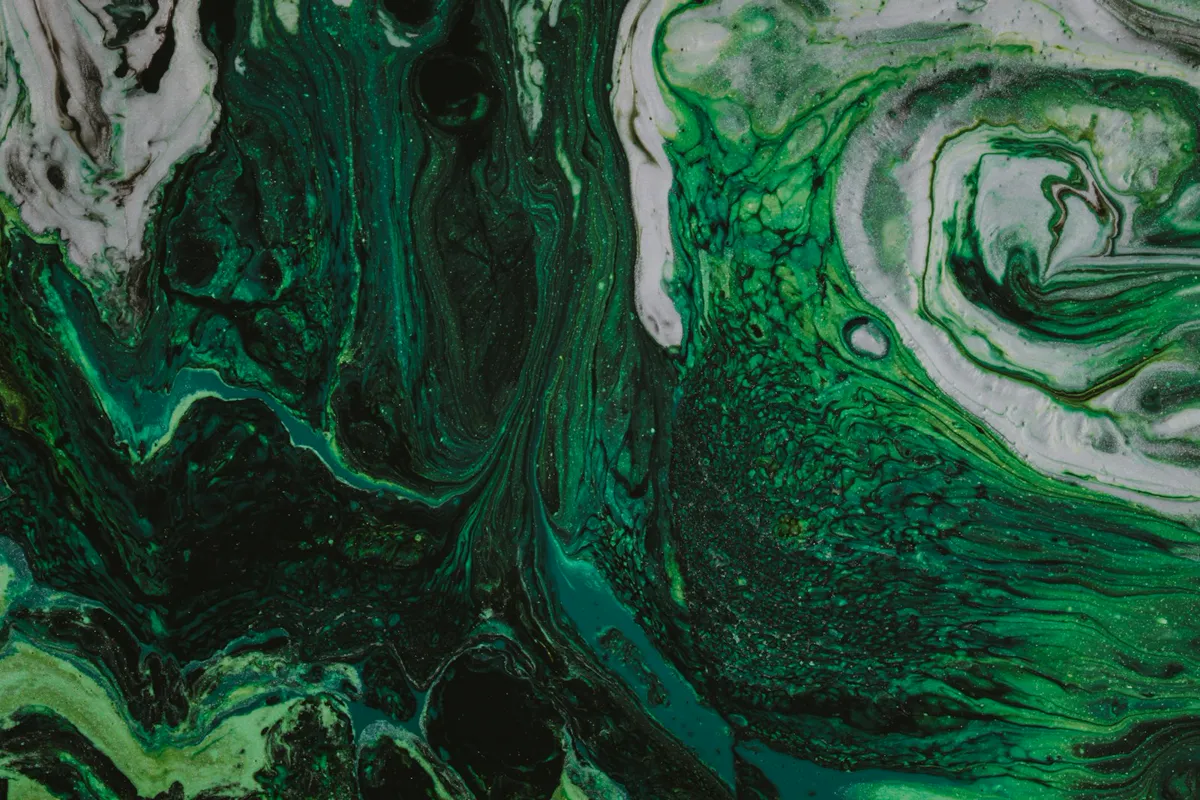
On a canvas, this manifests as a dialogue between the conscious and the unconscious. The artist often employs automatism—a process of creating without a predetermined plan—allowing the hand to move freely across the surface. When these forms are rendered in varying shades of green, the art often touches upon the theme of biomorphism, where shapes resemble biological organisms or cellular structures without being literal interpretations of them. This creates a tension between the familiar (nature) and the alien (the abstract), which is the hallmark of the surrealist experience.
For those looking to expand their knowledge of art movements, it is essential to note that this style doesn’t just aim to be ‘weird’ or ‘random.’ It is a deliberate attempt to bypass the logical mind and speak directly to the emotional core of the viewer, utilizing the canvas texture and depth to create a three-dimensional emotional space.
The Psychology of the Color Green in Surrealism
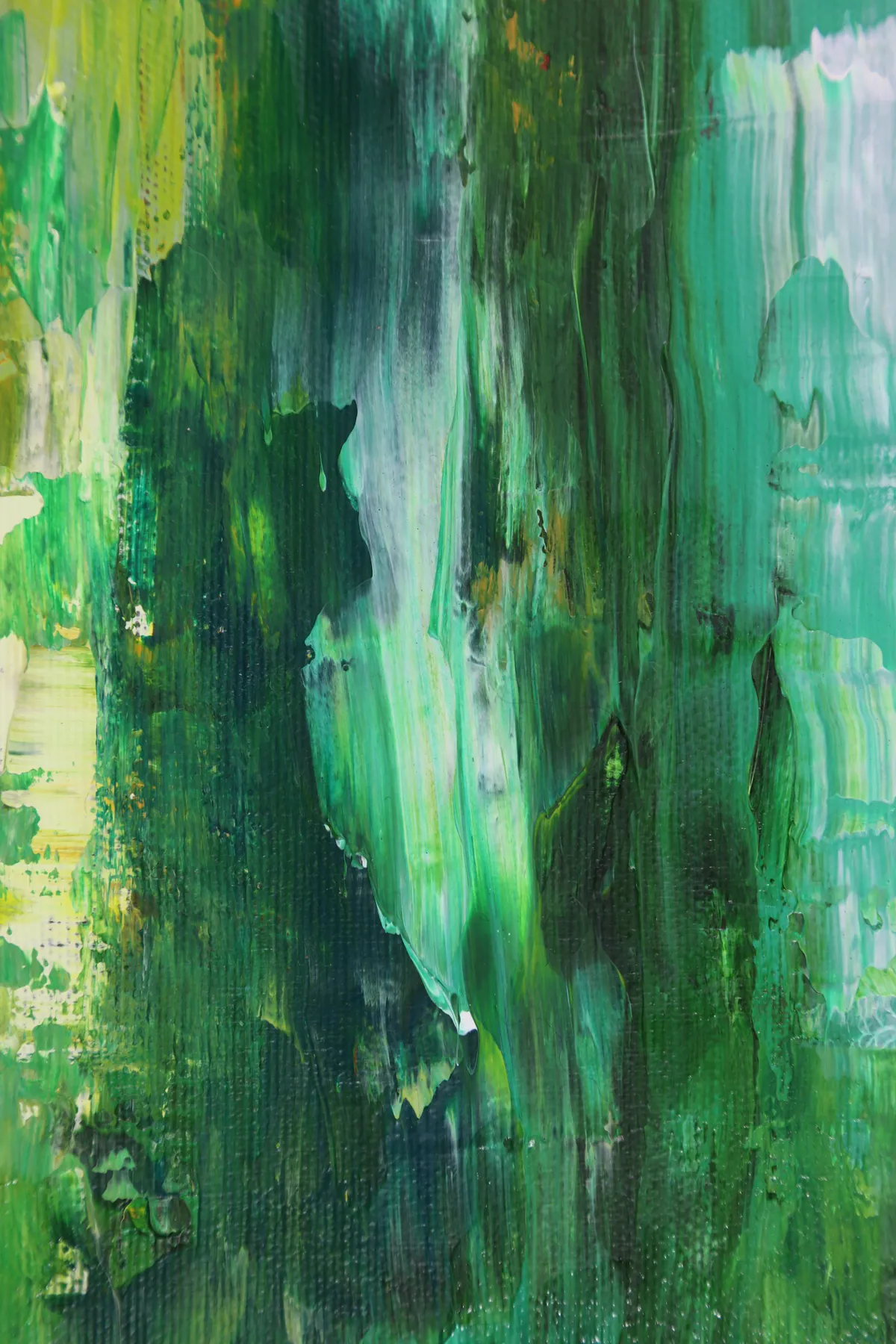
Green is perhaps the most complex color in the psychological spectrum because it occupies the center of the visible light range. In the context of a surrealist composition, green can communicate vastly different messages depending on its saturation and tone. Deep emerald greens often evoke luxury, mystery, and the depths of an ancient forest, suggesting a sense of hidden knowledge or the primordial subconscious. Conversely, pale sage or mint greens can lean toward the clinical or the ethereal, creating a sense of detachment and calm.
When an artist chooses green as the dominant hue for an abstract piece, they are often tapping into the duality of growth and decay. Green is the color of life, chlorophyll, and rebirth, but in a surreal context, an over-saturated or ‘unnatural’ green (such as neon or acidic tones) can signal toxicity, anxiety, or an otherworldly atmosphere. This contrast is what makes the abstract green canvas so compelling; it can simultaneously soothe the viewer and provoke a sense of unease.
Integrating these pieces into a home is often a decision based on decor goals. Because green is naturally balanced, it can act as a grounding element in a room, even when the subject matter is chaotic or surreal. By leveraging chromotherapy principles, these paintings can transform a sterile environment into a living, breathing sanctuary that encourages introspection.
Compositional Techniques in Surreal Canvas Work
The impact of a surreal painting is not just about color, but how that color is manipulated across the canvas surface. Professional artists use several key techniques to achieve a sense of depth and mystery:
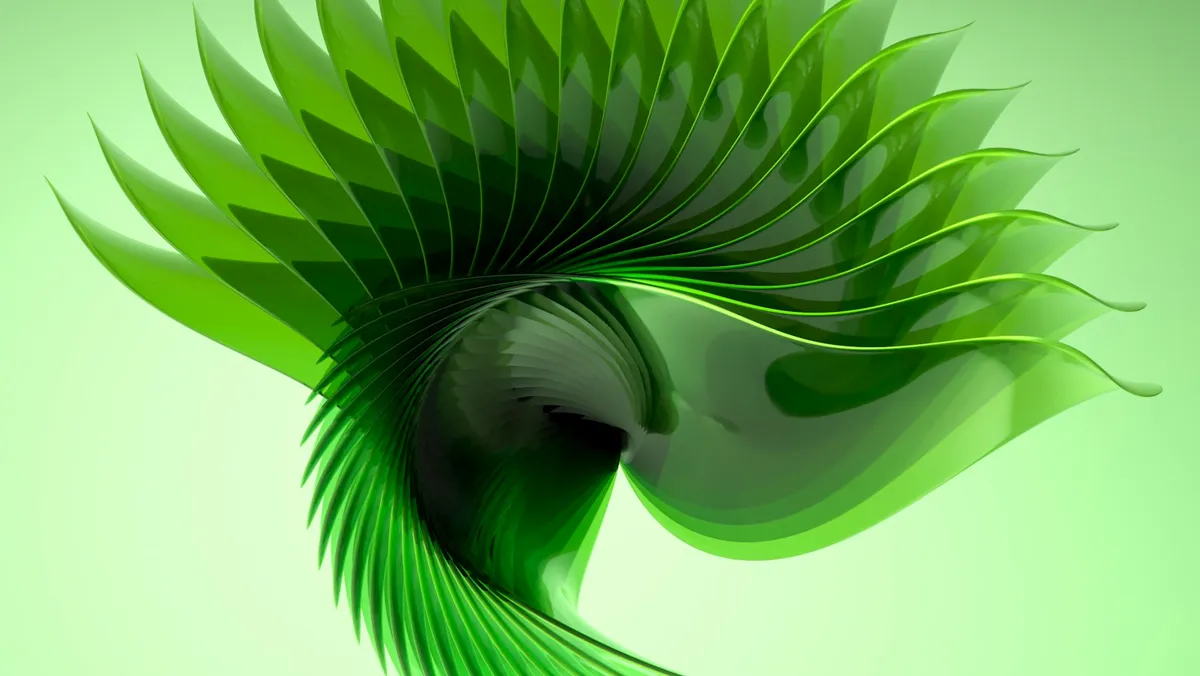
- Atmospheric Perspective: By blurring the edges of green shapes and using lighter tints for distant forms, artists create an illusion of vast, endless space, drawing the viewer deeper into the ‘dream.’
- Impasto and Texture: The use of thick, textured paint (impasto) allows the canvas to become a physical object. When light hits these ridges of green paint, it creates real shadows, adding a layer of tactile surrealism to the work.
- Contrast and Juxtaposition: Placing a sharp, geometric line against a soft, amorphous green cloud creates a visual ‘shock.’ This juxtaposition mimics the way dreams jump between different states of logic.
- Layering and Glazing: By applying thin, transparent layers of green glaze, artists can create a luminosity that seems to come from within the canvas, suggesting a glow or a spiritual presence.
These techniques ensure that the painting is not merely a flat image but an immersive environment. The interplay of light and shadow within the green spectrum allows the artist to guide the viewer’s eye through a non-linear narrative, encouraging multiple interpretations upon every viewing.
Incorporating Green Surreal Art into Interior Design
Choosing an abstract surreal green canvas for your interior space requires a balance between the art’s intensity and the room’s architecture. Because surrealism is visually demanding, it often works best as a statement piece. Placing a large-scale green abstract in a minimalist room allows the artwork to become the focal point, providing a burst of energy and intellectual curiosity to an otherwise quiet space.
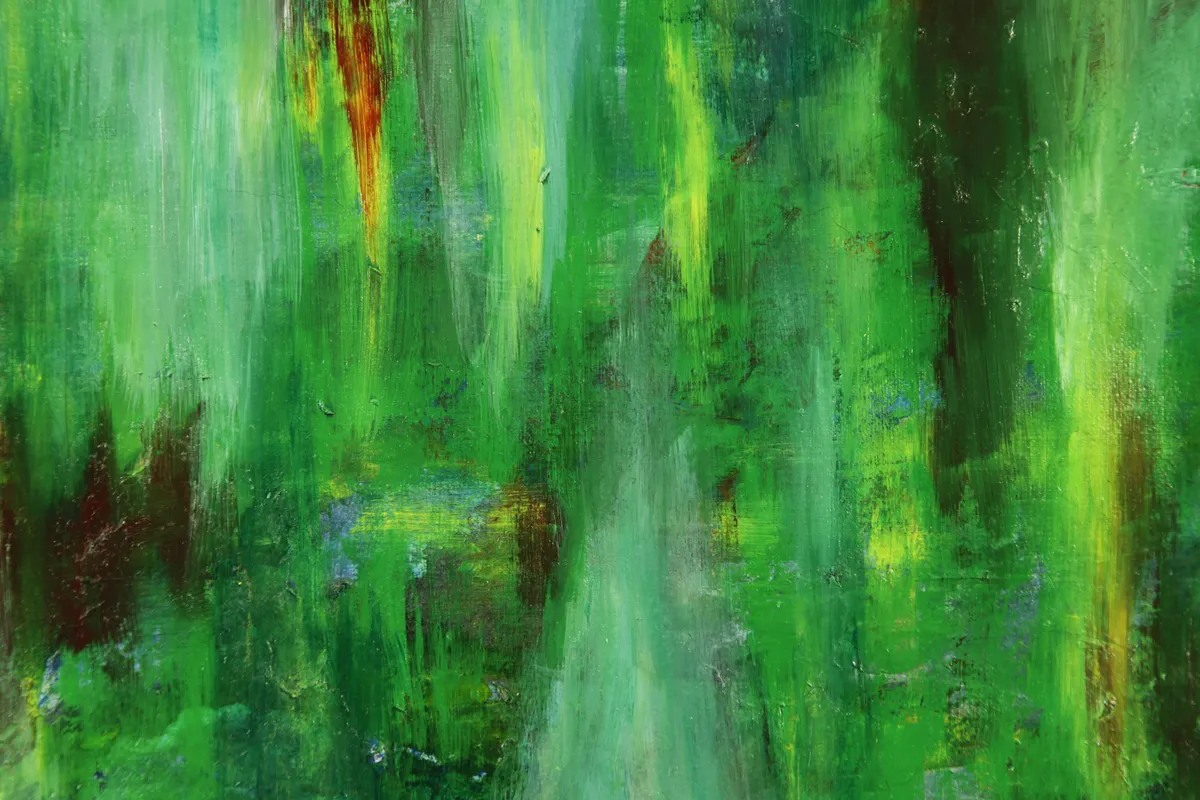
From a color theory perspective, green pairs exquisitely with complementary tones. For a high-contrast, energetic feel, pair your green canvas with accents of terracotta, burnt orange, or deep reds. For a more harmonious and tranquil vibe, surround the piece with neutrals like cream, slate grey, or natural wood finishes. The goal is to let the surrealist elements breathe without clashing with the surrounding furniture.
Consider the lighting as well. Since green is highly sensitive to light temperature, warm yellow lights will bring out the golden undertones of olive and lime, while cool white lights will emphasize the crispness of teal and emerald. Proper lighting can essentially change the mood of the painting throughout the day, mirroring the shifting nature of dreams.
How to Analyze Abstract Green Landscapes
Analyzing an abstract surreal piece is different from analyzing a landscape or a portrait. There is no ‘correct’ answer, only the dialogue between the viewer and the canvas. To deepen your experience, start by observing the emotional weight of the green tones. Do they feel heavy and oppressive, or light and airy? This initial gut reaction is the first clue to the painting’s intent.
Next, look for recurring motifs. Even in abstraction, artists often leave ‘clues’—a curve that suggests a leaf, a void that looks like an eye, or a line that mimics a horizon. These are anchors that prevent the piece from becoming purely decorative and push it into the realm of visual storytelling. Ask yourself: if this painting were a place, where would it be? Is it an underwater city, a galactic nebula, or the inside of a memory?
Finally, consider the scale. A small canvas creates an intimate, secret-like experience, whereas a massive canvas envelops the viewer, forcing them to confront the surrealist scale of the subconscious. By engaging both the intellect and the emotion, the viewer completes the artwork, making the experience unique to every person who stands before it.
Conclusion
The abstract surreal green canvas is more than just a decorative object; it is a portal to the internal world. By combining the organic power of the color green with the boundary-pushing philosophy of surrealism, these artworks challenge our perceptions of reality and nature. Whether you are a collector seeking to add depth to your home or an admirer of the avant-garde, embracing the mystery of these green dreamscapes allows for a rare moment of stillness and introspection in a fast-paced world.
Frequently Asked Questions
How does the color green specifically influence the mood of a surrealist painting?
Green is inherently tied to nature and balance. In surrealism, this can create a ‘natural uncanny’ feeling—where the environment feels organic yet fundamentally wrong or impossible. This tension creates a mood of curiosity, mystery, or subconscious exploration.
What is the difference between abstract art and surrealism when it comes to color?
Abstract art often uses color for formal qualities (balance, contrast, rhythm). Surrealism uses color to evoke specific psychological states or to create a dream-like atmosphere, often using ‘impossible’ or exaggerated color palettes to signal a departure from reality.
How do I choose the right shade of green for my living room art?
Consider the existing light in your room. For rooms with lots of natural light, deep emeralds and forest greens add sophistication. For darker rooms, lighter mints or neon greens can brighten the space and add a modern, energetic edge.
Why is canvas texture important in abstract surrealism?
Texture adds a physical dimension to the psychological experience. Heavy textures can make the dream feel ‘weighted’ or tangible, while smooth surfaces enhance the ethereal, ghostly quality of the surrealist vision.
Can I mix an abstract surreal green piece with other colors in a gallery wall?
Yes, but it is best to use it as the anchor. Surround it with pieces that share either a similar mood (surreal/abstract) or contrasting neutral tones to ensure the green canvas remains the dominant visual narrative.
Related posts:
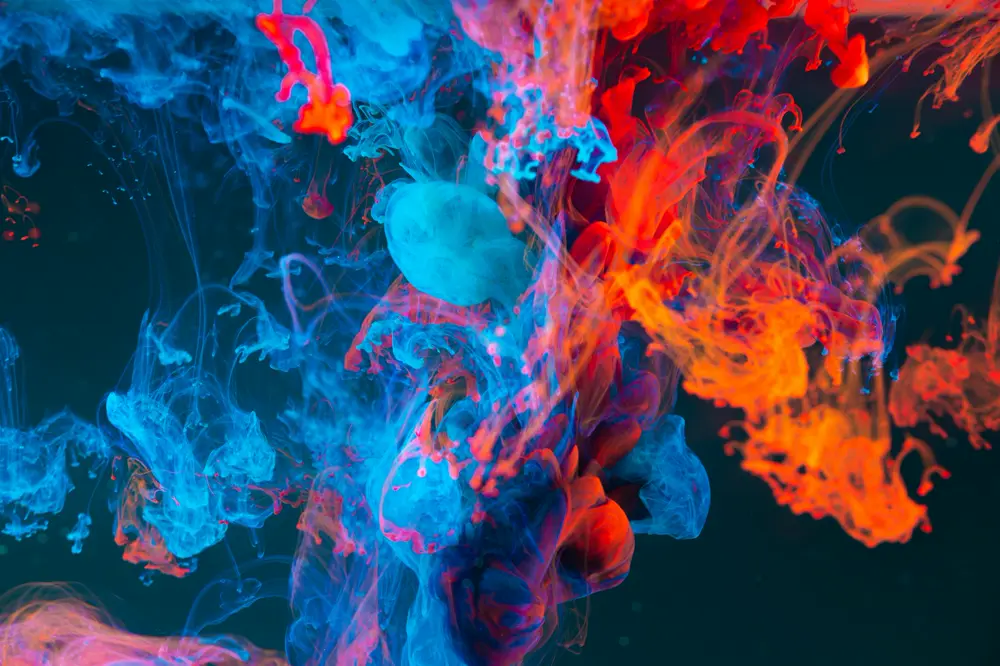
This page samples just one mood of abstract-art. The category holds many more pieces in a similar vein.
Share this page with a fellow art lover looking for their next wallpaper.
