
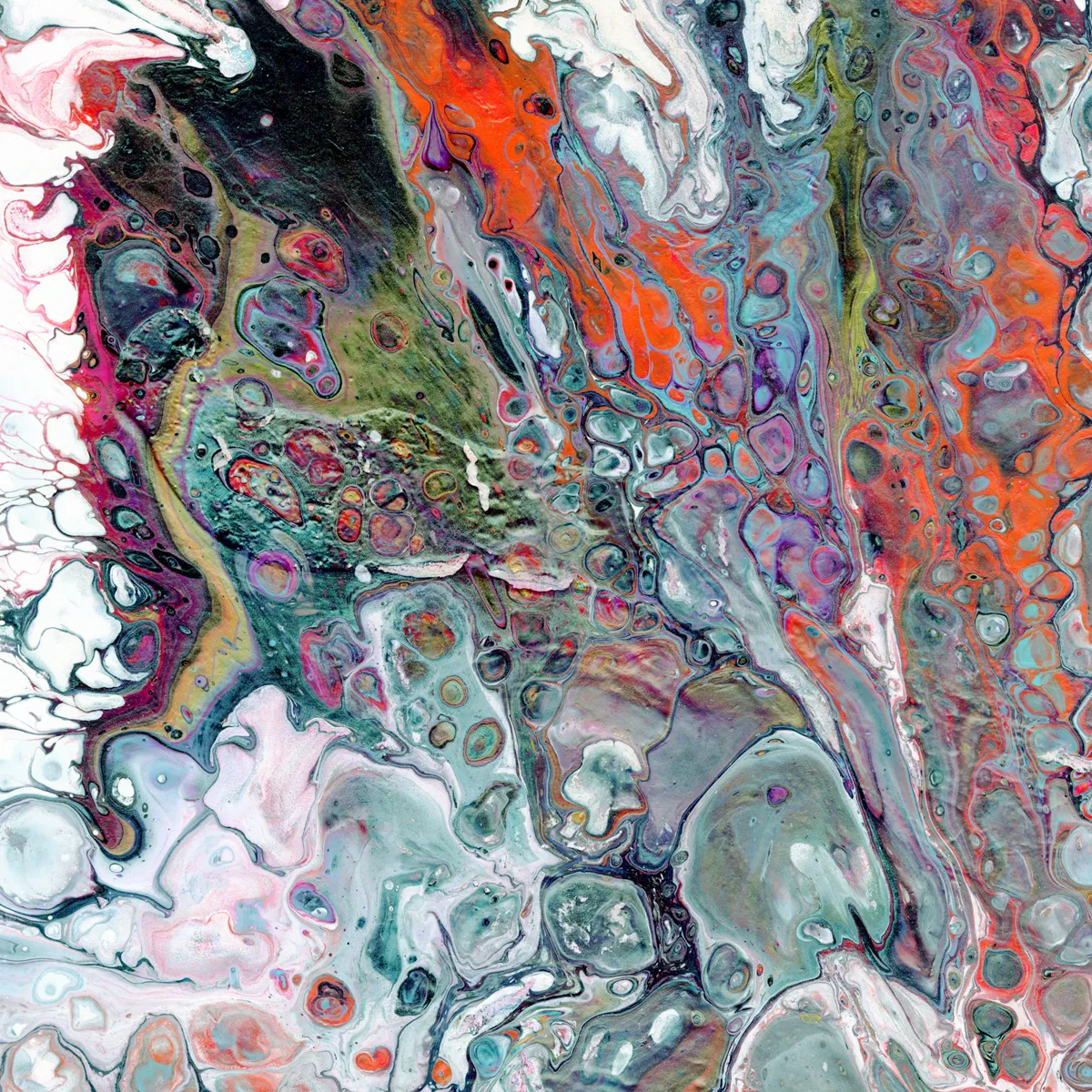
Abstract Art: Exploring Non-Representational Creativity
Abstract art, a departure from depicting recognizable imagery, invites viewers to engage with art on a purely emotional and intellectual level. It’s a realm where color, form, and texture take center stage, unburdened by the need to represent the physical world. This approach to artistic expression has a rich history and continues to evolve, captivating audiences with its ambiguity and potential for personal interpretation.
For many, abstract art can seem daunting or even inaccessible. The absence of familiar subjects can lead to questions like, “What am I supposed to be looking at?” or “What does it mean?” However, understanding the core principles and historical context of abstract art can unlock a deeper appreciation for its unique qualities. It’s less about *what* you see and more about *how* you feel when you look at it.

The Origins of Abstraction
While elements of abstraction have existed throughout art history, the formal emergence of abstract art is generally traced back to the early 20th century. Several factors contributed to this shift, including the rise of photography, which challenged the traditional role of painting as a means of realistic representation. Artists began to explore alternative ways of expressing themselves, focusing on the intrinsic qualities of the medium itself.
Key figures like Wassily Kandinsky, often credited as a pioneer of abstract art, believed that art should express the “inner necessity” of the artist, conveying emotions and spiritual truths through non-representational forms. His work, characterized by vibrant colors and dynamic compositions, aimed to evoke a sense of harmony and transcendence. Other early abstract artists, such as Piet Mondrian and Kazimir Malevich, developed their own distinct styles, emphasizing geometric forms and minimalist aesthetics. Mondrian’s use of primary colors and black lines, for example, sought to create a universal visual language, while Malevich’s “Black Square” represented a radical attempt to reduce painting to its most fundamental elements.

Different Styles of Abstract Art
Abstract art isn’t a monolithic category; it encompasses a wide range of styles and approaches. Here are a few prominent examples:
- Geometric Abstraction: This style, exemplified by Mondrian and Josef Albers, emphasizes precise geometric shapes, lines, and colors. It often conveys a sense of order, clarity, and intellectual rigor.
- Lyrical Abstraction: In contrast to geometric abstraction, lyrical abstraction is characterized by more fluid, organic forms and expressive brushwork. Artists like Helen Frankenthaler and Joan Mitchell explored the emotional and sensual qualities of paint, creating works that evoke a sense of spontaneity and freedom.
- Color Field Painting: This style, associated with Mark Rothko and Barnett Newman, focuses on large areas of flat color, creating immersive and contemplative experiences for the viewer. The subtle variations in color and texture can evoke a range of emotions and sensations.
- Action Painting: Pioneered by Jackson Pollock, action painting emphasizes the physical act of painting itself. Pollock’s famous “drip paintings” were created by flinging and pouring paint onto canvas, capturing the energy and dynamism of the creative process.
Understanding these different styles can help you navigate the diverse landscape of abstract art and appreciate the unique qualities of each approach. Sometimes, exploring modern art movements can provide further context.
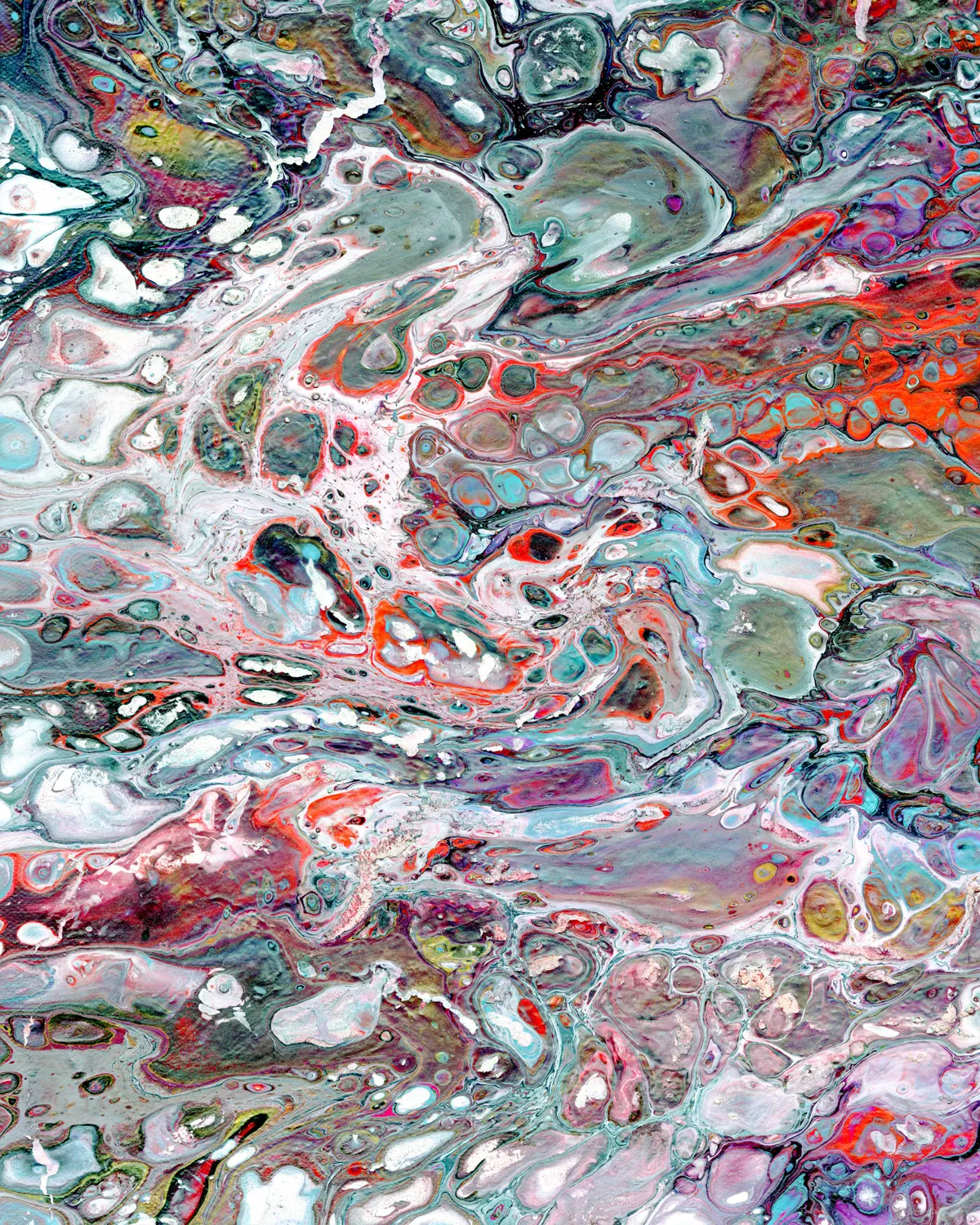
How to Appreciate Abstract Art
Appreciating abstract art is a personal journey. There are no right or wrong answers, and your interpretation is valid. Here are a few tips to help you engage with abstract art more effectively:
- Focus on your emotions: How does the artwork make you feel? Do you experience a sense of calm, excitement, or unease?
- Consider the elements of art: Pay attention to the colors, shapes, lines, textures, and composition. How do these elements interact with each other?
- Think about the artist’s intent: While the artist’s intent isn’t always clear, researching the artist’s background and influences can provide valuable insights.
- Allow yourself to be open-minded: Don’t try to find a hidden meaning or representational image. Simply allow yourself to experience the artwork without judgment.
- Spend time with the artwork: Don’t rush your viewing experience. Take the time to observe the artwork from different angles and distances.
Abstract art often invites contemplation and encourages viewers to look beyond the surface. It’s a reminder that art doesn’t always need to depict something recognizable to be meaningful. The exploration of form and color can be just as powerful, and sometimes even more so. Many find that understanding art history provides a broader perspective.
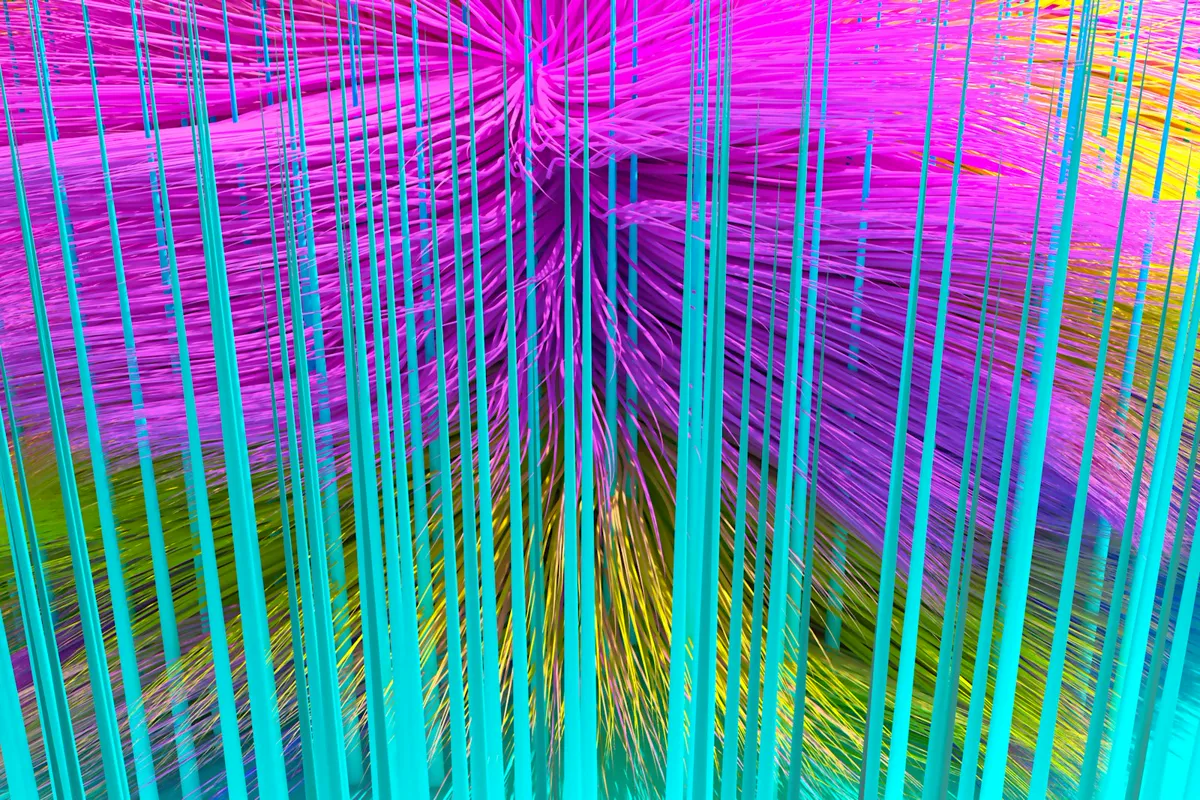
The Continuing Influence of Abstract Art
Abstract art continues to influence contemporary art and design. Its principles can be seen in a wide range of fields, from graphic design and architecture to fashion and music. The emphasis on form, color, and texture remains relevant, and artists continue to push the boundaries of abstraction in new and innovative ways.
The legacy of abstract art lies in its ability to challenge our perceptions and expand our understanding of what art can be. It’s a testament to the power of creativity and the enduring human desire to express ourselves in non-representational forms. The impact of abstract expressionism is still felt today, influencing many artists and movements.
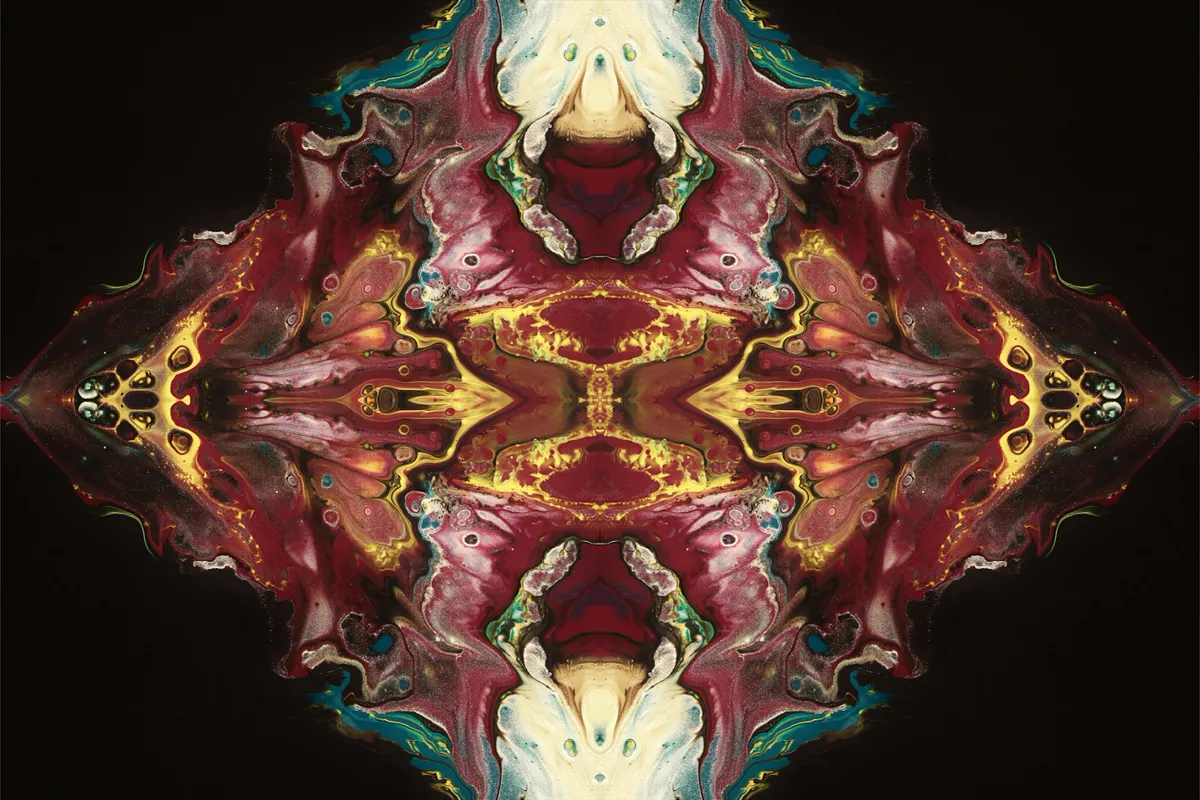
Conclusion
Abstract art, while often perceived as challenging, offers a unique and rewarding aesthetic experience. By understanding its historical context, diverse styles, and core principles, you can unlock a deeper appreciation for its beauty and significance. It’s an invitation to engage with art on a purely emotional and intellectual level, allowing your own interpretations and feelings to guide your experience. Embrace the ambiguity, explore the colors and forms, and allow yourself to be moved by the power of non-representational creativity.
Frequently Asked Questions
- Question: What is the point of abstract art if it doesn’t depict anything real?
- Answer: Abstract art isn’t about depicting reality; it’s about exploring the elements of art – color, form, texture, and composition – for their own sake. It aims to evoke emotions, convey ideas, or simply create a visually stimulating experience, independent of recognizable subjects.
- Question: How can I tell if I “understand” an abstract artwork?
- Answer: There’s no “right” way to understand abstract art. It’s about your personal response to the work. If it evokes a feeling, sparks a thought, or simply captures your attention, that’s a valid understanding.
- Question: Is abstract art just random and meaningless?
- Answer: While it may appear random at first glance, most abstract art is the result of deliberate choices made by the artist regarding composition, color, and technique. The meaning is often open to interpretation, but it’s rarely entirely arbitrary.
- Question: What’s the difference between abstract and non-objective art?
- Answer: While often used interchangeably, non-objective art is a stricter form of abstraction. Non-objective art intentionally avoids any reference to recognizable objects or forms, while abstract art may still hint at or derive from the natural world.
- Question: Where can I learn more about different abstract artists and movements?
- Answer: Many museums and galleries feature abstract art collections. Online resources like art history websites and museum virtual tours can also provide valuable information. Books and documentaries dedicated to abstract art are readily available as well.
Related posts:
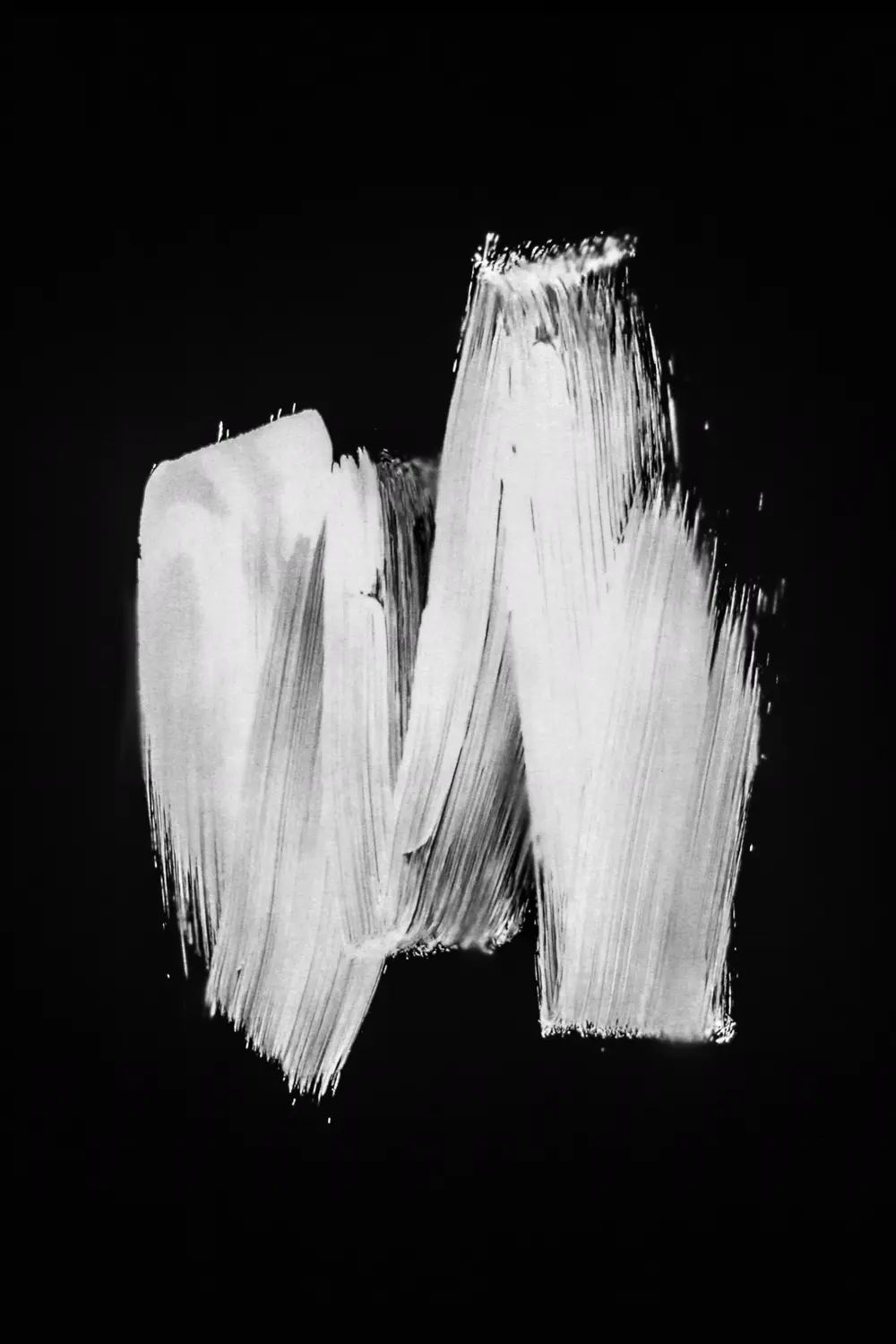

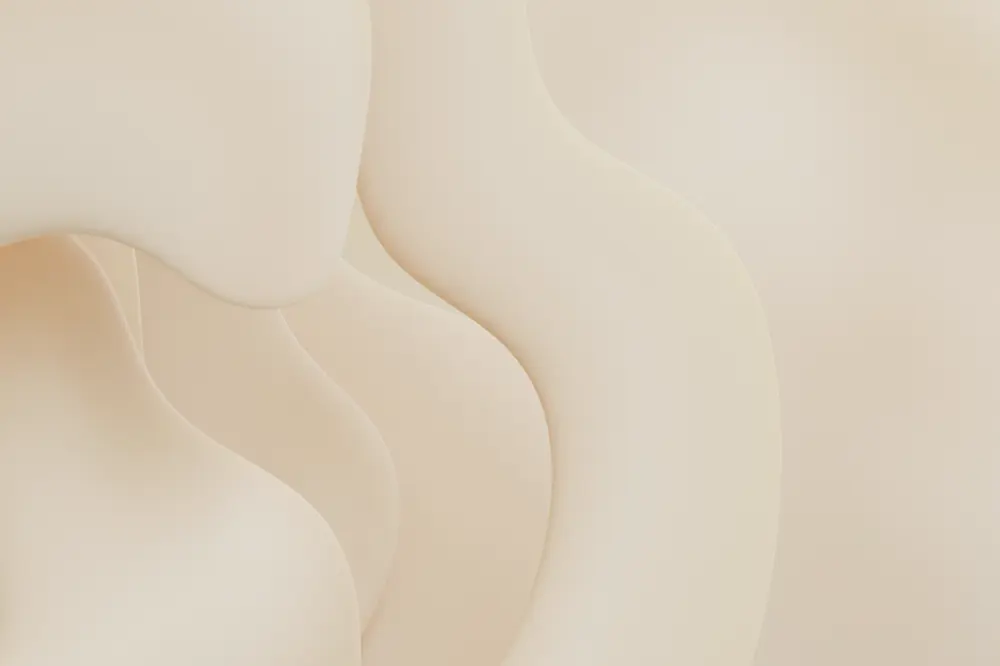
Pieces in abstract-art talk to each other across pages — follow the thread with Abstract Art: Exploring Meaning and Techniques.
Bookmark this set for the next time your screen needs a new mood.
