
Abstract Art: Exploring Non-Representational Creativity
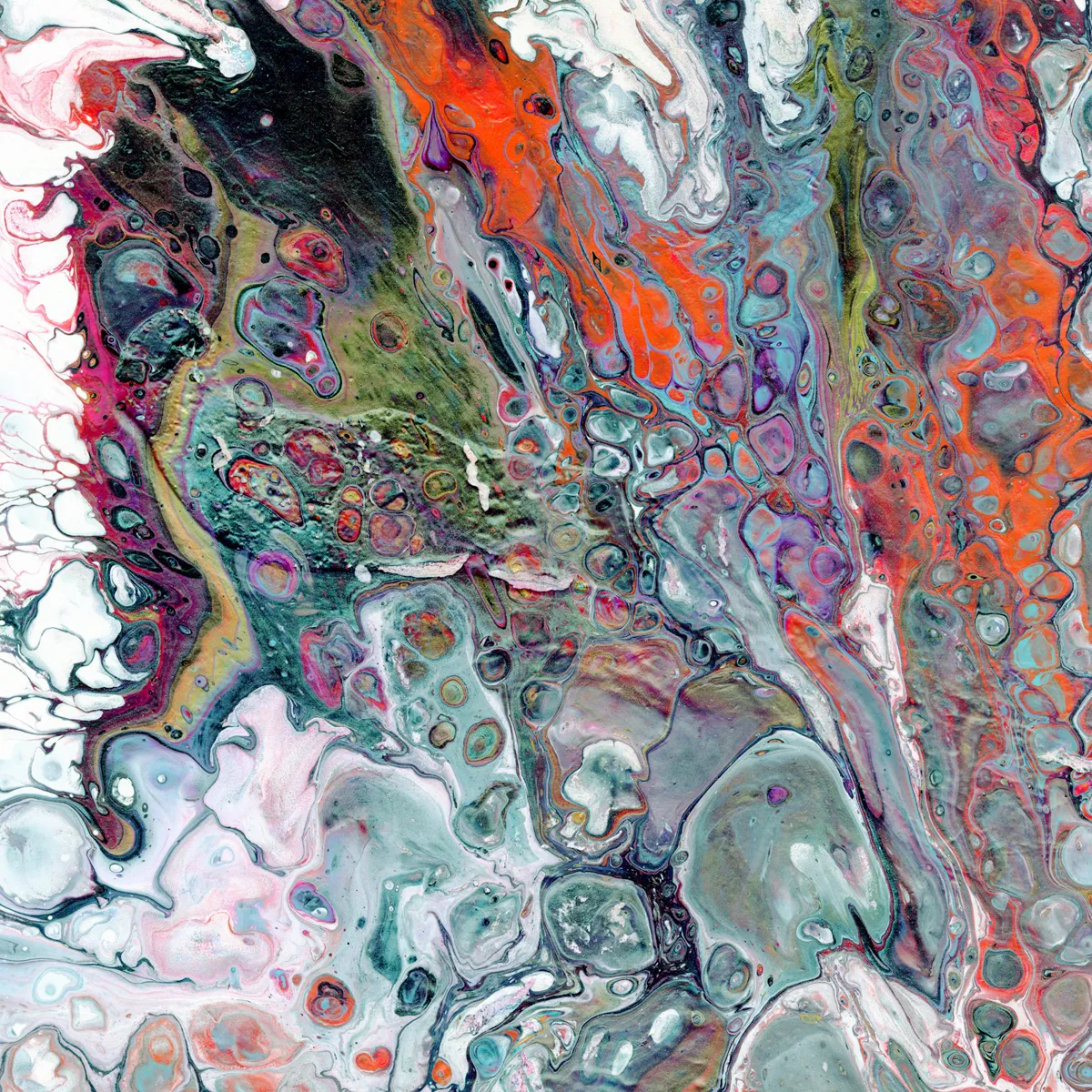
Abstract art, a departure from depicting recognizable imagery, invites viewers to engage with art on a purely emotional and intellectual level. It’s a realm where color, form, and texture take center stage, unburdened by the need to represent the physical world. This approach to artistic expression has a rich history and continues to evolve, captivating audiences with its ambiguity and potential for personal interpretation.
For many, abstract art can seem daunting or inaccessible. The absence of familiar subjects can lead to questions like, “What am I supposed to be looking at?” or “What does it mean?” However, understanding the core principles and historical context of abstract art can unlock a deeper appreciation for its unique qualities. It’s less about *what* you see and more about *how* you feel when experiencing the work.
The Origins of Abstraction
While elements of abstraction have existed throughout art history, the formal emergence of abstract art is generally traced back to the early 20th century. Several factors contributed to this shift, including the rise of photography, which challenged the traditional role of painting as a means of realistic representation. Artists began to explore alternative ways of conveying meaning and emotion, focusing on the intrinsic qualities of the artistic medium itself.
Key figures like Wassily Kandinsky, often credited as a pioneer of abstract art, believed that art should express the “inner necessity” of the artist, communicating spiritual and emotional truths through non-representational forms. His work, characterized by vibrant colors and dynamic compositions, aimed to evoke a sense of harmony and transcendence. Other early abstract artists, such as Piet Mondrian and Kazimir Malevich, developed distinct styles that further pushed the boundaries of artistic expression. Mondrian’s geometric abstractions, with their emphasis on primary colors and straight lines, sought to reveal the underlying structure of reality. Malevich’s Suprematism, exemplified by his iconic “Black Square,” aimed to reduce art to its most fundamental elements.
Different Styles of Abstract Art
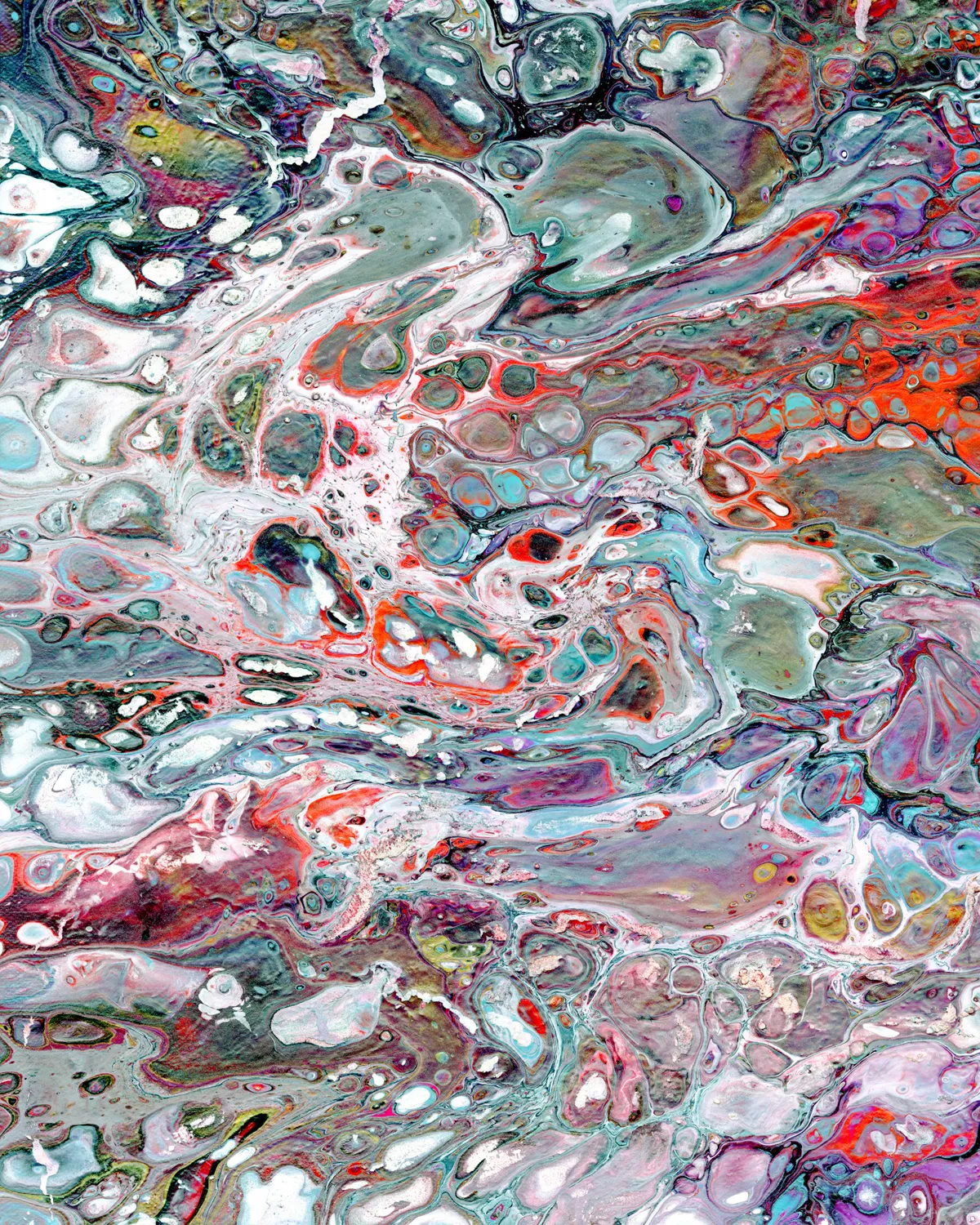
Abstract art isn’t a monolithic entity; it encompasses a wide range of styles and approaches. Understanding these different styles can help you navigate the diverse landscape of non-representational art.
- Geometric Abstraction: This style, as exemplified by Mondrian, utilizes geometric shapes – squares, rectangles, circles, triangles – to create compositions. It often emphasizes order, precision, and mathematical relationships.
- Lyrical Abstraction: In contrast to geometric abstraction, lyrical abstraction is characterized by more fluid, organic forms and expressive brushwork. It often evokes a sense of emotion, spontaneity, and musicality.
- Color Field Painting: This style, popular in the 1950s and 60s, focuses on large areas of flat color, creating immersive and contemplative experiences. Artists like Mark Rothko and Barnett Newman are prominent examples.
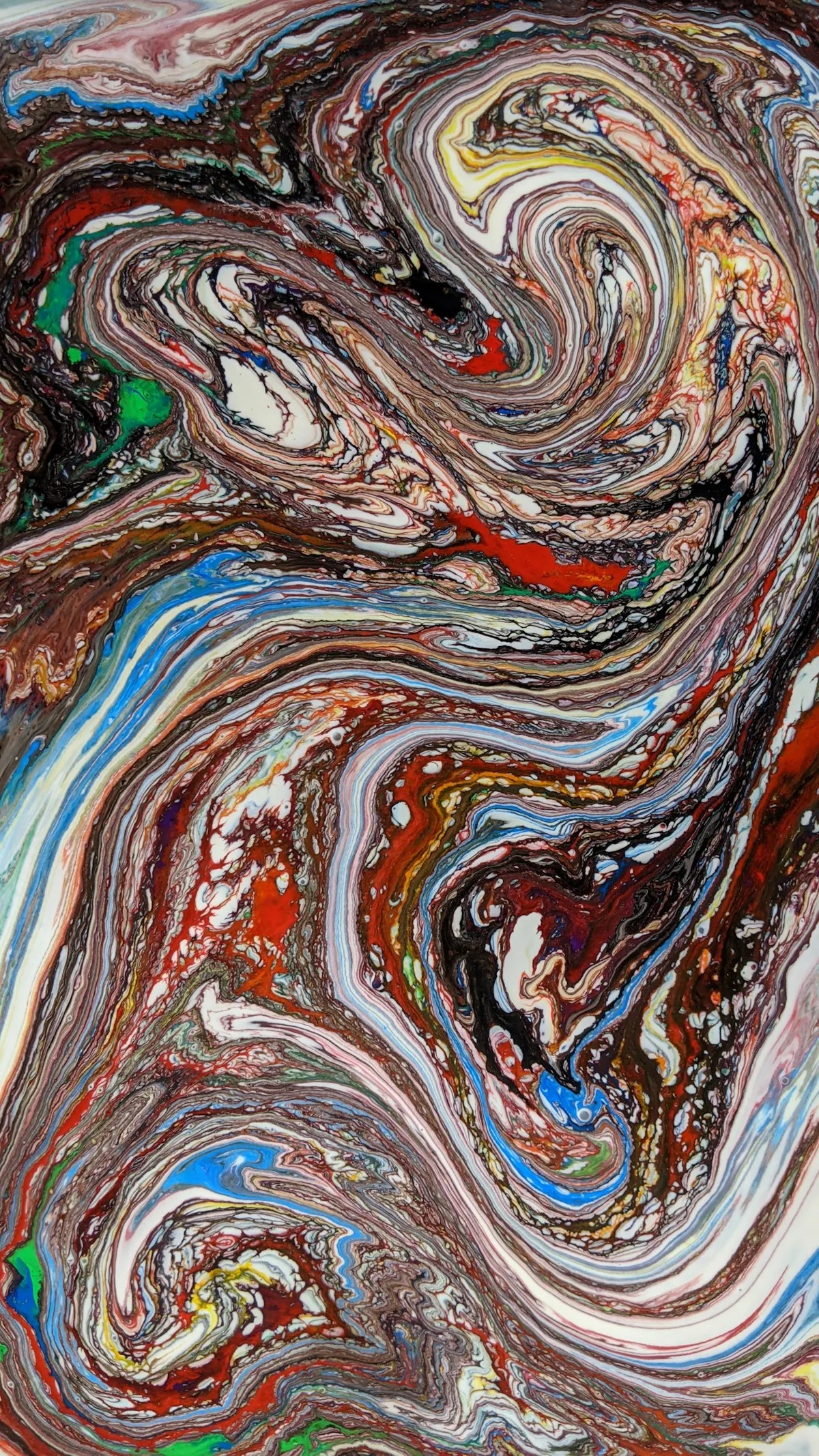
- Action Painting: Associated with Jackson Pollock, action painting emphasizes the physical act of painting itself. Pollock’s famous “drip paintings” were created by flinging and pouring paint onto canvas, capturing the energy and dynamism of the creative process.
- Minimalism: A further reduction of form, minimalism strips art down to its essential elements, often using simple geometric shapes and industrial materials.
Exploring different styles can also lead you to discover other related artistic movements. For instance, understanding the principles of cubism can provide insight into the early stages of abstraction, as cubist artists began to fragment and distort representational forms.
How to Appreciate Abstract Art
Appreciating abstract art is a personal journey. There’s no right or wrong way to experience it. Here are a few tips to help you engage with abstract works:
- Focus on your emotions: What feelings does the artwork evoke in you? Do you feel calm, energized, disturbed, or something else entirely?
- Consider the elements of art: Pay attention to the use of color, form, texture, and composition. How do these elements interact with each other?
- Think about the artist’s intent: While the artist’s intent isn’t always clear, researching the artist’s background and influences can provide valuable context.
- Allow yourself to be open-minded: Don’t try to find a hidden meaning or narrative. Simply allow yourself to experience the artwork without preconceived notions.
- Spend time with the work: Abstract art often reveals its subtleties over time. The more you look, the more you may discover.
It’s also helpful to remember that abstract art isn’t necessarily about intellectual understanding. It’s often about visceral experience and emotional resonance. Sometimes, simply allowing yourself to be moved by the artwork is enough. The beauty of abstract expression lies in its ability to bypass the rational mind and connect directly with our emotions.
The Continuing Influence of Abstract Art
Abstract art continues to be a vital force in contemporary art. Its influence can be seen in a wide range of artistic disciplines, from painting and sculpture to architecture and design. Many modern artists continue to explore the possibilities of non-representational expression, pushing the boundaries of artistic innovation. The principles of abstraction – focusing on form, color, and texture – remain relevant and inspiring for artists today.
Furthermore, the impact of abstract art extends beyond the art world. Its emphasis on experimentation, innovation, and subjective experience has influenced other fields, such as music, literature, and philosophy. The legacy of abstract art is a testament to the power of creativity and the enduring human desire to explore the unknown. Understanding modernism is key to understanding the context in which abstract art flourished.
Conclusion
Abstract art offers a unique and rewarding aesthetic experience. By embracing its ambiguity and focusing on the intrinsic qualities of the artwork, we can unlock a deeper appreciation for its beauty and power. It’s an invitation to engage with art on a purely emotional and intellectual level, allowing us to connect with our own inner worlds and explore the boundless possibilities of human creativity. Don’t be afraid to approach it with an open mind and let the artwork speak for itself.
Frequently Asked Questions
-
What is the point of abstract art if it doesn’t represent anything?
The point isn’t representation. Abstract art aims to evoke emotions, explore formal elements like color and shape, and offer a purely aesthetic experience. It’s about *feeling* rather than *recognizing*. It can also be a reflection of the artist’s inner state or a commentary on the nature of art itself.
-
How can I tell if an abstract artwork is “good”?
“Good” is subjective! There are no objective criteria. Consider the artist’s skill in using the elements of art (color, form, texture), the emotional impact it has on you, and whether it feels thoughtfully composed. Researching the artist’s intent can also provide context.
-
Is abstract art difficult to understand?
It can be initially, as it doesn’t rely on familiar imagery. However, you don’t necessarily need to “understand” it. Allow yourself to experience it without trying to decipher a hidden meaning. Focus on your emotional response and the visual elements.
-
What inspired artists to start creating abstract art?
Several factors, including the invention of photography (which challenged painting’s role in realistic depiction), philosophical shifts towards subjectivity, and a desire to explore the intrinsic qualities of art materials all contributed to the rise of abstraction.
-
Where can I learn more about abstract art and its history?
Museums, art galleries, and online resources are excellent starting points. Books on art history, documentaries, and online courses can also provide valuable insights. Many museums offer guided tours specifically focused on abstract art.
Related posts:

Before you choose, take in Abstract Art: Exploring Meaning and Appreciation as well. The contrast might surprise you.
Share this page with a fellow art lover looking for their next wallpaper.
