
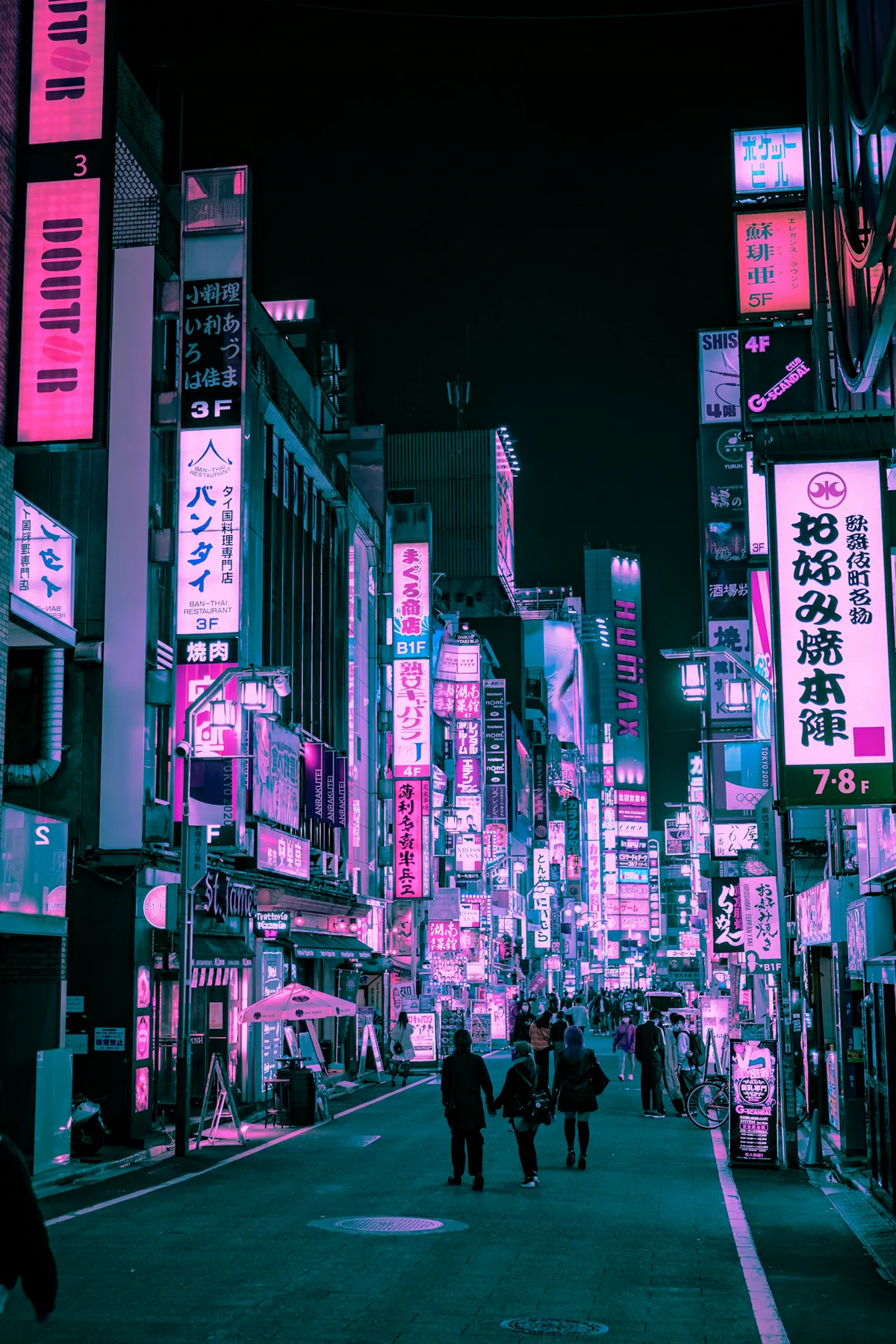
In the intersection of digital art and pop culture, the rise of wallpaper abstract anime has transformed how we perceive our personal devices. No longer are we limited to static screenshots of favorite characters or literal scene recreations. Instead, there is a growing movement toward conceptual art that captures the emotional essence of an anime series without relying on explicit imagery. This shift toward abstraction allows for a more sophisticated, moody, and personalized digital environment that blends the vibrancy of Japanese animation with the principles of modern fine art.
- Understanding the Essence of Abstract Anime Art
- The Role of Color Theory in Digital Backgrounds
- Technical Optimization for 4K and OLED Displays
- Choosing Your Aesthetic: Minimalist vs. Maximalist
- The Psychology of Digital Environment Curation
- Frequently Asked Questions
Understanding the Essence of Abstract Anime Art
Abstract anime art deviates from traditional character-centric designs by focusing on composition, geometry, and atmospheric lighting. Rather than depicting a specific protagonist, these visuals often utilize iconic motifs—such as a single floating petal, a distorted cityscape, or a gradient of neon lights—to evoke the feeling of a specific series or genre. This approach leverages the power of visual storytelling, where the viewer’s mind fills in the gaps, creating a more intimate and subjective experience.
Integrating these visuals into your setup requires an understanding of aesthetic backgrounds and how they interact with your user interface. By choosing a conceptual piece, you reduce visual clutter, making your desktop or mobile screen feel more organized while still maintaining a connection to the digital art community. This balance is what makes the abstract style particularly appealing to professionals who love anime but prefer a subtle, sophisticated look for their workstations.
The Shift from Literal to Conceptual
For years, the standard was high-definition stills from the show. However, as graphic design trends evolved, artists began experimenting with vectorization and surrealism. An abstract anime wallpaper might take a scene from ‘Your Name’ and strip it down to a simple gradient of purple and orange, representing the twilight hour (Kataware-doki) without showing the characters. This transition emphasizes the mood and tone over the plot, turning a simple background into a piece of atmospheric art.
The Role of Color Theory in Digital Backgrounds
The impact of a wallpaper abstract anime choice is largely determined by its color palette. In the world of anime, colors are rarely accidental; they are used to signal character growth, tension, or serenity. When translated into abstract wallpapers, these colors continue to influence the user’s psychological state.
Cool Palettes: Serenity and Melancholy
Deep blues, teals, and violets are common in lo-fi anime aesthetics. These hues are known to lower heart rates and promote a sense of calm. For those who use their computers for long hours of study or deep work, a cool-toned abstract background can reduce mental fatigue. These palettes often evoke themes of nighttime, solitude, and introspection, mirroring the quiet moments found in ‘slice-of-life’ animations.
Warm Palettes: Energy and Passion
Conversely, reds, oranges, and gold tones inject energy into a workspace. These colors are often associated with shonen action and high-stakes conflict. A wallpaper featuring abstract bursts of crimson or golden light can act as a subconscious stimulant, increasing alertness and motivation. The key to using warm tones effectively is ensuring there is enough negative space to prevent the image from becoming visually overwhelming.
The Power of Contrast and Saturation
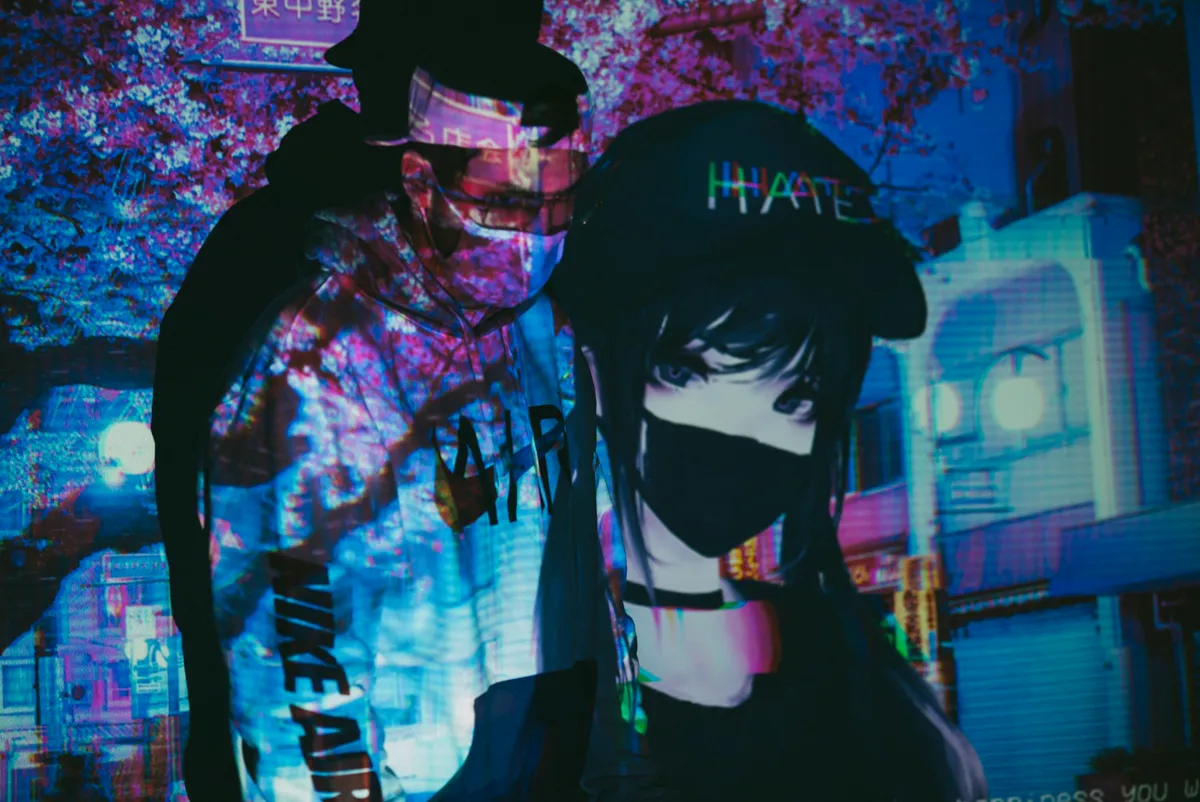
The interplay between high saturation and deep blacks creates a cinematic depth. High-contrast abstract art often utilizes complementary colors (like orange and blue) to create a visual pop that draws the eye. This technique is heavily used in cyberpunk-themed anime art, where neon pinks clash with dark urban grays, creating a futuristic and edgy atmosphere.
Technical Optimization for 4K and OLED Displays
To truly appreciate the nuance of abstract art, the technical specifications of the image must match the hardware of the device. A low-resolution image can ruin the geometric precision of an abstract piece, leading to pixelation and blurriness.
Resolution and Aspect Ratios
For modern monitors, Ultra HD (4K) is the gold standard. Abstract art relies on smooth gradients and sharp edges; therefore, a resolution of at least 3840 x 2160 pixels is recommended. Furthermore, users must consider the aspect ratio. While 16:9 is standard, many professionals use 21:9 ultrawide monitors, which require specifically cropped or expanded abstract art to avoid stretching the image and distorting the artistic intent.
The OLED Advantage: True Blacks
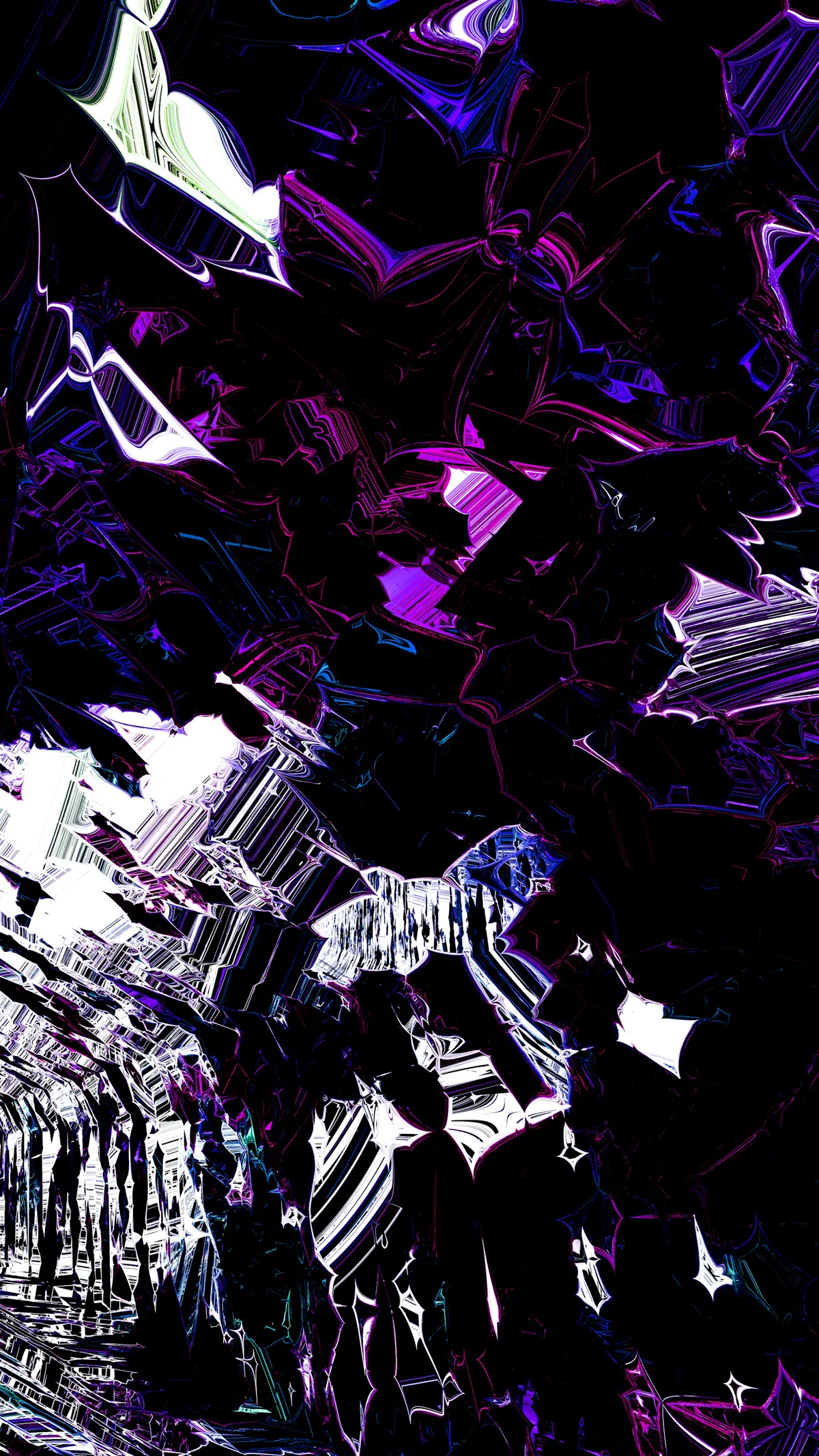
If you own an OLED screen, you have a significant advantage in displaying abstract anime art. Because OLED pixels can turn off completely, true black levels are achieved. This allows abstract designs with dark backgrounds to blend seamlessly into the bezel of the monitor, making the vibrant colors appear as if they are floating in mid-air. When searching for wallpapers, look for those labeled as ‘AMOLED friendly’ to maximize battery life on mobile devices and visual impact on desktops.
Choosing Your Aesthetic: Minimalist vs. Maximalist
Deciding between a minimalist or maximalist approach depends on how you interact with your screen. Your wallpaper is the foundation upon which your icons and widgets sit.
The Minimalist Approach
Minimalist abstract anime art focuses on simplicity and breathing room. It often features a single line of art, a muted color palette, or a vast amount of empty space. This style is ideal for users who have many folders and shortcuts on their desktop, as it prevents the screen from feeling cluttered. The beauty of minimalism lies in its ability to suggest a world without showing it, relying on symbolism rather than detail.
The Maximalist Approach
Maximalism embraces chaos, complexity, and visual richness. These wallpapers often feature intricate patterns, layered textures, and explosive color schemes. While they can be distracting if not managed well, they serve as a powerful expression of personality. Maximalist art is best suited for ‘clean’ desktops where icons are hidden, allowing the artwork to take center stage as a digital gallery piece.
The Psychology of Digital Environment Curation
Our digital spaces are an extension of our physical environment. The images we stare at for eight to twelve hours a day subconsciously affect our mood and productivity. Curating a wallpaper abstract anime collection is not just about aesthetics; it is about mood management.
Many users now practice ‘wallpaper rotation,’ where they change their background based on the time of day or their current project. A bright, abstract morning wallpaper can help with waking up, while a dark, moody abstract piece can signal to the brain that it is time to wind down. This intentionality transforms a simple computer setting into a tool for emotional regulation.
Furthermore, the act of selecting art that resonates with one’s internal state provides a sense of control and identity. Whether it is the ethereal glow of a fantasy world or the sharp angles of a mecha-inspired abstract, your choice of background reflects your current aspirations and mental state.
Conclusion
The world of wallpaper abstract anime is a testament to the versatility of digital art. By moving beyond literal representations, these visuals offer a sophisticated way to celebrate anime culture while maintaining a clean and modern digital aesthetic. From the psychological impact of color theory to the technical requirements of OLED displays, choosing the right background is a blend of art and science. By thoughtfully curating your digital space, you can create an environment that not only looks stunning but also supports your mental well-being and productivity.
Frequently Asked Questions
What exactly makes an anime wallpaper ‘abstract’?
An anime wallpaper is considered abstract when it focuses on the colors, shapes, and moods associated with an anime rather than depicting a clear, literal scene or character. It uses symbols, gradients, and conceptual geometry to evoke the feeling of the series.
How can I find high-resolution abstract art without losing quality?
The best way is to use dedicated art platforms or search for ‘4K’ or ‘UHD’ tags. Avoid saving thumbnails; always click through to the original source file. Look for formats like PNG or high-quality JPGs to ensure that the gradients remain smooth and free of compression artifacts.
Which colors are best for reducing eye strain on OLED screens?
Deep blacks and dark grays are ideal for OLED screens because they require less power and reduce the overall brightness hitting your eyes. Pairing these with muted tones like navy blue or forest green can create a soothing environment that minimizes eye fatigue during night use.
Does the style of my wallpaper actually affect my productivity?
Yes, visual clutter can lead to mental clutter. Minimalist abstract wallpapers often increase focus by reducing distractions, while high-energy, warm-toned abstracts can boost motivation and creativity depending on the task at hand.
What is the difference between minimalist and abstract anime styles?
While they often overlap, minimalism is about the amount of detail (less is more), whereas abstraction is about the representation of reality (non-literal). A wallpaper can be abstract but maximalist (lots of complex shapes) or both abstract and minimalist (a single colored line on a black background).
Related posts:
Pieces in 4k-backgrounds talk to each other across pages — follow the thread with Abstract Anime Wallpapers: Elevate Your Digital Aesthetic.
Share this page with a fellow art lover looking for their next wallpaper.
