
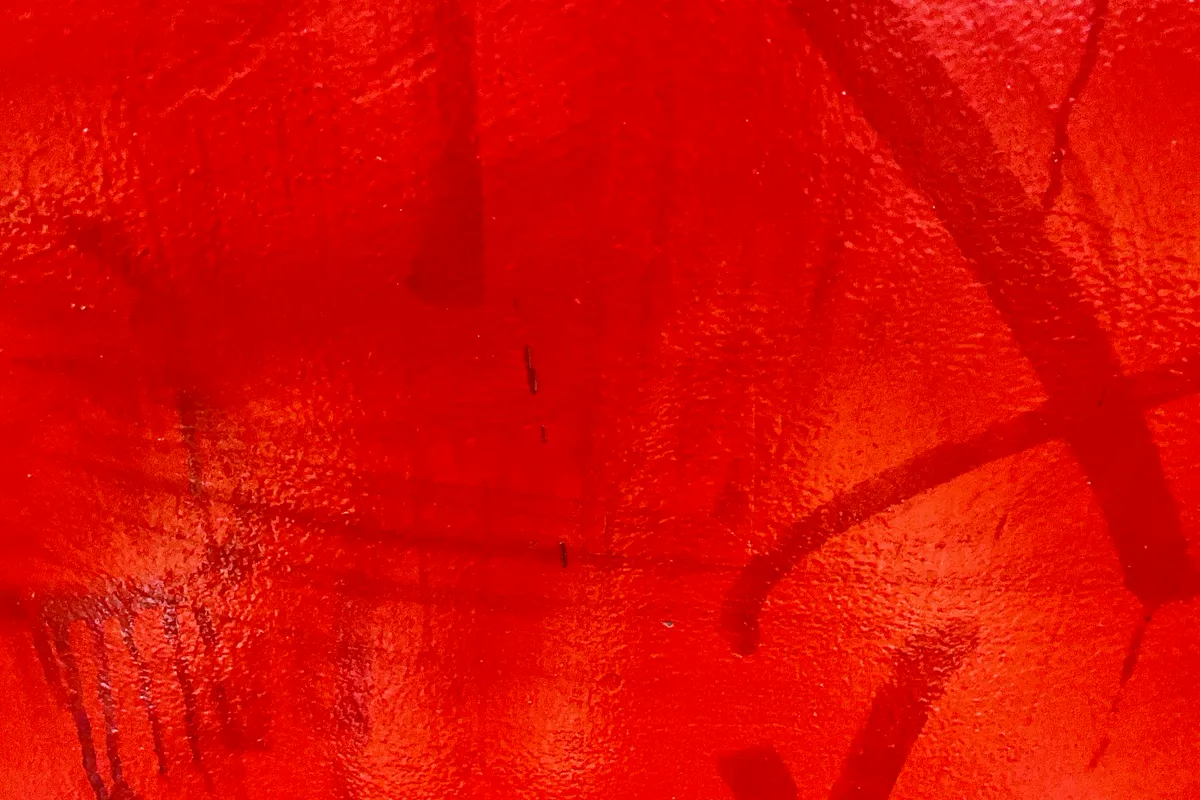
The visceral impact of a red texture in the realm of Abstract Expressionism is nothing short of electric. Red is not merely a color; it is a frequency of passion, danger, urgency, and raw human emotion. When stripped of representational forms and reduced to pure texture and hue, red becomes a direct conduit to the subconscious. This movement, which emerged in the mid-20th century, redefined the relationship between the artist and the canvas, transforming the act of painting into an event—an action painting where the physical application of pigment became as significant as the final image.
- The Emotional Power of Red in Abstract Art
- Defining Abstract Expressionism and Texture
- Mastering Red Texture: Techniques and Mediums
- Analyzing Iconic Works Using Red Textures
- Incorporating Red Abstract Textures in Modern Design
- Frequently Asked Questions
The Emotional Power of Red in Abstract Art
In the language of color psychology, red occupies a unique position. It is the color of blood and fire, signaling both life and destruction. In Abstract Expressionism, the use of a dominant red texture is often intended to bypass the intellectual mind and strike the viewer’s emotional core. Artists utilize various shades—from deep, brooding ochres and crimsons to vibrant, aggressive scarlets—to evoke a spectrum of feelings.
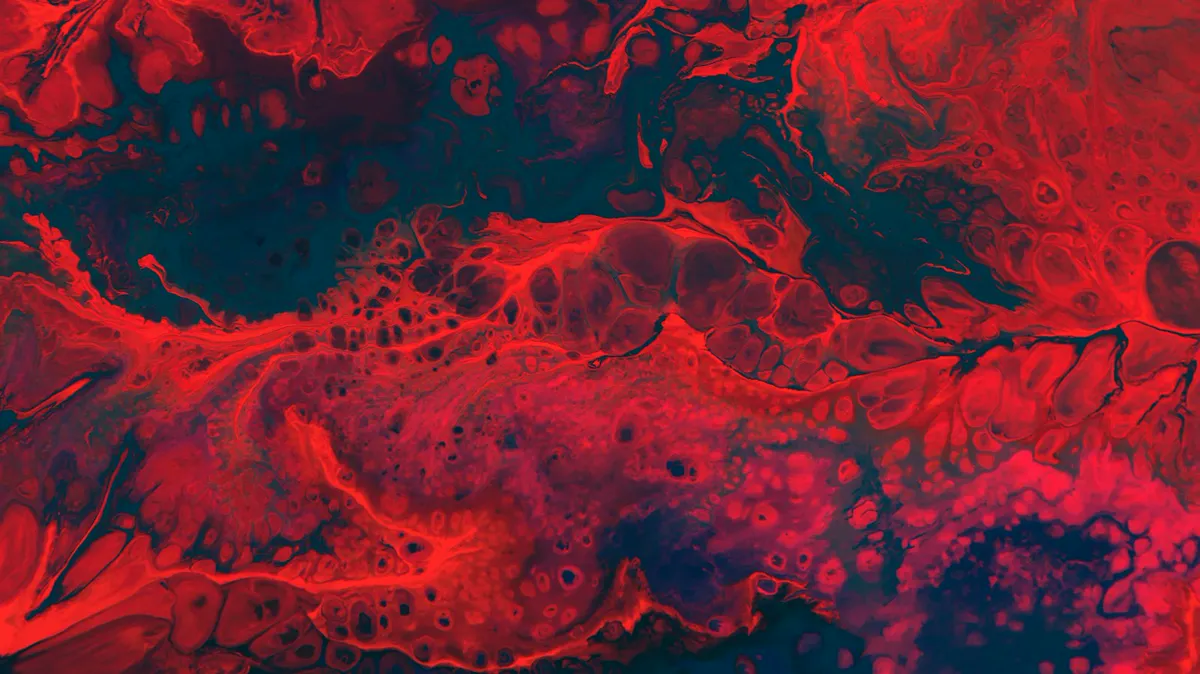
A heavy, layered red texture can signify emotional turbulence or strength, while a thin, washed-out red glaze might suggest fragility or a fading memory. The intensity of the red, combined with the tactile nature of the paint, creates a sensory experience that demands attention. This chromatic intensity is designed to provoke a reaction, whether it be a feeling of claustrophobia, warmth, or an overwhelming sense of spiritual transcendence.
Defining Abstract Expressionism and Texture
Abstract Expressionism was more than just a style; it was a philosophical shift. Centered in New York City after World War II, the New York School sought to express the collective trauma and existential anxiety of the era. By focusing on non-representational art, these artists moved away from depicting the external world and instead focused on the internal landscape of the human psyche. This is where the concept of texture becomes paramount. The physicality of the paint—its thickness, its drip, its crackle—serves as a record of the artist’s physical movement.
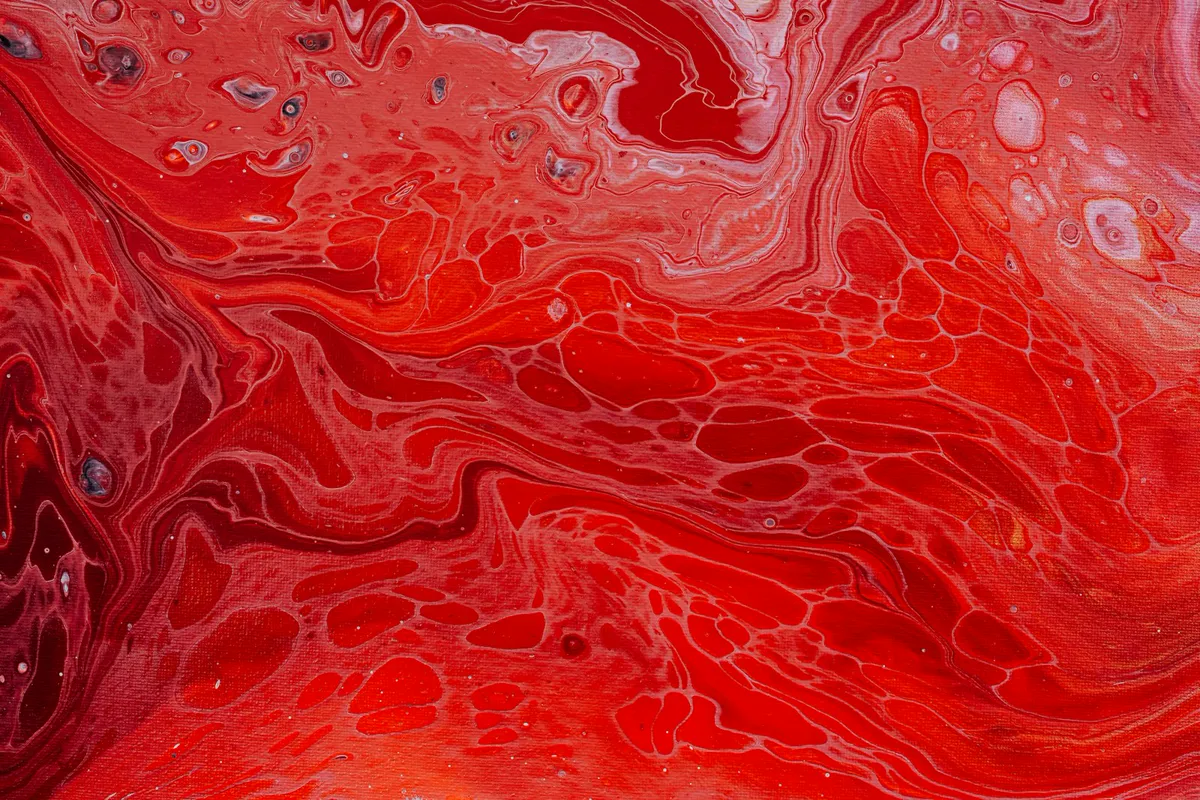
To truly understand these works, one must explore various painting techniques that allow for such depth. The texture is not an additive; it is the subject itself. When an artist applies a thick layer of red paint, they are documenting a moment of intensity. This gestural abstraction emphasizes the process over the product, turning the canvas into an arena where the artist grapples with the medium. For those interested in exploring these styles further, visiting local art galleries can provide a firsthand look at how light interacts with these physical surfaces.
Gestural Abstraction vs. Color Field Painting
Within this movement, two primary branches emerge: Action Painting and Color Field Painting. Action painters, like Jackson Pollock, viewed the canvas as a space for physical exertion. Their red textures are often chaotic, characterized by splatters, drips, and aggressive sweeps of the arm. In contrast, Color Field painters, such as Mark Rothko, utilized large expanses of a single color to create a meditative, immersive environment. In their work, the red texture is often subtle—achieved through thin, overlapping washes of paint that create a glowing, ethereal effect known as luminosity.
Mastering Red Texture: Techniques and Mediums
Achieving a professional-grade red texture requires an understanding of both the chemistry of paint and the physics of application. The goal is often to create visual weight, ensuring the red doesn’t feel flat or decorative, but rather structural and emotive.
Impasto and Heavy Body Acrylics
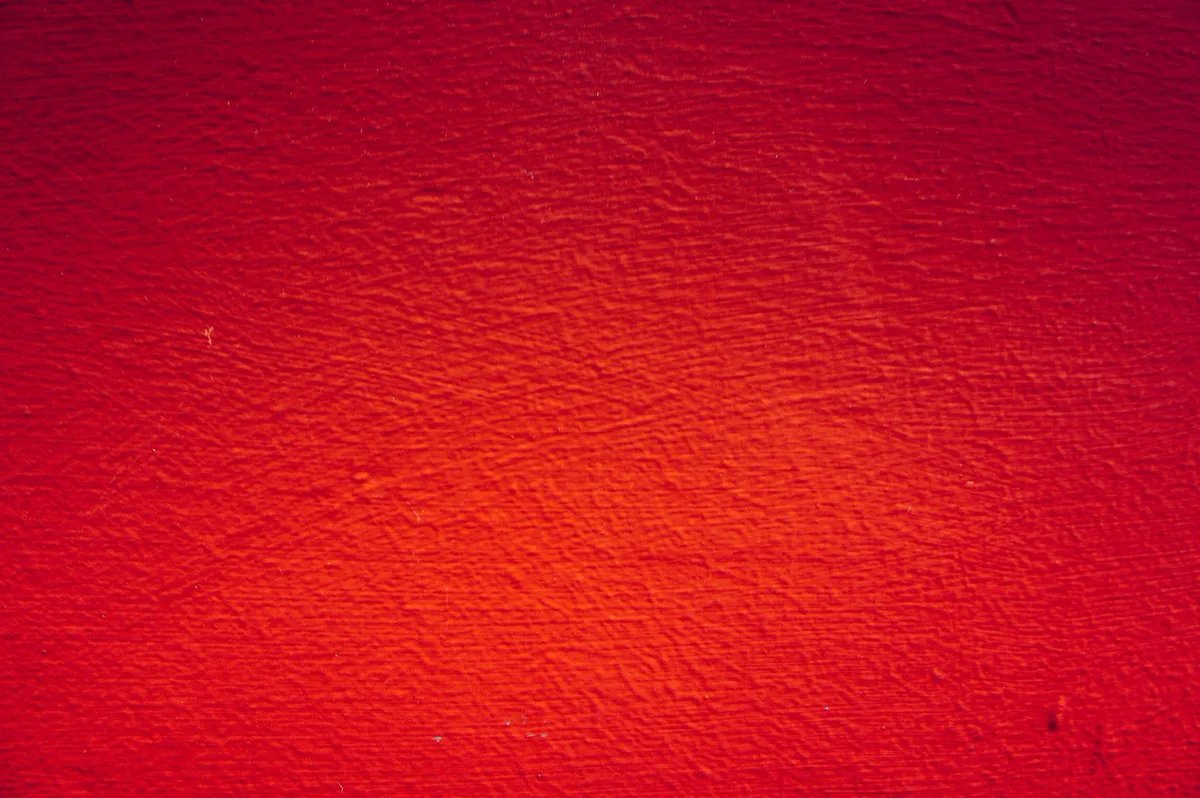
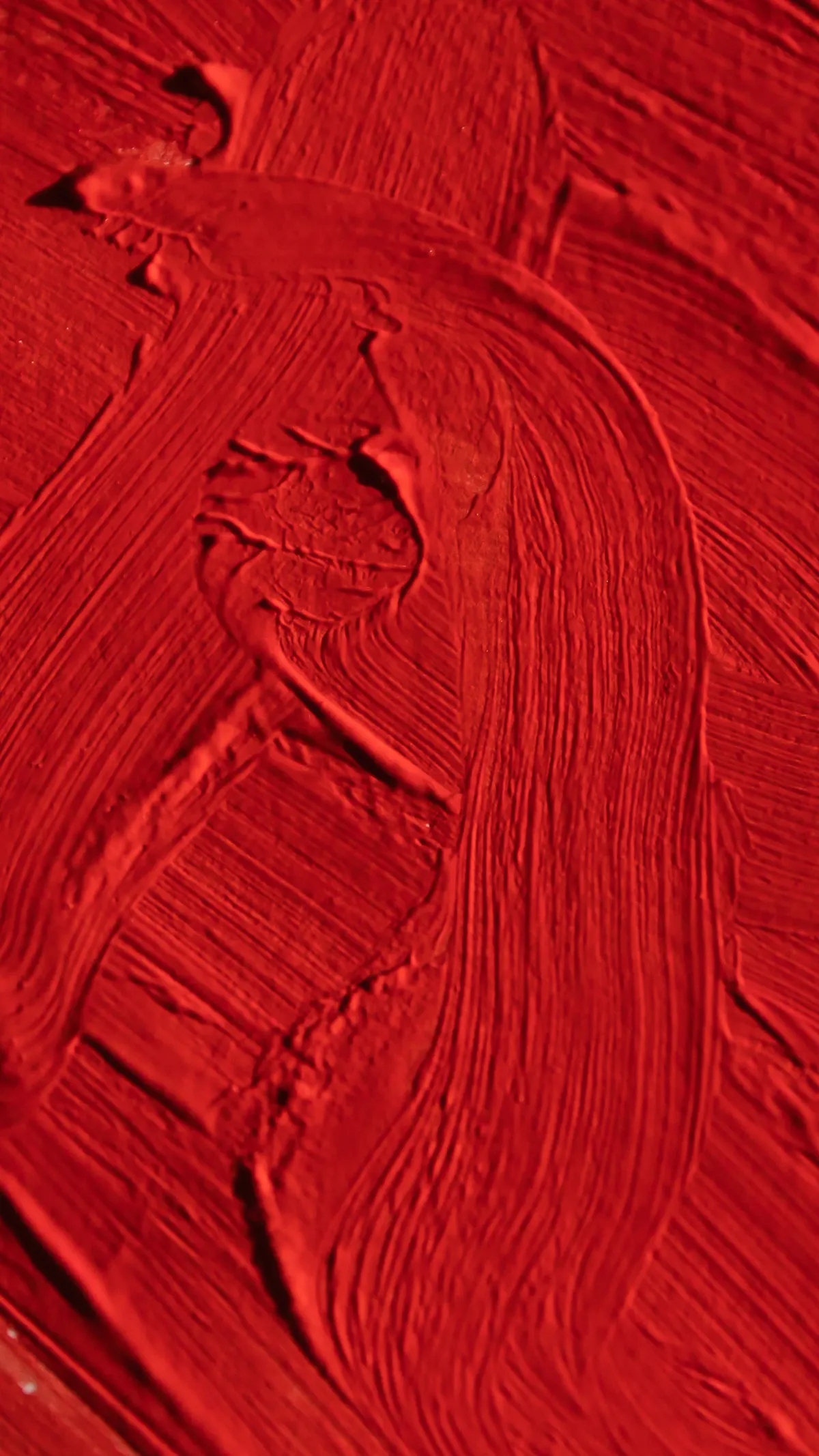
One of the most effective ways to create a tactile red surface is through impasto. This technique involves applying paint very thickly, often with a palette knife rather than a brush. When using heavy-body acrylics or oils, the paint retains the marks of the tool, creating ridges and peaks that cast actual shadows on the canvas. A red impasto surface creates a three-dimensional quality that mimics the roughness of organic matter or the scars of a weathered wall, adding a layer of grit and realism to the abstraction.
Drip Painting and Fluidity
To achieve a more fluid, energetic red texture, artists employ pouring techniques. By thinning the pigment with a medium or using liquid acrylics, the paint is allowed to flow, merge, and bleed across the surface. This creates organic textures—veins of deep crimson running through a sea of bright orange-red. The result is a sense of uncontrolled energy, mirroring the spontaneity and improvisation central to the Abstract Expressionist ethos.
Layering and Glazing for Depth
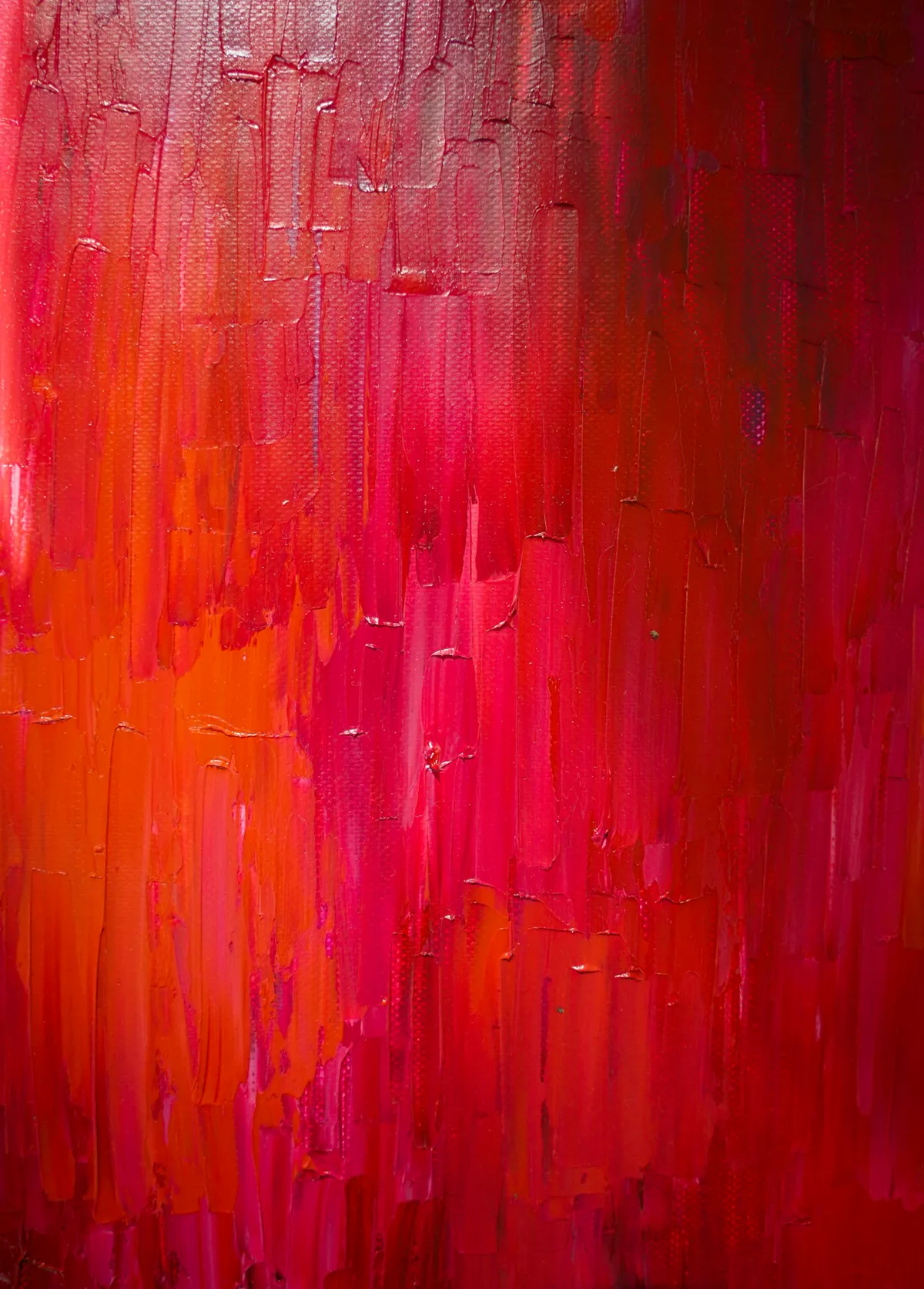
Depth is created through the strategic use of glazing. By applying a transparent layer of red over a dried layer of a different color (such as blue or black), the artist creates a visual vibration. This optical mixing gives the red texture an inner glow. Layering multiple shades of red—from a dark burnt sienna base to a bright cadmium red highlight—creates a sense of atmospheric volume, making the texture feel as though it is receding or advancing toward the viewer.
Analyzing Iconic Works Using Red Textures
When we look at the history of modern art, certain works stand out for their masterful use of red. Mark Rothko’s late-period works often utilized deep, saturated reds that seemed to vibrate on the canvas. His texture was not about thickness, but about saturation. The red became a void, a space for the viewer to lose themselves in, evoking a sense of the sublime.
Conversely, the works of Willem de Kooning often featured aggressive, slashing red strokes. Here, the red texture is an expression of violence or desire. The paint is often scraped, smeared, and reapplied, creating a palimpsest effect where previous versions of the painting peek through the current layer. This layering process mirrors the complexity of human memory and emotion, where new experiences are layered over old ones, never fully erasing what came before.
Incorporating Red Abstract Textures in Modern Design
Beyond the museum, the influence of Abstract Expressionism red textures has permeated modern interior design and digital art. In contemporary spaces, a large-scale abstract red piece can serve as a focal point, injecting energy and warmth into a minimalist room. The key is to balance the intensity of the red with neutral tones like charcoal, cream, or slate grey.
In the digital realm, artists use texture brushes and 3D rendering to mimic the impasto and drip effects of the 1950s. By simulating the way light hits a thick ridge of red paint, digital creators can evoke the same emotional response as a physical canvas. Whether in a physical living room or a digital interface, the red abstract texture remains a powerful tool for communicating intensity and sophistication.
Conclusion
The exploration of Abstract Expressionism red texture reveals a profound intersection between material and emotion. By moving beyond the need for a recognizable subject, artists have found a way to speak directly to the soul using nothing more than pigment and gesture. From the aggressive peaks of impasto to the haunting depths of color fields, red continues to be the most potent color in the artist’s palette. Understanding the techniques—the layering, the pouring, and the sculpting of paint—allows us to appreciate not just the beauty of the work, but the raw human effort and emotion embedded in every stroke.
Frequently Asked Questions
How do I create a professional impasto texture with red paint?
To achieve a thick, sculptural texture, use heavy-body acrylics or mix your paint with a modeling paste or gel medium. Apply the mixture with a palette knife or a stiff brush, avoiding thinning the paint with water. This allows the red peaks to hold their shape as they dry.
Why is red so common in Abstract Expressionist paintings?
Red is used because of its inherent emotional resonance. It is the color most associated with strong human experiences—love, anger, war, and passion. For artists seeking to express raw, unfiltered emotion, red provides the most immediate and powerful visual language.
What is the difference between a red wash and a red glaze?
A wash is a thin, diluted layer of paint that often looks like watercolor and sinks into the canvas. A glaze is a transparent layer of paint mixed with a medium that sits on top of a dried layer, creating a lens effect that adds depth and luminosity to the color beneath.
Can I use red abstract textures in a small room without it feeling overwhelming?
Yes, but balance is key. Instead of a wall-to-wall red piece, choose a work with a compositional balance of red and neutral colors. Alternatively, use the red piece as a singular accent against a neutral backdrop to ensure the room feels energized rather than claustrophobic.
Which artists are the best examples of red texture in abstraction?
Mark Rothko is the master of luminous, atmospheric red fields, while Jackson Pollock and Willem de Kooning exemplify the energetic, gestural use of red texture through drips and aggressive brushwork.
Related posts:
This page samples just one mood of abstract-expressionism. The category holds many more pieces in a similar vein.
Share this page with a fellow art lover looking for their next wallpaper.
