
Transforming a living space often requires a balance between bold artistic expression and practical flexibility. For many homeowners and renters, black abstract wallpaper peel and stick options have emerged as the ultimate solution for achieving a high-end, moody aesthetic without the permanence of traditional paste-and-paper installations. Whether you are aiming for a sophisticated study, a dramatic bedroom accent wall, or a contemporary living area, the intersection of deep pigments and non-linear patterns creates a visual depth that standard paint simply cannot replicate.
- Why Choose Black Abstract Patterns?
- Understanding Material Quality and Finishes
- Choosing the Right Abstract Style for Your Space
- Step-by-Step Installation Guide
- Styling Tips for Dark Walls
- Maintenance and Removal for Renters
- Frequently Asked Questions
Why Choose Black Abstract Patterns?
The psychological impact of the color black in interior design is often misunderstood. While some fear it makes a room feel smaller, a dark accent wall actually creates a focal point that adds perceived depth to a room. When paired with abstract motifs, the wallpaper avoids the oppressive feeling of a solid black void, instead introducing movement and texture.

Abstract designs—ranging from fluid ink washes to sharp geometric intersections—allow the eye to travel across the surface, creating an illusion of space. This makes removable wall coverings an excellent choice for those who want the drama of a dark palette but are hesitant about long-term commitment. The ability to swap styles as trends evolve ensures your home remains current without requiring professional contractors for every change.
Understanding Material Quality and Finishes
Not all self-adhesive wallpapers are created equal. To ensure a professional look, it is crucial to understand the differences in materials. Most high-quality options utilize heavy-duty vinyl or woven fabric, both of which offer distinct advantages depending on the room’s environment.

Vinyl is typically water-resistant and easy to wipe clean, making it ideal for kitchens or bathrooms. However, for a living room or bedroom, a textured fabric finish can reduce glare and provide a softer, more organic feel. If you are looking to upgrade your modern interiors, consider the finish: matte finishes absorb light and provide a velvet-like sophistication, while satin or glossy finishes reflect light, which can help brighten a darker room by bouncing light from nearby lamps or windows.
When shopping, look for breathable adhesives. Lower-end products may use glues that trap moisture or leave a sticky residue, whereas premium renter-friendly wallpaper is designed to peel away cleanly without damaging the underlying drywall or paint.
Choosing the Right Abstract Style for Your Space
The term ‘abstract’ covers a vast spectrum of design. Choosing the right pattern is the difference between a room that feels curated and one that feels cluttered. Consider these popular categories:
Fluid and Organic Forms
Think of smoke, marble veins, or watercolor splashes. These patterns evoke a sense of calm and nature. Biomorphic shapes in black and grey tones work exceptionally well in bedrooms, where a soothing, dream-like atmosphere is desired. These designs blend seamlessly into the background, providing a subtle texture that supports the furniture rather than competing with it.
Geometric and Architectural Lines
For those seeking a more structured, professional look, geometric abstracts—such as intersecting gold lines on a black backdrop or asymmetrical polygons—are ideal. These patterns convey modernity and precision. They are particularly effective in home offices or dining rooms, where they can evoke a sense of urban sophistication and order.
Minimalist Line Art
Simple, continuous line drawings on a dark field offer a gallery-like feel. This style is perfect for those who embrace minimalism. By keeping the design sparse, you allow the contrast between the black background and the thin lines to create a striking visual punch without overwhelming the sensory experience of the room.

Step-by-Step Installation Guide
The primary appeal of peel and stick wallpaper is the ease of application, but achieving a seamless, bubble-free finish requires a methodical approach.
- Surface Preparation: Clean your walls with a damp cloth and a mild detergent. Any dust, grease, or bumps will be magnified once the wallpaper is applied. Allow the wall to dry completely for at least 24 hours.
- Measurement and Mapping: Measure the height and width of your wall. Use a level or a plumb line to draw a straight vertical guide on the wall. This ensures your first panel is perfectly straight, preventing a crooked ‘drift’ as you progress across the room.
- The Peel-and-Press Technique: Peel back only a few inches of the backing paper. Align the edge with your guide line and press firmly. Use a plastic smoothing tool or a squeegee to push air bubbles from the center outward toward the edges.
- Pattern Matching: Pay close attention to the abstract lines where two panels meet. Because abstract patterns are often non-repeating or have complex offsets, carefully overlap or butt the edges to ensure the visual flow remains uninterrupted.
- Trimming: Use a sharp utility knife and a metal ruler to trim the excess wallpaper at the ceiling and baseboards for a crisp, professional edge.
Styling Tips for Dark Walls
Integrating black abstract elements requires a strategic approach to lighting and furniture to avoid making the space feel cave-like.
Lighting is paramount. To counteract the light-absorbing nature of black wallpaper, incorporate layered lighting. Use a combination of ambient overhead lights, task lighting (like a brass floor lamp), and accent lighting (such as LED strips or wall sconces). This creates highlights and shadows that make the abstract patterns ‘pop’.
Contrast through Textiles. Balance the weight of the dark walls with light-colored furniture or textiles. A cream-colored linen sofa, a white faux-fur rug, or light oak flooring creates a stunning contrast that makes the black wallpaper feel like a deliberate design choice rather than an accident. Incorporating metallic accents—specifically gold, brass, or copper—adds a touch of luxury and reflects light, enhancing the overall opulence of the room.
Maintenance and Removal for Renters
One of the greatest advantages of this medium is the lack of permanent commitment. However, keeping dark wallpaper looking fresh requires specific care. Use a microfiber cloth for dusting to avoid scratching the vinyl surface. For stains, use a damp cloth with water; avoid harsh chemical solvents that could degrade the adhesive layer.
When the time comes to move or redecorate, the removal process is straightforward. Slowly peel the wallpaper from a top corner. If the adhesive feels too stubborn, a hair dryer on a low heat setting can soften the glue, allowing the material to lift away without pulling the paint from the wall. This non-destructive removal is why peel-and-stick options are the gold standard for temporary housing and apartment living.
Conclusion
Embracing black abstract wallpaper peel and stick is more than just a home improvement project; it is an exercise in defining the mood of your environment. By selecting the right material, focusing on precise installation, and balancing the dark tones with strategic lighting and contrast, you can create a space that feels both cutting-edge and timelessly elegant. Whether you are a daring decorator or a cautious renter, these versatile wall coverings provide a risk-free path to professional-grade interior design.
Frequently Asked Questions
Does black peel and stick wallpaper make a room feel significantly smaller?
Not necessarily. While dark colors can close in a space, abstract patterns break up the solid block of color, creating visual movement. When paired with ample lighting and light-colored furniture, a black accent wall can actually add depth and a sense of sophistication that makes a room feel more intentional and expansive.
How do I fix bubbles that appear after the wallpaper is already installed?
Small bubbles can usually be pushed to the edge using a smoothing tool. For more stubborn air pockets, use a tiny sewing needle to prick a hole in the center of the bubble and gently press the air out with your finger. The hole will be virtually invisible once the surface is smoothed.
Can I apply peel and stick wallpaper to textured walls?
Most self-adhesive wallpapers are designed for smooth surfaces. On heavily textured walls (such as orange-peel or knockdown textures), the adhesive may not bond fully, leading to peeling at the edges. For these surfaces, it is recommended to use a traditional wallpaper paste or a specialized wall primer first.
Is matte black wallpaper harder to maintain than glossy black?
Matte finishes are generally better at hiding fingerprints and imperfections in the wall. However, they can be more susceptible to ‘burnishing’ (shiny spots) if scrubbed too hard. Glossy finishes are easier to wipe clean but show every smudge and bump in the wall surface.
Will the adhesive damage my paint during removal?
High-quality, renter-friendly brands use a low-tack adhesive designed to be removed without residue. However, if the underlying paint is old, peeling, or poorly bonded to the wall, some paint may lift. To prevent this, always peel the wallpaper slowly and use a hair dryer to warm the adhesive if you feel resistance.
Related posts:
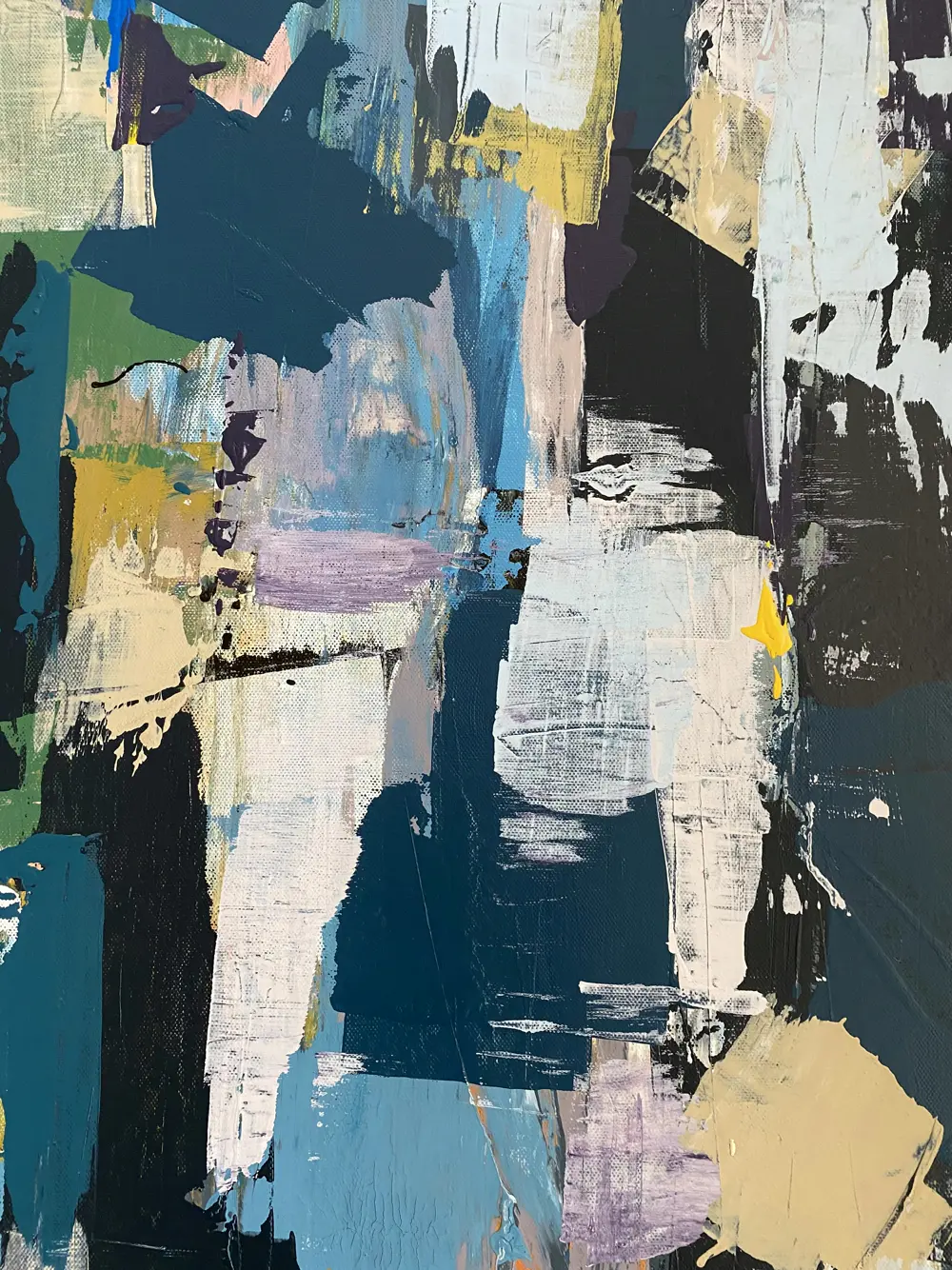
If this set speaks to you, Abstract Pastel Pink Art: Elevating Your Space with Soft Hues continues the abstract-decor conversation in a new direction.
Pass this link to someone who appreciates bold, abstract design.
