
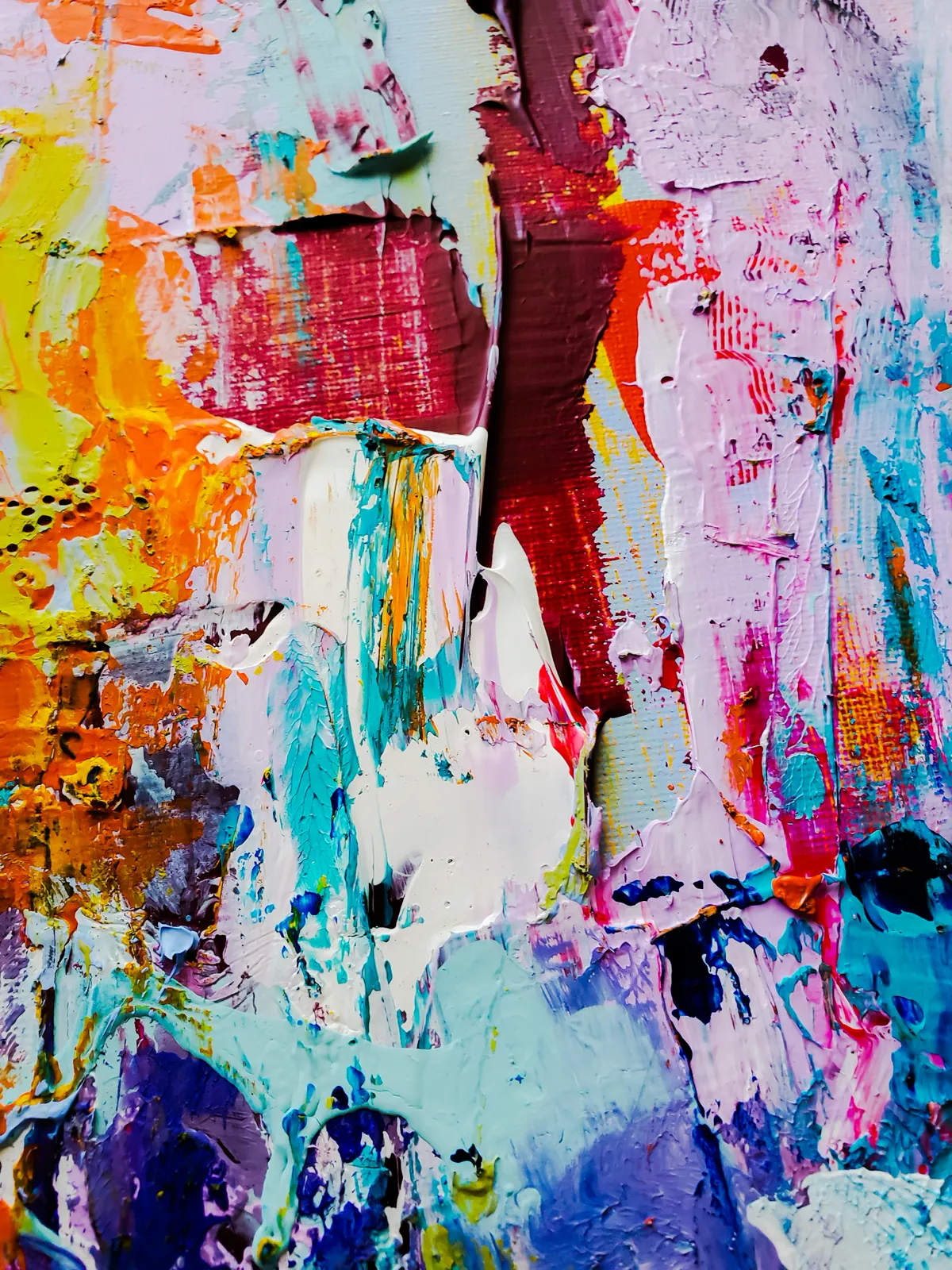
The allure of a textured abstract drawing lies in its ability to transcend the two-dimensional plane, inviting the viewer to not only see the art but to imagine the sensation of touching it. Unlike traditional flat compositions, tactile abstraction leverages physical depth and visual grit to convey emotion, energy, and raw intuition. By manipulating materials and surfaces, artists can create a visceral experience that resonates on a primal level, turning a simple piece of paper or canvas into a sculptural landscape of form and feeling.
- Understanding the Philosophy of Texture
- Essential Tools and Media for Depth
- Core Techniques for Adding Physical Dimension
- Balancing Visual Weight and Composition
- Preserving and Finishing Your Textural Work
- Frequently Asked Questions
Understanding the Philosophy of Texture
At its core, adding texture to an abstract piece is about introducing a haptic element to the visual experience. In the world of fine art, texture is divided into two categories: actual texture (which you can feel) and implied texture (which looks like it has depth but is flat). A true textured abstract drawing focuses on the former, using the physical buildup of media to create shadows and highlights that change depending on the light source in the room.
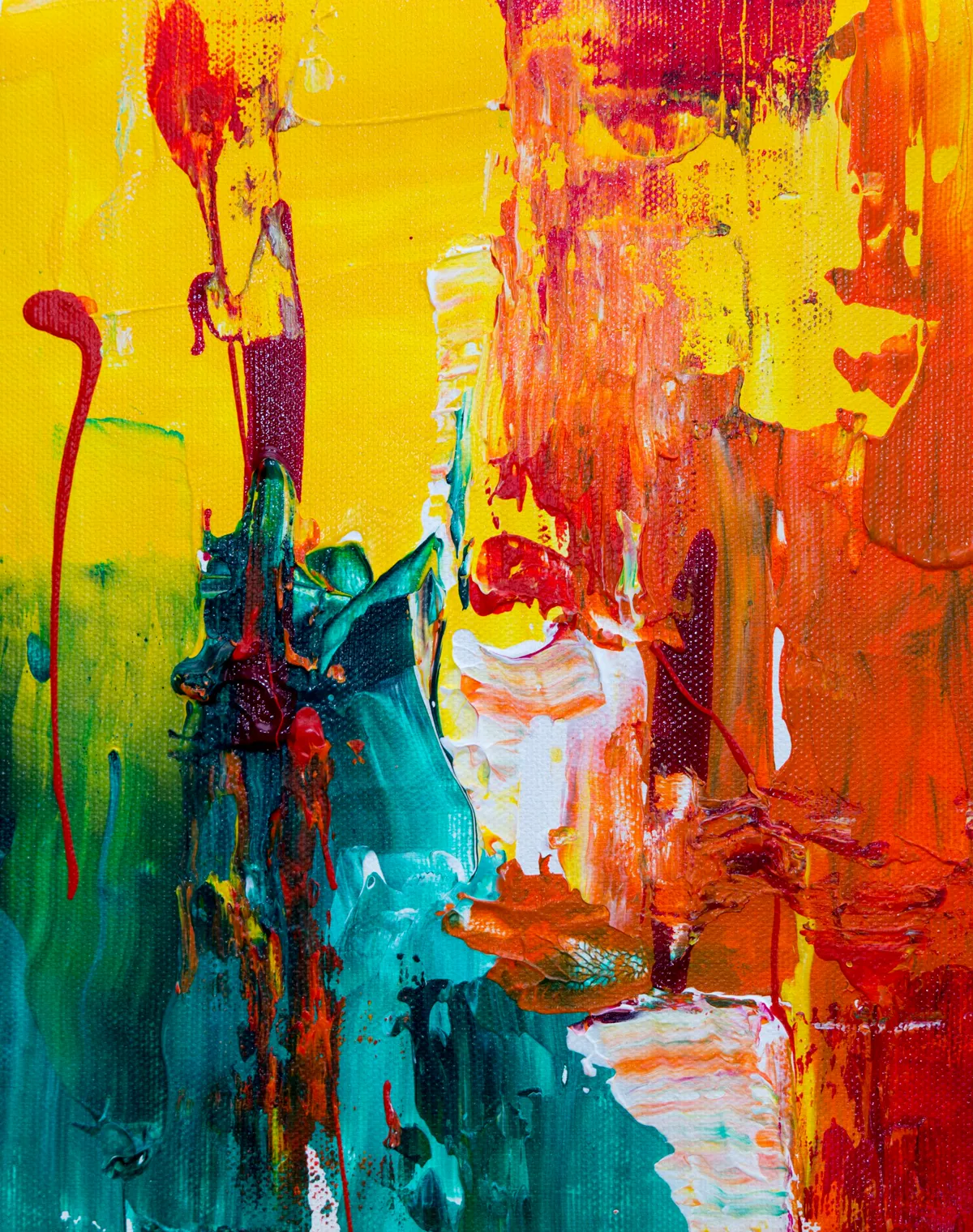
This approach often aligns with Abstract Expressionism, where the act of applying the medium is as important as the final result. When you scrape, smear, or layer materials, you are recording a physical gesture. This makes the artwork a historical document of the artist’s movement, making the process an integral part of the narrative. Exploring the world of painting and mixed media allows an artist to break free from the constraints of line and shade, moving instead into the realm of volume and mass.
The psychological impact of texture is profound. Rough, jagged edges can evoke anxiety, conflict, or raw power, while smooth, undulating swells might suggest serenity, fluidity, or organic growth. By mastering these tactile cues, you can communicate complex emotions without relying on recognizable imagery, allowing the viewer to project their own subconscious onto the work.
Essential Tools and Media for Depth
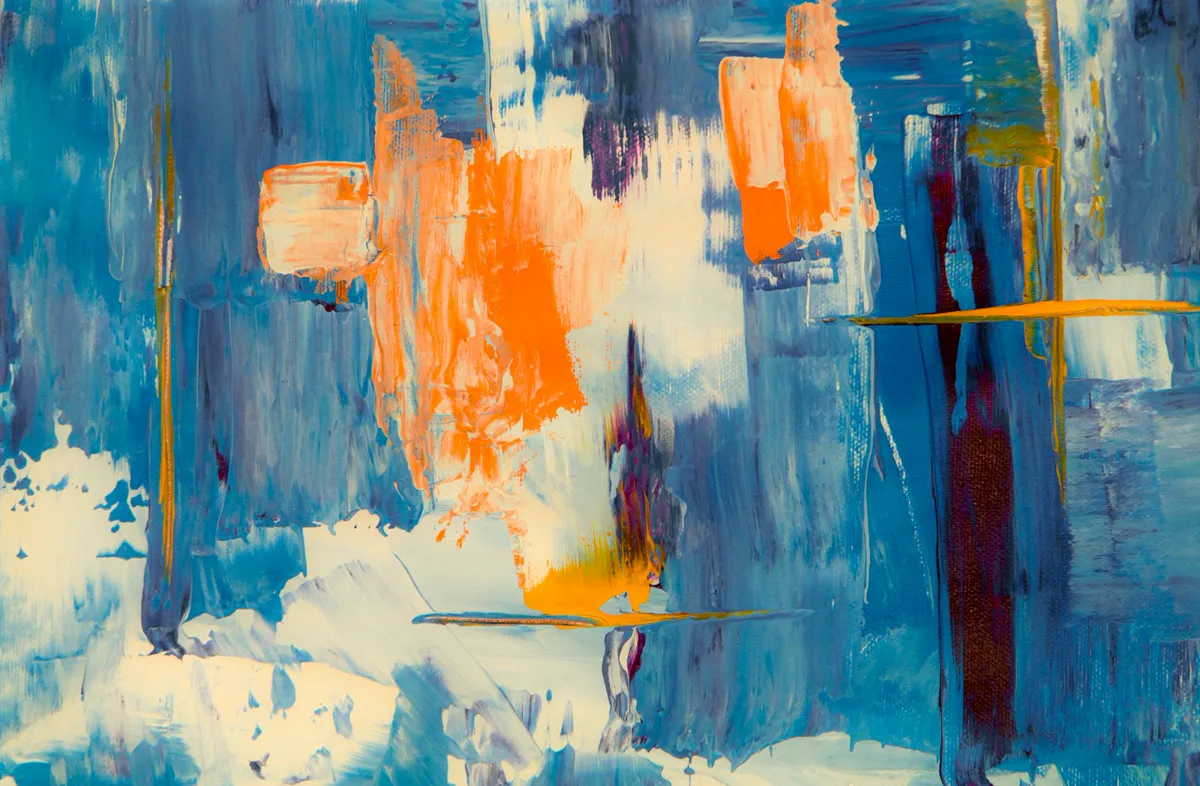
To move beyond a flat surface, you need materials that possess viscosity and structural integrity. The goal is to create a medium that holds its shape once applied, rather than leveling out as it dries.
Mediums and Additives
- Modeling Paste: A thick, acrylic-based medium that is ideal for creating high-relief shapes. It dries matte and can be sanded or painted over.
- Gesso: While primarily used as a primer, heavy-body gesso can be applied in thick layers to create a subtle, pebbled texture.
- Pumice Gel: This medium contains actual volcanic rock particles, providing a gritty, sandpaper-like finish that is excellent for industrial or organic themes.
- Cold Wax Medium: Often mixed with oil paints, this creates a thick, buttery consistency that allows for impasto techniques and scraping.
Application Tools
Traditional brushes are often insufficient for heavy texture. Instead, professional artists turn to tools that can move large volumes of material:
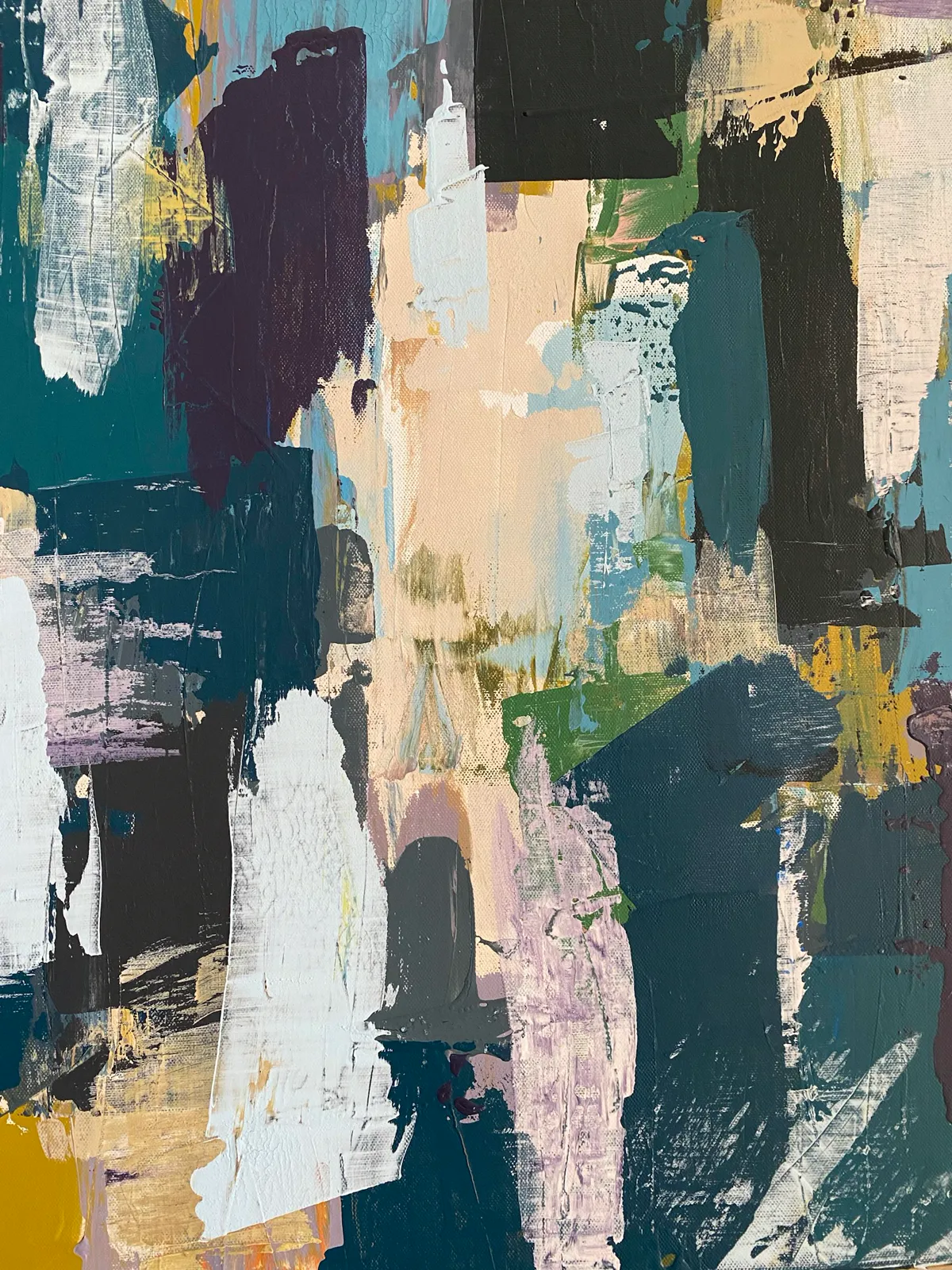
- Palette Knives: Essential for creating sharp edges, flat planes, and thick peaks of paint.
- Sponge and Stipplers: Useful for creating organic, porous textures that mimic stone or cellular structures.
- Comb and Scrapers: These allow for the creation of linear rhythms and repetitive patterns across the surface.
- Found Objects: Credit cards, bubble wrap, and coarse fabrics can be pressed into wet media to leave unique imprints.
Core Techniques for Adding Physical Dimension
Creating a textured abstract drawing requires a strategic approach to layering. If you apply too much material at once, you risk cracking or peeling; if you apply too little, the work remains flat.
The Layering Process
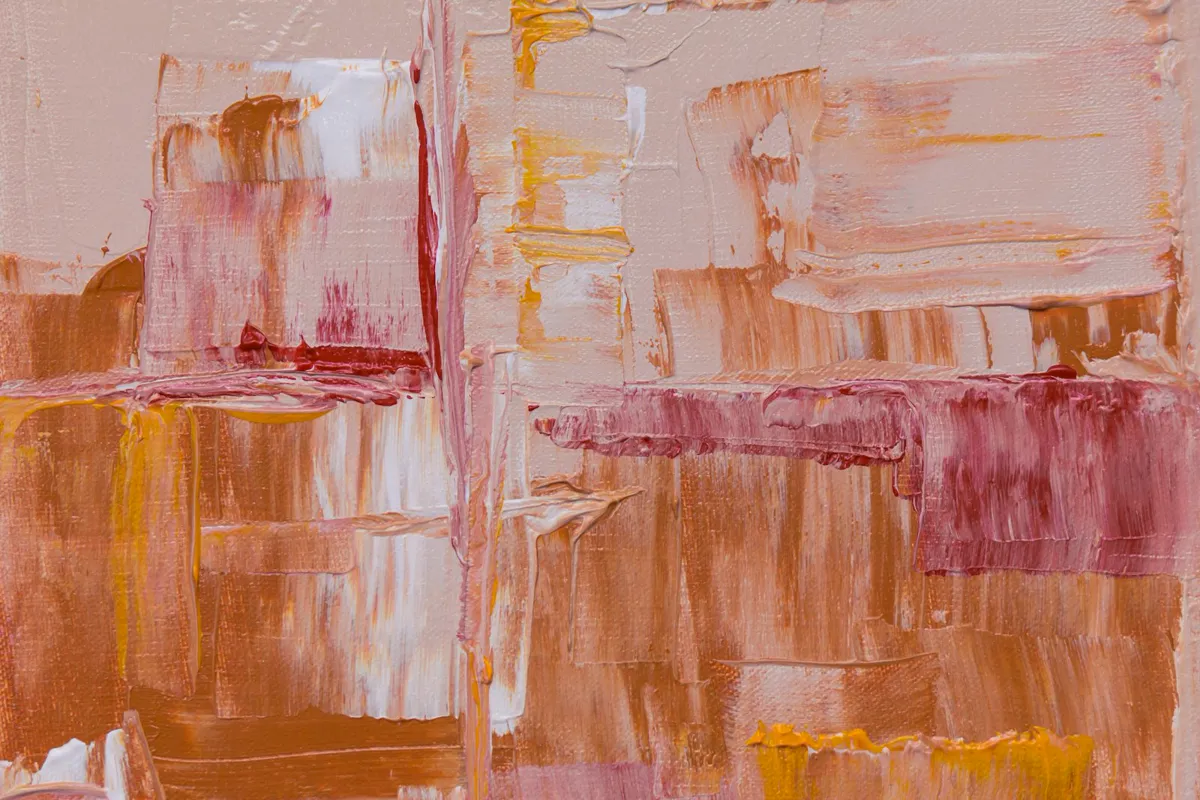
The most successful tactile works are built in stages. Start with a base layer of coarse texture, such as a mixture of gesso and sand. Once this is dry, you can apply glazes—thin, transparent layers of color—that sink into the crevices and skip over the peaks. This creates a natural highlight and shadow effect that emphasizes the physical depth of the piece.
Sgraffito and Subtraction
Texture isn’t just about adding; it’s also about taking away. Sgraffito is a technique where the artist scratches through a wet top layer of paint to reveal the color or texture underneath. This creates fine, sharp lines that contrast beautifully with thick, blurred masses. By carving into your medium, you introduce a sense of archaeology to your art, as if the viewer is uncovering hidden layers of meaning.
Impasto and Gestural Application
The impasto technique involves applying paint so thickly that it stands out from the surface. When using this method, focus on the visceral quality of the stroke. Instead of blending, leave the marks of the palette knife visible. These ‘peaks’ catch the light, creating a dynamic interplay between the artwork and the environment. Integrating elements of sketching into the early phases can help map out where these heavy deposits should go to guide the viewer’s eye.
Balancing Visual Weight and Composition
One common mistake in textured art is overworking the entire canvas. If every square inch is heavily textured, the eye has nowhere to rest, and the piece can feel claustrophobic or chaotic. The key to a professional finish is the contrast between texture and void.
Creating Focal Points
Use the heaviest textures to define your focal points. A high-relief area surrounded by a smooth, flat wash of color will naturally draw the viewer’s attention. This creates a hierarchy of importance within the composition, preventing the artwork from becoming a wall of noise. Think of texture as a volume knob; you want some areas to be ‘loud’ and others to be ‘quiet’.
The Role of Negative Space
In textured abstract drawing, negative space is not just empty area—it is a breathing room. A flat, monochromatic section can act as a foil to a complex, gritty section, making the texture feel even more pronounced. This balance ensures that the physical depth serves the composition rather than overwhelming it.
Color and Shadow Integration
Remember that physical texture creates real shadows. When choosing your color palette, consider how a dark pigment in a deep crevice will look compared to a light pigment on a raised ridge. Using complementary colors in the depths and highlights can add a vibrational energy to the piece, enhancing the three-dimensional illusion. Many artists use abstract color theories to evoke specific moods, such as using cool blues in the recesses to suggest depth and warmth on the peaks to suggest light.
Preserving and Finishing Your Textural Work
Because textured art often involves thick layers and mixed media, it is more susceptible to environmental damage than flat paintings. Proper finishing is critical for longevity.
Drying and Curing
Thick applications of acrylic or oil media take significantly longer to dry. Rushing the process can lead to ‘skinning,’ where the top layer dries but the inside remains wet, eventually causing the surface to crack. Patience is essential; some heavy impasto works may require weeks to fully cure before they can be varnished.
Varnishing for Protection
A high-quality varnish serves two purposes: protection and visual unification. A gloss varnish will deepen the colors and make the textures pop by increasing the contrast between highlights and shadows. A matte varnish, on the other hand, provides a more contemporary, stone-like finish that emphasizes the raw materiality of the work. Always apply varnish in thin, even coats to avoid pooling in the textured valleys.
Support and Stability
Heavy texture adds significant weight to the substrate. Standard thin canvases may sag under the weight of modeling paste. For highly textured works, wooden cradled panels or heavy-duty linen are recommended. These supports provide the necessary rigidity to prevent the art from warping over time.
Conclusion
Mastering the textured abstract drawing is a journey of sensory exploration. It requires a willingness to experiment, a tolerance for mess, and a keen eye for the relationship between light and form. By combining the structural strength of mediums like modeling paste with the emotional fluidity of abstract composition, you can create works that speak a universal language of touch and feeling. Remember that the beauty of abstraction lies in its subjectivity; there are no mistakes, only unexpected textures that invite further discovery.
Frequently Asked Questions
How do I prevent heavy texture from cracking as it dries?
Cracking usually occurs when the top layer dries faster than the bottom layer. To prevent this, apply your medium in thinner, multiple layers rather than one massive slab. Additionally, using professional-grade acrylic mediums designed for high-build applications ensures the material remains flexible as it cures.
Can I create textured abstract art using only pencils or charcoal?
While pencils are inherently flat, you can create ‘implied texture’ through techniques like hatching, cross-hatching, and stippling. To get actual physical texture, some artists use heavy-tooth papers or additive methods, such as rubbing wax or oil pastels onto the page before applying charcoal to create a resistant, textured effect.
What is the best way to clean a heavily textured painting?
Dust tends to settle in the crevices of textured art. The safest way to clean it is using a soft-bristled brush (like a clean makeup brush or a soft paintbrush) to gently whisk away particles. Avoid damp cloths, as they can push dust deeper into the texture or leave streaks in the matte areas.
How do I choose a color palette that doesn’t clash with the texture?
Consider the mood you want to convey. If the texture is aggressive and jagged, a muted or monochromatic palette can balance the intensity. If the texture is soft and undulating, vibrant colors can add a layer of excitement. A good rule of thumb is to use a limited palette of 3-4 colors to keep the focus on the tactile elements.
Do I need to prime my surface before adding modeling paste?
Yes, priming with gesso is highly recommended. Gesso provides a ‘tooth’ for the modeling paste to grip onto, preventing the heavy layers from peeling away from the canvas or panel over time. It also seals the support, ensuring that the medium doesn’t soak unevenly into the fabric.
Related posts:
Your next desktop or phone look is hiding somewhere in abstract-drawing. The related sets below are a good place to dig.
Share this page with a fellow art lover looking for their next wallpaper.
