
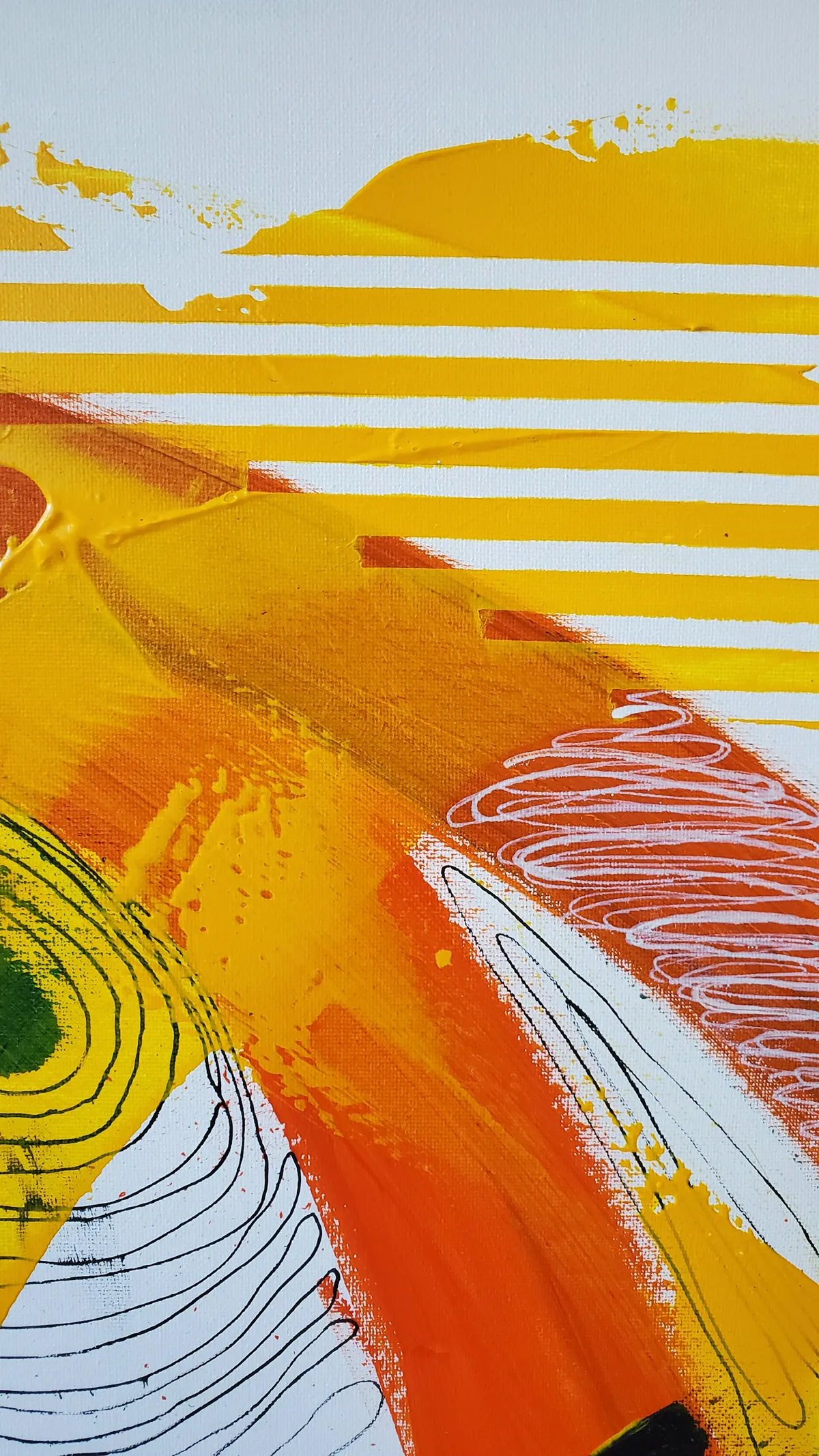
The yellow abstract mural aesthetic is more than just a bold design choice; it is a strategic injection of energy, optimism, and artistic fluidity into a living environment. In the world of modern interior design, the shift toward dopamine decor—spaces specifically designed to trigger happiness—has brought vibrant hues and non-linear forms to the forefront. A yellow mural doesn’t simply cover a wall; it alters the atmospheric pressure of a room, transforming a stagnant area into a focal point of creativity and warmth.
Whether you are aiming for the sophisticated mood of a mid-century modern lounge or the airy lightness of a contemporary Scandinavian apartment, integrating abstract yellow elements requires a balance of color theory and spatial awareness. By blending organic shapes with the psychological power of yellow, homeowners can create a sanctuary that feels both curated and spontaneous.
- The Psychology of Yellow in Abstract Art
- Defining the Abstract Mural Aesthetic
- Selecting the Right Shade of Yellow for Your Space
- Styling and Pairing Your Yellow Mural
- Practical Implementation: DIY vs. Professional
- Lighting and Spatial Considerations
- Conclusion
- Frequently Asked Questions
The Psychology of Yellow in Abstract Art
Color psychology suggests that yellow is the most visible color in the spectrum and is intrinsically linked to the sun, warmth, and mental clarity. When applied through an abstract lens, the color loses its rigidity and becomes a vehicle for emotion. Unlike a solid yellow wall, which can sometimes feel overwhelming or induce anxiety if too saturated, an abstract mural breaks the color into fragments, swirls, and gradients.
This fragmentation allows the eye to wander, creating a sense of movement. Visual kineticism in abstract art prevents the brain from feeling trapped by the intensity of the hue. Instead, it evokes feelings of curiosity and intellectual stimulation. In home offices, this aesthetic is often used to spark productivity, while in living areas, it serves as a conversational anchor that promotes social openness.
Defining the Abstract Mural Aesthetic
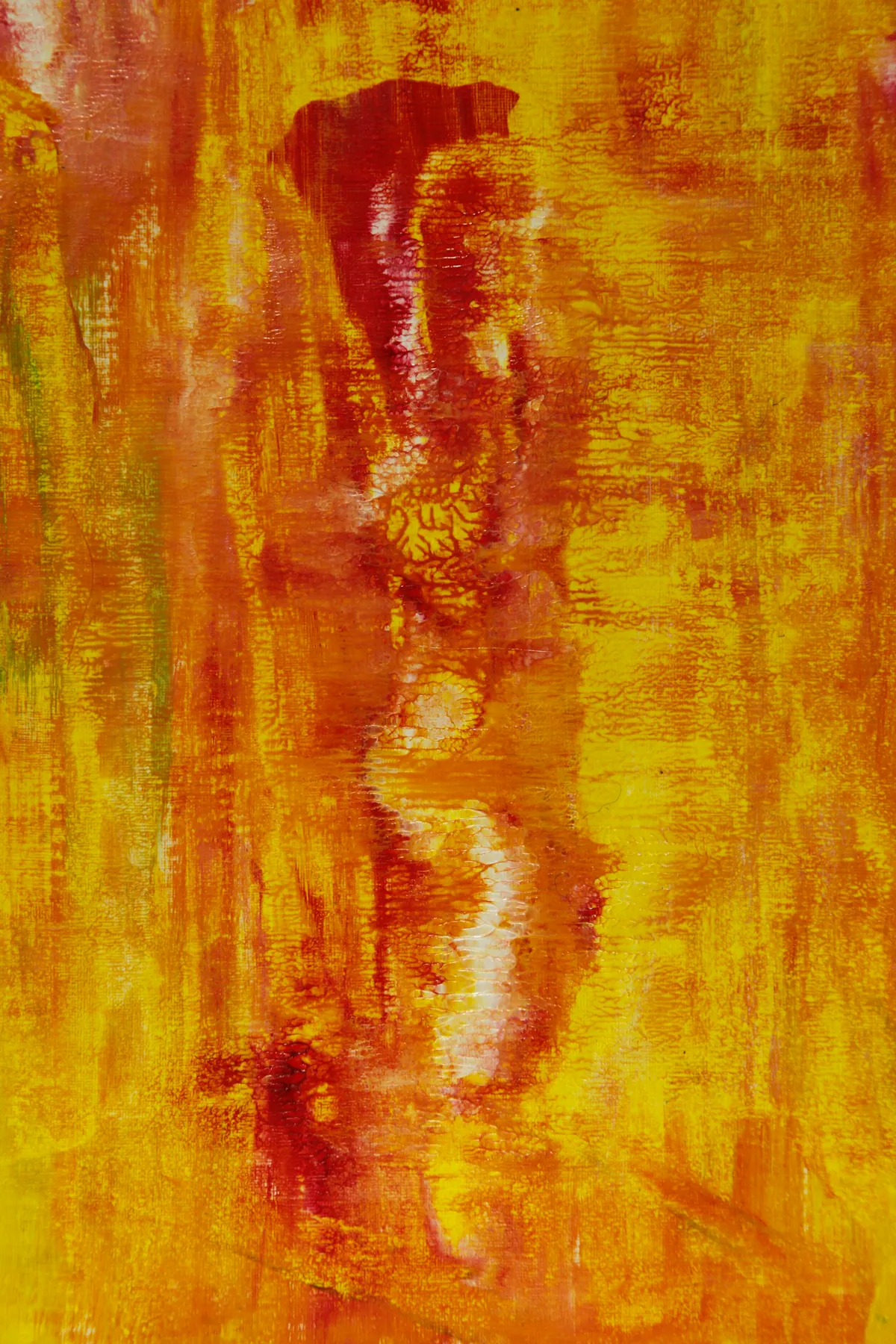
The essence of the yellow abstract mural aesthetic lies in its rejection of symmetry. It typically manifests in three primary styles: geometric abstraction, fluid organicism, and textural minimalism. Geometric styles use sharp angles and intersecting planes of yellow, gold, and ochre to create a sense of architectural order. Fluid styles, on the other hand, mimic the movement of water or smoke, using soft transitions that soothe the observer.
To truly master this look, one must consider the interplay between the foreground and the background. A mural that utilizes negative space—leaving parts of the original wall exposed—often feels more integrated into the room than a wall-to-wall installation. Integrating a few design elements like matte finishes or metallic gold leaf can add a layer of luxury that elevates the mural from simple paint to a piece of fine art.
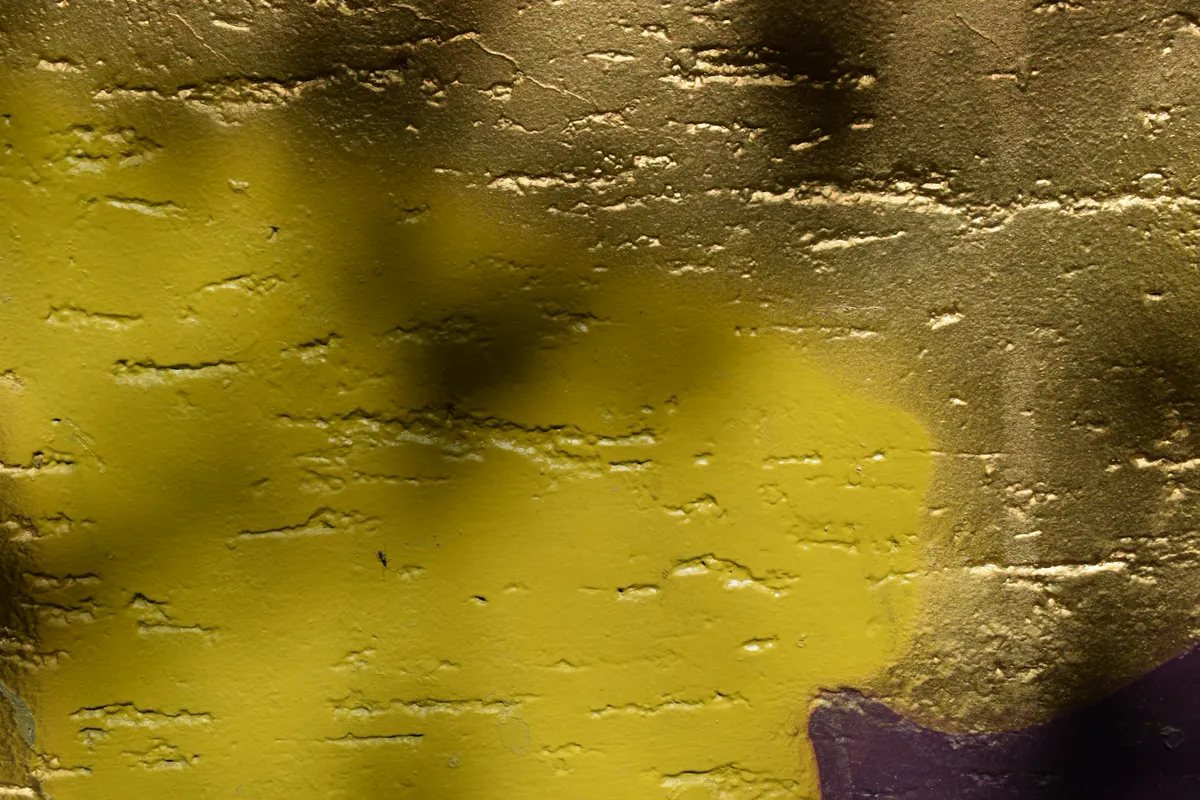
Many enthusiasts pair these murals with furniture that mirrors the curves of the abstract shapes, creating a cohesive visual language throughout the interior. By focusing on minimalism in other areas of the room, the mural is allowed to breathe and command attention without creating visual clutter.
Selecting the Right Shade of Yellow for Your Space
Not all yellows are created equal. The ‘aesthetic’ depends entirely on the undertone and saturation of the pigment. Choosing the wrong shade can make a room feel sickly or overly sterile, while the right one can make a space glow even on a cloudy day.
Mustard and Ochre for Sophistication
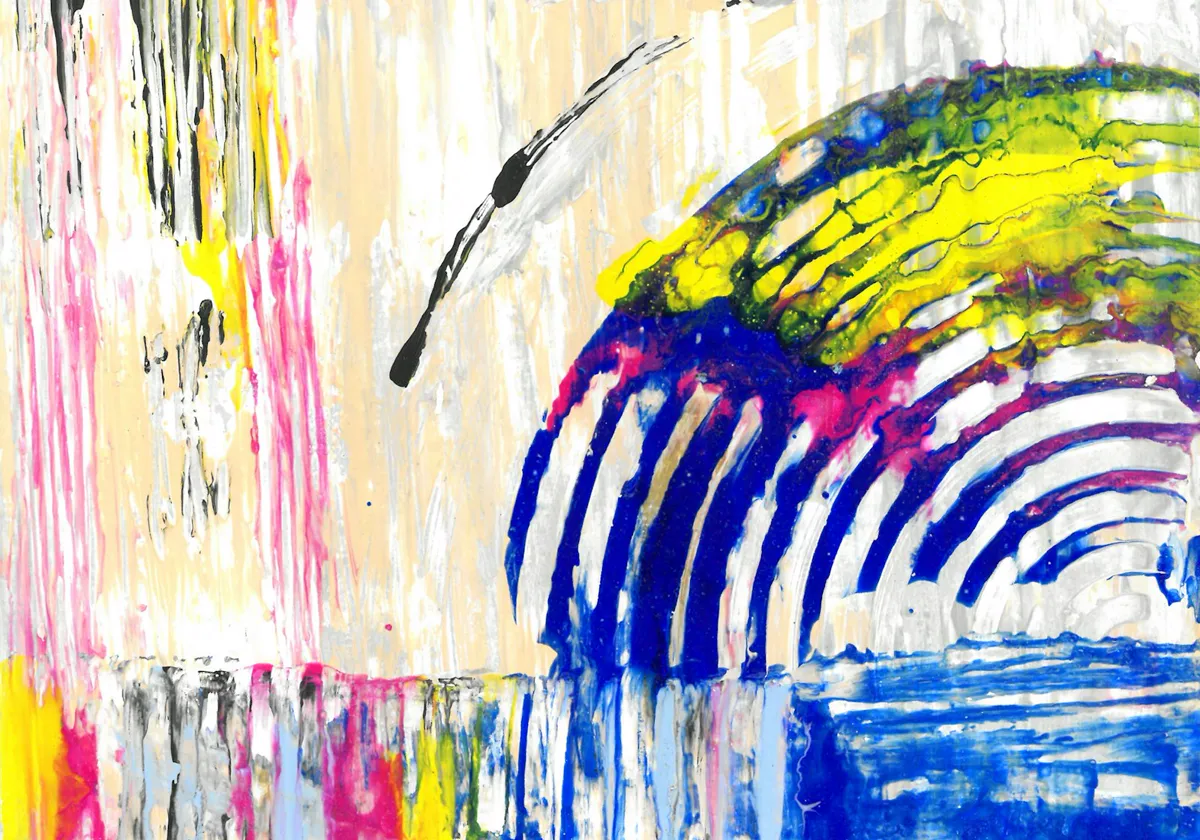
Mustard yellow and ochre are the gold standards for mid-century modern and industrial aesthetics. These deeper, earthier tones provide a sense of stability and maturity. They pair exceptionally well with dark woods, leather sofas, and charcoal grey accents. An abstract mural in these shades often feels like a vintage tapestry updated for the 21st century.
Lemon and Canary for High Energy
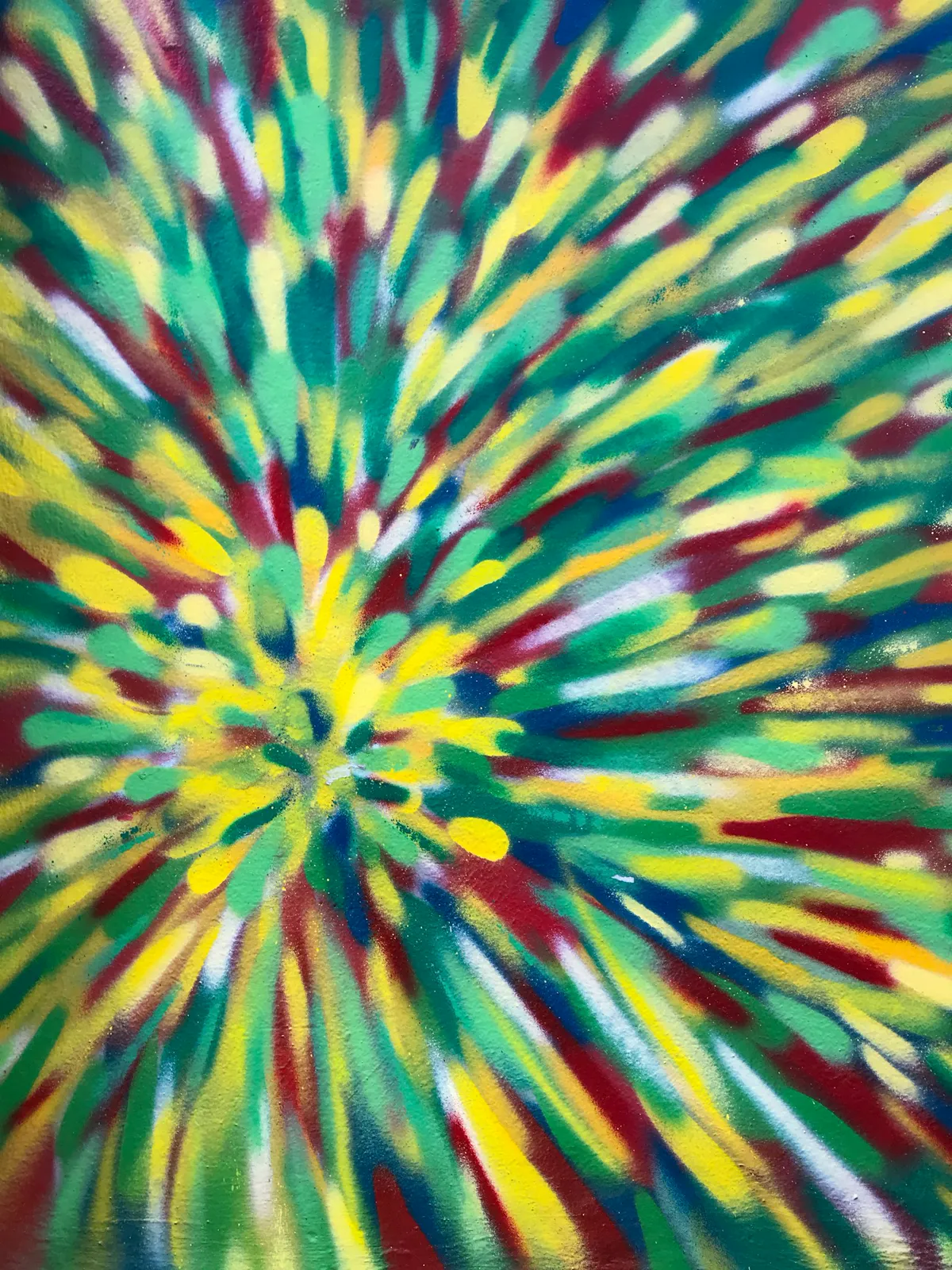
Bright lemon or canary yellow is ideal for spaces that require a surge of energy, such as kitchens, creative studios, or children’s play areas. These shades are high-contrast and high-impact. To keep them from becoming grating, it is best to use them in watercolor styles or diluted gradients where the bright yellow fades into a creamy white.
Pastel and Butter Yellow for Serenity
For bedrooms or bathrooms, pastel yellow or buttercream hues are preferable. These shades evoke a sense of calm and lightness. In an abstract mural, these colors can be used to create ‘cloud-like’ forms that make the ceiling feel higher and the room more expansive.
Styling and Pairing Your Yellow Mural
The challenge of a yellow abstract mural is ensuring it doesn’t clash with the rest of the interior. The key is to use complementary color schemes and contrasting textures.
- The Modern Contrast: Pair a vibrant yellow mural with matte black hardware and white walls. This creates a sharp, contemporary look that is popular in urban lofts.
- The Earthy Harmony: Combine ochre tones with olive green, terracotta, and natural linen fabrics. This approach leans into the ‘boho-chic’ aesthetic, making the room feel grounded and organic.
- The Airy Balance: Use soft yellow abstracts with light grey or navy blue accents. Navy blue is the direct complement to yellow on the color wheel, making it the most effective choice for creating a professional yet artistic balance.
Texture also plays a vital role. Since abstract murals are visually ‘loud,’ balancing them with tactile materials like wool rugs, velvet cushions, or raw wooden shelving helps absorb the visual energy and makes the room feel cozy rather than chaotic.
Practical Implementation: DIY vs. Professional
Achieving the yellow abstract mural aesthetic can be done through several mediums, depending on the budget and desired permanence.
Hand-Painted Murals
For those with an artistic streak, hand-painting allows for total customization. Using a dry-brush technique or a sponge can create the depth and layering necessary for a truly abstract feel. The advantage here is the uniqueness; no two hand-painted murals are identical.
Custom Wallpaper and Decals
For a more precise and scalable result, digital printing on peel-and-stick wallpaper is the modern standard. This is ideal for renters or those who change their aesthetic frequently. High-resolution abstract prints can capture intricate gradients and splatters that are difficult to achieve by hand.
Stenciling and Mixed Media
Combining stencils with free-hand painting creates a ‘structured abstract’ look. Adding gold leaf accents or 3D textures (like joint compound) before painting can give the mural a gallery-quality finish that reacts dynamically to light.
Lighting and Spatial Considerations
Lighting is the final, critical component. Yellow is a highly reflective color, meaning it interacts intensely with the light sources in a room.
Natural light tends to brighten yellow, making it feel more vibrant during the day. However, in rooms with northern exposure (cool, bluish light), yellow can sometimes look flat. To counteract this, use warm-toned LED lighting or Edison bulbs to enhance the golden undertones of the mural during the evening.
In terms of spatial layout, place the mural on the primary focal wall—usually the wall opposite the entrance. This ensures that the first thing a visitor sees is the burst of energy, setting the mood for the entire space. In small rooms, avoid dark, saturated yellows across the entire wall; instead, opt for an abstract design that leaves plenty of white space to maintain an open feel.
Conclusion
Integrating a yellow abstract mural aesthetic into your home is a bold declaration of personality and a commitment to positive energy. By understanding the nuance between mustard, lemon, and pastel tones, and pairing them with complementary textures and colors, you can create a space that is both visually stimulating and emotionally grounding. Whether through a professional installation or a weekend DIY project, the abstract form allows for an expression of freedom that traditional wall treatments simply cannot match. Ultimately, the goal is to create a harmony between the vibrancy of the color and the tranquility of the home.
Frequently Asked Questions
How do I prevent a yellow mural from overwhelming a small room?
To avoid overwhelming a small space, use a minimalist abstract design with plenty of white or light-grey negative space. Opt for softer shades like butter yellow or pastel lemon rather than saturated ochre, and ensure your other furniture pieces are in neutral tones to balance the intensity.
What furniture colors pair best with yellow abstract art?
Neutral colors like charcoal grey, crisp white, and navy blue provide the best contrast. For a more organic look, mid-century modern wooden furniture (walnut or teak) and earthy greens like sage or olive complement the warmth of yellow beautifully.
Can yellow abstract murals be used in a bedroom?
Yes, but the shade is key. For bedrooms, choose muted yellows or soft gradients to maintain a relaxing atmosphere. Avoid neon or overly bright yellows, as these can be too stimulating and may interfere with sleep quality.
What is the difference between a geometric and a fluid abstract mural?
Geometric murals use structured lines, circles, and polygons to create a sense of order and modernity. Fluid murals use organic, flowing shapes and blended edges, evoking a more natural, emotional, and spontaneous feeling.
How do I choose the right lighting to complement yellow walls?
Use warm-white lighting (2700K to 3000K) to enhance the richness of yellow. Avoid cool-blue fluorescent lights, which can make yellow appear greenish or sterile. Dimmable lights are recommended so you can adjust the mood from high-energy brightness to a soft, golden glow.
Related posts:
Pieces in abstract-murals talk to each other across pages — follow the thread with Black and White Abstract Mural Wall Art: The Ultimate Decor Guide.
Share this page with a fellow art lover looking for their next wallpaper.
