
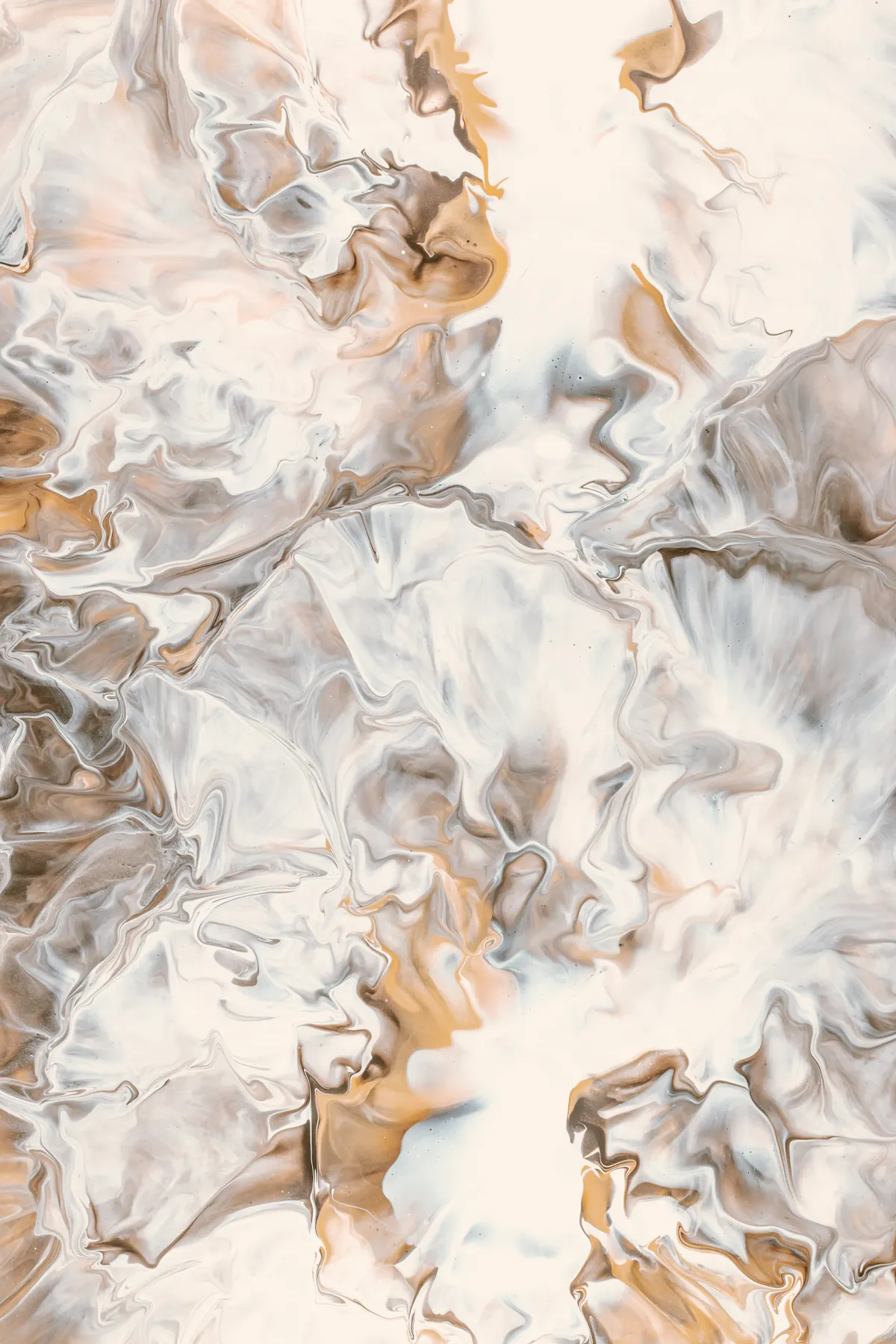
The Allure of Abstract Colorful Silver Painting in Modern Design
An abstract colorful silver painting is more than just a piece of art; it is a statement of luxury, emotion, and contemporary sophistication. Unlike traditional art, which often seeks to replicate reality, abstract work focuses on the interplay of form, color, and texture to evoke a visceral response. When silver is introduced into this mix, it adds a layer of reflective luminosity that changes depending on the light and the angle of the viewer, making the artwork feel dynamic and alive.
- The Allure of Silver in Abstract Art
- Color Theory: Balancing Metallics with Vibrant Hues
- Common Techniques for Creating Silver-Toned Art
- Choosing the Right Piece for Your Interior Space
- Maintaining and Preserving Metallic Artworks
- Frequently Asked Questions
The Allure of Silver in Abstract Art
Silver has long been associated with prestige, clarity, and the future. In the realm of contemporary art, silver serves as a bridge between the organic and the industrial. When integrated into an abstract composition, it doesn’t just occupy space—it manipulates it. The shimmering quality of metallic pigments creates an illusion of depth, drawing the eye into the canvas and inviting the viewer to explore the layers of the piece.

Integrating such a piece into your home decor can instantly elevate the perceived value of a room. Whether it is a bold, sweeping gesture of silver leaf or a subtle mist of metallic spray, the presence of silver adds a ‘glow’ that matte colors cannot achieve. Many collectors seek out modern art that utilizes silver because it resonates with the sleek lines of urban architecture and minimalist furniture.
The Psychological Impact of Metallic Tones
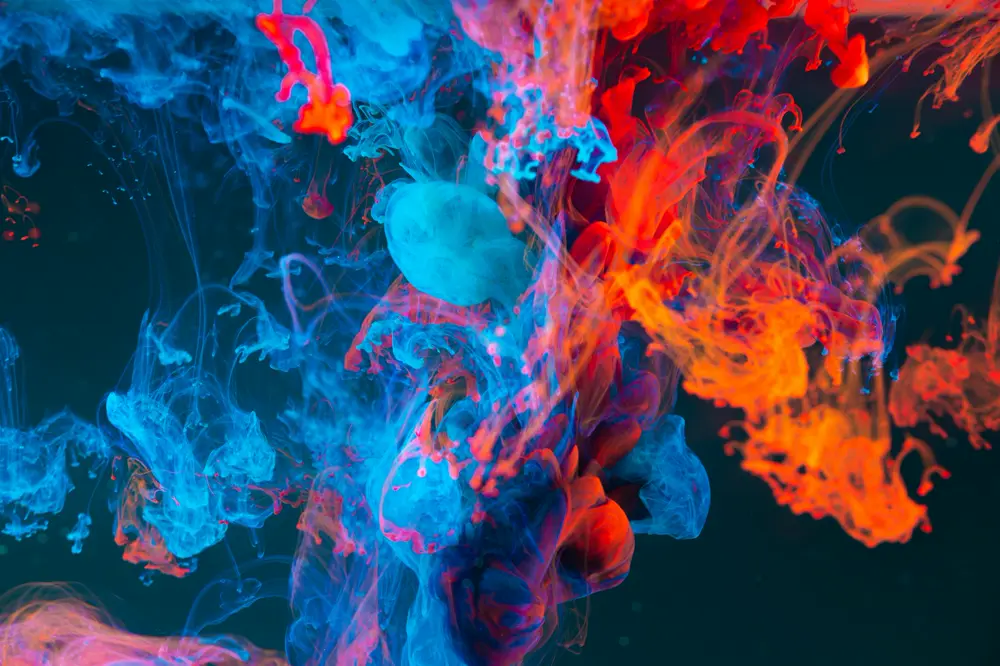
Colors evoke specific emotions, and silver is no exception. While gold is often perceived as warm and traditional, silver is seen as cool, intellectual, and cutting-edge. When paired with vibrant colors—such as deep teals, electric purples, or fiery oranges—the silver acts as a neutral stabilizer. It prevents the colors from becoming overwhelming while simultaneously enhancing their brilliance through contrast.
Color Theory: Balancing Metallics with Vibrant Hues
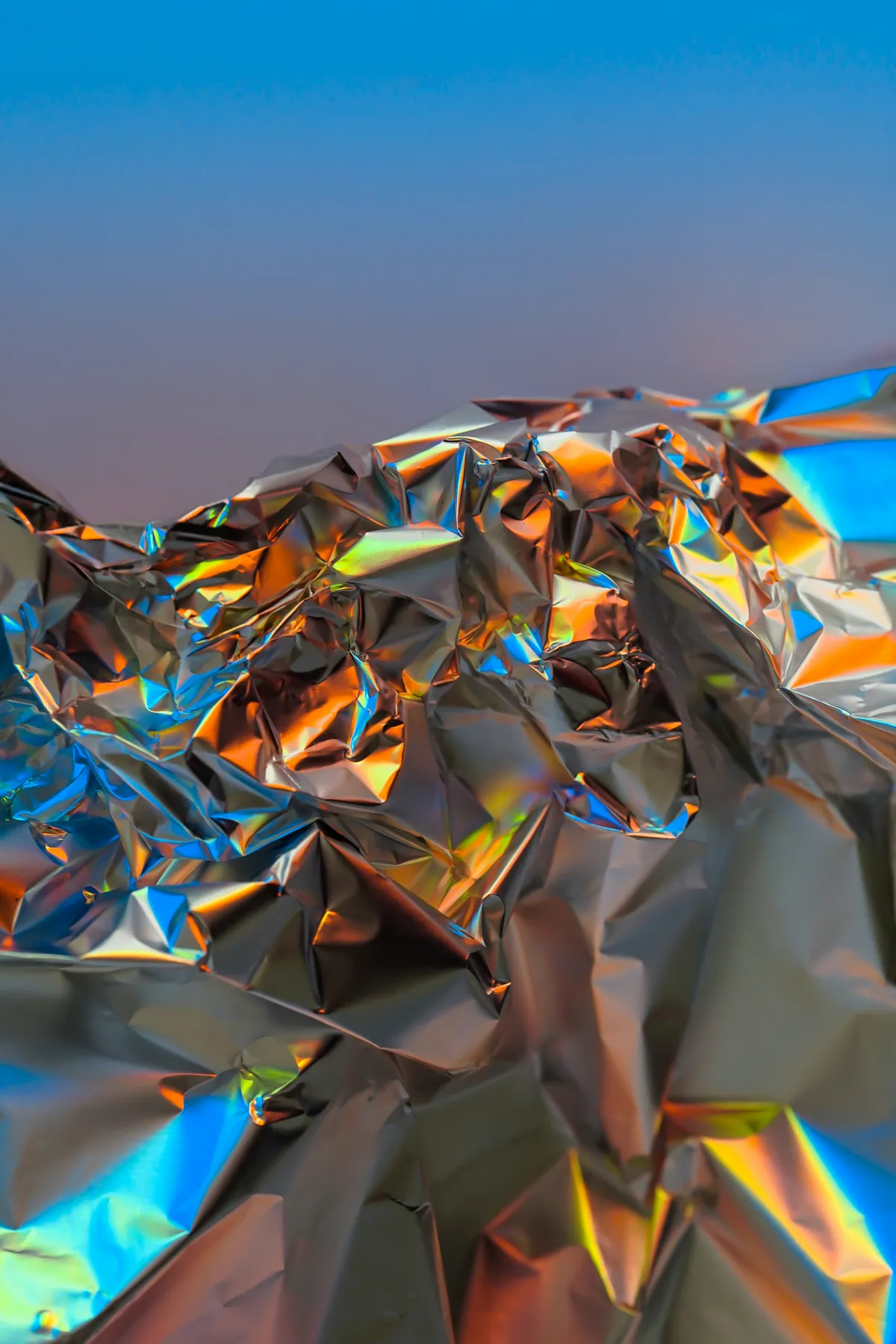
Creating or choosing an abstract colorful silver painting requires a keen understanding of color theory. Because silver is essentially a reflective neutral, it can be paired with almost any palette, but certain combinations yield more professional and aesthetically pleasing results.
Cool Palettes: The Serene Approach
Pairing silver with blues, greens, and violets creates a sense of tranquility and fluidity. This combination often mimics the appearance of water, ice, or the night sky. Iridescent finishes in these shades blend seamlessly with silver, creating a holographic effect that feels ethereal and calming. This is ideal for bedrooms or meditation spaces where a sense of peace is paramount.

Warm Palettes: The High-Contrast Approach
For those seeking energy and drama, silver paired with reds, yellows, or deep magentas creates a striking visual tension. The coolness of the silver cuts through the intensity of the warm tones, providing a sophisticated balance. This juxtaposition is frequently used in avant-garde compositions to represent conflict, passion, or urban energy, making it a perfect choice for a living room or a corporate lobby.
The Role of Neutrals
Using silver alongside charcoal, white, or beige creates a monochromatic luxury. In these pieces, the ‘color’ comes from the textural variations and the way light hits the metallic surfaces. This approach is highly favored in high-end interior design for its timelessness and versatility.

Common Techniques for Creating Silver-Toned Art
The visual impact of a silver painting depends heavily on the medium used. Different techniques produce different levels of reflectivity and texture, each contributing to the overall mood of the piece.
- Silver Leafing: This involves applying incredibly thin sheets of silver (or imitation silver) to the canvas. It produces the highest level of reflectivity and a distinct, crackled texture that adds physical depth to the work.
- Metallic Acrylics: These paints contain tiny metallic flakes. While less reflective than leafing, they allow for better blending and the creation of smooth gradients and shimmering washes.
- Mixed Media Approaches: Many artists combine silver ink, acrylics, and impasto gels. By building up thick layers of paint and then highlighting the ridges with silver, the artist creates a 3D effect that interacts with ambient light.
- Alcohol Inks: For a more fluid, organic look, silver alcohol inks are used to create shimmering veins and ethereal blooms that look like precious minerals or liquid metal.
Choosing the Right Piece for Your Interior Space
Selecting the perfect abstract colorful silver painting involves more than just liking the image; it requires considering the environment where the art will live.
Lighting Considerations
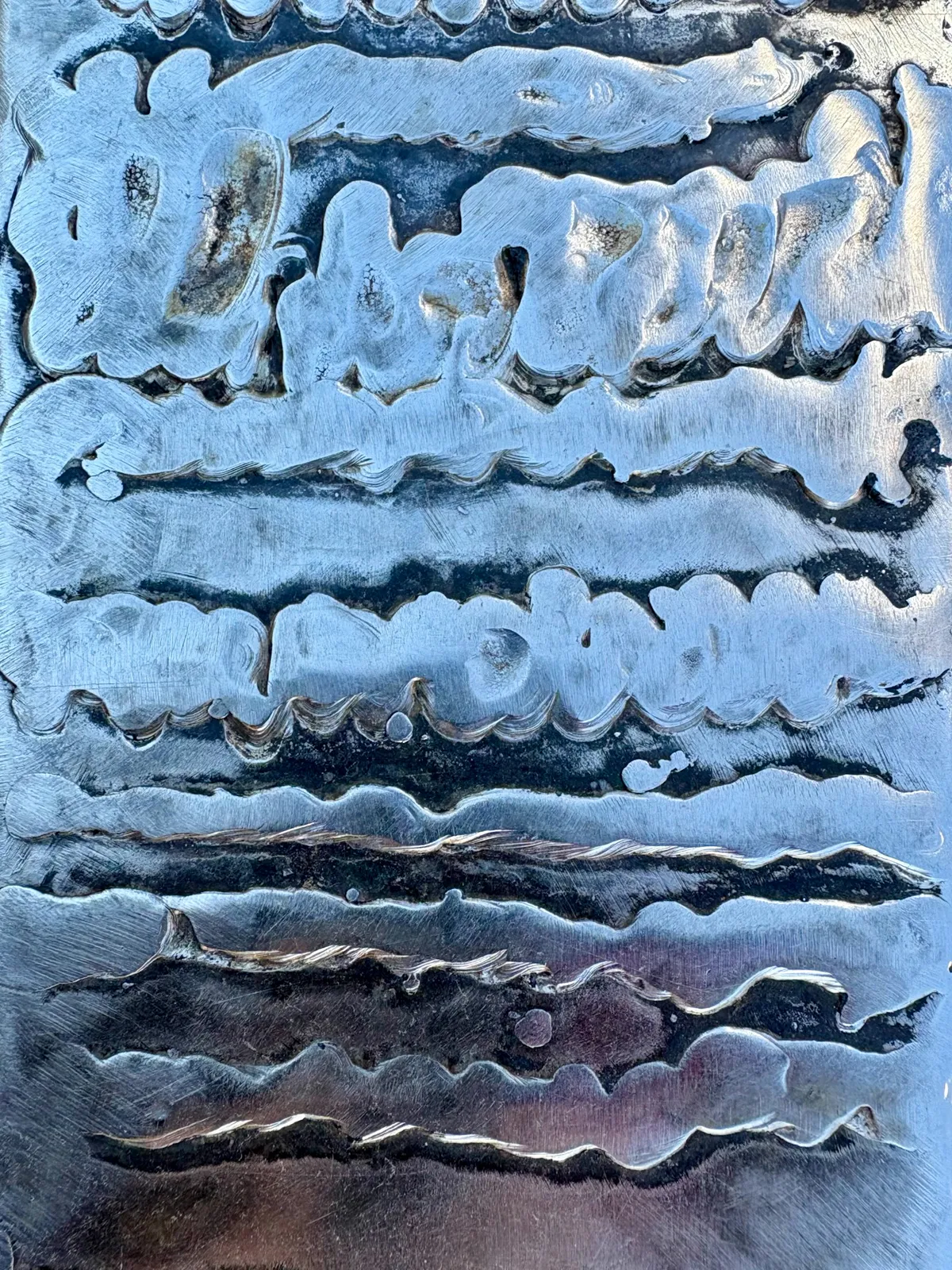
Because silver is reflective, lighting is the most critical factor. A painting placed opposite a window will catch natural sunlight, causing the silver elements to ‘dance’ throughout the day. In contrast, under artificial spotlights, the painting can become a focal point of brilliance. It is important to avoid placing highly reflective pieces directly opposite harsh light sources to prevent uncomfortable glare.
Scale and Proportion
A large-scale silver abstract can act as the ‘anchor’ for a room, reducing the need for other decorative elements. In a minimalist setting, one oversized canvas with silver accents creates a maximalist impact without cluttering the space. In smaller rooms, a series of smaller, coordinating silver pieces can create a cohesive gallery wall that adds brightness and a sense of openness.
Matching with Furniture
Silver art pairs exceptionally well with glass, chrome, and polished stone. If your furniture features metallic legs or mirrored surfaces, a silver-toned painting will tie the room together. However, it can also be used to break the monotony of a matte-heavy room, adding a necessary spark of light to velvet sofas or wooden tables.
Maintaining and Preserving Metallic Artworks
Metallic pigments, especially silver leaf and certain acrylics, can be sensitive to environmental factors. To ensure your investment lasts for decades, follow these preservation tips.
First, avoid placing the artwork in direct, prolonged sunlight. While silver loves light, UV radiation can cause the binders in the paint to degrade or the metallic leaf to tarnish over time. A UV-protective glass or a high-quality varnish is recommended.
Second, keep the painting away from high-humidity areas, such as bathrooms or kitchens. Moisture can lead to oxidation of metallic particles, which may result in dulling or spotting. For cleaning, avoid using chemical sprays. Instead, use a soft, dry microfiber cloth to gently remove dust from the surface without scratching the metallic finish.
Conclusion
An abstract colorful silver painting is a powerful tool for anyone looking to merge artistic expression with luxury interior design. By balancing the cool, reflective nature of silver with a thoughtful color palette, these artworks create a dynamic atmosphere that evolves with the light. Whether you are drawn to the serenity of cool tones or the intensity of warm contrasts, the versatility of silver ensures that it remains a timeless choice in the world of modern art.
Frequently Asked Questions
How does silver paint differ from silver leaf in abstract art?
Silver paint consists of metallic pigments suspended in a binder, offering a softer, more blendable shimmer. Silver leaf consists of actual thin metal sheets applied to the surface, resulting in a mirror-like reflectivity and a distinct physical texture.
Which wall colors best complement a colorful silver painting?
Neutral tones like slate grey, crisp white, or deep navy provide a sophisticated backdrop that allows the silver to pop. If the painting has strong accent colors (like red or blue), pulling one of those hues into a muted wall color can create a harmonious look.
How can I tell if a metallic painting is high quality?
Look for the depth of the pigments and the absence of ‘streaking’ in the metallic areas. High-quality silver art often uses professional-grade acrylics or genuine leafing that maintains its luster without oxidizing or peeling over time.
Do silver paintings require special lighting to look their best?
While not strictly required, layered lighting (a mix of ambient and accent lighting) enhances the reflective properties of silver. Directional spotlights can highlight specific textures, while natural light provides a shifting, organic glow.
Can abstract silver art work in a small room?
Yes, silver is actually beneficial for small rooms because its reflective nature helps bounce light around the space, making the room feel brighter and more open than a dark, matte painting would.
Related posts:
One collection down, another calling: Digital Abstract Clipart for Printing: A Complete Professional Guide is the closest companion to what you just viewed.
Save the pieces you love and share the collection with your circle.
