
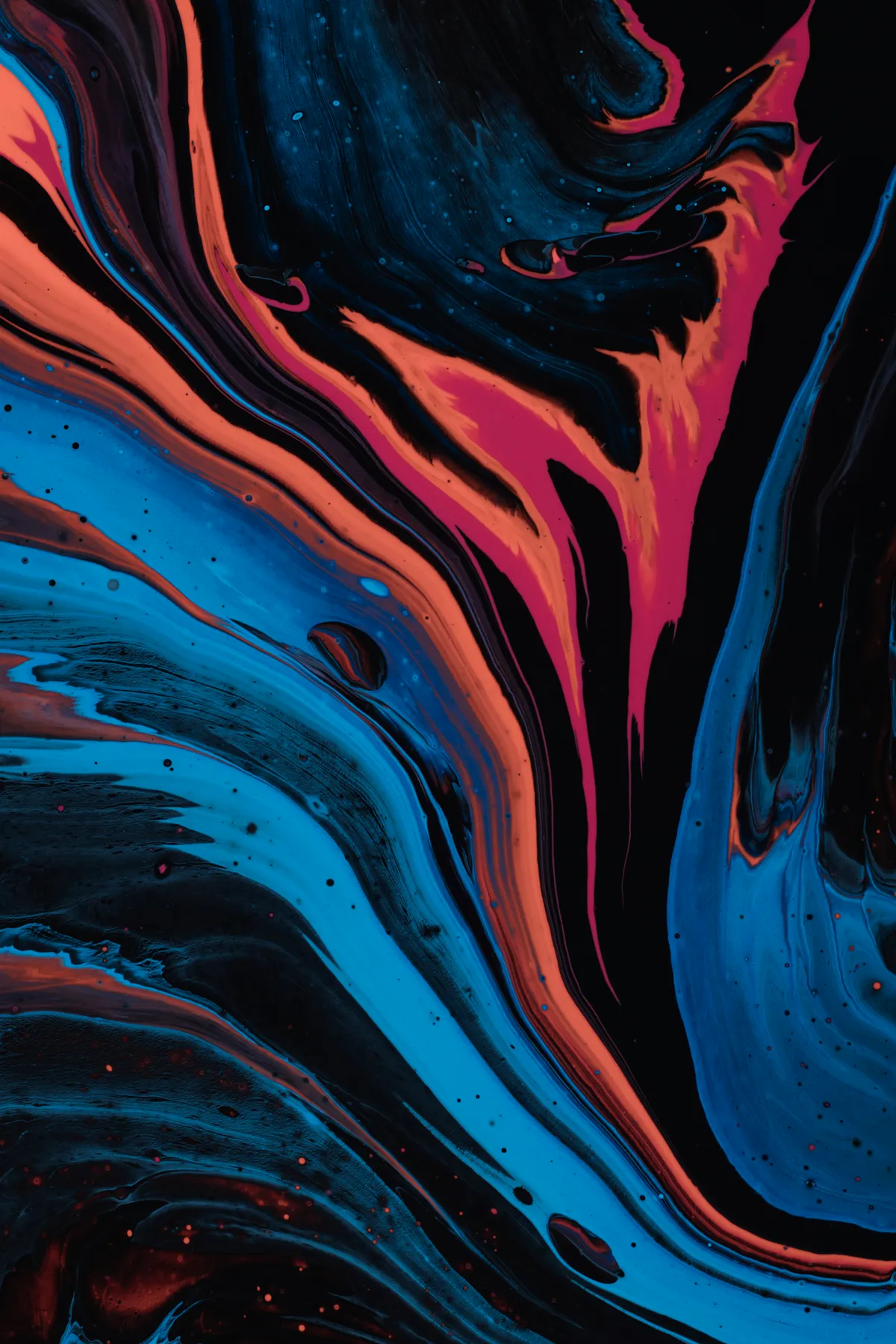
In an era dominated by literal representation and high-definition realism, abstract design creative processes offer a refreshing departure from the tangible. Abstraction is not merely the absence of a recognizable subject; it is the intentional distillation of an idea, emotion, or sensation into its purest visual form. By stripping away the constraints of the physical world, designers can communicate complex narratives and evoke visceral reactions that a photograph or a literal illustration often cannot capture. Whether it is through a bold splash of color or a precise geometric arrangement, abstract art speaks a universal language that transcends cultural and linguistic barriers.
- The Philosophy and Core Elements of Abstraction
- Applying Abstract Design to Modern Branding
- Tools and Creative Techniques for Digital Abstraction
- The Psychology of Color and Form in Creative Design
- Future Trends: AI and Generative Abstract Art
The Philosophy and Core Elements of Abstraction
At its heart, the creative process in abstract design is an exercise in reduction. Instead of asking “What does this look like?”, the designer asks “What does this feel like?” This shift in perspective allows for the exploration of non-objective art, where the focus shifts entirely to the formal elements of the composition. To master this, one must understand the fundamental building blocks of visual communication.
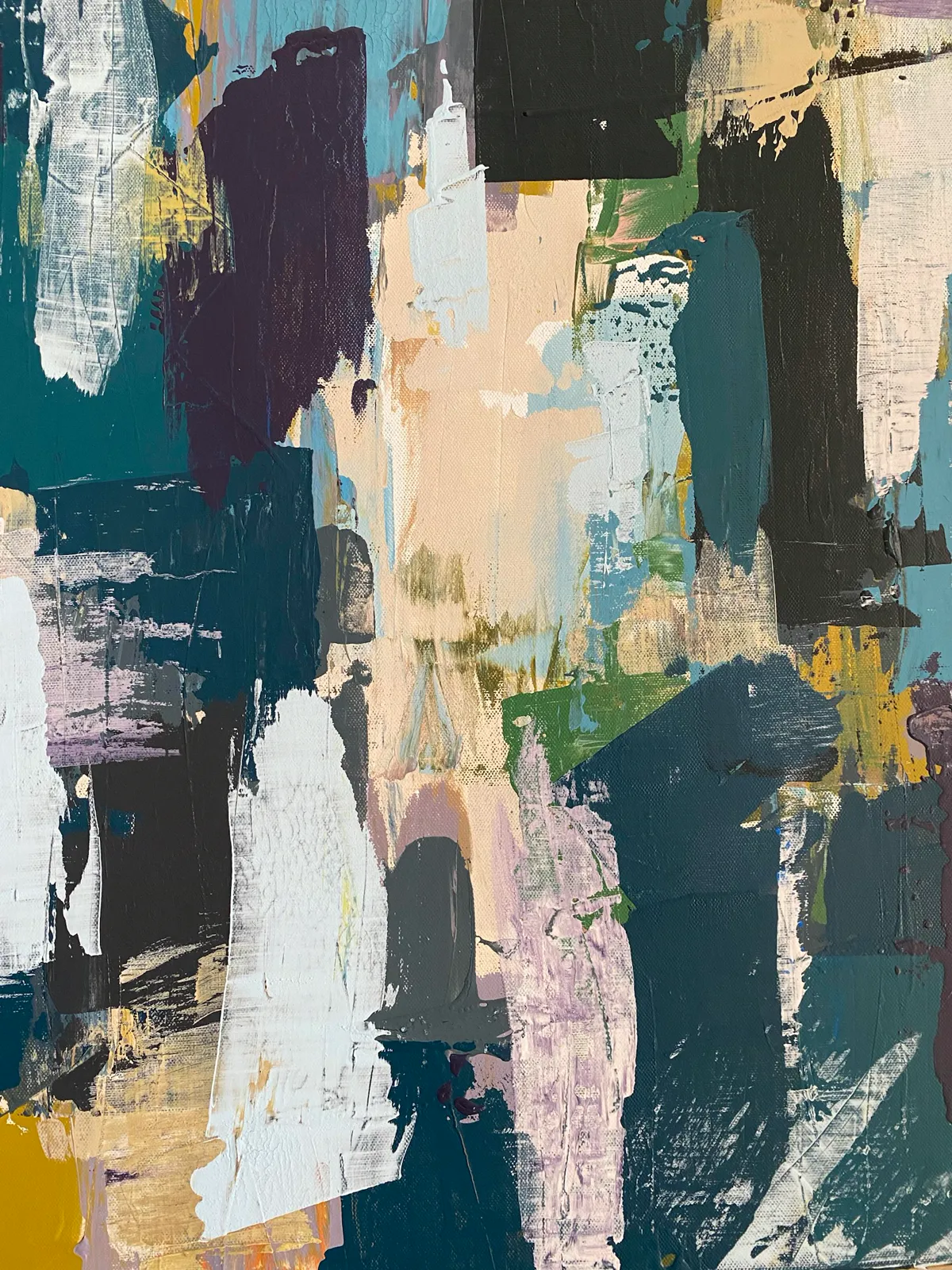
Exploring the core tenets of modern design allows artists to break free from traditional constraints and experiment with compositional balance. The most critical elements include line, shape, color, and texture. A sharp, jagged line might convey tension or anxiety, while a flowing, organic curve suggests tranquility and nature. Similarly, geometric abstraction relies on the mathematical precision of circles, squares, and triangles to create a sense of order and stability, whereas organic abstraction mirrors the unpredictable forms found in the biological world.
The interaction between these elements creates a visual hierarchy. By manipulating scale and contrast, a designer can lead the viewer’s eye across a canvas, creating a rhythmic experience. This is often achieved through the use of negative space, which is just as important as the active elements. In abstract design, the “empty” areas are not voids but active participants that provide breathing room and emphasize the primary focal points.
Applying Abstract Design to Modern Branding
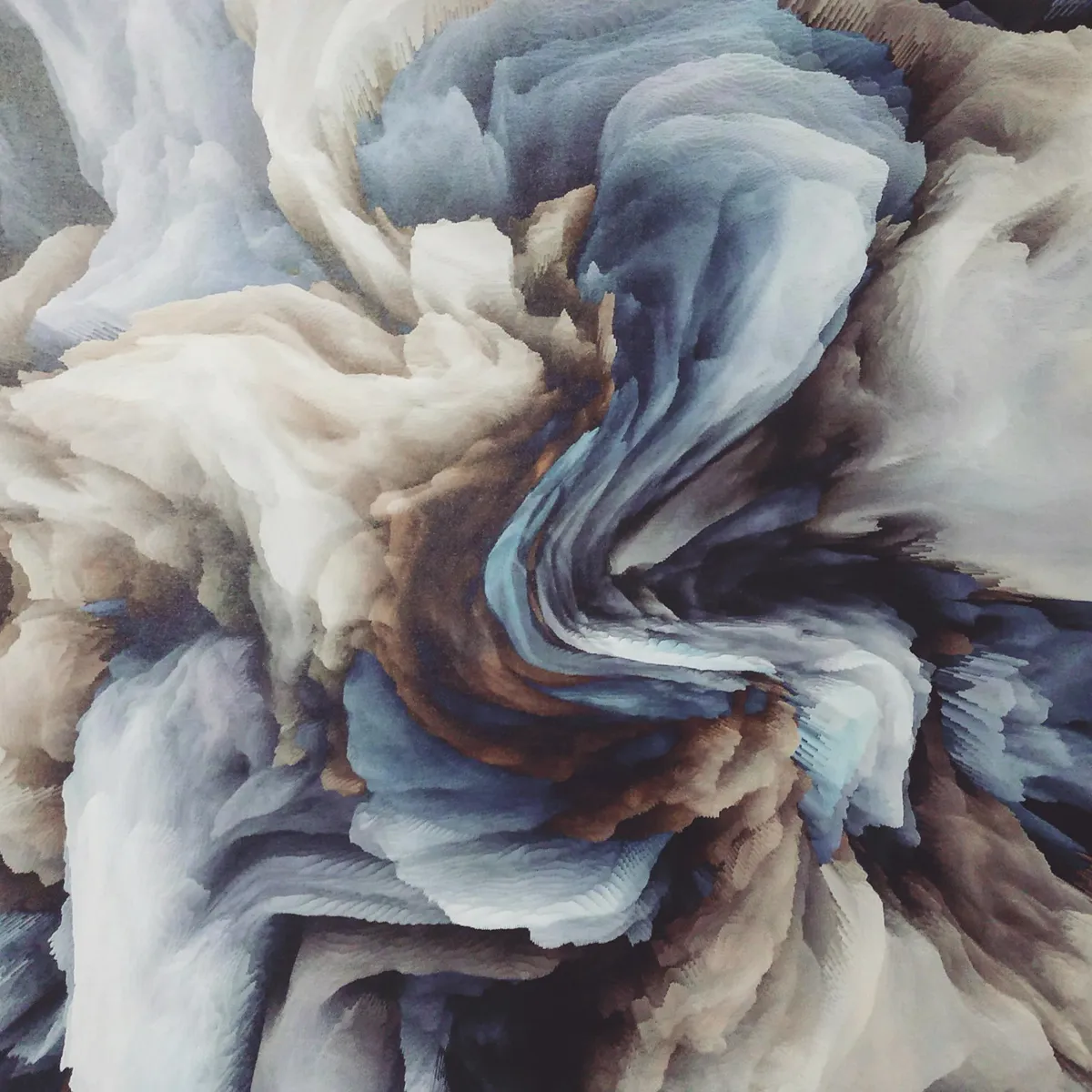
For businesses, integrating abstract design creative strategies into their visual identity is a powerful way to project sophistication and versatility. Unlike literal logos—which might show a house for a real estate company or a tooth for a dentist—abstract logos function as visual metaphors. They represent the essence of a brand rather than its literal service.
Consider the world’s most successful corporations. Many utilize minimalist abstraction to create symbols that are timeless and scalable. A well-executed abstract mark allows a brand to evolve without needing a complete redesign every few years because it is not tied to a specific trend or piece of technology. This approach leverages symbolism to create an emotional connection with the consumer. For instance, a swoosh or a stylized sphere can communicate speed, global reach, or unity without needing a single word of text.
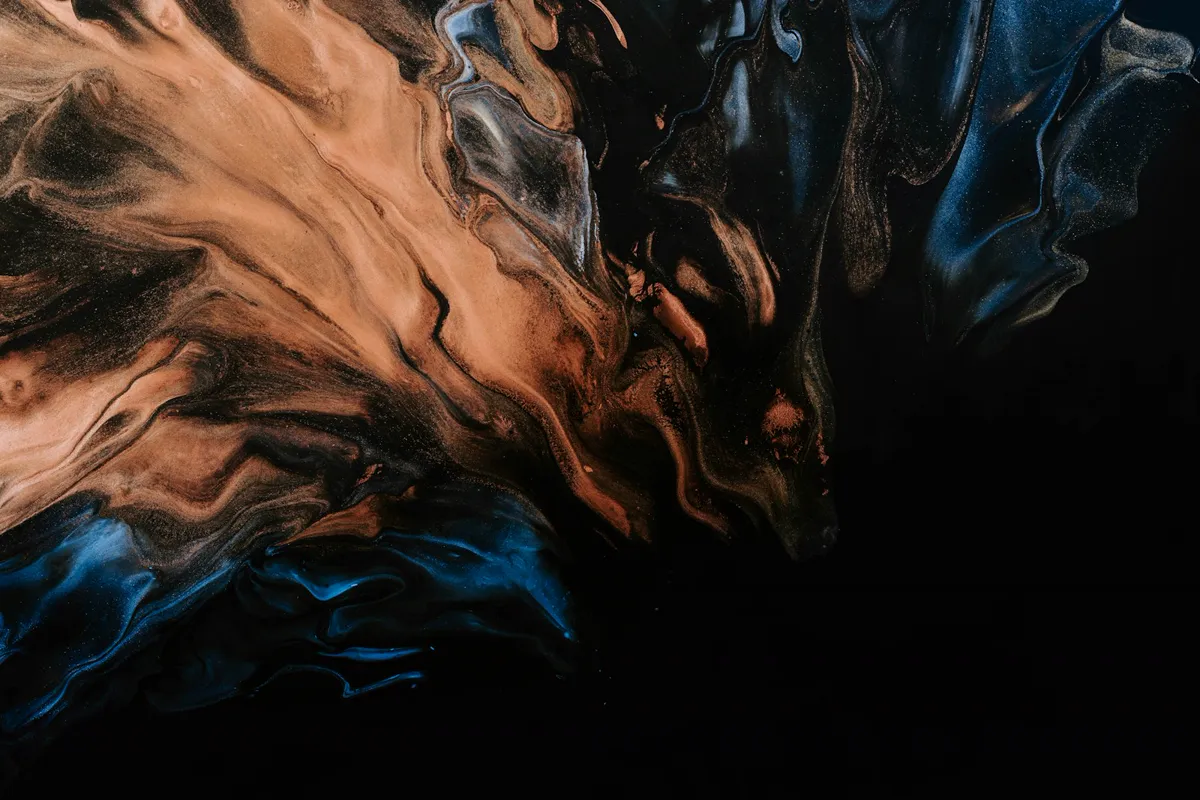
Furthermore, abstract patterns are frequently used in brand guidelines to create a cohesive visual language across different touchpoints. From website backgrounds to packaging, these patterns add depth and texture, preventing the brand from feeling sterile while maintaining a professional aesthetic. The goal is to create a brand archetype that feels intuitive and evocative, grounding the company’s identity in feeling rather than just function.
Tools and Creative Techniques for Digital Abstraction
The transition from physical canvas to digital screen has expanded the toolkit for those pursuing abstract design creative work. Modern software allows for a level of precision and experimentation that was previously impossible. Vector graphics, powered by tools like Adobe Illustrator or Figma, are essential for creating clean, scalable geometric abstractions that maintain their integrity at any size.
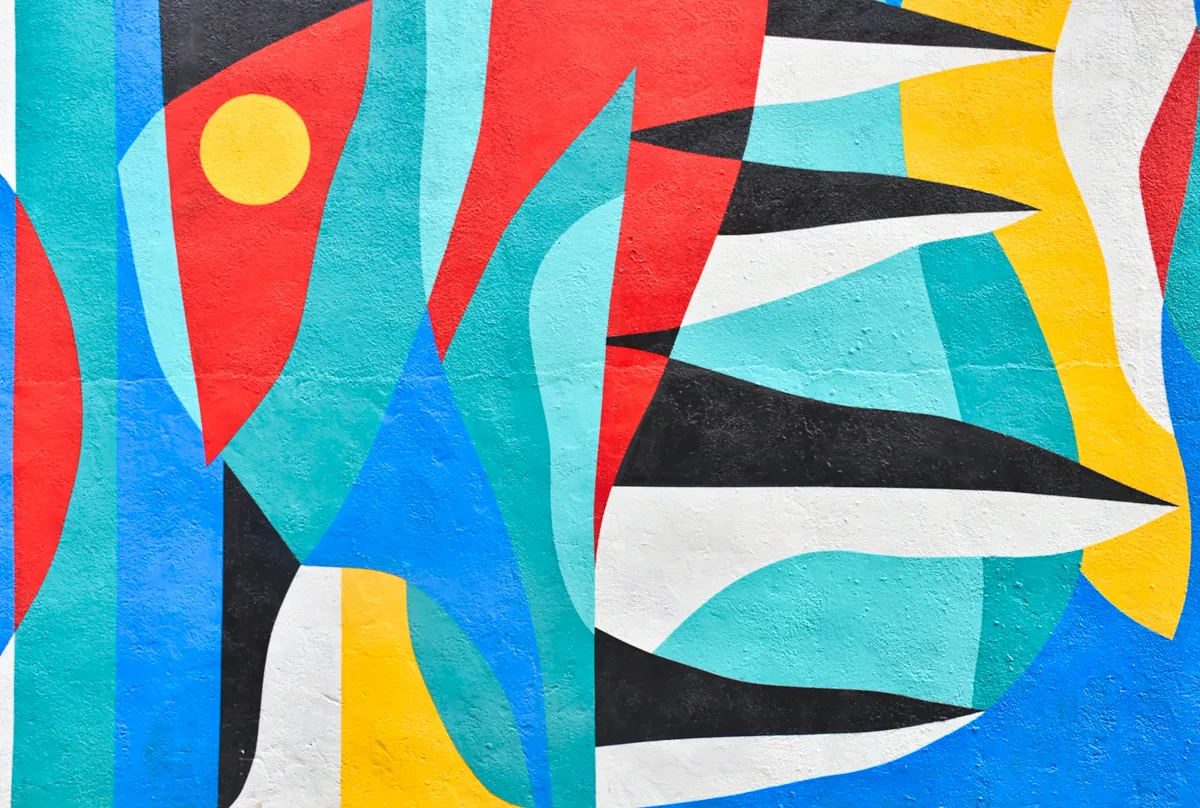
Beyond standard vector work, many designers are turning to generative design. This involves using algorithms and code to create complex patterns that evolve based on specific parameters. By setting rules—such as “move this line 5 pixels every time a color changes”—artists can produce intricate, undulating forms that feel both mathematical and organic. This intersection of art and mathematics is where algorithmic art thrives, offering a way to explore infinite variations of a single concept.
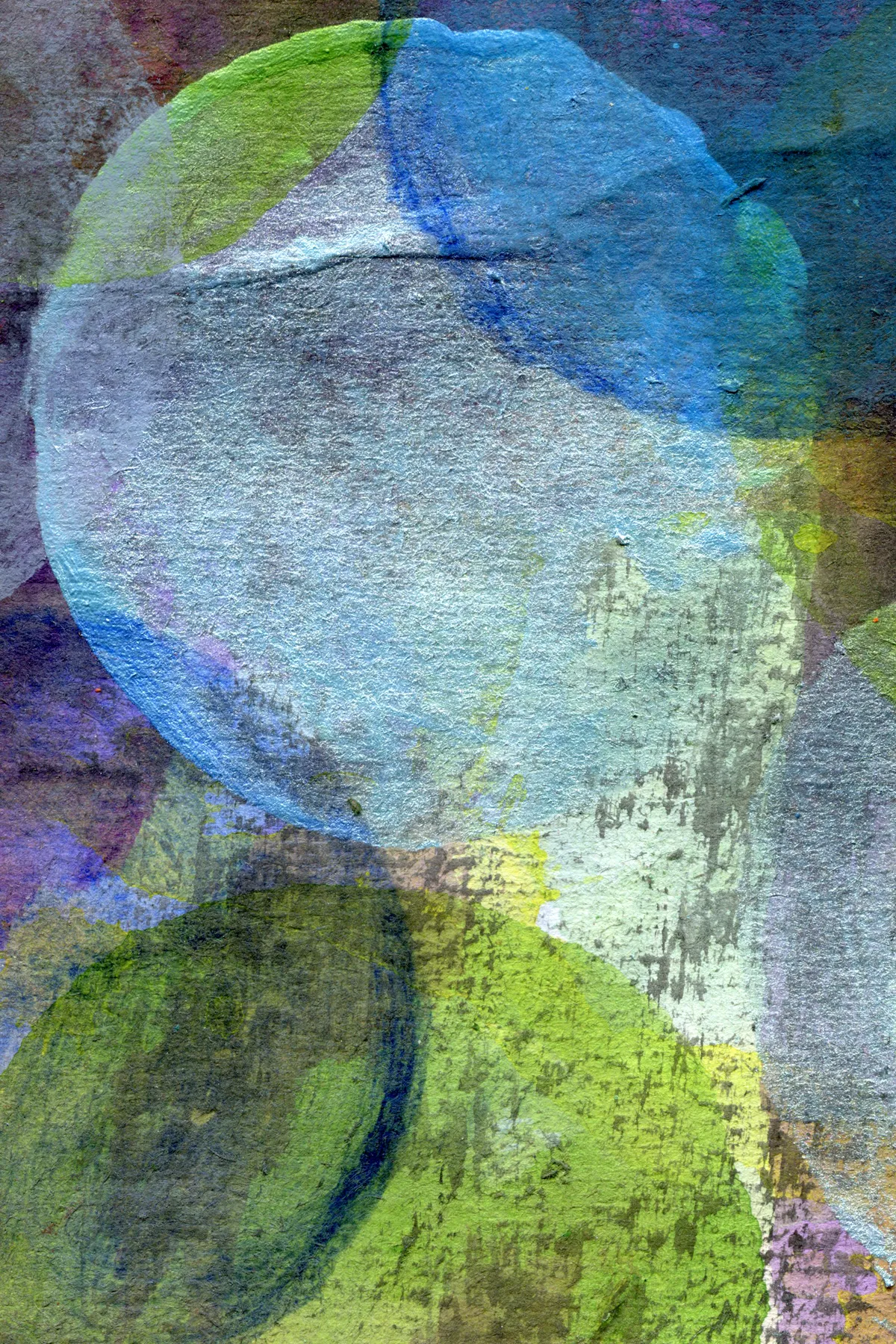
Moreover, the use of digital layering and blending modes allows for the creation of atmospheric depth. By overlapping translucent shapes and experimenting with gradients, designers can simulate light and shadow in a non-representational way, creating a sense of three-dimensional space on a flat surface. This technique is particularly effective in creating “glassmorphism” or “neumorphism” effects in modern UI/UX design, where abstraction meets usability.
The Psychology of Color and Form in Creative Design
Abstraction is a direct line to the human subconscious. Because the mind cannot immediately categorize an abstract image as a specific object, it relies on color psychology and gestalt principles to interpret the meaning. The choice of palette is perhaps the most influential decision in any abstract piece.
Warm colors like red and orange evoke energy, passion, or danger, while cool tones like blue and green promote calm, trust, and professional stability. In abstract design creative work, the use of complementary colors can create a sense of vibration and dynamism, whereas analogous colors create harmony and serenity. The saturation and value of these colors further refine the mood; high-contrast palettes feel aggressive and modern, while muted, desaturated tones feel nostalgic or sophisticated.
The human brain also tends to seek patterns in randomness, a phenomenon known as pareidolia. Skilled designers lean into this tendency, creating shapes that almost resemble something familiar but remain ambiguous. This keeps the viewer engaged, as the mind actively works to “solve” the image, leading to a more profound and personal interaction with the artwork. By balancing symmetry and asymmetry, the designer can control the viewer’s psychological state, shifting from a feeling of security to one of curiosity or unrest.
Future Trends: AI and Generative Abstract Art
The landscape of abstract design creative is currently undergoing a seismic shift due to the advent of Artificial Intelligence. AI models are not replacing the designer but are instead becoming a sophisticated collaborator. Tools that utilize neural networks can analyze thousands of art styles and synthesize new, hybrid forms of abstraction that a human mind might not intuitively conceive.
The future lies in co-creation, where the human designer acts as a curator and director, guiding the AI through iterative prompts to reach a specific emotional destination. We are seeing a rise in dynamic abstraction—art that changes in real-time based on user interaction, music, or environmental data. Imagine a brand logo that subtly shifts its abstract form based on the time of day or the mood of the social media conversation surrounding it.
As we move forward, the value of human conceptual thinking will only increase. While AI can generate a visually stunning abstract pattern, the intentionality behind the design—the “why” behind the curve and the “purpose” behind the color—remains a uniquely human trait. The most successful creators will be those who can blend technical AI proficiency with deep emotional intelligence.
Conclusion
Mastering abstract design creative is a journey of unlearning the need for literalism. It requires a brave embrace of ambiguity and a deep understanding of the visual elements that trigger human emotion. From the precision of geometric branding to the fluid chaos of generative art, abstraction allows us to communicate the incommunicable. By focusing on the core essence of a message rather than its outward appearance, designers can create work that is not only visually striking but emotionally resonant and timeless. As technology continues to evolve, the bridge between human intuition and digital execution will continue to expand, opening new frontiers for visual exploration.
Frequently Asked Questions
What is the primary difference between abstract and conceptual design?
Abstract design focuses on the formal elements of art—color, shape, and line—to evoke emotion or beauty without needing a literal subject. Conceptual design, however, prioritizes the idea or “concept” above the aesthetic. While an abstract piece might be appreciated for its visual harmony, a conceptual piece is designed to make a specific intellectual point or critique.
How can a beginner start practicing abstract design without formal training?
Start by experimenting with automatic drawing, where you let your hand move without a conscious plan to discover organic shapes. Focus on limiting your palette to two or three colors to learn how contrast and balance work. Study the works of pioneers like Wassily Kandinsky or Piet Mondrian to see how they simplified the world into basic forms.
Why is abstract design often more effective for corporate branding than literal imagery?
Abstract marks are more versatile and scalable. They avoid the pitfalls of becoming dated as products change and allow the brand to occupy a broader emotional space. A literal image of a product can limit a company’s perceived capabilities, whereas an abstract symbol represents a brand philosophy, which is more enduring.
What role does negative space play in abstract compositions?
Negative space acts as the “silence” in a visual composition. It prevents the design from becoming overwhelming and helps define the edges of the active shapes. In abstract design, negative space is used strategically to create visual tension or to lead the viewer’s eye toward the most important part of the piece.
How is AI changing the way abstract art is created and perceived?
AI is accelerating the iterative process, allowing designers to explore hundreds of variations of a concept in seconds. This shifts the designer’s role from “creator of the mark” to “curator of the output.” Perceptually, it is pushing the boundaries of what we consider “creative,” forcing us to value the original intent and conceptual framework over the mere technical execution of the image.
Related posts:
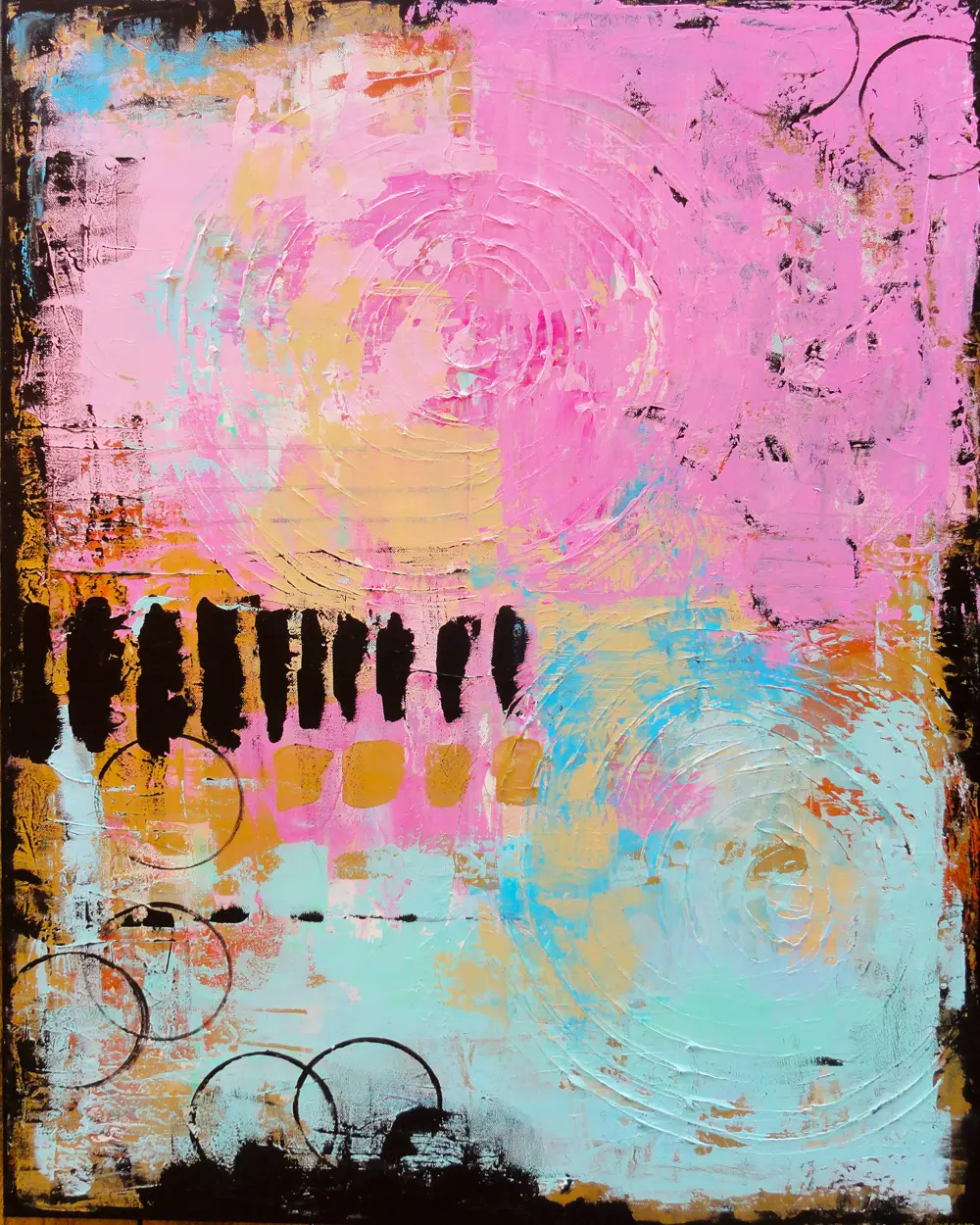
One collection down, another calling: Orange Abstract Graphics Ideas: Elevate Your Visual Design is the closest companion to what you just viewed.
Save the pieces you love and share the collection with your circle.
