
The allure of an abstract fluid black canvas lies in its inherent tension between the void and the vibrant. Unlike a traditional white background, a black canvas consumes light, allowing colors to emerge with an intensity and luminosity that feels almost otherworldly. For artists and interior designers, this approach to liquid art creates a sophisticated, moody atmosphere that bridges the gap between contemporary minimalism and raw emotional expression. Whether you are a seasoned professional or a curious beginner, mastering the interaction between fluid pigments and a dark substrate requires a deep understanding of viscosity, color theory, and chemical reactions.
- The Psychological Impact of Dark Fluid Art
- Essential Tools for High-Contrast Pouring
- Advanced Techniques for Creating Movement
- Selecting the Right Color Palette for Black Backgrounds
- Preservation and Finishing Touches
- Integrating Dark Abstract Art into Modern Interiors
The Psychological Impact of Dark Fluid Art
Choosing a black foundation fundamentally alters the viewer’s perception. In the world of semantic art, black is not merely the absence of color but a powerful tool used to create depth and mystery. When fluid paints glide across a dark surface, they produce a chiaroscuro effect, where the highlights appear to glow from within. This contrast often evokes feelings of cosmic exploration, deep-sea mysteries, or the complex layers of the subconscious mind.
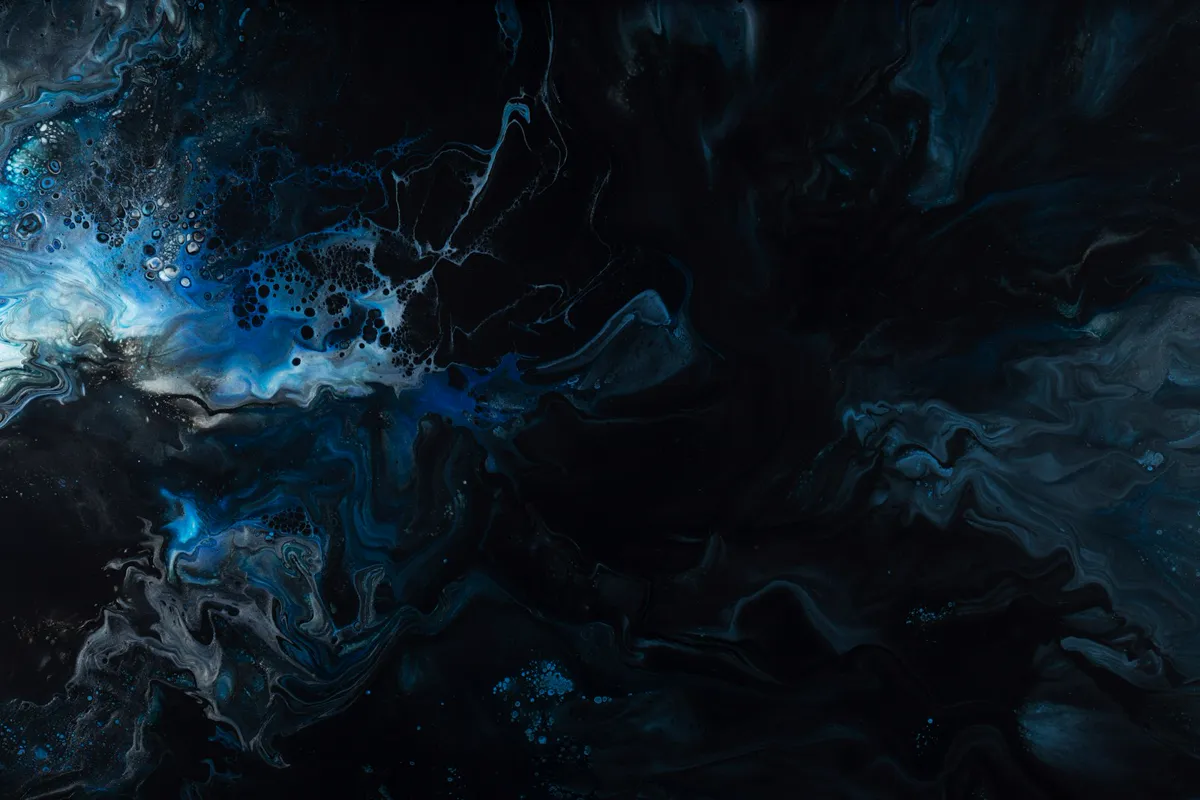
For many, the abstract fluid black canvas represents a sanctuary of focus. By removing the distractions of a bright background, the eye is forced to follow the organic flow of the paint, noticing the subtle gradients and the intricate cellular structures that form during the drying process. This creates a meditative experience for both the creator and the observer, making it a popular choice for spaces intended for reflection, such as bedrooms or private galleries. Using high-quality acrylics allows the artist to manipulate these emotions through the precise control of pigment density and flow.
Essential Tools for High-Contrast Pouring
To achieve a professional result on a dark canvas, you cannot rely on standard painting methods. You need a specific toolkit designed for fluid dynamics. The goal is to ensure that the paint maintains its vibrancy without being absorbed or muted by the black primer.
The Importance of the Base Coat
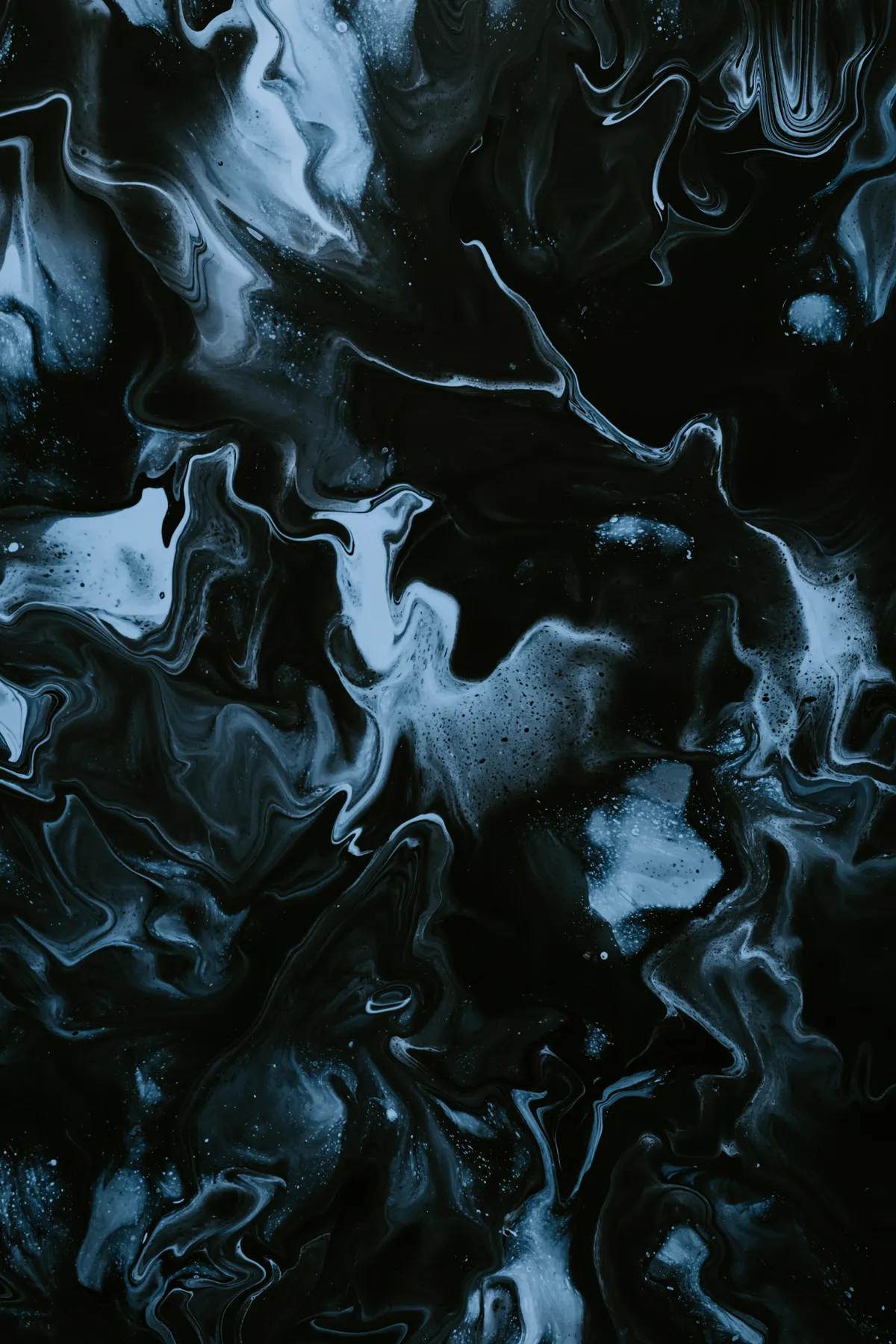
While you can buy pre-primed black canvases, applying your own gesso allows for better control over the texture. A matte black gesso provides a non-reflective surface that enhances the saturation of the colors on top. If you prefer a glossier look, a satin finish can add a subtle dimension to the final piece.
Pouring Mediums and Additives
The secret to those mesmerizing bubbles and veins is the pouring medium. This additive increases the flow and adhesion of the paint while preventing it from cracking as it dries. To create cells—those organic, circular patterns—artists often introduce a small amount of silicone oil or a specialized cell-activator. These additives break the surface tension of the paint, causing the under-layers (including the black background) to push through the top layers in a fascinating chemical dance. Many designers find that pairing these techniques with a modern design philosophy leads to the most impactful visual results.
Pigment Selection
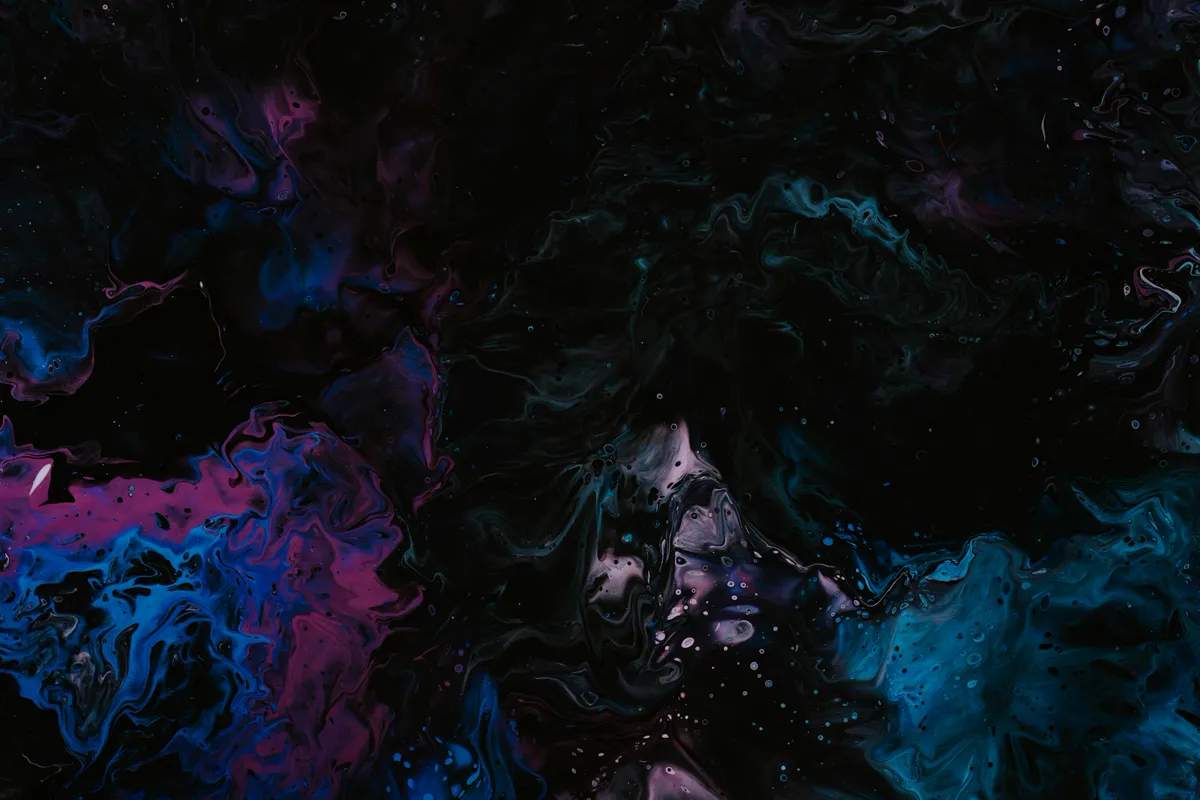
Not all paints are created equal when working on black. Standard student-grade paints may appear transparent or muddy. To achieve a ‘pop’ effect, look for heavy-body acrylics or pigments with high opacity. Metallic paints (gold, silver, copper) and interference colors are particularly effective on black canvases, as they reflect light in ways that matte colors cannot.
Advanced Techniques for Creating Movement
The ‘fluid’ part of fluid art comes from the movement. On a black canvas, every stroke and pour is magnified. To avoid a chaotic look, it is essential to employ specific techniques that guide the eye.
The Dirty Pour
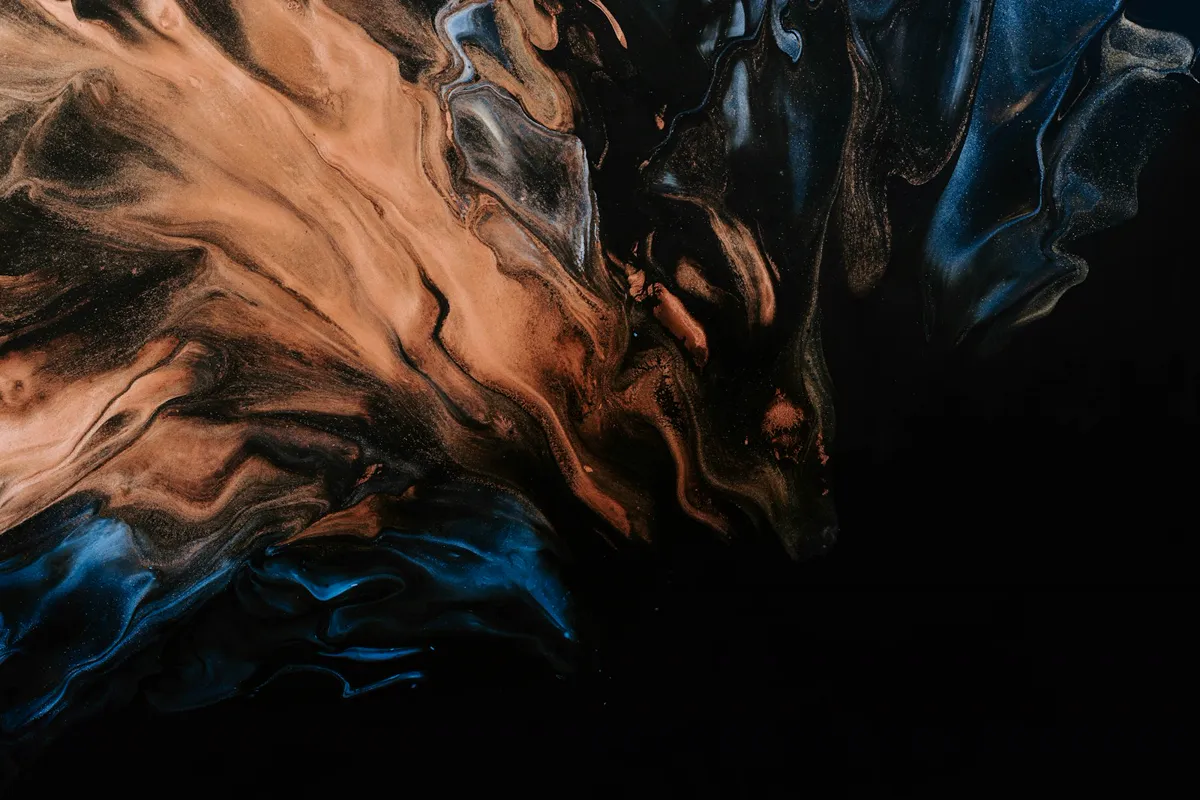
In a dirty pour, multiple colors are layered into a single cup without being mixed. When poured onto the black canvas, the colors emerge in ribbons. This technique is excellent for creating a sense of geological strata or celestial nebulas. The black background acts as the ‘shadow’ between these ribbons, adding an immediate sense of 3D depth.
The Swipe Technique
The swipe technique involves pouring a thin layer of a contrasting color (often a metallic or a bright white) over the other colors and then quickly sweeping it across the canvas with a palette knife or a damp paper towel. On a black canvas, this creates stunning ‘cells’ and ‘lacing’ that look like organic membranes or cosmic webs. This method is highly prized for its ability to create a sophisticated, professional finish.
The Dutch Pour
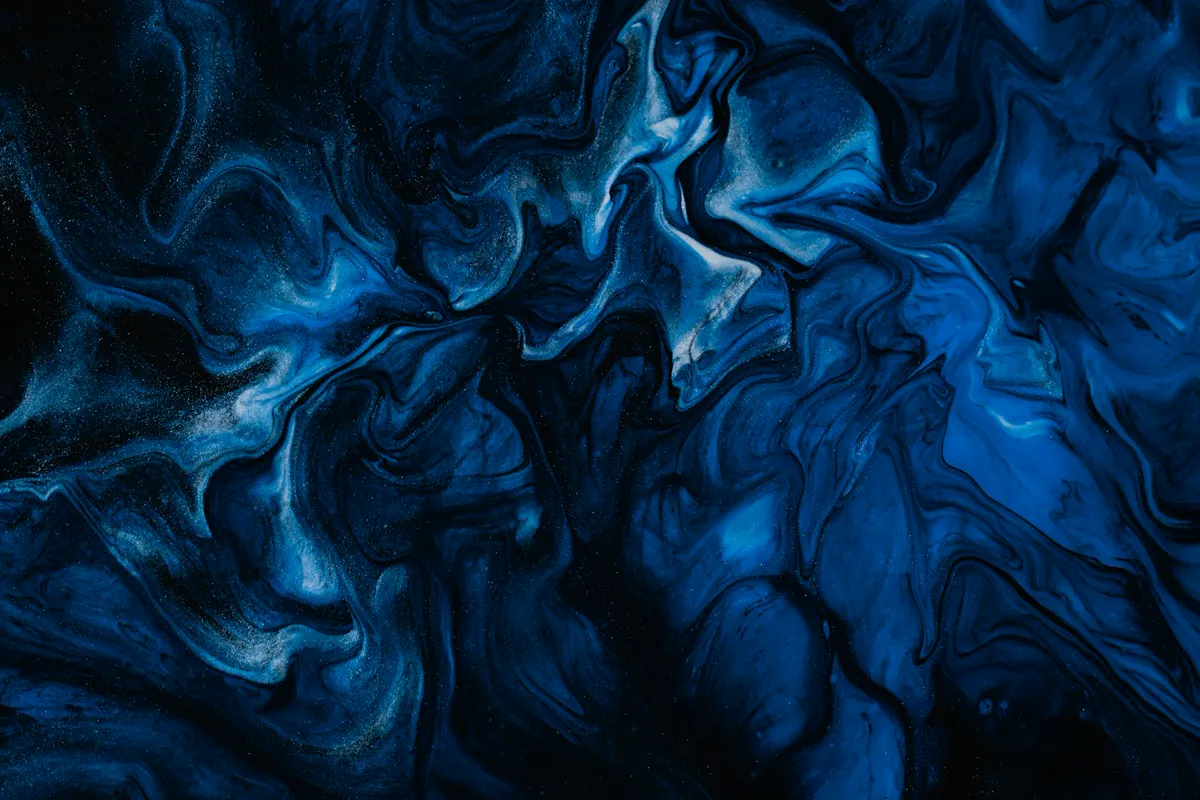
Utilizing a hairdryer or a heat gun, the Dutch pour pushes thin layers of paint across the surface. This technique creates ethereal, wispy clouds. When executed on a black background, it mimics the appearance of deep space, making it a favorite for those creating astronomical abstractions.
Selecting the Right Color Palette for Black Backgrounds
Color theory changes when the canvas is black. The background acts as a permanent shadow, which means you must account for value contrast.
- High-Contrast Neon: Electric blue, magenta, and lime green create a cyberpunk aesthetic that feels energetic and futuristic.
- Luxurious Metallics: Combining gold, champagne, and deep emerald on black evokes a sense of opulence and timelessness.
- Monochromatic Sophistication: Using various shades of grey, white, and silver creates a stark, architectural look that fits perfectly in minimalist environments.
- The Complementary Approach: Pairing a bright orange with a deep navy blue against the black void creates a vibration that draws the viewer in.
A common mistake is using too many colors. To maintain the elegance of an abstract fluid black canvas, limit your palette to 3-4 coordinating colors. This ensures that the black space remains a powerful element of the composition rather than just a filler.
Preservation and Finishing Touches
Fluid art is thick, and because it is applied in layers, it can take a significant amount of time to cure. On a dark canvas, fingerprints, dust, and scratches are highly visible, making the finishing stage critical.
Drying and Curing
Patience is key. While the surface may feel dry to the touch in 24 hours, the internal layers of a fluid pour can take weeks to fully cure. Moving the canvas too early can lead to ‘sagging’ or unplanned shifts in the composition.
Varnishing for Depth
A high-gloss UV-resistant varnish is the gold standard for dark fluid art. The gloss not only protects the painting from dust and UV rays but also ‘deepens’ the blacks and makes the colors appear more saturated. It creates a glass-like finish that enhances the fluid nature of the piece. For a more contemporary, subtle look, a satin varnish can be used to reduce glare.
The Resin Option
For those seeking a museum-quality finish, epoxy resin is the ultimate choice. A clear coat of resin adds a significant physical dimension to the piece, creating a lens effect that makes the cells and swirls look as though they are suspended in water.
Integrating Dark Abstract Art into Modern Interiors
An abstract fluid black canvas is a statement piece. Because of its intensity, it requires careful placement to avoid overwhelming a room.
In a living room, these pieces work best on a neutral-colored wall—think light grey, cream, or soft white. This allows the painting to act as a focal point without making the room feel smaller. In an office or study, a dark fluid piece can stimulate creativity and focus by providing a complex visual puzzle for the mind to explore during breaks.
Lighting is the final, most important factor. Since black absorbs light, using directional spotlighting or adjustable gallery lights can highlight the metallic elements and the texture of the cells. Avoid harsh overhead fluorescent lighting, which can create an unflattering glare on the varnish or resin.
Conclusion
The creation of an abstract fluid black canvas is a journey of controlled chaos. By leveraging the dramatic contrast of a dark background and the unpredictable nature of fluid dynamics, artists can create works that are both emotionally resonant and visually stunning. From the selection of high-opacity pigments to the final application of a glossy varnish, every step is an opportunity to refine the balance between light and shadow. Ultimately, this style of art reminds us that beauty often emerges from the darkness, turning a simple black canvas into a window toward an infinite, fluid universe.
Frequently Asked Questions
Why do my colors look dull on a black canvas?
This usually happens because the paint is too transparent. Standard acrylics often have a low pigment load. To fix this, use ‘heavy-body’ acrylics or add a white base layer to the specific areas where you want the color to pop before pouring your final colors.
How do I prevent the black background from mixing with my colors?
Ensure your black gesso or base coat is completely dry and sealed. If you are using a ‘wet-on-wet’ technique, avoid over-mixing the colors in the cup. The black canvas is the foundation, not a pour color, so it should remain stationary while the fluid paints move across it.
Can I use watercolor or gouache for fluid art on black canvas?
No, these mediums are too thin and lack the viscosity required for fluid pouring techniques. They would soak into the canvas or run off entirely. Stick to acrylics or resin-based paints for the best results.
What is the best way to create ‘cells’ on a dark surface?
The most effective method is adding a few drops of silicone oil to your paint. When you pour the paint and then ‘swipe’ or use a heat gun, the silicone pushes the top layer of paint aside, allowing the underlying colors (and the black canvas) to peak through in circular patterns.
How long should I wait before varnishing my fluid painting?
Wait at least 72 hours for basic varnish, but for a thick pour, 7 to 14 days is recommended. If you apply varnish too early, you may trap moisture inside the paint layers, which can lead to clouding or peeling over time.
Related posts:
Before you choose, take in Splatter Abstract Background: Mastering Dynamic Visual Depth as well. The contrast might surprise you.
Bookmark this set for the next time your screen needs a new mood.
