
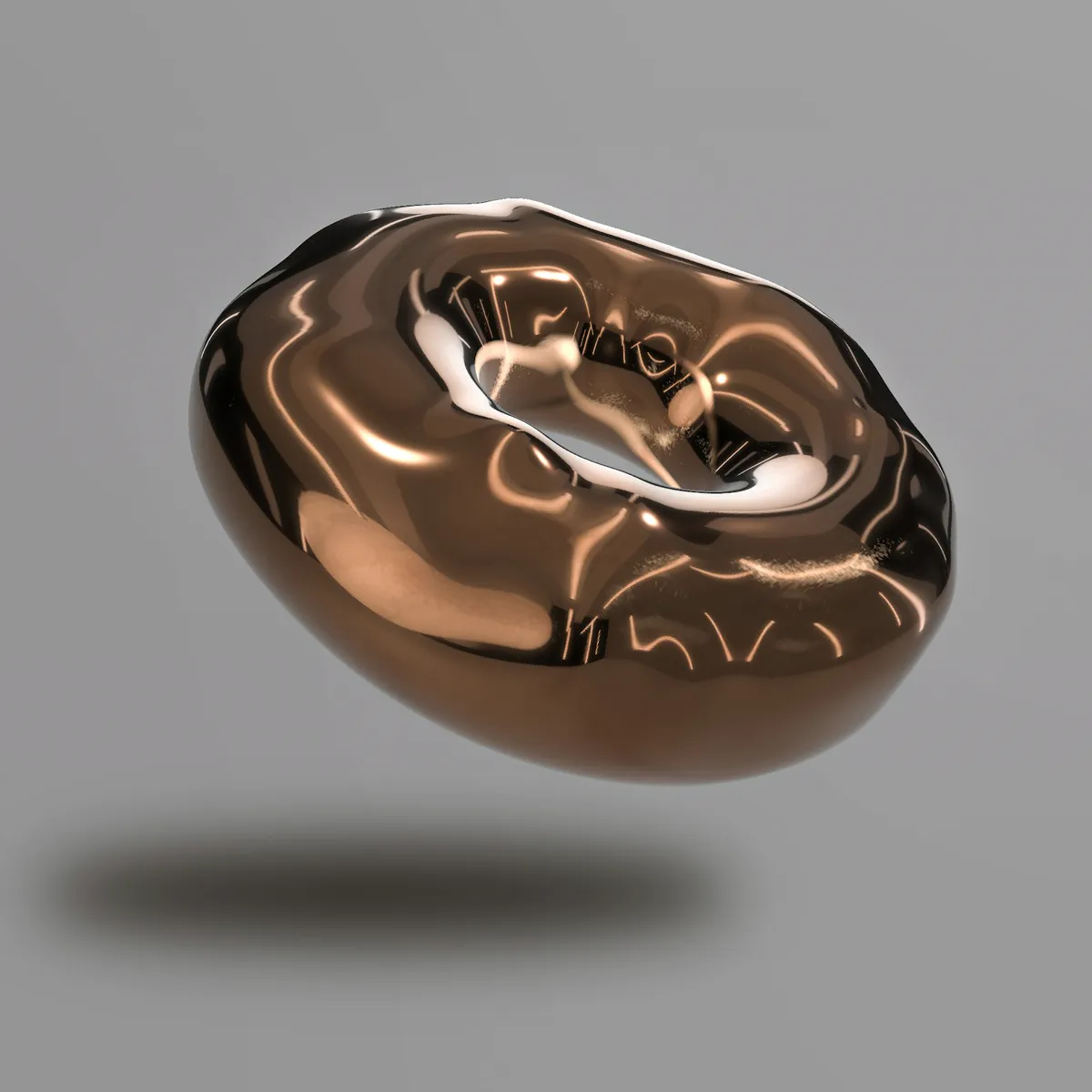
There is a profound tension in the concept of abstract fluid bronze art—the idea of taking a heavy, industrial metal and coaxing it into forms that mimic the effortless flow of water, smoke, or molten lava. For centuries, bronze was the medium of monuments and rigid figures, but contemporary artists have pivoted toward organic abstraction, utilizing the material’s unique properties to capture kinetic energy in a static state. This intersection of weight and weightlessness creates a visceral experience for the viewer, blending the permanence of metal with the ephemeral nature of liquid movement.
- What Defines Fluid Bronze Abstraction
- The Technical Mastery Behind the Flow
- The Role of Patina in Emotional Depth
- Integrating Metallic Sculpture into Modern Spaces
- Maintaining the Luster of Bronze Art
- Frequently Asked Questions
What Defines Fluid Bronze Abstraction
At its core, fluid bronze art is about the rejection of the grid. Unlike traditional sculpture that might emphasize geometric precision or literal representation, biomorphic abstraction focuses on curves, swirls, and undulating surfaces. These pieces often evoke a sense of liquid dynamics, where the metal appears to be in the middle of a transformation, caught in a singular moment of transition.
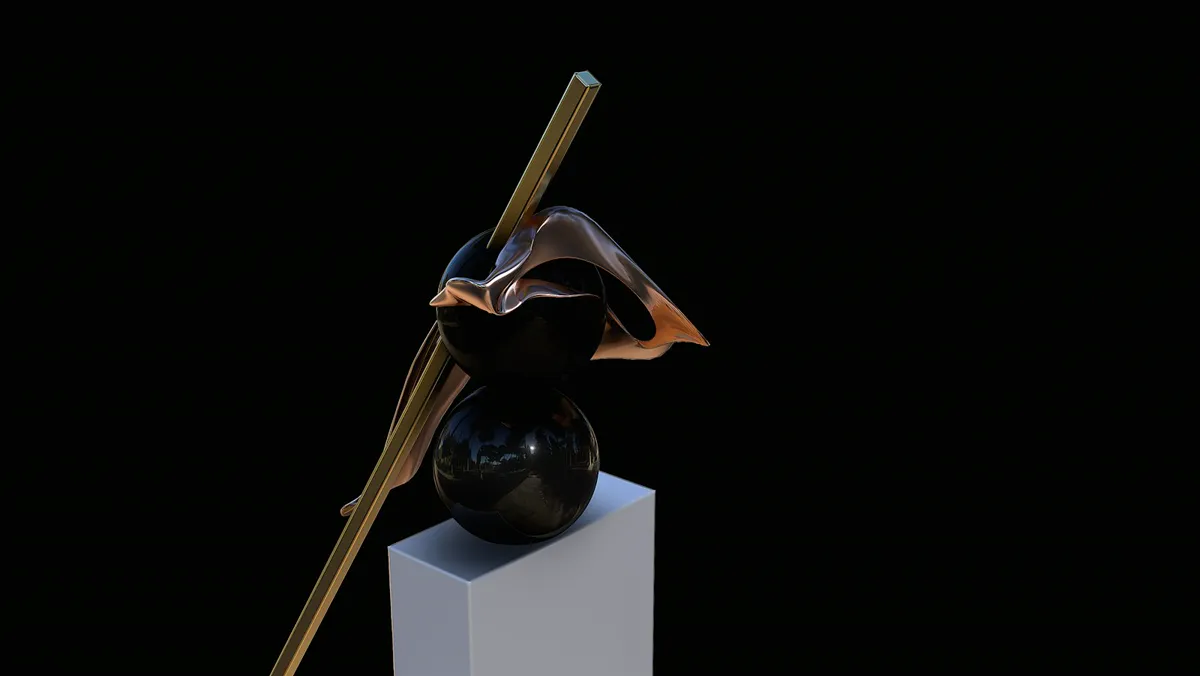
The appeal lies in the contrast. Bronze is an alloy known for its strength and durability, yet when shaped into fluid forms, it challenges our perception of physics. To understand the value of these pieces, one must look at the sculpture techniques used to achieve such delicacy, as well as the interiors they are designed to enhance. By stripping away the subject matter, the artist forces the observer to focus on the rhythmic flow and the play of light across the metallic surface.
The Technical Mastery Behind the Flow
Creating the illusion of liquidity in a solid medium requires an intimate knowledge of metallurgy and casting. Most high-end fluid bronze pieces are created using the lost-wax casting process (cire perdue), a method that allows for intricate detail and complex, overlapping curves that would be impossible to carve from a solid block.
The Wax Stage and Fluidity
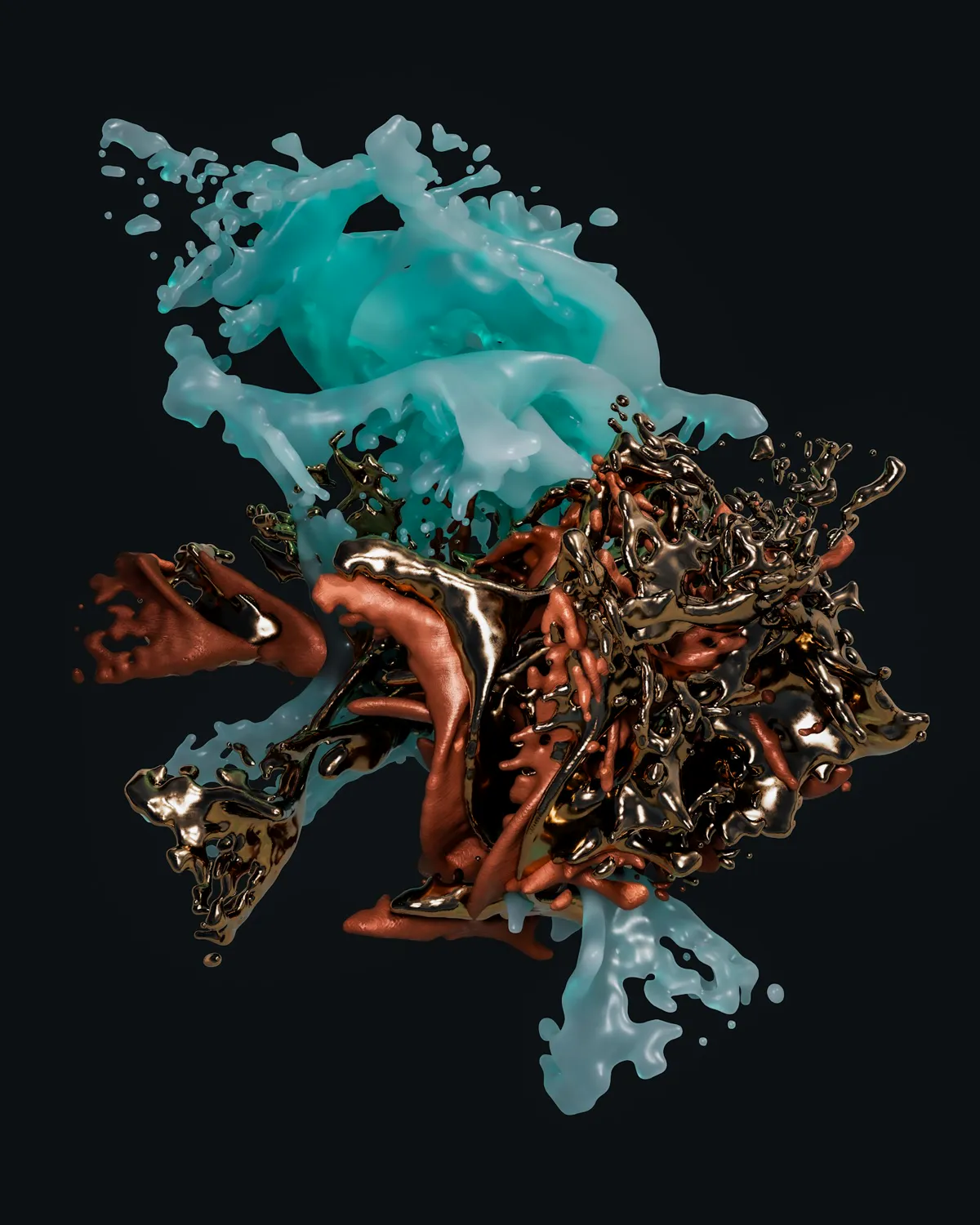
The process begins with a wax model. This is where the artist’s vision of movement is established. Because wax is pliable, the sculptor can create sweeping, gravity-defying arcs and thin, trailing edges that simulate the look of pouring liquid. The plasticity of wax is essential for capturing those spontaneous, organic shapes that define the fluid style.
The Casting and Cooling Phase
Once the wax model is encased in a ceramic shell, the wax is melted away, leaving a void that is filled with molten bronze. The critical challenge here is the thermal contraction and flow of the metal. If the bronze does not fill the mold perfectly, air bubbles or ‘voids’ can ruin the smooth, liquid appearance. Achieving a seamless, mirror-like finish requires precise temperature control and a master’s touch during the pouring phase.
Finishing and Polishing
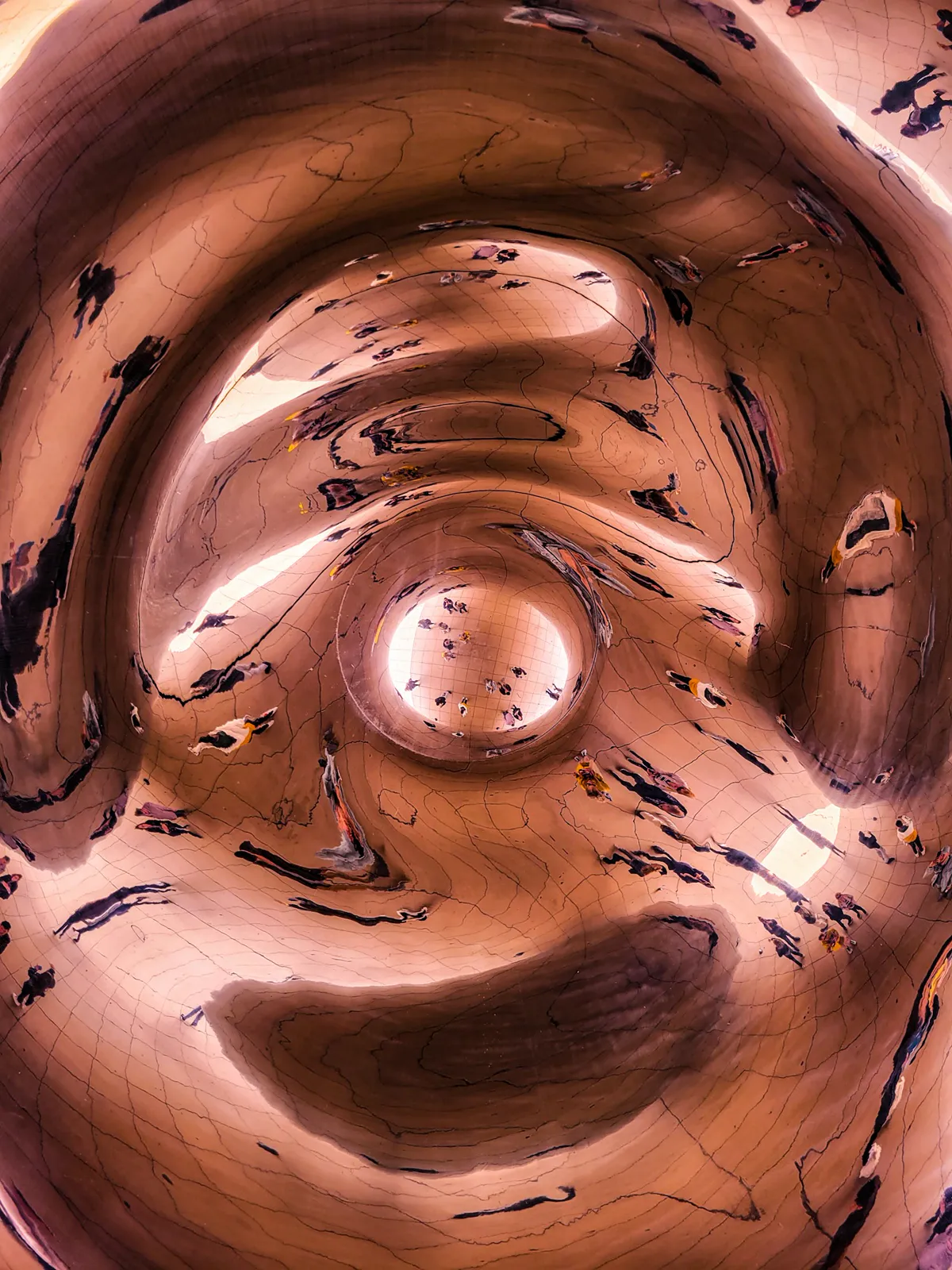
After the bronze has cooled and the mold is broken, the piece undergoes extensive chasing—the process of refining the surface. To maintain the fluid aesthetic, artists use progressively finer grits of sandpaper and polishing compounds to remove any casting seams, ensuring that the eye glides across the surface without interruption, mimicking the surface tension of water.
The Role of Patina in Emotional Depth
While the shape provides the movement, the patina provides the soul. Patina is the chemical reaction that occurs on the surface of the bronze, and in abstract art, it is used to manipulate how the viewer perceives the ‘flow’ of the piece.
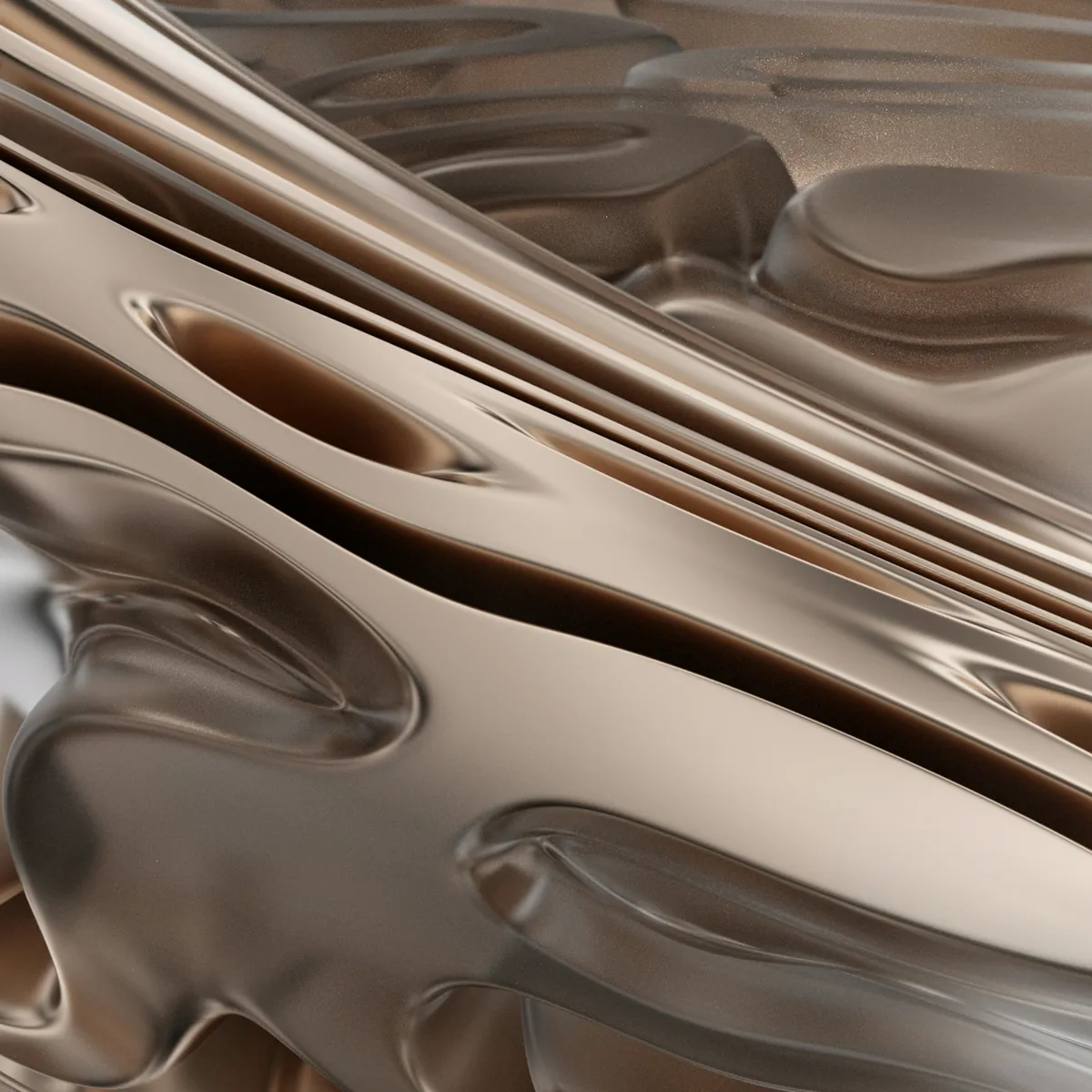
- Natural Bronze: A high-polish finish creates a reflective surface that emphasizes the surrounding environment, making the sculpture feel like a liquid mirror.
- Chemical Patinas: Using nitrates or liver of sulfur, artists can create deep greens, rich browns, or stark blacks. These colors can be applied strategically to create shadows in the folds of the sculpture, enhancing the three-dimensional depth.
- Mixed Media Finishes: Some contemporary artists combine traditional patinas with gold leaf or iridescent coatings to give the bronze a supernatural, otherworldly glow.
The choice of finish fundamentally changes the mood. A bright, polished piece feels optimistic and futuristic, while a dark, oxidized patina evokes a sense of ancient mystery, as if the object were a relic recovered from a deep-sea trench.
Integrating Metallic Sculpture into Modern Spaces
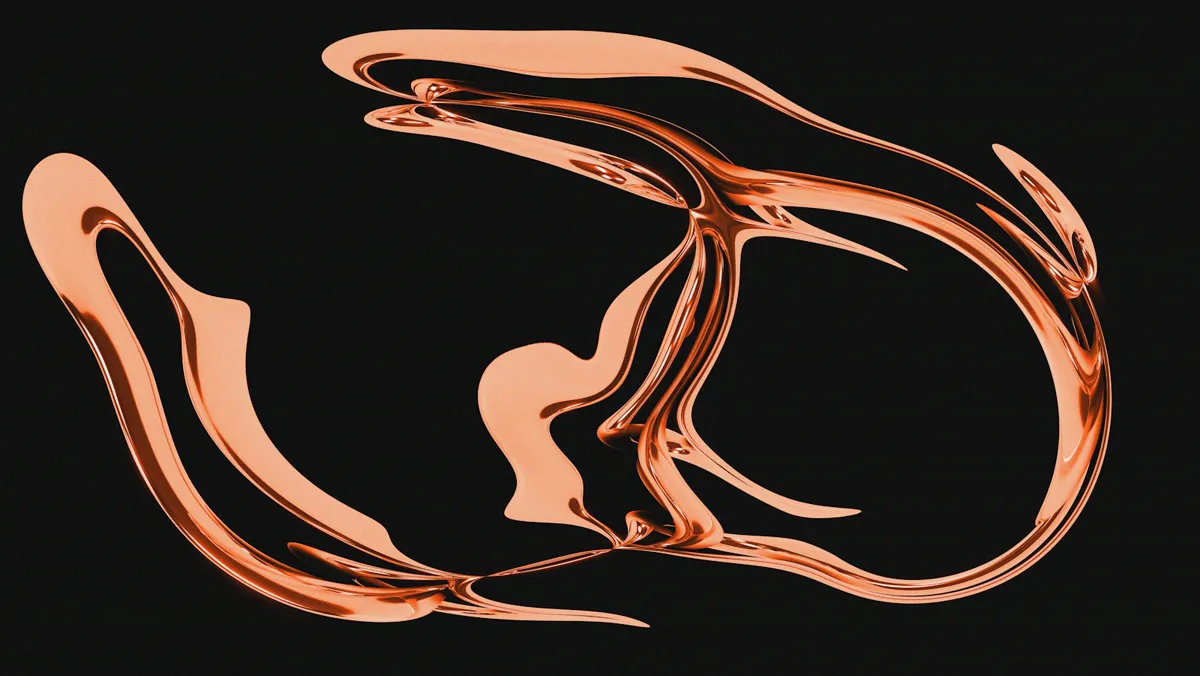
Because of their organic nature, fluid bronze pieces act as a visual counterbalance to the sharp angles often found in modern architecture. In a room dominated by straight lines and flat planes, a curvilinear bronze sculpture introduces a softening element that draws the eye and creates a focal point of energy.
Placement and Lighting
Lighting is the most critical factor when displaying metallic art. Because fluid bronze is designed to interact with light, directional spotlights or natural sunlight can create shifting highlights and shadows as the viewer moves around the piece. This interaction creates a secondary layer of movement, making the sculpture feel alive.
Scale and Proportion
Whether it is a small tabletop piece or a large-scale installation, the spatial relationship is key. A fluid piece should have ‘room to breathe.’ Placing a sweeping bronze curve in a cramped corner diminishes its sense of motion. Instead, these works thrive in open areas—like foyers or minimalist living rooms—where their silhouettes can be appreciated from multiple angles.
Maintaining the Luster of Bronze Art
Bronze is incredibly durable, but it is not inert. It continues to react with the environment long after it leaves the studio. To preserve the specific aesthetic of a fluid piece, a consistent maintenance routine is necessary.
First, avoid using harsh chemical cleaners or abrasive sponges, as these can scratch the polish or strip away the intended patina. Instead, use a dry microfiber cloth to remove dust and fingerprints. For pieces with a waxed finish, applying a thin layer of high-quality Renaissance wax every few months can protect the metal from oxidation and maintain its depth.
In high-humidity environments, bronze is susceptible to ‘bronze disease’ (chlorine-induced corrosion). Monitoring the air quality and ensuring the piece is not placed directly under a leaky vent or in a damp basement is crucial for the long-term preservation of the investment.
Conclusion
Abstract fluid bronze art is more than just a decorative object; it is a study in contradictions. It captures the paradox of frozen motion and the marriage of industrial strength with organic grace. By mastering the lost-wax process and the chemistry of patinas, artists transform a rigid alloy into a poetic expression of fluidity. Whether used as a bold statement in a luxury interior or as a quiet meditation on form and light, these sculptures invite us to find beauty in the flow and stability in the unexpected.
Frequently Asked Questions
How does fluid bronze art differ from traditional bronze sculpture?
Traditional bronze sculpture typically focuses on figurative representation or structured forms. Fluid bronze art emphasizes biomorphic abstraction, focusing on movement, curves, and organic shapes that mimic liquids or gases, prioritizing the emotional feel of the form over a literal subject.
Is fluid bronze art a good long-term investment?
Yes, bronze is a timeless medium with high intrinsic value. Because fluid abstract pieces often require significant technical skill and labor-intensive finishing, they tend to hold their value well, especially when created by artists with a recognized signature style in contemporary sculpture.
Can I display bronze sculptures outdoors?
Yes, bronze is one of the best materials for outdoor art. However, the patina will evolve over time due to exposure to rain and air. Some collectors prefer this natural aging process, while others apply protective coatings to keep the original studio finish intact.
What is the most difficult part of creating a fluid bronze piece?
The most challenging aspect is ensuring the structural integrity of the piece while maintaining a thin, flowing appearance. Balancing the weight of the metal so the sculpture doesn’t collapse or warp during the cooling process requires advanced engineering and casting expertise.
How can I tell if a bronze sculpture is a high-quality cast?
Look for the absence of visible seams or ‘flash’ (excess metal) on the surface. A high-quality fluid piece will have a seamless transition between curves and a consistent patina, indicating that the artist spent significant time on the chasing and polishing stages.
Related posts:


If this set speaks to you, Minimalist Orange Abstract Vector: Design Trends and Applications continues the abstract-art conversation in a new direction.
Save the pieces you love and share the collection with your circle.
