

In the contemporary landscape of digital design, the allure of minimalism has evolved from a trend into a fundamental pillar of professional aesthetics. At the heart of this movement lies the abstract modern black vector—a powerful design tool that strips away the noise of complex color palettes to focus on form, structure, and contrast. Whether it is used for high-end corporate branding, sleek website backgrounds, or sophisticated editorial layouts, these scalable graphics provide a timeless quality that transcends fleeting design fads. By leveraging the mathematical precision of vector paths combined with the psychological weight of the color black, designers can create visuals that communicate authority, elegance, and cutting-edge modernity.
- Understanding Abstract Modern Black Vectors
- The Psychology of Monochrome Minimalism
- Key Applications in Modern Branding
- Choosing the Right Vector File Formats
- Design Tips for Implementing Black Vectors
- Where to Source High-Quality Vectors
Understanding Abstract Modern Black Vectors
To appreciate the value of an abstract modern black vector, one must first understand the technical nature of vector graphics. Unlike raster images, which are composed of a fixed grid of pixels, vectors are created using mathematical equations that define points, lines, and curves. This means a vector asset can be scaled from the size of a postage stamp to the size of a highway billboard without any loss in quality or introduction of blurriness.

When we describe these graphics as ‘abstract’ and ‘modern,’ we are referring to a style that avoids literal representation. Instead of drawing a specific object, these designs utilize geometric shapes, fluid organic lines, and strategic negative space to evoke a mood or a concept. The use of black as the primary medium ensures that the focus remains entirely on the composition. In a world saturated with vibrant, distracting imagery, the starkness of a black vector often acts as a visual anchor, providing a sense of stability and professional polish. For those looking to improve their overall design strategy, integrating these elements is a step toward a more cohesive branding identity.
The Psychology of Monochrome Minimalism
Color psychology plays a critical role in how a user perceives a brand or a piece of content. Black is perhaps the most complex color in a designer’s toolkit. It is simultaneously associated with power, luxury, mystery, and formality. When applied to abstract vector art, these associations are amplified. A black geometric pattern doesn’t just look clean; it suggests a level of sophistication and exclusivity often found in luxury fashion houses and high-tech firms.

Moreover, the concept of visual hierarchy is greatly enhanced when using monochrome elements. By stripping away color, the designer forces the viewer to focus on the contrast between the foreground and the background. This creates a high-impact visual experience that is easy for the brain to process quickly. This efficiency is why many modern user interfaces (UI) are adopting ‘Dark Mode’ or utilizing black accent vectors to guide the user’s eye toward critical calls to action. The absence of color removes emotional bias, allowing the structural beauty of the design to speak for itself.
Key Applications in Modern Branding
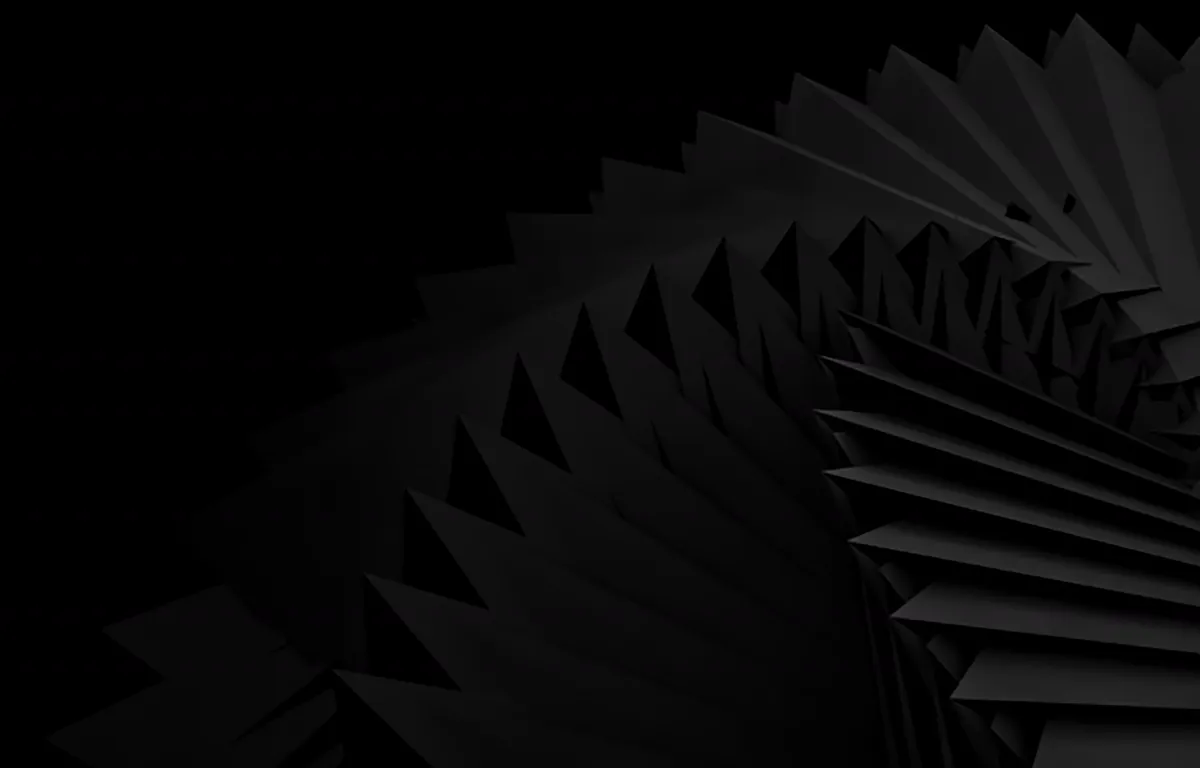
The versatility of an abstract modern black vector makes it suitable for a vast array of digital and print applications. Because they are scalable and clean, they integrate seamlessly into various mediums.
Corporate Identity and Logo Design
Many of the world’s most recognizable logos rely on simple, black abstract forms. A well-crafted vector logo ensures that the brand remains legible across all platforms, from a tiny favicon in a browser tab to a massive sign on a corporate headquarters. The use of black ensures that the logo remains timeless and does not need to be redesigned every time color trends shift.
Website Backgrounds and UI Elements
Using subtle black abstract vectors as background elements can add depth to a website without distracting from the primary content. For instance, a faint, large-scale geometric vector in the footer or header can break up the monotony of a white page, adding a layer of professional texture. These elements are often exported as SVG files, ensuring they load quickly and remain crisp on Retina displays.

Editorial and Print Media
In magazine layout and brochure design, black vectors are often used to create borders, dividers, or conceptual illustrations. The high contrast of black on white paper creates a striking visual punch that captures attention and organizes information logically, enhancing the readability and overall flow of the document.
Choosing the Right Vector File Formats
Not all vector files are created equal. Depending on the intended use of your abstract modern black vector, you will need to choose the appropriate file format to maintain quality and compatibility.
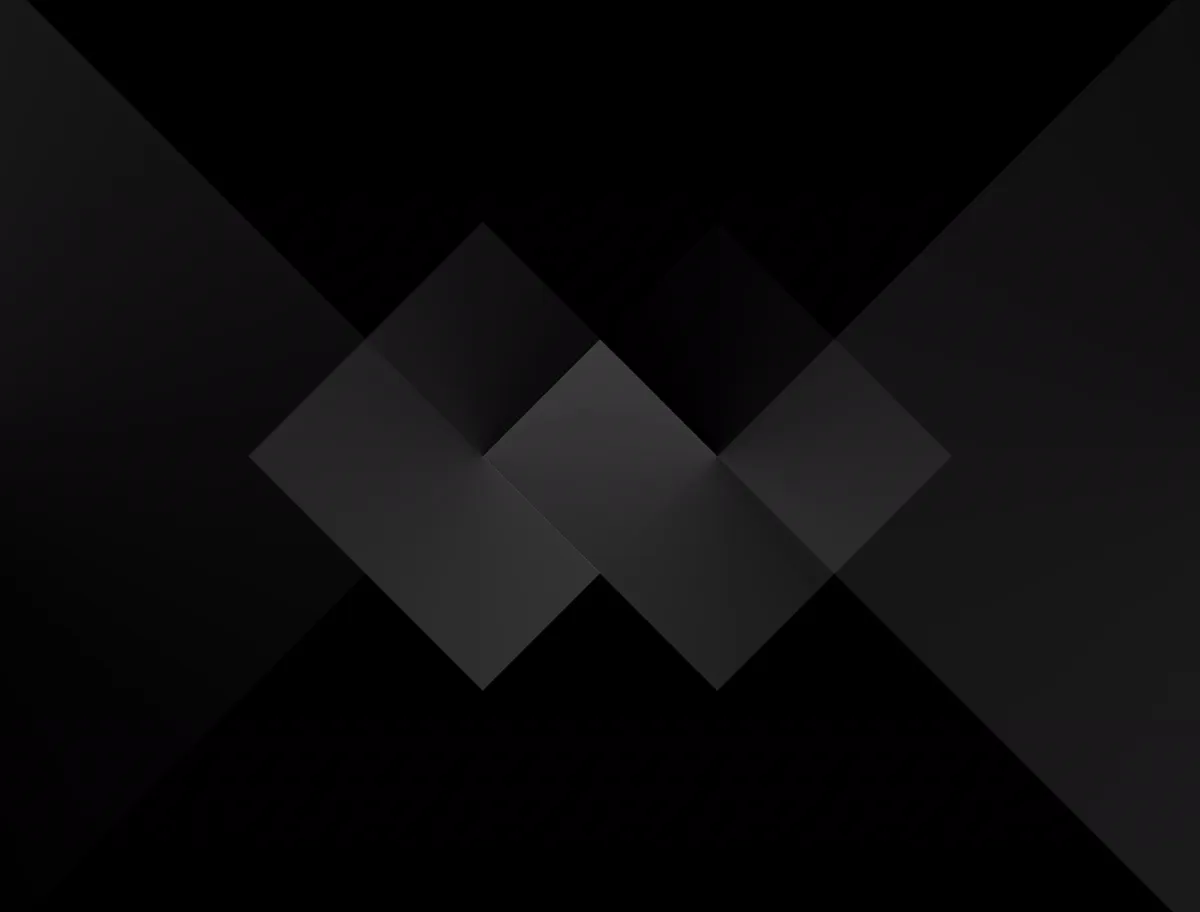
- SVG (Scalable Vector Graphics): The gold standard for web design. SVGs are XML-based, meaning they can be edited with code, are highly compressible, and are natively supported by all modern web browsers.
- AI (Adobe Illustrator): The industry standard for creation. AI files contain all the layered data and editable paths, making them essential for the initial design phase.
- EPS (Encapsulated PostScript): A legacy format that remains vital for professional printing. EPS files ensure that the printer can scale the image to any size without artifacts.
- PDF (Portable Document Format): While often viewed as a document format, a PDF can preserve vector data, making it an ideal way to share final designs with clients who may not have specialized design software.
Design Tips for Implementing Black Vectors
To maximize the impact of your abstract modern black vector, you must consider the environment in which it will live. Simply placing a black shape on a page isn’t enough; it requires intentionality.
First, focus on white space (or negative space). The power of a black vector comes from the area it *doesn’t* occupy. By leaving ample room around your graphic, you allow the design to ‘breathe,’ which enhances the feeling of luxury and openness. Overcrowding a page with too many black elements can make the design feel heavy or oppressive.
Second, experiment with opacity and layering. A solid black vector is bold, but by adjusting the opacity to 10% or 20%, you can create a subtle watermark effect. Layering multiple abstract shapes with varying degrees of transparency can create a sense of three-dimensional depth and complexity while remaining within a monochrome palette.
Third, consider the line weight. Thin, hairline vectors convey precision, elegance, and fragility, whereas thick, bold shapes communicate strength, stability, and confidence. Matching the line weight to the brand’s voice is key to a successful visual communication strategy.
Where to Source High-Quality Vectors
For those who are not professional illustrators, there are several ways to acquire high-quality abstract modern black vectors. Stock marketplaces like Adobe Stock or Shutterstock offer vast libraries, but the key is to look for ‘vector sets’ that maintain a consistent style across multiple assets.
Alternatively, many designers use open-source libraries. However, when using free assets, it is crucial to verify the license agreement to ensure the graphics can be used for commercial purposes. For a truly unique brand identity, commissioning a custom vector piece from a professional artist is the best investment, as it ensures the imagery is exclusive to your brand and tailored specifically to your strategic goals.
Conclusion
The abstract modern black vector is more than just a design choice; it is a strategic tool for communication. By focusing on the purity of form and the strength of contrast, these graphics provide a foundation for a professional, sophisticated, and timeless visual identity. Whether you are a business owner looking to refresh your brand or a designer aiming to streamline your UI, embracing the power of monochrome minimalism will ensure your work remains relevant and impactful in an ever-changing digital world.
Frequently Asked Questions
Why should I use a vector instead of a PNG for black abstract designs?
Vectors are based on mathematical paths rather than pixels. This means they can be scaled to any size without losing quality (no pixelation), whereas PNGs will become blurry if enlarged. Additionally, vector files like SVGs are often smaller in size, which improves website loading speeds.
Can I change the color of a black vector later?
Yes, that is one of the primary advantages of vectors. Since the color is defined as a property of the path, you can easily change a black vector to any other color using software like Adobe Illustrator, Inkscape, or even via CSS if it is an SVG file on a website.
What makes a vector look ‘modern’ rather than ‘dated’?
Modern vectors typically favor minimalism, geometric precision, and a strategic use of negative space. Dated designs often rely on heavy gradients, drop shadows, and overly complex details. The ‘modern’ look is achieved by stripping away unnecessary elements and focusing on a clean, bold silhouette.
How do I ensure my black vector looks good on a dark-themed website?
To make a black vector work on a dark background, you should either invert the color to white or use a slightly lighter shade of grey. Alternatively, you can use a ‘stroke’ or ‘outline’ version of the vector to create a boundary between the graphic and the background.
What is the best software for creating my own abstract vectors?
Adobe Illustrator is the industry standard for professional vector work. However, for those seeking free or affordable alternatives, Inkscape is a powerful open-source option, and Figma is an excellent tool for creating vectors specifically intended for web and app interfaces.
Related posts:

This page samples just one mood of abstract-graphics. The category holds many more pieces in a similar vein.
Bookmark this set for the next time your screen needs a new mood.
