
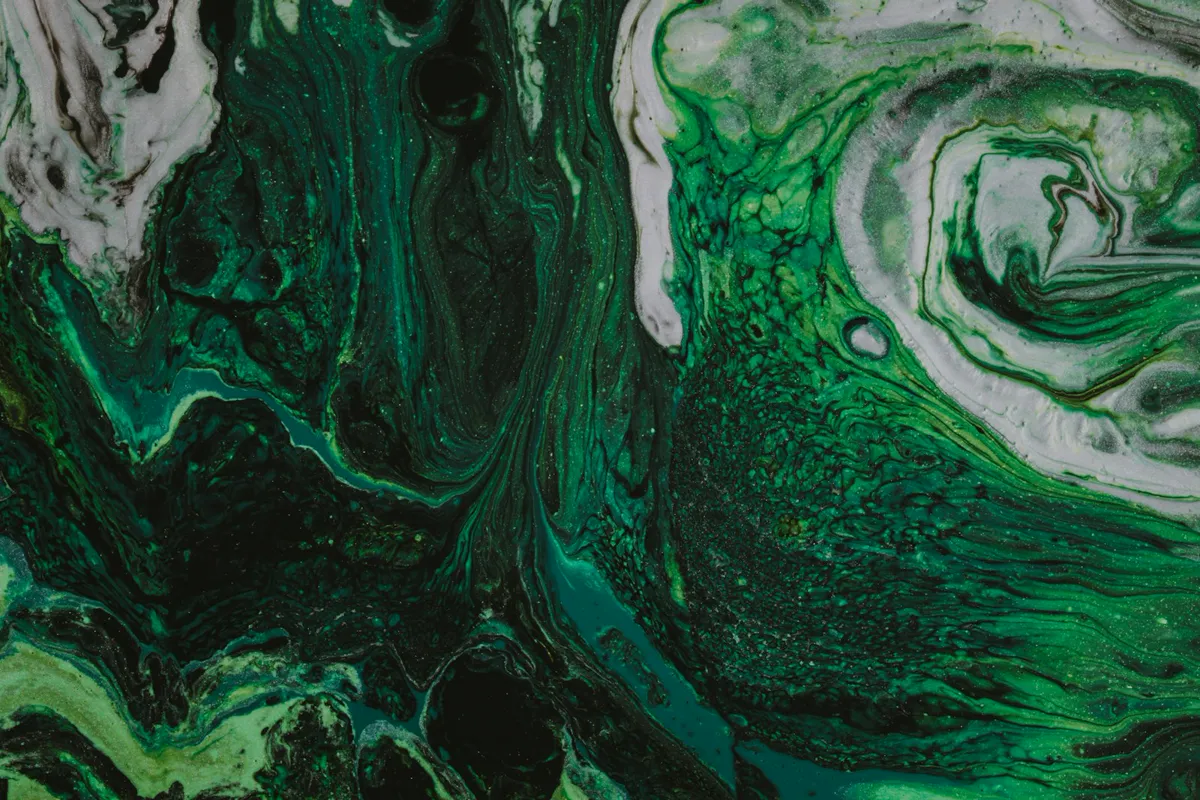
There is a profound, almost primal connection between the human psyche and the color green. When this organic vibration is translated through abstract oil green art, the result is often a hypnotic blend of nature’s serenity and the artist’s internal emotional landscape. Unlike representational art, which tells you exactly what to see, abstract oil paintings in shades of green invite the viewer to feel. From the deep, moody depths of a forest canopy to the ethereal glow of a spring meadow, these works act as windows into a state of balance and renewal, bridging the gap between the sterile modern interior and the wild, untamed outdoors.
- The Psychology of Green in Abstract Oil Art
- Exploring the Spectrum: From Sage to Emerald
- Mastering Techniques: Texture and Depth in Oil
- Integrating Green Abstracts into Interior Design
- Preserving the Vibrancy of Oil Paintings
- Frequently Asked Questions
The Psychology of Green in Abstract Oil Art
Green occupies a unique position in the visible spectrum, sitting perfectly between the warmth of yellow and the coolness of blue. In the realm of contemporary abstraction, the use of green often signifies growth, healing, and equilibrium. When an artist utilizes oil paints to explore these tones, the slow drying time of the medium allows for a seamless blending of colors, creating gradients that mimic the natural transitions found in organic life.
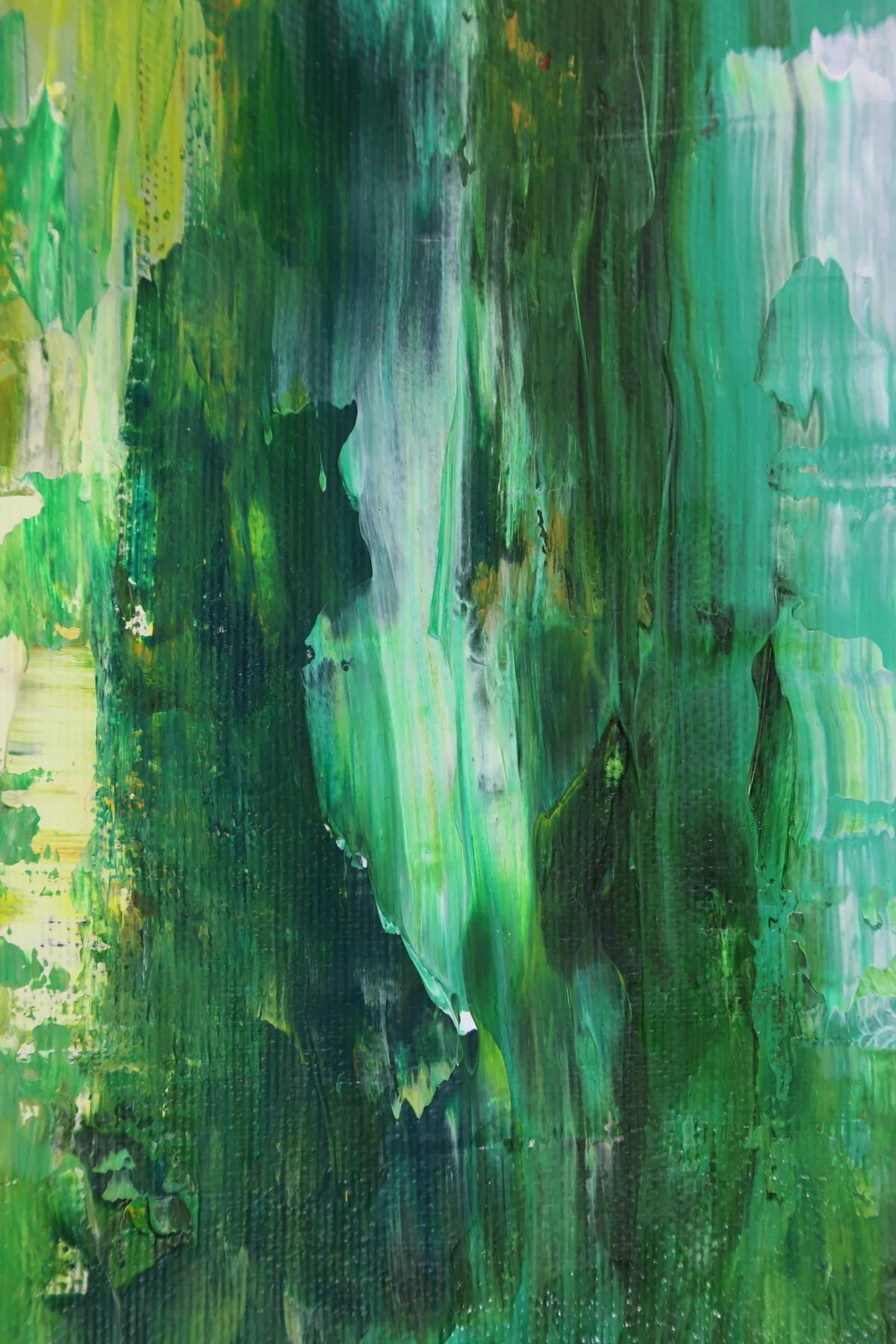
For many collectors, investing in a piece of painting art focused on green hues is a conscious decision to bring tranquility into their environment. The subconscious associates these colors with oxygen, water, and vitality. In a high-stress urban setting, a large-scale abstract work featuring verdant palettes can serve as a visual anchor, reducing anxiety and fostering a sense of mental clarity. This is why we often see a surge in demand for biophilic art—works that emphasize the innate human connection to nature without relying on literal imagery.
Exploring the Spectrum: From Sage to Emerald
Not all greens are created equal; the emotional resonance of a piece depends heavily on the specific pigment used. The versatility of oil-based mediums allows artists to layer these shades to create a complex emotional narrative.
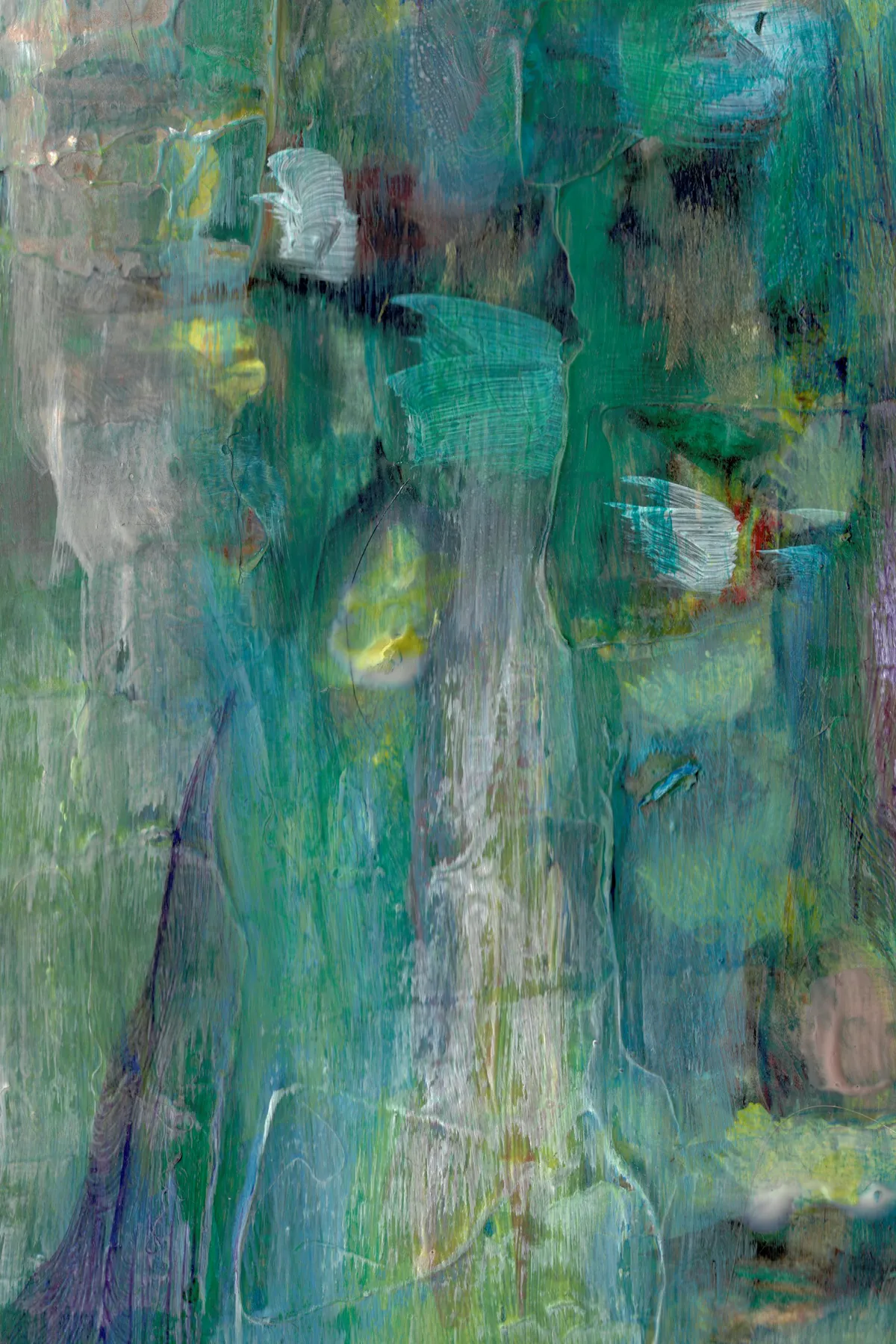
Deep Forest and Emerald Tones
Deep, saturated greens like Phthalo Green or Viridian evoke mystery, luxury, and stability. An abstract piece dominated by these tones often feels grounded and authoritative. These colors are frequently used to create ‘weight’ in a composition, drawing the eye toward a focal point of intensity. In an oil painting, these deep hues provide a rich base that allows lighter highlights to ‘pop’ with an almost luminescent quality.
Sage, Mint, and Olive Hues
On the opposite end of the spectrum, muted tones like sage and olive offer a more understated, sophisticated energy. These colors are often associated with wisdom, peace, and organic textures. Olive green, in particular, provides an earthy sophistication that bridges the gap between neutral tones and vibrant colors. When blended with whites or creams, these shades create an atmospheric effect, often resembling mist over a valley or the soft light of dawn.
Mastering Techniques: Texture and Depth in Oil
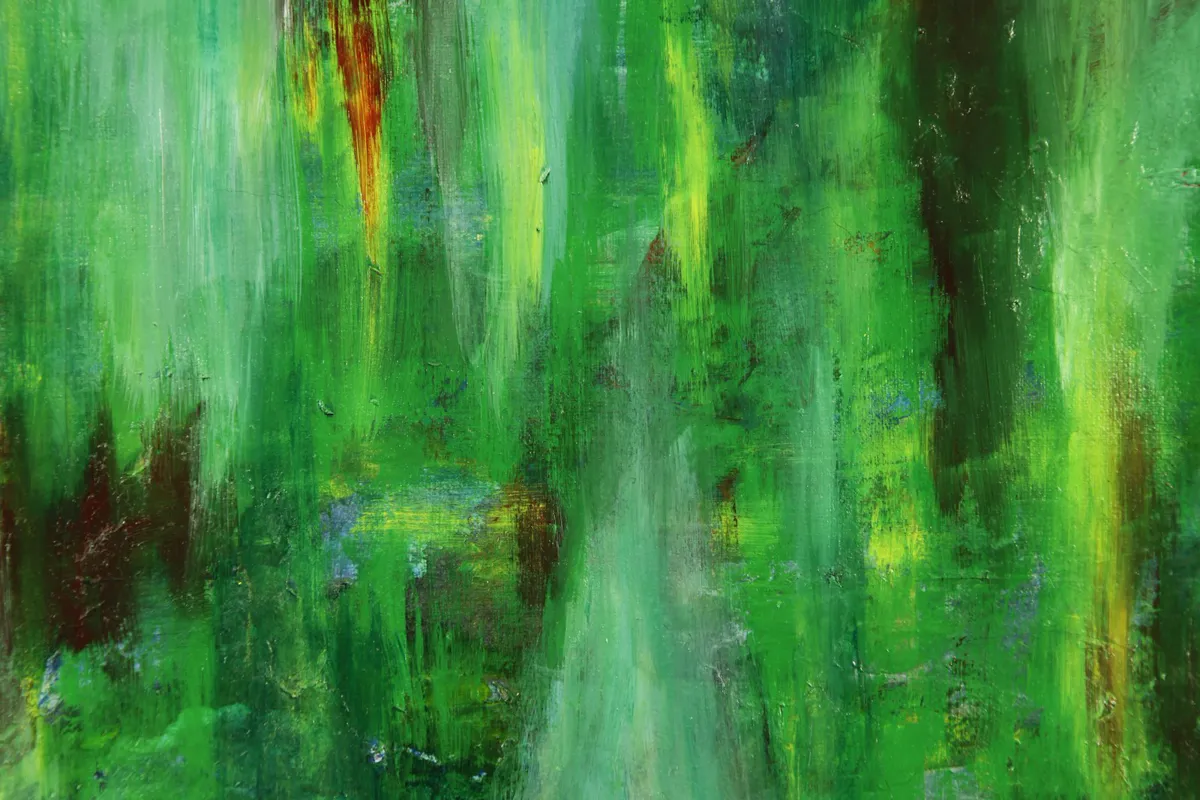
The true power of abstract oil green art lies in the physical application of the paint. Because oil paint possesses a unique viscosity, artists can manipulate the surface to add a third dimension to the visual experience.
The Power of Impasto
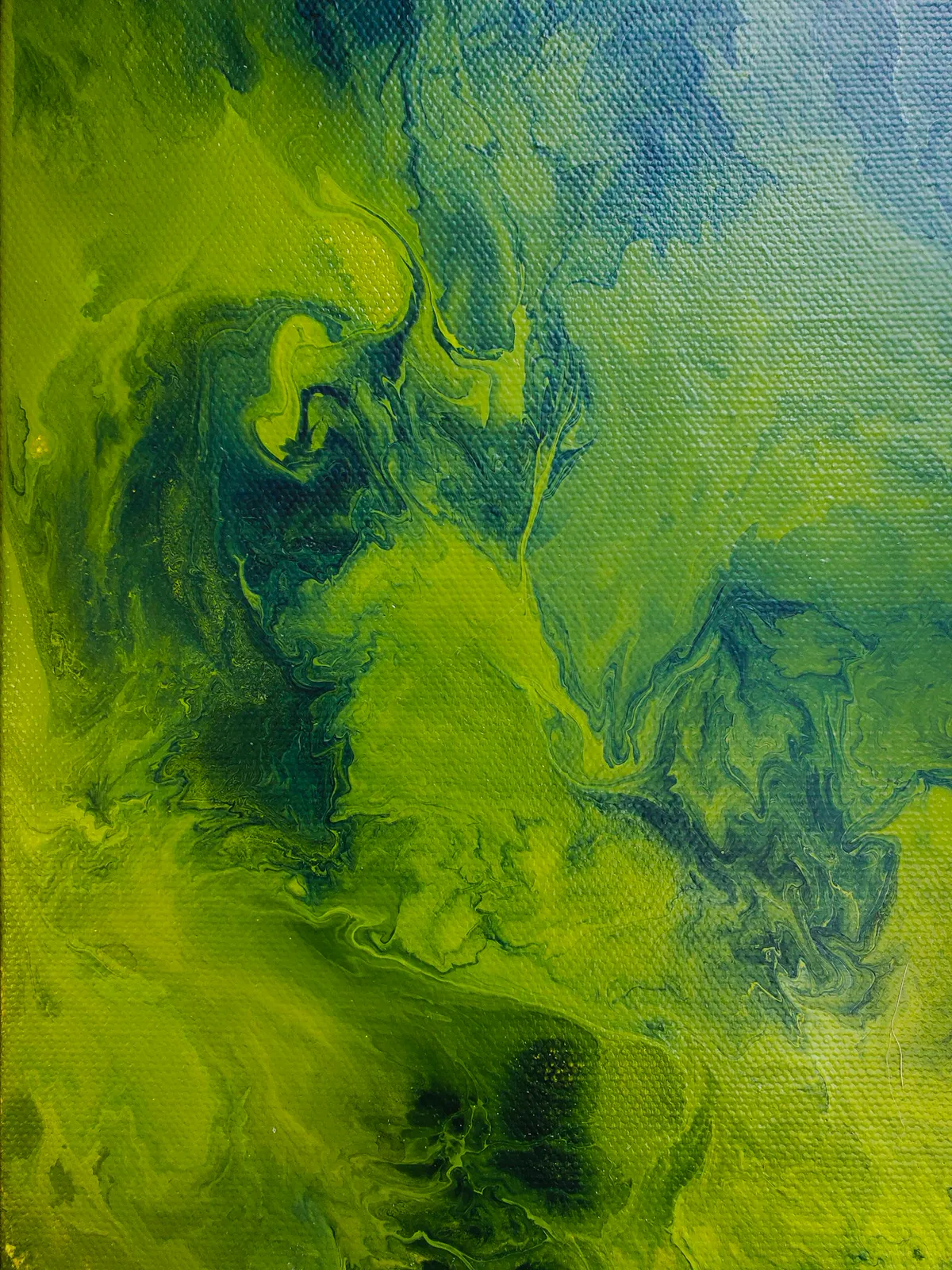
Impasto is a technique where paint is applied very thickly, often with a palette knife rather than a brush. In green abstracts, this creates physical ridges and peaks that catch the light, mimicking the rugged texture of moss or the layered foliage of a rainforest. This tactile quality transforms the painting from a flat image into a sculptural object, adding a sense of raw energy and movement to the canvas.
Glazing and Scumbling
To achieve the luminosity found in professional gallery-grade art, artists employ glazing. This involves applying thin, transparent layers of green oil paint over a dried base. This process traps light between the layers, creating a depth that is impossible to achieve with acrylics. Conversely, scumbling—applying a thin, dry layer of light-colored paint over a darker green base—creates a frosted or hazy effect, adding a sense of mystery and airiness to the work.
Color Theory and Complementary Contrast
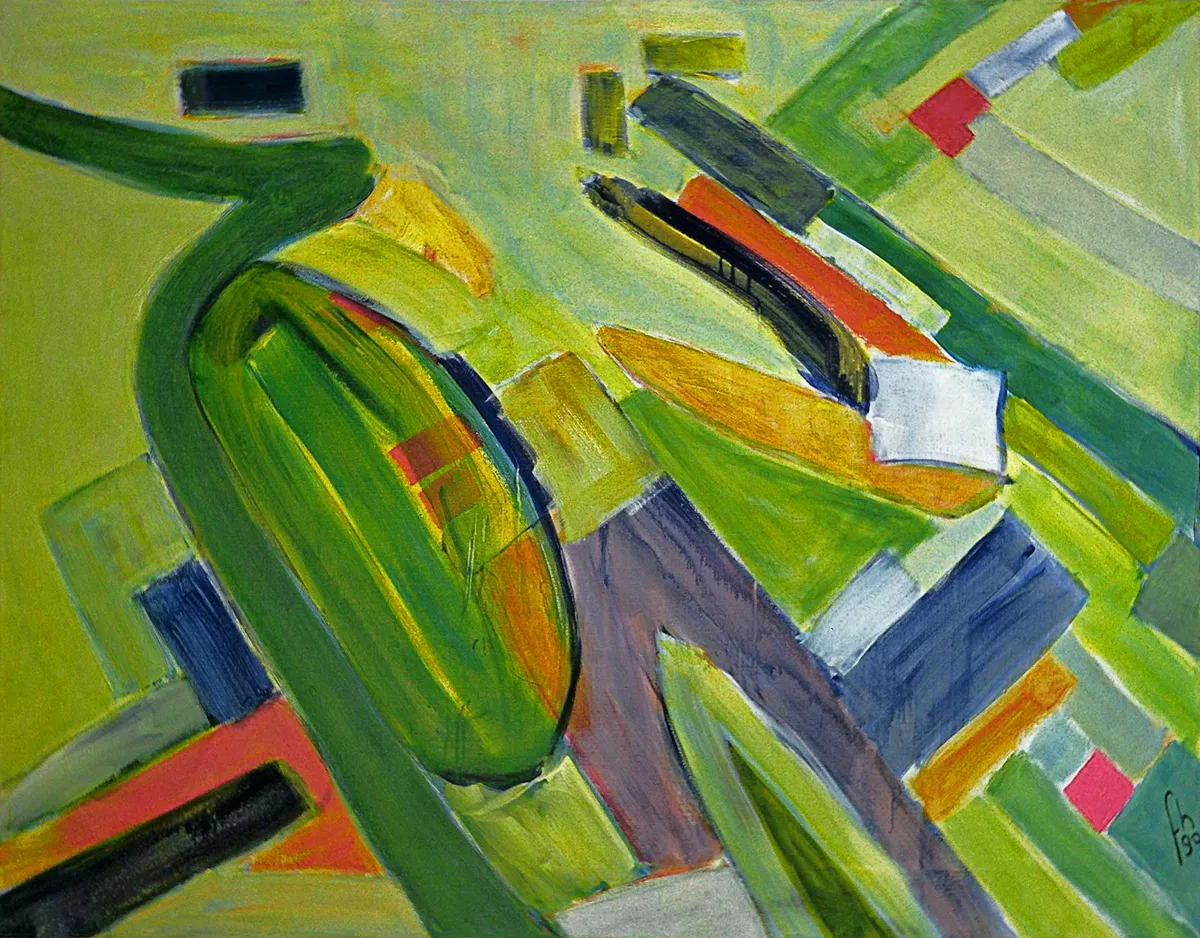
While green is the star, the most successful abstracts often use complementary colors to create vibration. A tiny sliver of burnt orange or a touch of deep crimson placed against a sea of emerald creates a visual tension that prevents the piece from feeling static. This contrast enhances the perceived brilliance of the green, making the colors feel more alive and dynamic.
Integrating Green Abstracts into Interior Design
Choosing the right piece of abstract oil art is only half the battle; placement and pairing are key to maximizing its impact. Because green is a versatile color, it can adapt to various interiors depending on the surrounding palette.
- The Minimalist Approach: In a room with white walls and light wood furniture, a vibrant green abstract serves as a bold statement piece. It injects life into a sterile space without overwhelming the senses.
- The Moody Aesthetic: In rooms with dark navy or charcoal walls, deep emerald oil paintings blend seamlessly, creating a cocoon-like atmosphere of luxury and intimacy.
- Complementary Pairing: Green art pairs exceptionally well with gold accents, brass fixtures, and leather furniture. The warmth of the gold balances the coolness of the green, creating a timeless and balanced look.
When hanging your art, consider the lighting. Since oil paintings have a natural sheen, placing a piece opposite a window allows natural light to dance across the textured brushwork, revealing hidden depths and subtle color shifts throughout the day.
Preserving the Vibrancy of Oil Paintings
Investing in high-quality oil on canvas requires a commitment to proper maintenance. Unlike digital prints, oil paintings are organic materials that react to their environment.
First, avoid placing your artwork in direct sunlight. UV rays can break down the chemical bonds of the pigments, leading to fading over time. If your room is particularly sunny, consider using UV-protective glass or choosing a wall that receives indirect light. Secondly, maintain a stable humidity level. Extreme fluctuations in moisture can cause the canvas to expand and contract, which may lead to craquelure (the fine network of cracks on the surface).
For cleaning, never use chemical sprays or wet cloths. Instead, use a soft, natural-hair brush or a microfiber duster to gently remove surface dust. By treating the artwork with care, you ensure that the verdant intensity of the piece remains intact for generations.
Conclusion
Abstract oil green art is more than just a decorative choice; it is an investment in emotional well-being and aesthetic sophistication. By blending the organic essence of the natural world with the expressive freedom of abstraction, these works provide a sanctuary of color in an increasingly digital world. Whether you are drawn to the calming whispers of sage or the bold declaration of emerald, the right piece of green art can transform a house into a home, bringing a sense of balance, growth, and timeless beauty to your living space.
Frequently Asked Questions
How do I know if a green abstract painting will match my room?
Consider the ‘temperature’ of the green. Cool greens (with blue undertones) work best in modern, airy spaces with grey or white palettes. Warm greens (with yellow undertones, like olive) complement traditional interiors, warm woods, and earthy tones.
Why is oil paint preferred over acrylic for abstract green art?
Oil paints have a slower drying time, which allows for superior blending and the creation of smooth, luminous gradients. Additionally, oil pigments generally offer a deeper saturation and richer texture, which is essential for creating depth in abstract landscapes.
Can a large green painting make a small room feel smaller?
Actually, the opposite is often true. Because green is associated with nature and openness, a large-scale abstract piece can create a ‘window effect,’ giving the illusion of more space and bringing a sense of the outdoors inside.
What are the most common symbols associated with green in abstract art?
While abstract art avoids literal symbols, green is universally linked to themes of renewal, fertility, environmental consciousness, and emotional healing. It often represents the cycle of life and the persistence of nature.
How can I tell if an oil painting is high quality?
Look for the depth of the paint layers. High-quality oil works often feature multiple glazes and visible texture (impasto). Check the edges of the canvas and the consistency of the pigment; a professional piece will have a balanced composition and a surface that shows intentionality in every brushstroke.
Related posts:


Pieces in abstract-art talk to each other across pages — follow the thread with Smoke Rainbow Abstract Design: Mastering Ethereal Visuals.
Share this page with a fellow art lover looking for their next wallpaper.
