
In the contemporary digital landscape, the geometric abstract vector has emerged as a cornerstone of visual communication. From the sleek interfaces of tech startups to the bold branding of luxury fashion houses, these designs leverage the mathematical precision of geometry to evoke specific emotions and convey complex ideas with minimalist efficiency. Unlike traditional photography or hand-drawn illustrations, vector-based abstract art offers an infinite scalability and a clean aesthetic that resonates with the modern eye’s preference for order and simplicity.
- Understanding Geometric Abstract Vectors
- Core Elements of Geometric Composition
- Top Design Trends for Modern Vector Art
- Practical Applications across Industries
- Tools for Creating High-Quality Vectors
- Best Practices for Visual Balance
- Conclusion
- Frequently Asked Questions
Understanding Geometric Abstract Vectors
At its core, a geometric abstract vector is a digital image created using mathematical paths (vectors) rather than pixels. This means the image is defined by points, lines, and curves, allowing it to be scaled to any size—from a tiny favicon to a massive billboard—without losing any quality or becoming blurred. The ‘abstract’ component refers to the departure from representational art; instead of depicting a recognizable object, these designs use shapes and colors to create a mood or a conceptual feeling.
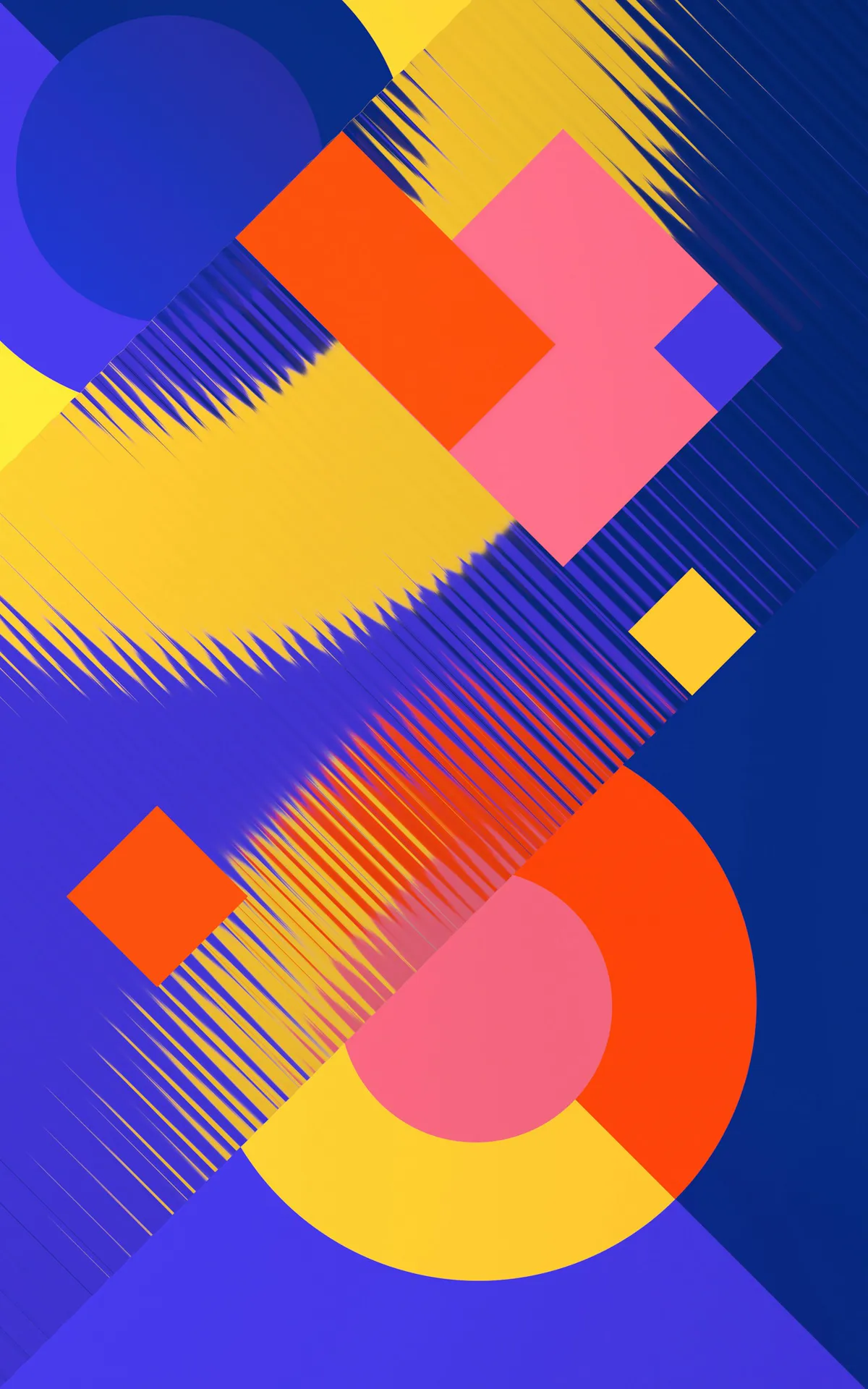
Integrating these elements into your vector graphics workflow allows for a high degree of flexibility. Whether you are aiming for a futuristic vibe or a timeless classic look, mastering the modern design approach requires a deep understanding of how basic shapes interact to form a cohesive visual narrative.
The Power of Scalability
One of the most significant advantages of using vectors over raster images (like JPEGs or PNGs) is resolution independence. In a professional environment, this is non-negotiable. A designer can create a single geometric pattern and deploy it across a website, a business card, and a vehicle wrap without ever needing to redraw the asset. This efficiency is why SVG (Scalable Vector Graphics) has become the industry standard for web-based abstract elements.
Core Elements of Geometric Composition
Creating a compelling abstract piece isn’t about randomly placing shapes; it is about understanding the psychological and visual impact of geometry. Every line and angle communicates something to the viewer’s subconscious.
The Psychology of Shapes
- Circles and Ellipses: These represent unity, eternity, and softness. They are often used to convey inclusivity, community, or organic flow within an otherwise rigid structure.
- Triangles and Pyramids: These evoke strength, direction, and movement. Depending on their orientation, they can signify growth (pointing up) or stability and grounding (base down).
- Squares and Rectangles: These are the symbols of reliability, professionalism, and order. They provide a sense of security and structure, which is why they dominate corporate identity design.
The Role of Symmetry and Asymmetry
Symmetry creates a sense of formal balance and calmness. It is highly effective for logos and centered landing page hero sections. Conversely, asymmetry introduces tension, energy, and dynamism. By strategically offsetting a geometric element, a designer can guide the user’s eye toward a specific call-to-action (CTA) or create a feeling of modern edge and unpredictability.
Top Design Trends for Modern Vector Art
The evolution of the geometric abstract vector is closely tied to the evolution of software and hardware. As screens become higher in resolution, designers are pushing the boundaries of what ‘abstract’ means.
Minimalist Bauhaus Influence
The Bauhaus movement continues to inspire modern vectors. This style emphasizes ‘form follows function,’ utilizing primary colors (red, blue, yellow) and basic shapes to create compositions that are stripped of all unnecessary ornamentation. In today’s web design, this manifests as clean layouts with bold, oversized geometric accents.
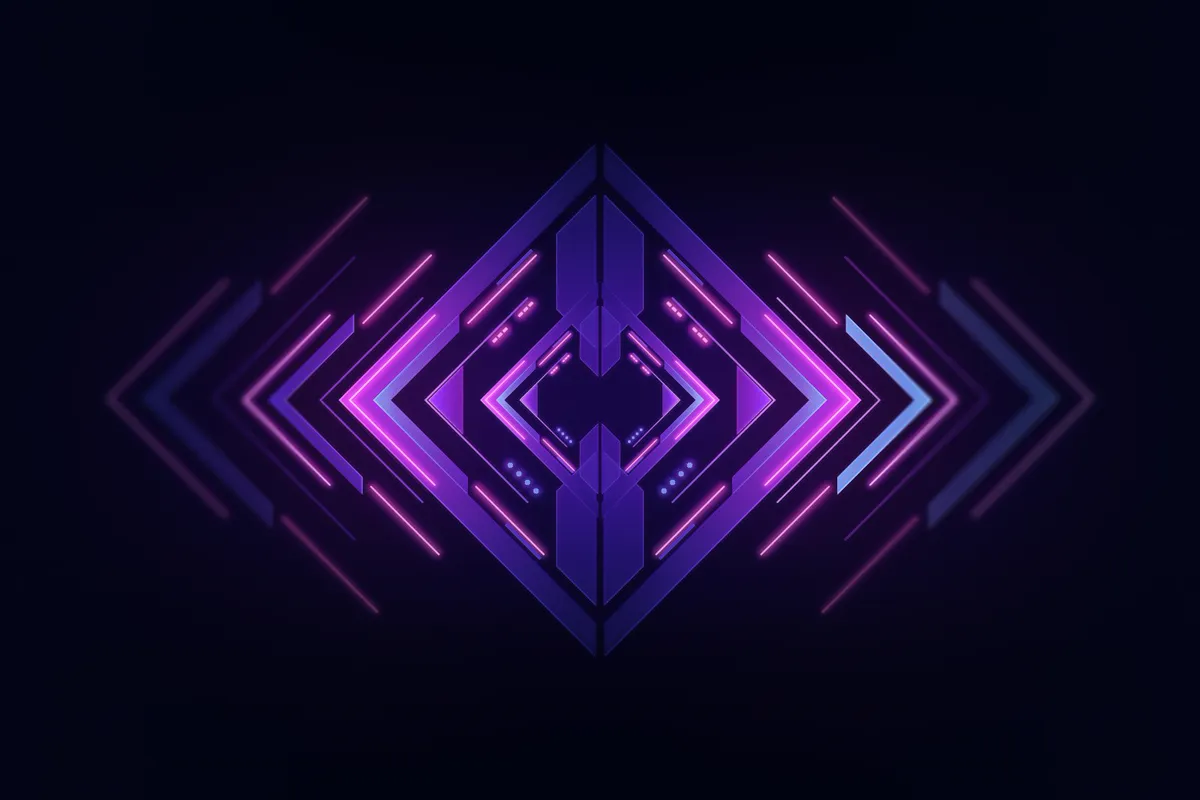
Neomorphism and Glassmorphism
Current trends have moved toward adding depth to flat vectors. Neomorphism uses subtle inner and outer shadows to make geometric shapes appear as if they are extruded from the background. Glassmorphism, on the other hand, applies a frosted-glass effect to abstract shapes, creating a sense of hierarchy and transparency that adds a premium, high-tech feel to user interfaces.
Isometric Projections
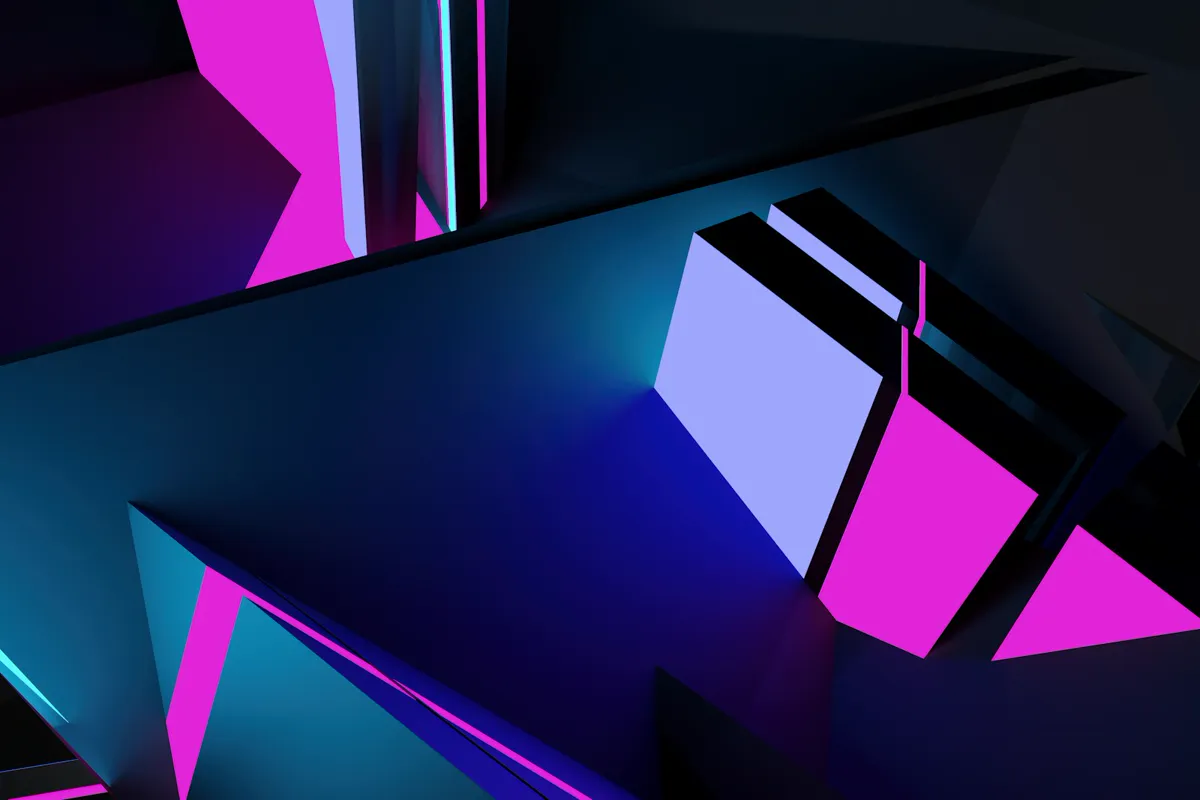
Isometric vector art creates a 3D illusion on a 2D plane without using a vanishing point. This is particularly popular for technical illustrations and infographic backgrounds, as it allows the viewer to see multiple sides of a geometric structure simultaneously, providing a sense of spatial depth and complexity.
Practical Applications across Industries
The versatility of abstract geometry makes it a universal tool across various professional sectors.
Corporate Branding and Identity
Many of the world’s most recognizable logos are essentially geometric abstract vectors. By simplifying a brand’s essence into a geometric mark, companies ensure their identity is memorable and scalable. A well-executed geometric logo suggests precision, efficiency, and forward-thinking.
UI/UX Design and Web Layouts
In web design, abstract vectors are often used as background patterns to break up monochromatic spaces without distracting the user from the primary content. They are also used as decorative elements in ‘hero sections’ to visually represent abstract concepts like ‘cloud computing,’ ‘connectivity,’ or ‘data flow’ where a literal photograph would be too limiting.
Print and Packaging Design
In the physical world, geometric patterns are used to create tactile interest on packaging. Using spot UV coatings or foil stamping on geometric vector paths can transform a simple box into a luxury experience, proving that abstract art is as much about the medium as it is about the design.
Tools for Creating High-Quality Vectors
To produce professional-grade geometric art, the choice of software is critical. While there are many options, a few industry leaders dominate the space.
- Adobe Illustrator: The gold standard for vector art. Its ‘Shape Builder Tool’ and ‘Pathfinder’ panel are essential for creating complex geometric intersections and subtractions.
- Affinity Designer: A powerful alternative that offers a seamless transition between vector and raster workspaces, making it ideal for those who want to add textured gradients to their abstract shapes.
- Inkscape: An open-source powerhouse that provides professional vector tools for designers who prefer a free, community-driven environment.
- Figma: While primarily a UI tool, Figma’s vector network allows for rapid prototyping of geometric components and collaborative design iterations.
Best Practices for Visual Balance
To avoid a design looking cluttered or amateur, designers must adhere to certain principles of visual hierarchy and balance.
Color Theory and Palette Selection
The color of a geometric shape can change its perceived weight. Darker, more saturated colors feel ‘heavier’ and draw the eye first. When working with abstract vectors, using a limited color palette (3-5 colors) prevents the design from becoming chaotic. Consider using complementary colors for high contrast or analogous colors for a soothing, harmonious effect.
Utilizing White Space
Negative space is just as important as the shapes themselves. By allowing the design to ‘breathe,’ you create a focal point and prevent the viewer from feeling overwhelmed. In geometric abstraction, the space between the shapes often defines the overall composition more than the shapes themselves.
The Rule of Thirds and Golden Ratio
Applying mathematical ratios like the Golden Ratio (1.618) ensures that the placement of geometric elements feels natural and aesthetically pleasing to the human eye. Aligning key shapes along the rule of thirds grid helps in creating a dynamic composition that avoids the static feeling of perfect centering.
Conclusion
The geometric abstract vector is more than just a decorative trend; it is a powerful language of visual shorthand. By combining mathematical precision with creative intuition, designers can communicate complex brand values and emotional states with remarkable clarity. Whether you are leveraging the minimalism of the Bauhaus style or the depth of glassmorphism, the key to success lies in the balance of shape, color, and space. As digital interfaces continue to evolve, the reliance on scalable, clean, and abstract geometry will only grow, remaining a vital tool in the designer’s arsenal.
Frequently Asked Questions
What is the best file format for exporting geometric abstract vectors for the web?
The SVG (Scalable Vector Graphics) format is the best choice. It is XML-based, meaning it can be scaled infinitely without loss of quality, has smaller file sizes than PNGs for simple shapes, and can be manipulated via CSS and JavaScript.
How do I prevent my geometric design from looking too ‘corporate’ or cold?
To add warmth, introduce organic elements such as rounded corners, soft gradients, or an asymmetrical layout. Using a warmer color palette (oranges, soft pinks, creams) can also counteract the rigidity of sharp geometric angles.
Can I use geometric vectors if I am not a professional mathematician?
Absolutely. While geometry is the foundation, modern software tools like the ‘Shape Builder’ in Illustrator or ‘Boolean Operations’ in Figma handle the math for you. The focus should be on your visual intuition and composition rather than manual calculations.
What is the difference between an abstract vector and a geometric vector?
An abstract vector is any non-representational vector image, which could include fluid, organic, or random shapes. A geometric vector specifically uses defined mathematical shapes like circles, polygons, and straight lines to build its composition.
How do I choose the right scale for my geometric elements in a layout?
Use a contrast in scale. Pairing very large geometric shapes with tiny, detailed ones creates a sense of depth and visual interest. Avoid making all elements the same size, as this leads to a static and boring composition.
Related posts:
If this set speaks to you, Psychedelic Purple Abstract Backgrounds: Art and Application continues the abstract-design conversation in a new direction.
Share this page with a fellow art lover looking for their next wallpaper.
