
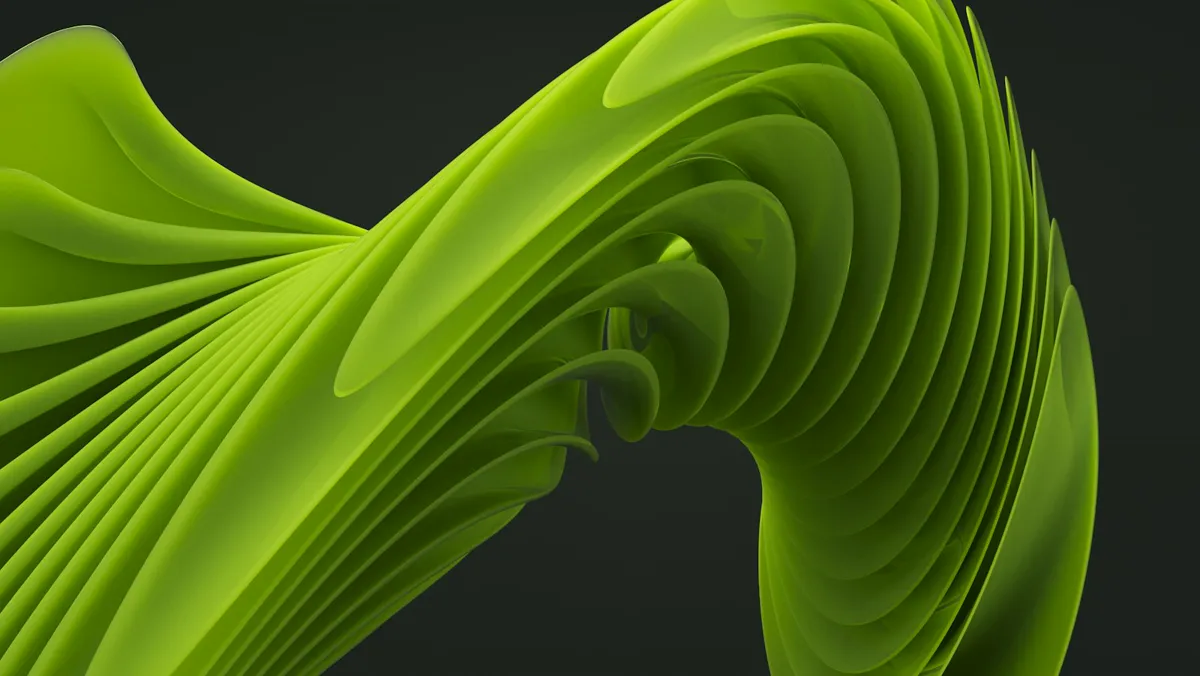
In the ever-evolving landscape of digital aesthetics, the use of psychedelic green abstract vectors has emerged as a powerful tool for creators seeking to evoke emotion, energy, and a sense of otherworldly consciousness. Unlike traditional geometric patterns, psychedelic art leans into the surreal, utilizing fluid lines and vibrant hues to mimic the distorted perceptions often associated with altered states of mind. When these elements are rendered as vectors, they provide an infinitely scalable solution for designers who need high-impact visuals that remain crisp across any medium, from tiny mobile screens to massive billboards.
- The Essence of Psychedelic Abstract Vectors
- Color Theory: The Power of Neon and Lime
- Best Use Cases for Surreal Vector Art
- Technical Guide: Creating Trippy Visuals
- Optimizing Vectors for Web and Print
- Conclusion
The Essence of Psychedelic Abstract Vectors
At its core, a psychedelic vector is more than just a ‘trippy’ image; it is a mathematical representation of organic chaos. Unlike raster images, which are composed of pixels, vector graphics are defined by paths, points, and curves. This makes them the ideal medium for the complex, swirling shapes typical of surrealist art. When we focus specifically on the green spectrum, we tap into a visual language that balances the natural world with a futuristic, digital edge.
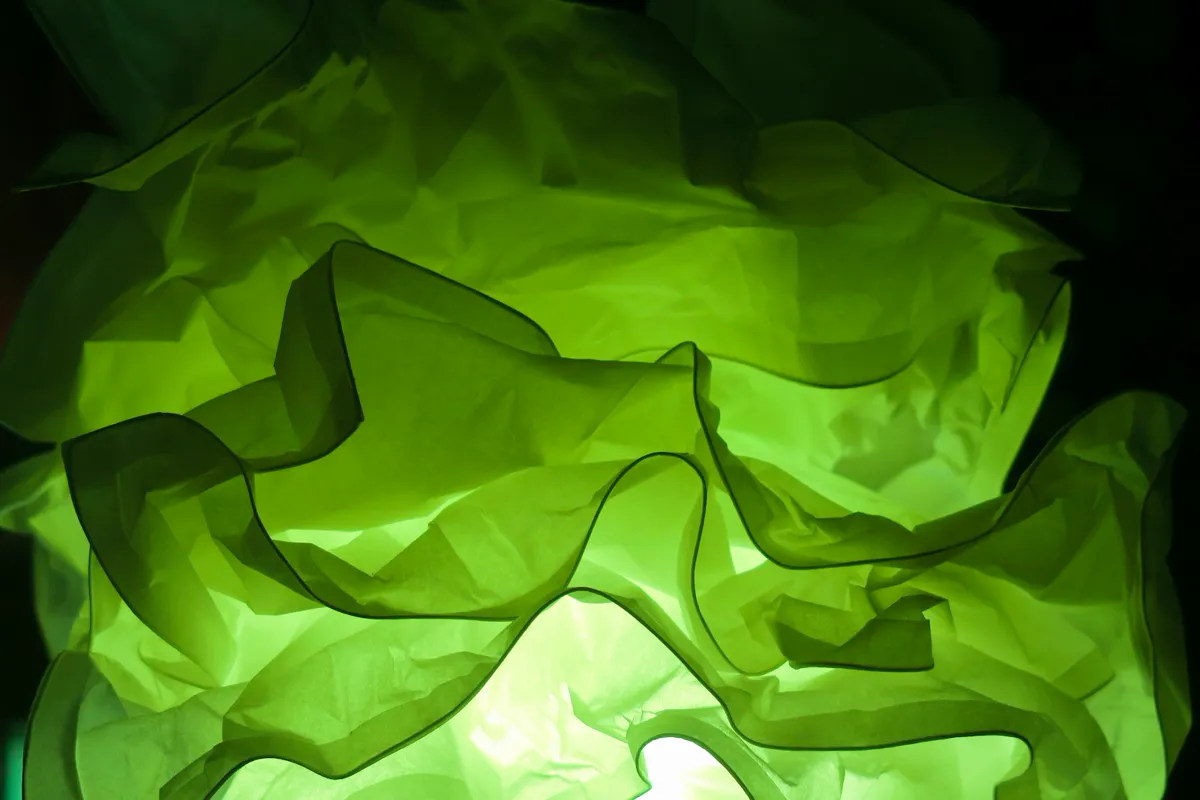
Incorporating these elements into a broader design workflow allows artists to experiment with liquid typography and melting shapes. These visuals often draw inspiration from the 1960s counterculture movement, but modern tools have refined the look, adding depth through mesh gradients and complex layering. By utilizing a vector format, designers ensure that the intricate curves of a psychedelic pattern never lose their sharpness, regardless of how much they are enlarged.
Color Theory: The Power of Neon and Lime
Green is a color of contradictions. In its natural state, it represents growth, harmony, and tranquility. However, when shifted toward the neon or fluorescent end of the spectrum, it transforms into a symbol of energy, toxicity, and digital hyper-reality. In psychedelic art, these vivid greens are often paired with deep purples, electric blues, or stark blacks to create high-contrast compositions that demand attention.
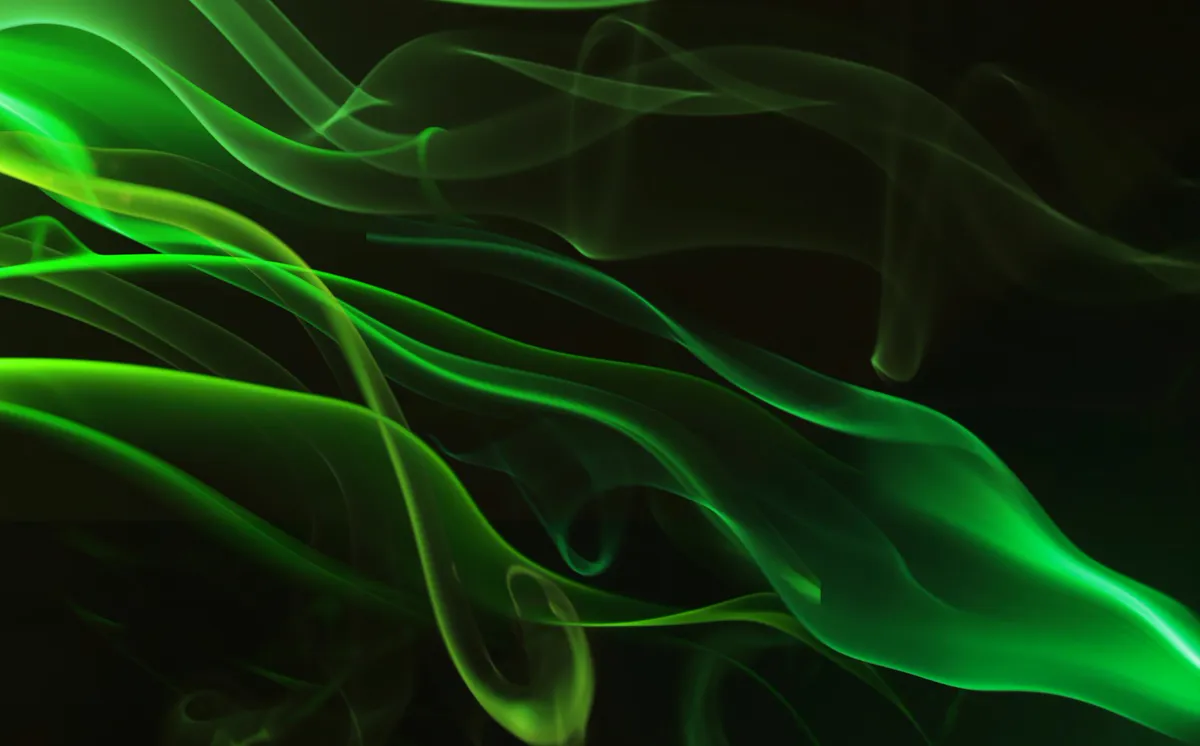
The use of lime green and emerald in abstract vectors often triggers a physiological response in the viewer, creating a feeling of alertness. This is why you frequently see these palettes in the gaming industry or in electronic music branding. The contrast between the organic fluidity of the shapes and the artificial intensity of the color creates a visual tension that is hallmark to the psychedelic experience. To achieve a professional look, designers often employ analogous color schemes, blending various shades of green and yellow to create a sense of luminous depth.
Best Use Cases for Surreal Vector Art
Because of their striking nature, psychedelic green abstracts are not suitable for every project, but when used correctly, they provide an unmistakable identity. One of the most prominent applications is in album artwork and event posters for music festivals, where the visual energy must match the auditory experience. The swirling, non-linear nature of these vectors mirrors the flow of sound and rhythm.
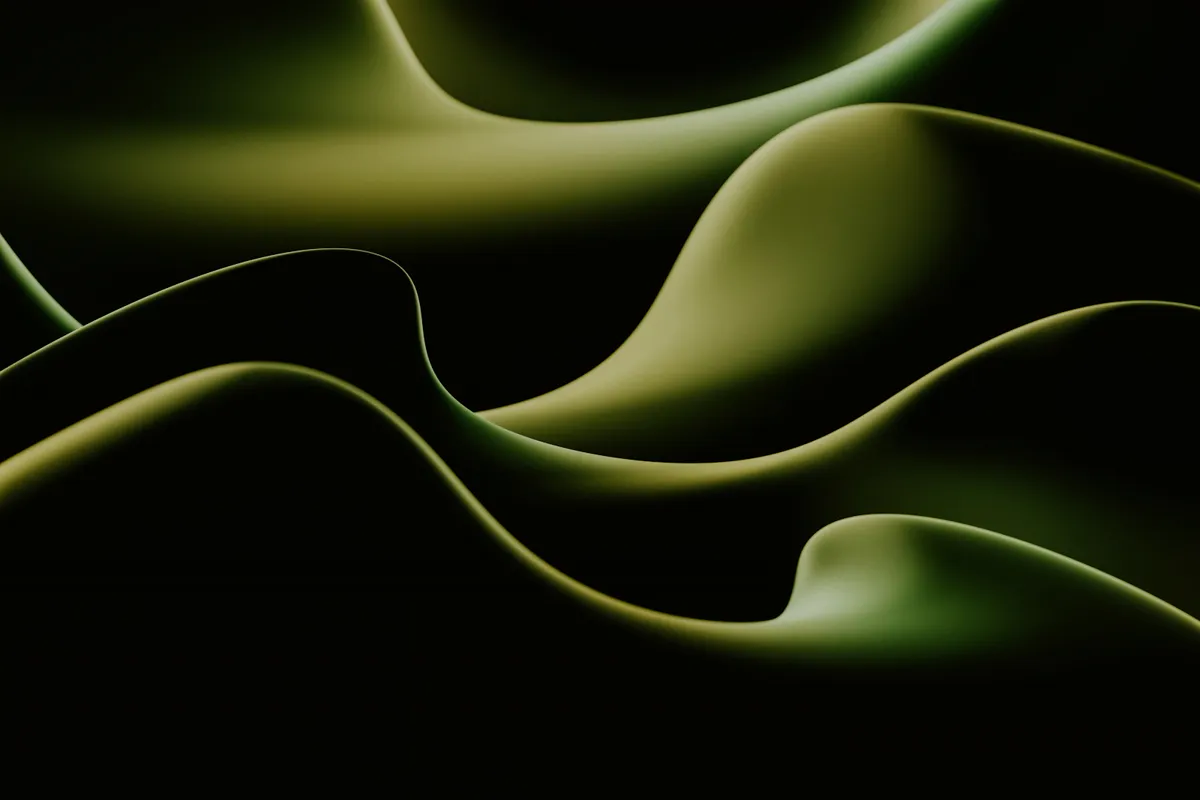
Beyond the arts, these visuals are finding their way into modern branding and streetwear. Brands aiming for a ‘disruptive’ or ‘avant-garde’ image use these vectors as background elements to signal innovation and a willingness to break traditional rules. Additionally, in the realm of UI/UX design, subtle psychedelic gradients can be used as ‘hero’ section accents to make a landing page feel more dynamic and less corporate. The key is balance; using these intense vectors as accents rather than the primary focus prevents the user from feeling overwhelmed.
Technical Guide: Creating Trippy Visuals
Creating a high-quality psychedelic green abstract vector requires a combination of artistic intuition and technical mastery of software like Adobe Illustrator or Affinity Designer. The process typically begins with the Pen Tool or Curvature Tool to create the primary organic flows. To achieve that signature ‘melting’ look, designers often utilize the Blend Tool, which creates a series of intermediate shapes between two distinct paths, resulting in a smooth, liquid transition.
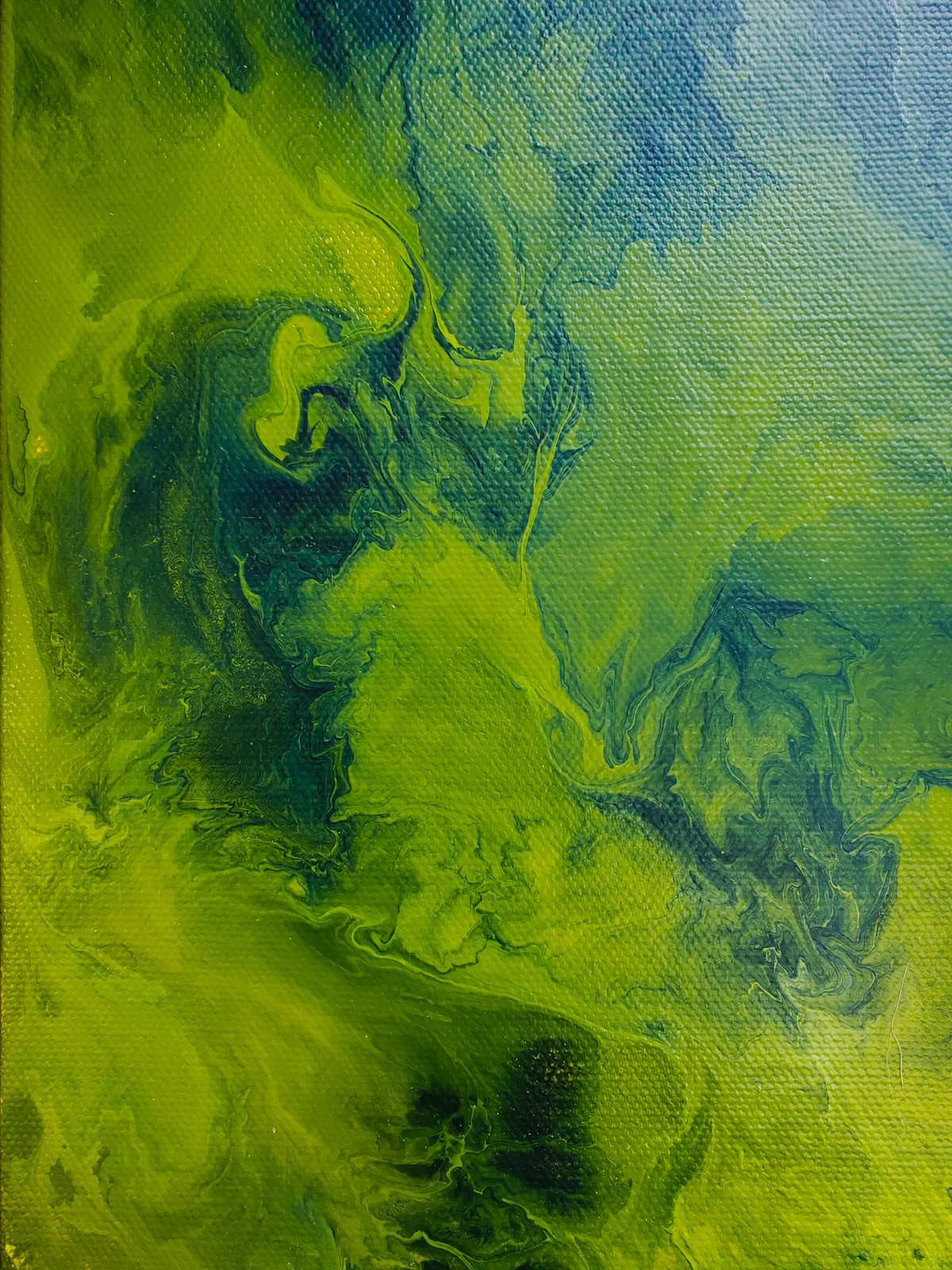
Another essential technique is the application of Gradient Meshes. This allows for the placement of multiple color points within a single shape, enabling the designer to create 3D-like spheres or flowing ribbons of light. To add an extra layer of complexity, applying Gaussian blurs or distortion filters can break the rigidity of the vector lines, making them feel more ethereal. For those integrating AI into their workflow, using generative prompts to create the base concept and then tracing those results into vectors ensures both creativity and scalability.
Optimizing Vectors for Web and Print
While vectors are inherently scalable, the way they are exported can significantly impact performance. For web use, the SVG (Scalable Vector Graphics) format is the gold standard. SVGs are XML-based, meaning they can be compressed and even manipulated via CSS or JavaScript, allowing for animated psychedelic backgrounds that react to user scrolling.
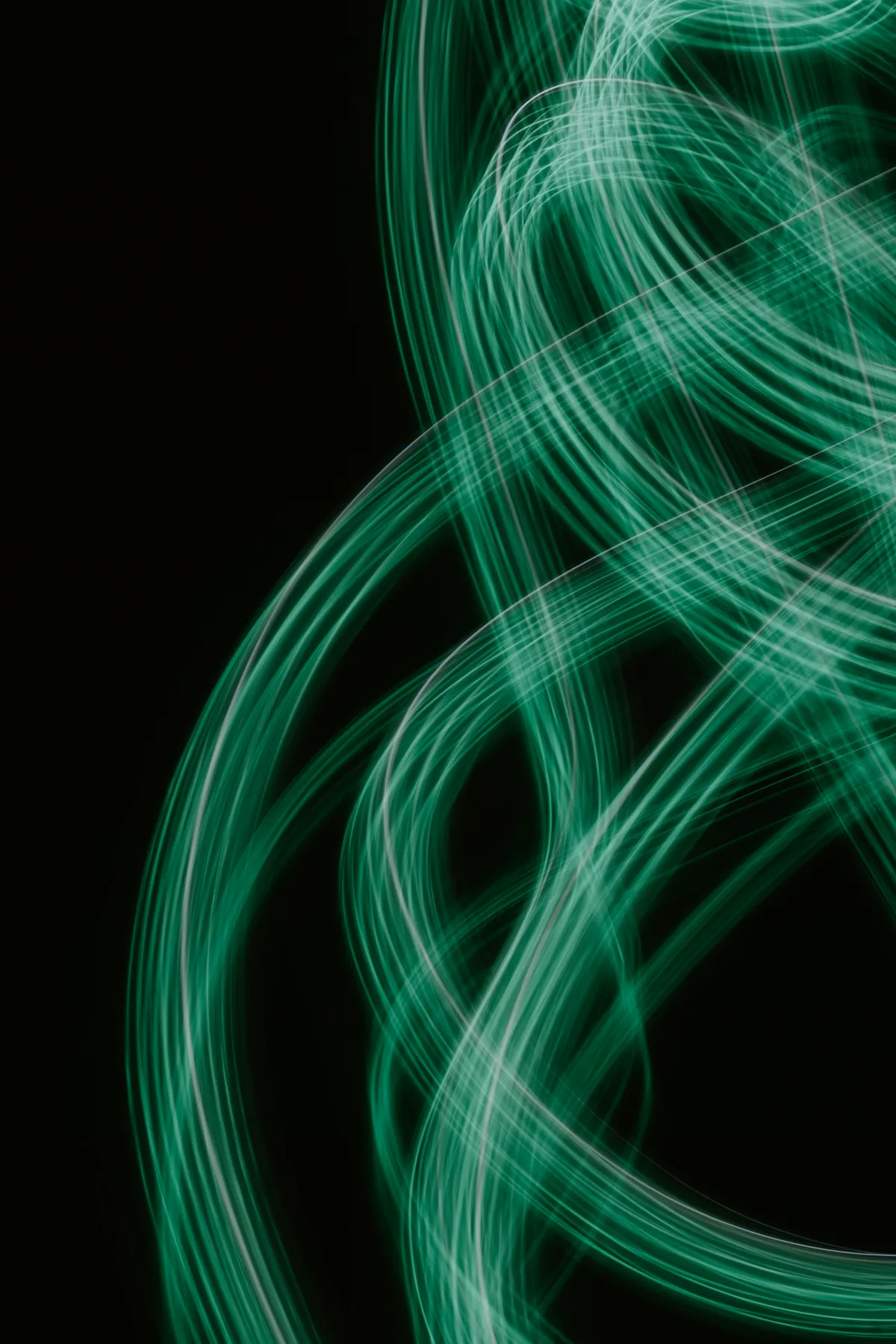
For print, such as large-scale posters or apparel, converting the file to CMYK color mode is critical. Neon greens are notoriously difficult to replicate in print because they often fall outside the standard CMYK gamut. To solve this, designers may specify Pantone (PMS) spot colors to ensure that the electric glow of the green is maintained on the physical medium. Additionally, simplifying the number of anchor points can reduce file size and prevent rendering lags in professional printing software.
Conclusion
The appeal of psychedelic green abstract vectors lies in their ability to merge the mathematical precision of digital art with the wild, unpredictable nature of human imagination. By understanding the psychological impact of neon hues and mastering the technical tools of vectorization, designers can create visuals that are not only aesthetically pleasing but also emotionally resonant. Whether it is for a bold brand identity or a surreal piece of digital art, these vectors offer a timeless yet futuristic way to capture the viewer’s gaze and transport them to another dimension.
Frequently Asked Questions
What makes a vector specifically ‘psychedelic’?
A vector is considered psychedelic when it employs fluid, organic shapes, distorted proportions, and high-contrast, vibrant color palettes. It avoids straight lines and rigid grids in favor of swirling, ‘melting’ patterns that evoke a sense of surrealism or altered perception.
Why is green often used in abstract surrealist art?
Green provides a unique bridge between nature and technology. Neon greens, in particular, evoke a ‘cyber’ or ‘alien’ feeling, making them perfect for art that aims to look otherworldly while still feeling connected to organic forms.
Are SVG files better than PNGs for psychedelic patterns?
Yes, SVGs are far superior for abstract patterns because they are resolution-independent. This means you can scale a psychedelic swirl from a business card to a billboard without any pixelation, whereas a PNG would become blurry.
How can I stop a psychedelic design from looking too cluttered?
The secret is whitespace (or ‘negative space’). By balancing a complex, vibrant green abstract center with a neutral background or clean margins, you give the viewer’s eye a place to rest, which actually makes the psychedelic elements stand out more.
Which software is best for creating professional abstract vectors?
Adobe Illustrator is the industry standard due to its advanced Blend and Mesh tools. However, Affinity Designer and Inkscape are excellent alternatives for those seeking powerful vector capabilities with different pricing models.
Related posts:
Pieces in abstract-design talk to each other across pages — follow the thread with Abstract Dark Navy Pattern: Design Psychology and Creative Uses.
Save the pieces you love and share the collection with your circle.
