
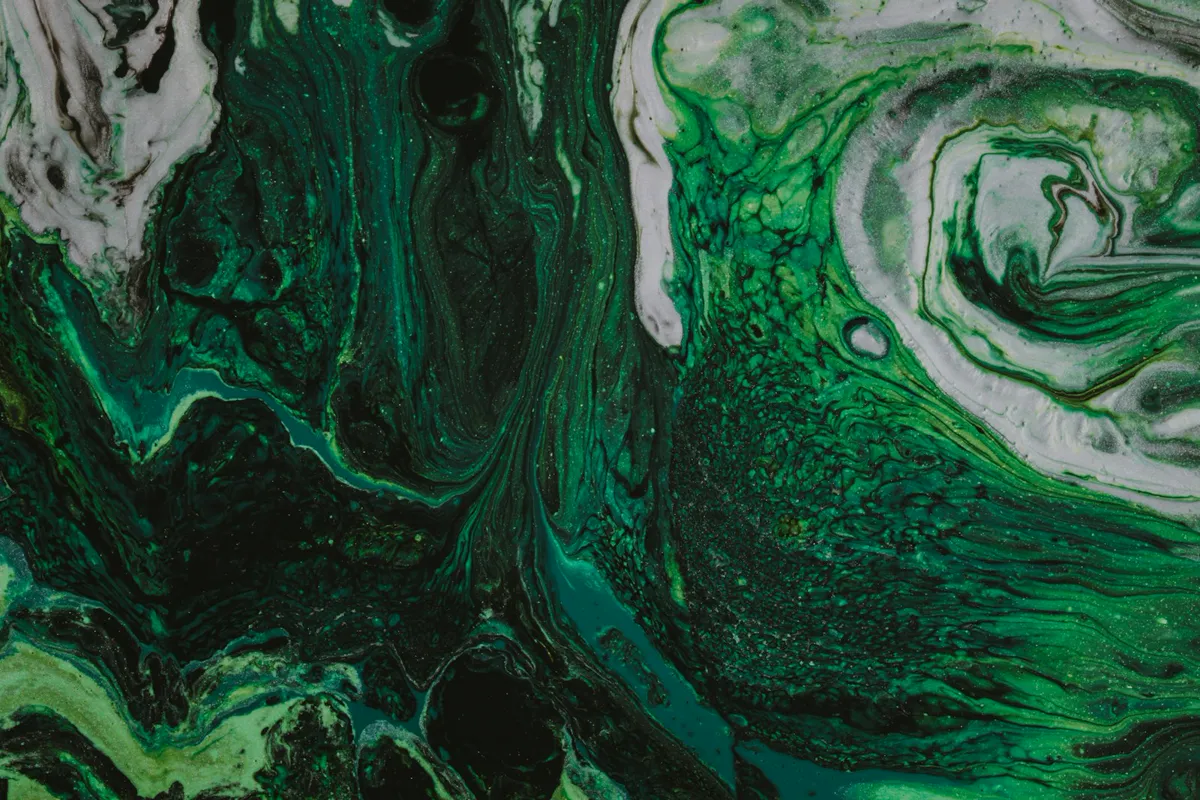
Integrating a splatter green abstract canvas into your interior design is more than just a choice of decoration; it is a statement of energy, nature, and avant-garde expression. The organic chaos of splatter art, combined with the psychological depth of the color green, creates a visual experience that can either energize a sterile room or bring a sense of grounding tranquility to a hectic environment. Whether you are a seasoned art collector or a homeowner looking to breathe new life into a blank wall, understanding the nuances of abstract expressionism and color theory is essential to making the most of this dynamic art form.
- The Psychology of Green in Abstract Art
- Techniques Behind the Splatter Effect
- Styling Your Green Abstract Canvas in Different Rooms
- Choosing the Right Shade of Green for Your Mood
- Creating Your Own Splatter Canvas: A DIY Approach
- Preserving and Maintaining Abstract Canvas Art
- Conclusion
The Psychology of Green in Abstract Canvas Art
Color is a powerful tool in visual communication. In the realm of abstract art, green is uniquely positioned as the bridge between the warmth of yellow and the coolness of blue. When applied through a splatter technique, the color ceases to be a static block and instead becomes a series of dynamic impulses. This movement mimics the unpredictability of nature—think of wind-blown leaves, moss growing on stone, or the sudden burst of a spring blossom.
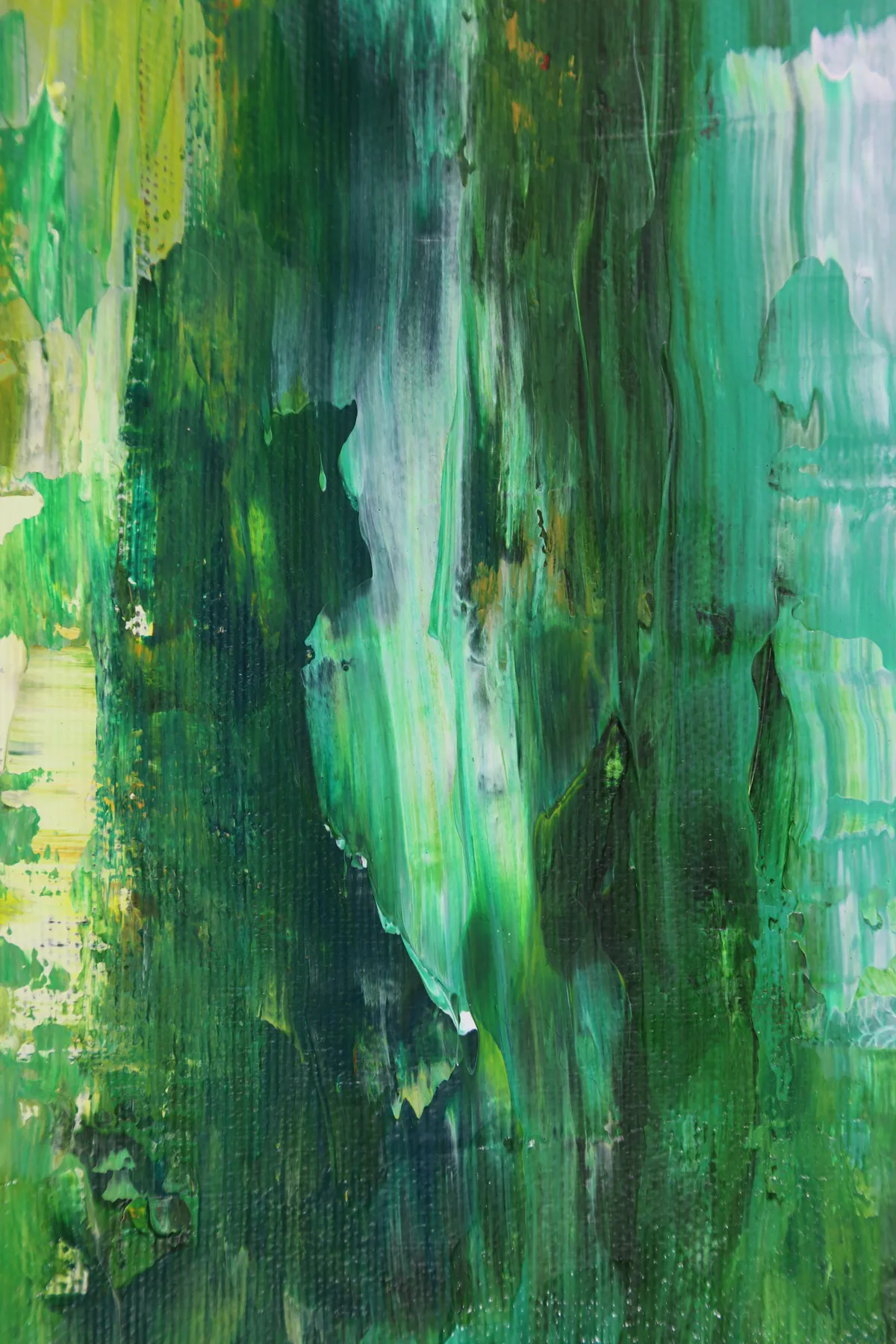
From a psychological perspective, green is associated with growth, renewal, and harmony. A forest green splatter piece can evoke a sense of stability and luxury, while a lime or neon green composition injects a surge of adrenaline and creativity into a space. Because abstract art lacks a concrete subject, the viewer is invited to project their own emotions onto the canvas, making the green hues act as a catalyst for introspection or revitalization. This emotional resonance is what makes a green abstract canvas a timeless choice for contemporary homes.
Techniques Behind the Splatter Effect
The splatter technique, often associated with the action painting movement of the mid-20th century, is all about the physical gesture of the artist. Unlike traditional brushwork, which focuses on precision, splatter art emphasizes spontaneity and fluidity. To achieve a professional-looking splatter green abstract canvas, artists often employ a variety of tools and methods that create depth and layers.
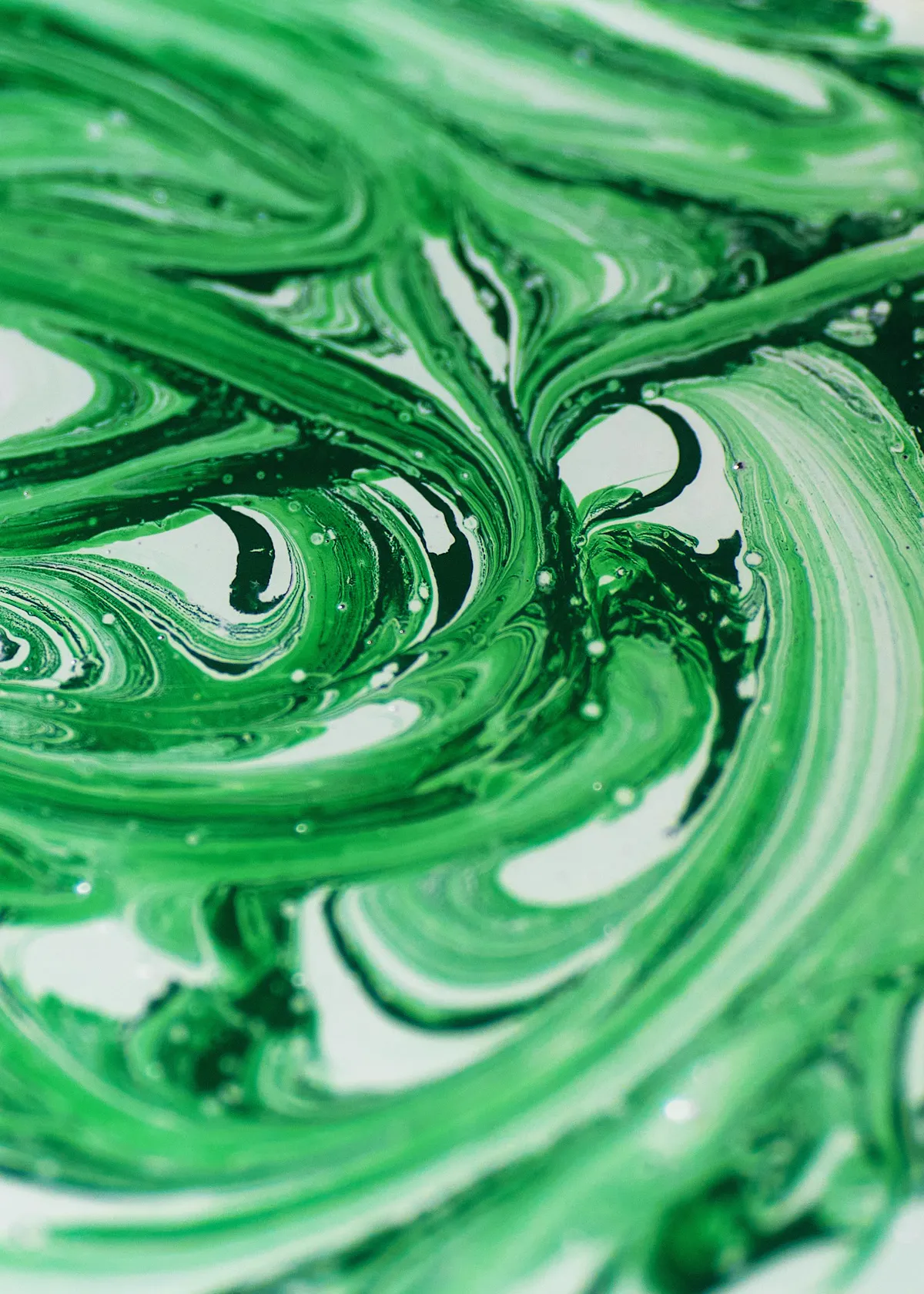
One common method is the ‘flick’ technique, where a brush heavily loaded with acrylic or oil paint is snapped toward the canvas, creating fine, erratic lines. Another approach involves dripping paint from a stick or a palette knife, allowing gravity to dictate the flow and create vertical rhythms. Many contemporary artists also use spray bottles or compressed air to create a mist-like effect, providing a soft background against which the bolder splatters can pop. By layering different shades of green—ranging from deep emerald to pale mint—the artist creates a three-dimensional quality that draws the eye deeper into the work.
If you are looking for more ways to enhance your surroundings, exploring homedecor trends can provide inspiration. Additionally, understanding modernart principles helps in appreciating the balance between chaos and composition. For those interested in the broader architectural context, studying interiordesign allows you to place your art where it will have the most impact.
The Role of Negative Space
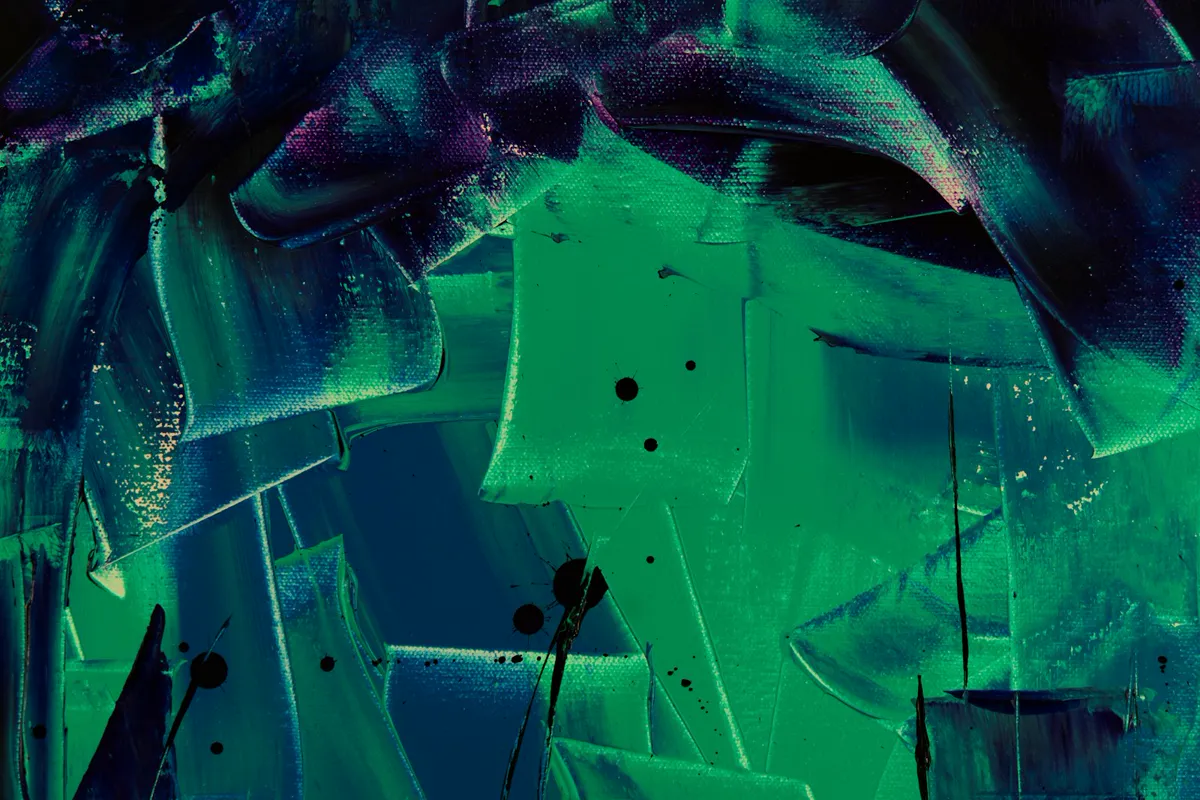
In a high-energy piece like a splatter canvas, negative space (the empty areas of the canvas) is just as important as the paint itself. Without a place for the eye to rest, a green splatter painting can become overwhelming. Professional artists use white, grey, or black backgrounds to create contrast, ensuring that the chromatic intensity of the green is highlighted rather than muted.
Styling Your Green Abstract Canvas in Different Rooms
The versatility of a splatter green abstract canvas allows it to fit into various architectural settings, provided you consider the existing color palette and the intended function of the room.
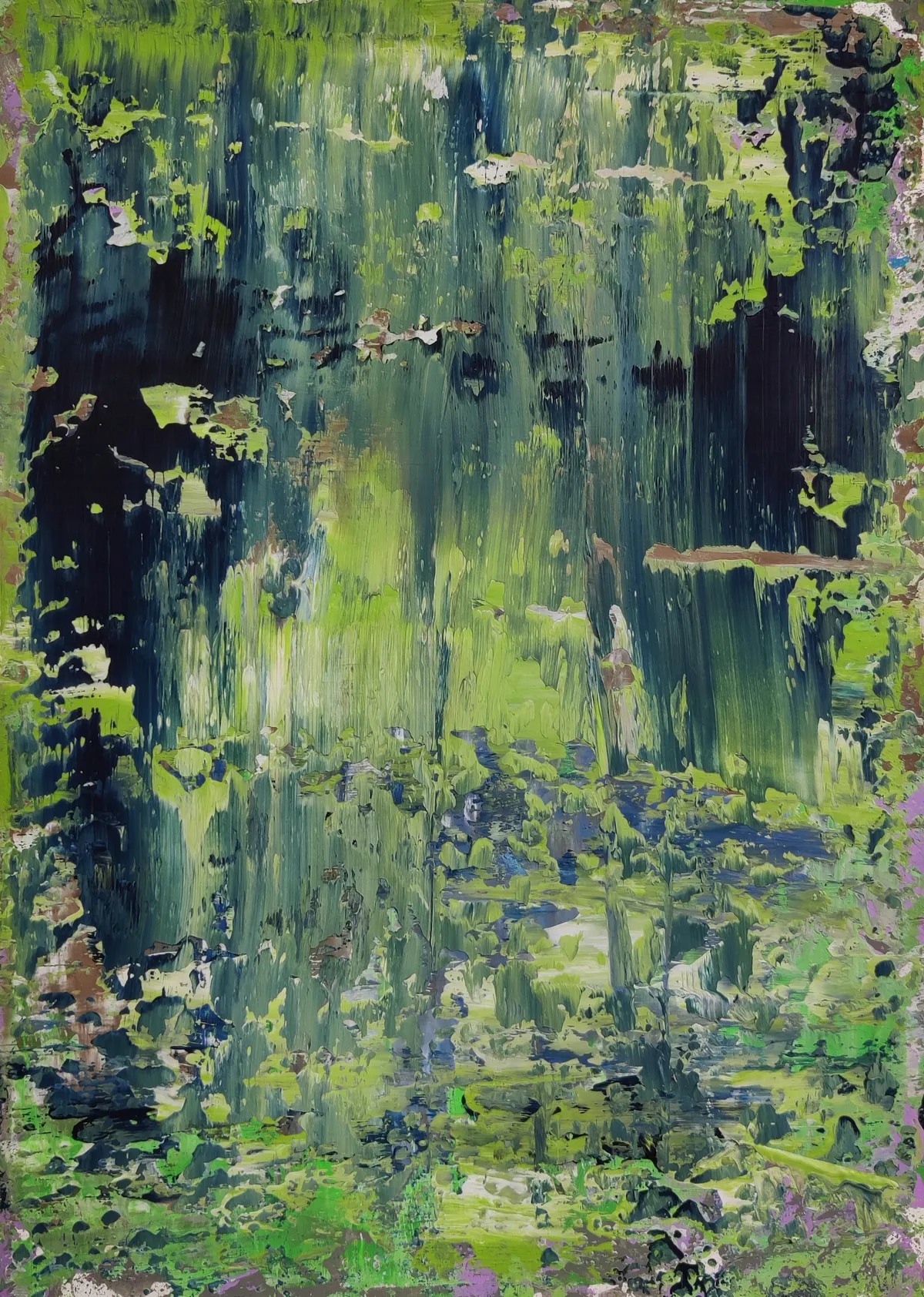
The Living Room: A Focal Point
In the living room, a large-scale green abstract piece often serves as the visual anchor of the space. To make the art pop, place it on a neutral wall—such as off-white, charcoal, or light beige. If your furniture features earthy tones like brown leather or grey fabric, the green splatters will introduce a refreshing organic element that breaks the monotony. Consider using accent lighting, such as a picture light or a recessed spotlight, to emphasize the texture of the paint layers.
The Bedroom: Serenity and Balance
For the bedroom, the goal is usually relaxation. Opt for a canvas featuring sage or olive green splatters. These muted tones promote a sense of calm and connection to the earth. Pairing a green abstract canvas with linen textiles and wooden furniture creates a biophilic design atmosphere, which has been proven to reduce stress and improve sleep quality. Position the art above the headboard to create a sophisticated, curated look.
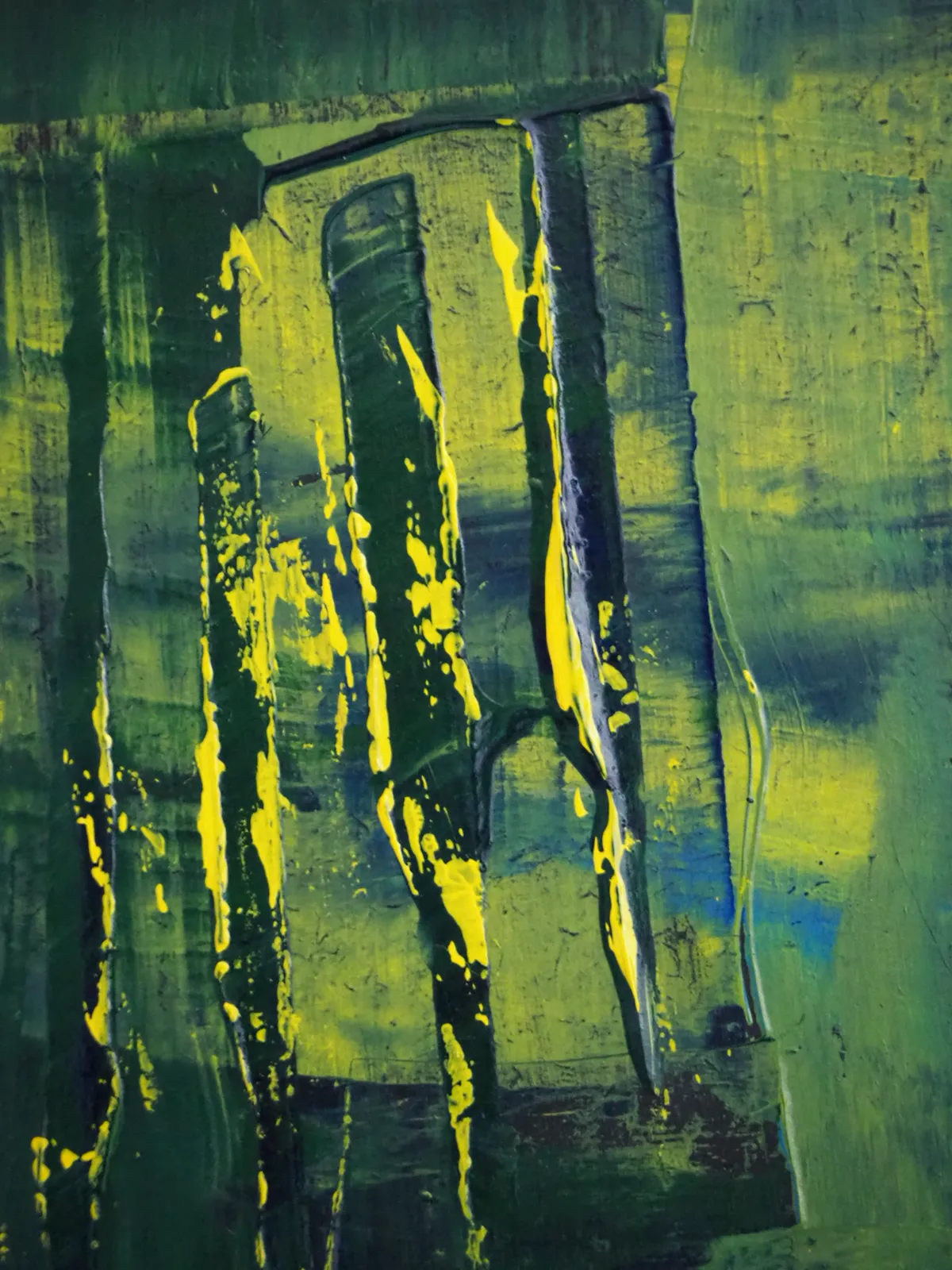
The Home Office: Boosting Productivity
Green is known to improve concentration and reduce eye strain. A vibrant emerald or lime splatter canvas in a workspace can stimulate creativity and mental agility. The energetic nature of the splatter technique prevents the room from feeling too rigid or corporate, encouraging a ‘flow state’ during work hours. Pair the art with indoor plants to create a cohesive botanical theme.
Choosing the Right Shade of Green for Your Mood
Not all greens are created equal. When selecting a splatter canvas, the specific hue will dictate the ‘vibe’ of your room. Here is a breakdown of the most common shades used in abstract green art:
- Emerald Green: Represents luxury, sophistication, and depth. Best for formal dining rooms or executive offices.
- Sage Green: Represents peace, wisdom, and organic simplicity. Ideal for bathrooms, bedrooms, or reading nooks.
- Lime Green: Represents energy, youth, and innovation. Great for game rooms, kitchens, or modern studios.
- Forest Green: Represents stability, tradition, and nature. Works well in libraries or cozy dens with dark wood accents.
- Mint Green: Represents freshness and clarity. Perfect for bright, airy spaces with plenty of natural light.
Creating Your Own Splatter Canvas: A DIY Approach
If you have a creative spark, making your own splatter green abstract canvas is a rewarding project that allows you to personalize your space perfectly. You don’t need to be a trained artist to create something visually compelling; you only need the right materials and a willingness to embrace the mess.
Materials Needed: A pre-stretched canvas, high-quality acrylic paints in three different shades of green, a large paintbrush, a cup of water, a drop-cloth, and a sealant spray.
Step-by-Step Process:
- Prepare Your Space: Lay down a drop-cloth. Splatter art is inherently messy, and acrylic paint is difficult to remove once dry.
- Base Layer: Start with your lightest shade of green or a neutral base. Apply it loosely to create a foundation.
- The First Splatter: Dip your brush into the medium-toned green. Using a flicking motion of the wrist, scatter the paint across the canvas. Avoid centering everything; let the paint bleed off the edges for a modern, expansive feel.
- Adding Depth: Use your darkest green (like forest or deep emerald) to add concentrated bursts of color. This creates visual weight and contrast.
- Detailing: Use a toothbrush or a small brush to add fine, misty splatters of white or gold to give the piece a professional, finished look.
- Sealing: Once completely dry, apply a clear acrylic matte or glossy sealant to protect the paint from dust and UV rays.
Preserving and Maintaining Abstract Canvas Art
Because splatter art often has a raised texture due to the thickness of the paint drips, it can accumulate dust more easily than flat paintings. To maintain the vibrancy of your green canvas, avoid placing it in direct sunlight, as UV rays can cause the green pigments to fade over time. If you must hang it near a window, consider UV-protective glass or a specialized varnish.
For cleaning, never use chemical sprays or wet cloths, which can smear the paint or damage the canvas fibers. Instead, use a soft-bristled duster or a can of compressed air to gently remove particles from the textured areas. This ensures the chromatic brilliance of the artwork remains intact for years to come.
Conclusion
A splatter green abstract canvas is more than just a piece of decor; it is an intersection of nature’s palette and human emotion. By understanding the psychology of green and the energy of the splatter technique, you can transform a room from a simple living space into a curated sanctuary of expression. Whether you purchase a professional piece or venture into DIY creation, the result is a dynamic addition to your home that celebrates the beauty of imperfection and the power of color.
Frequently Asked Questions
How do I choose the right size canvas for my wall?
As a general rule of thumb, the artwork should take up approximately 60% to 75% of the available wall space. If you are hanging it above a sofa or bed, ensure the canvas is about two-thirds the width of the furniture to maintain visual balance.
What colors pair best with green splatter art?
Green is highly versatile. For a high-contrast look, pair it with complementary colors like terracotta, burnt orange, or soft pinks. For a more harmonious and calming feel, stick to monochromatic greens, creams, whites, and natural wood tones.
How do I clean a textured abstract canvas without damaging it?
Avoid all liquids. The best method is to use a clean, dry, soft-bristled paintbrush or a microfiber duster to gently lift dust from the ridges of the paint. If the piece is under glass, clean the glass with standard cleaners, being careful not to spray the frame.
Does green abstract art actually affect the mood of a room?
Yes, according to color psychology, green is associated with the ‘restorative’ effect of nature. Abstract green art can lower heart rates and reduce anxiety, making it an excellent choice for high-stress environments like home offices or medical waiting rooms.
What is the difference between drip painting and splatter art?
While often used interchangeably, drip painting involves allowing paint to flow steadily from a tool, creating long, continuous lines. Splatter art involves a more forceful, sudden action (flicking or throwing), resulting in smaller, erratic droplets and a more ‘explosive’ visual energy.
Related posts:

Drawn to these shapes and colours? Abstract Fantasy Yellow Texture: Enhancing Digital Artistry explores a nearby corner of the same abstract world.
Bookmark this set for the next time your screen needs a new mood.
