
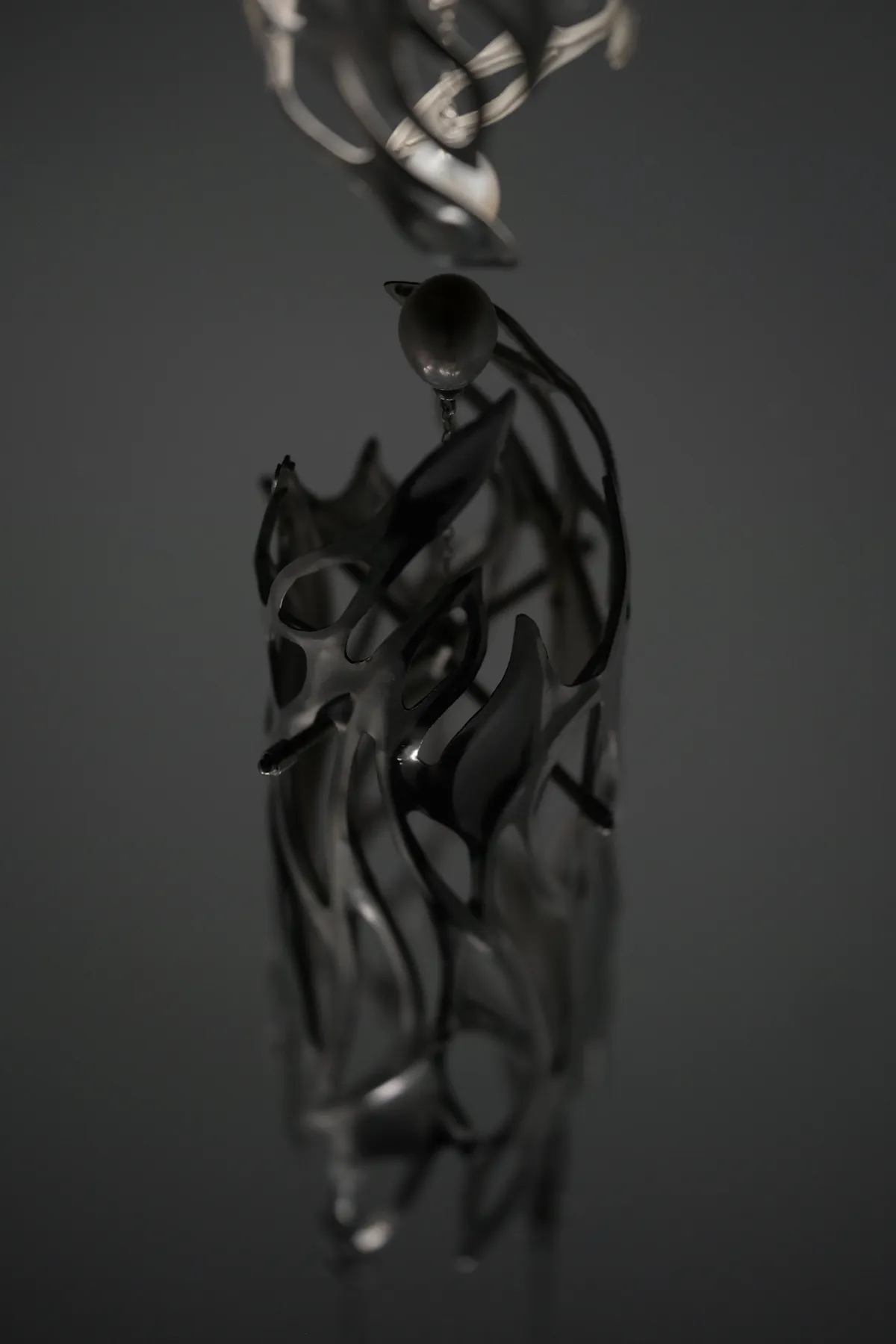
There is a profound paradox in the creation of abstract smoke bronze art. It is the act of capturing the most ephemeral substance in nature—smoke—and rendering it in one of the most enduring and heavy materials known to man: bronze. This artistic juxtaposition creates a tension between weight and weightlessness, permanency and transience. For the observer, these sculptures offer a meditative experience, freezing a chaotic, swirling moment in time into a tactile, metallic form that can last for millennia.
- The Intersection of Metal and Motion
- The Alchemy of Material: Why Bronze?
- Technical Mastery: Bringing Smoke to Life
- The Psychological Impact of Fluid Forms
- Integrating Abstract Bronze Art into Modern Spaces
- Conclusion
- Frequently Asked Questions
The Intersection of Metal and Motion
At its core, this style of art is an exploration of fluid dynamics. Smoke is governed by the laws of thermodynamics and airflow, creating unpredictable, organic curves and spirals. When an artist translates these movements into a three-dimensional sculpture, they are essentially performing a ‘temporal freeze.’ The goal is not merely to mimic the look of smoke, but to capture the kinetic energy inherent in a plume of vapor.
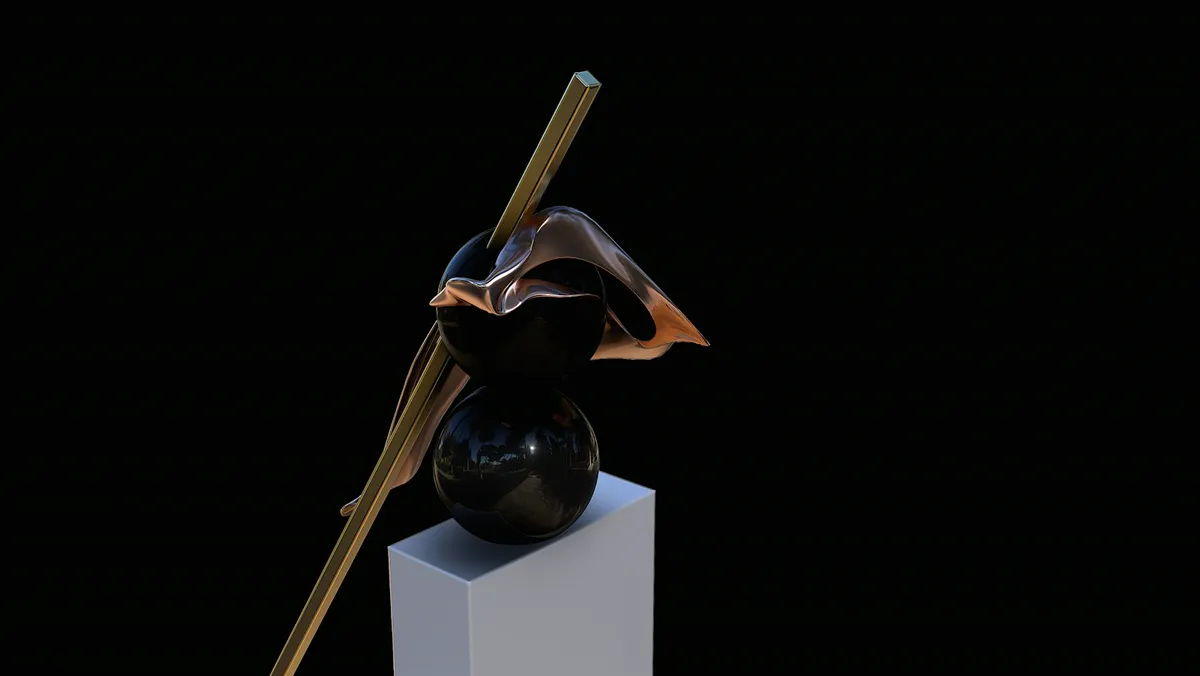
By studying the way air currents shape smoke, sculptors can create pieces that lead the eye in a continuous, rhythmic loop. This movement is essential for sculpture that feels alive. Unlike geometric abstraction, which relies on rigid lines and mathematical precision, fluid bronze art embraces the serendipity of nature. It challenges the viewer’s perception of the medium, making the heavy bronze appear as if it might drift away with a sudden breeze.
The Alchemy of Material: Why Bronze?
While other materials like glass or resin could simulate the translucency of smoke, bronze provides a structural and historical weight that elevates the work. Bronze is an alloy primarily consisting of copper and tin, prized for its strength and its ability to expand slightly into the finest details of a mold during the casting process. This precision is critical when recreating the thin, wispy tendrils characteristic of smoke.
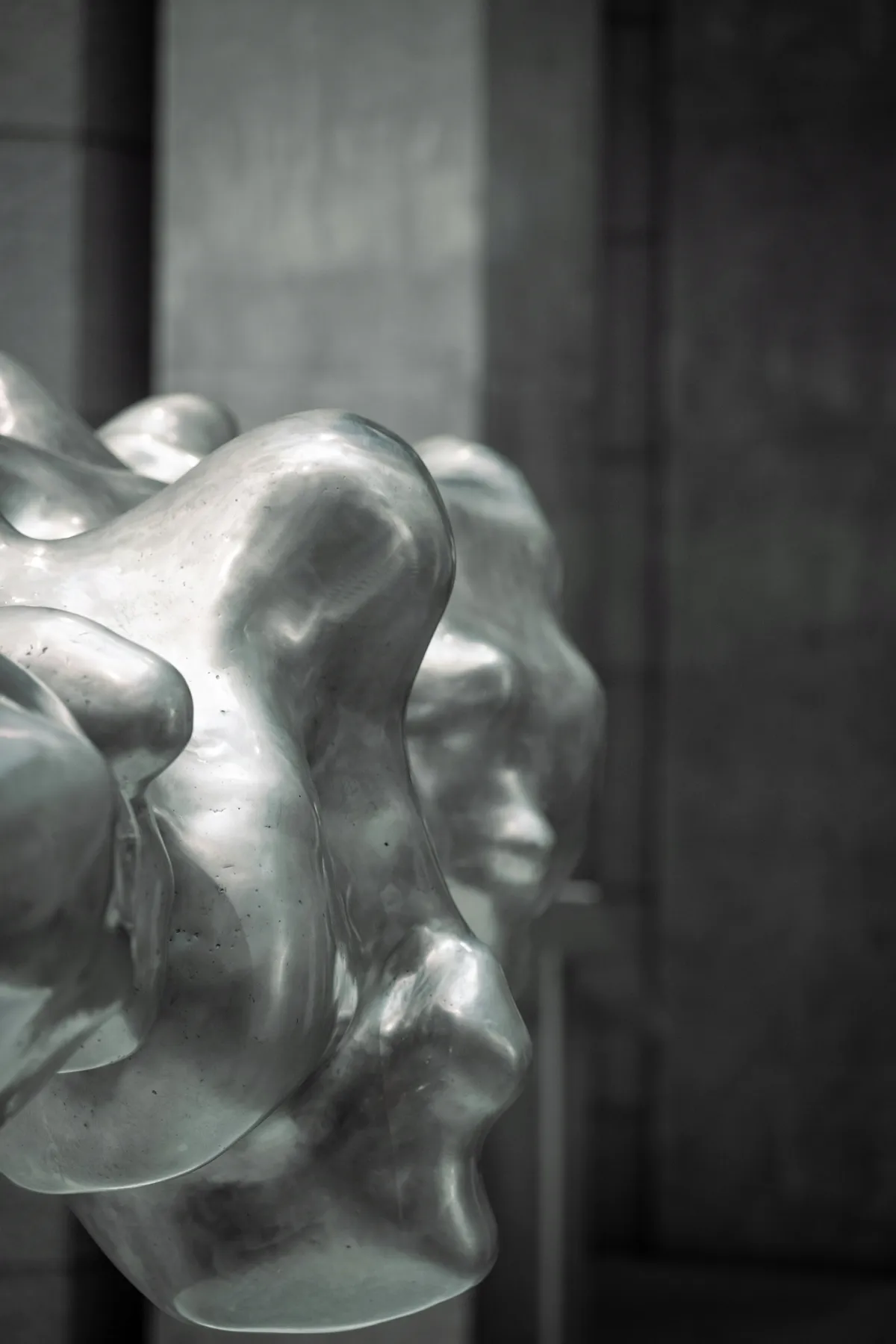
Beyond its structural properties, the color palette of bronze is unmatched. Through a process called patination, artists can manipulate the surface of the metal using chemicals and heat. A deep charcoal patina can make a piece look like thick, industrial smoke, while a polished gold-bronze finish can transform the sculpture into something celestial or ethereal. The interaction between light and these metallic surfaces creates highlights and shadows that mimic the depth and volume of actual smoke clouds.
Technical Mastery: Bringing Smoke to Life
Creating volumetric forms that look like smoke requires a sophisticated blend of traditional craftsmanship and modern technology. The process usually begins with a conceptual sketch or a digital 3D model. Many contemporary artists use generative design software to simulate actual fluid motion, creating a blueprint that would be nearly impossible to conceive by hand.
The Lost-Wax Casting Process
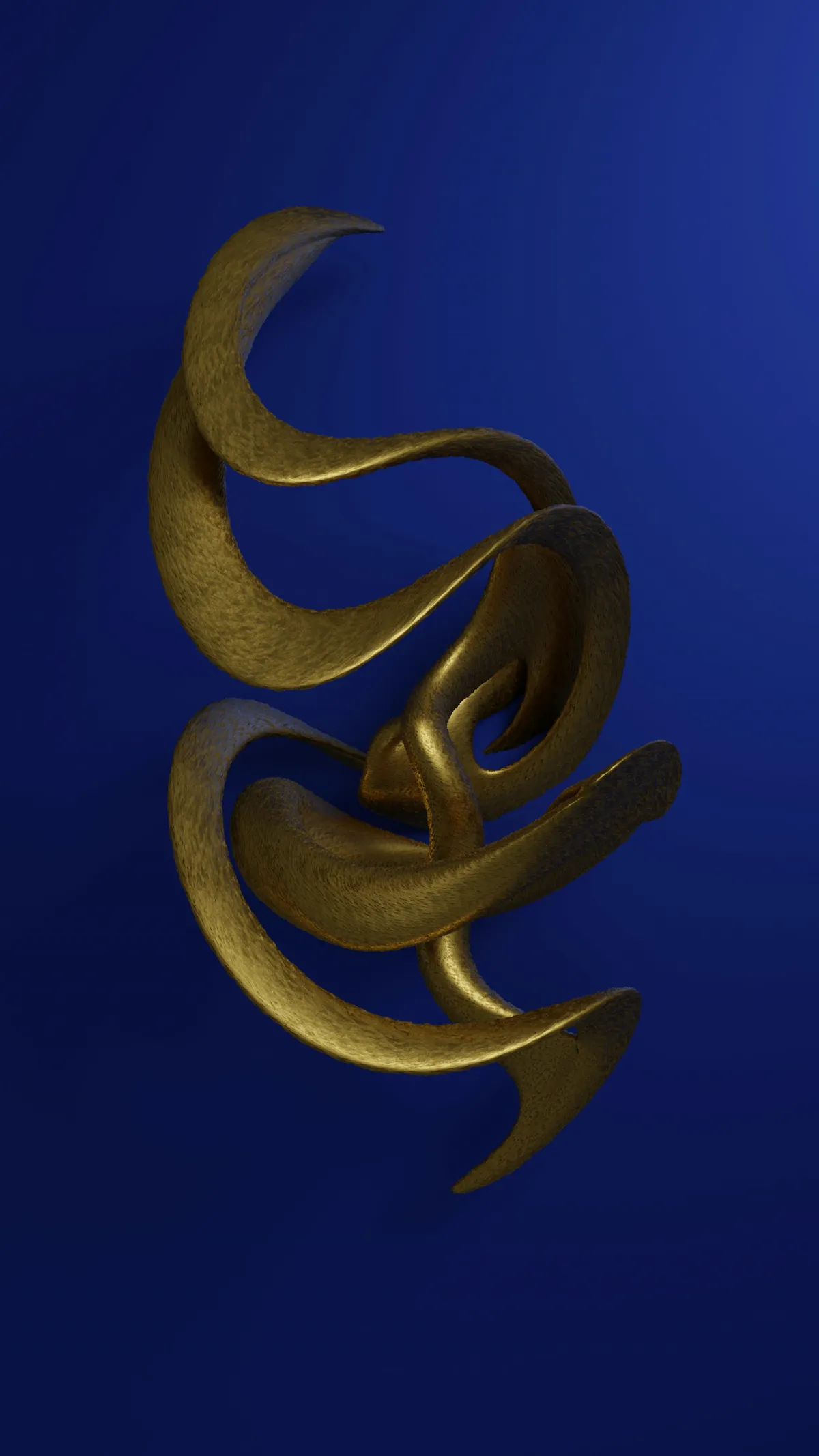
The most common method for producing these works is lost-wax casting (cire perdue). The artist first creates a wax version of the smoke form. Because wax is pliable, it allows for the creation of the sweeping, organic curves necessary for this style. This wax model is then encased in a ceramic shell. Once the shell is fired, the wax melts away, leaving a void that is filled with molten bronze at temperatures exceeding 2,000 degrees Fahrenheit.
Hand-Finishing and Refinement
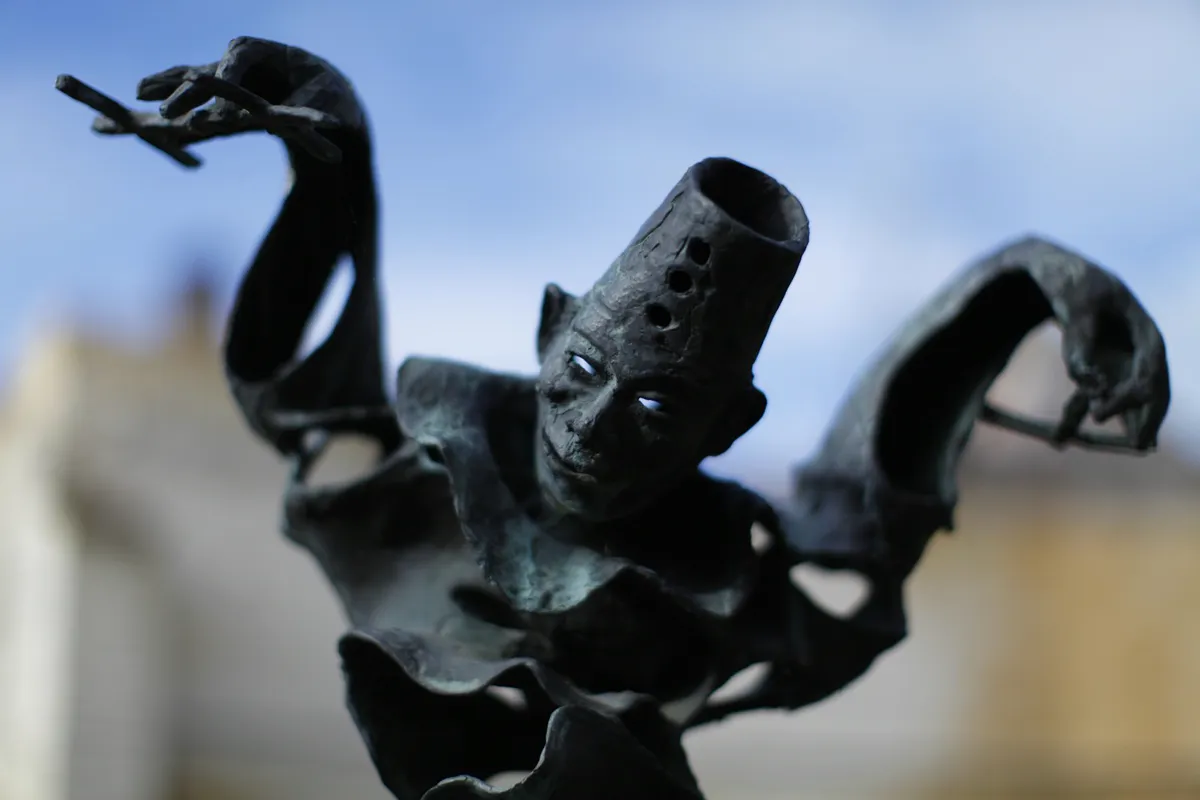
Once the bronze has cooled and the ceramic shell is broken away, the sculpture undergoes chasing. This is the meticulous process of filing, sanding, and polishing the metal to remove imperfections and sharpen the fluid lines. The final touch is the application of the patina, which defines the mood of the piece. Whether the artist chooses a matte finish to absorb light or a high-gloss polish to reflect the surrounding environment, the finish is what breathes ‘life’ into the metal.
The Psychological Impact of Fluid Forms
There is a reason why fluid, organic shapes are often found in luxury environments and healing spaces. Biomorphic abstraction—art that resembles biological or natural forms—tends to lower stress levels and induce a state of calm. The swirling patterns of smoke bronze art trigger a sense of curiosity and wonder, inviting the viewer to follow the curves with their eyes in a way that mimics a meditative state.
Furthermore, the contrast between the perceived lightness of the form and the actual weight of the metal creates a subconscious intellectual tension. It reminds the viewer of the duality of existence: the fleeting nature of a moment (the smoke) and the permanence of memory or art (the bronze). This depth makes such pieces not just decorative, but philosophically resonant.
Integrating Abstract Bronze Art into Modern Spaces
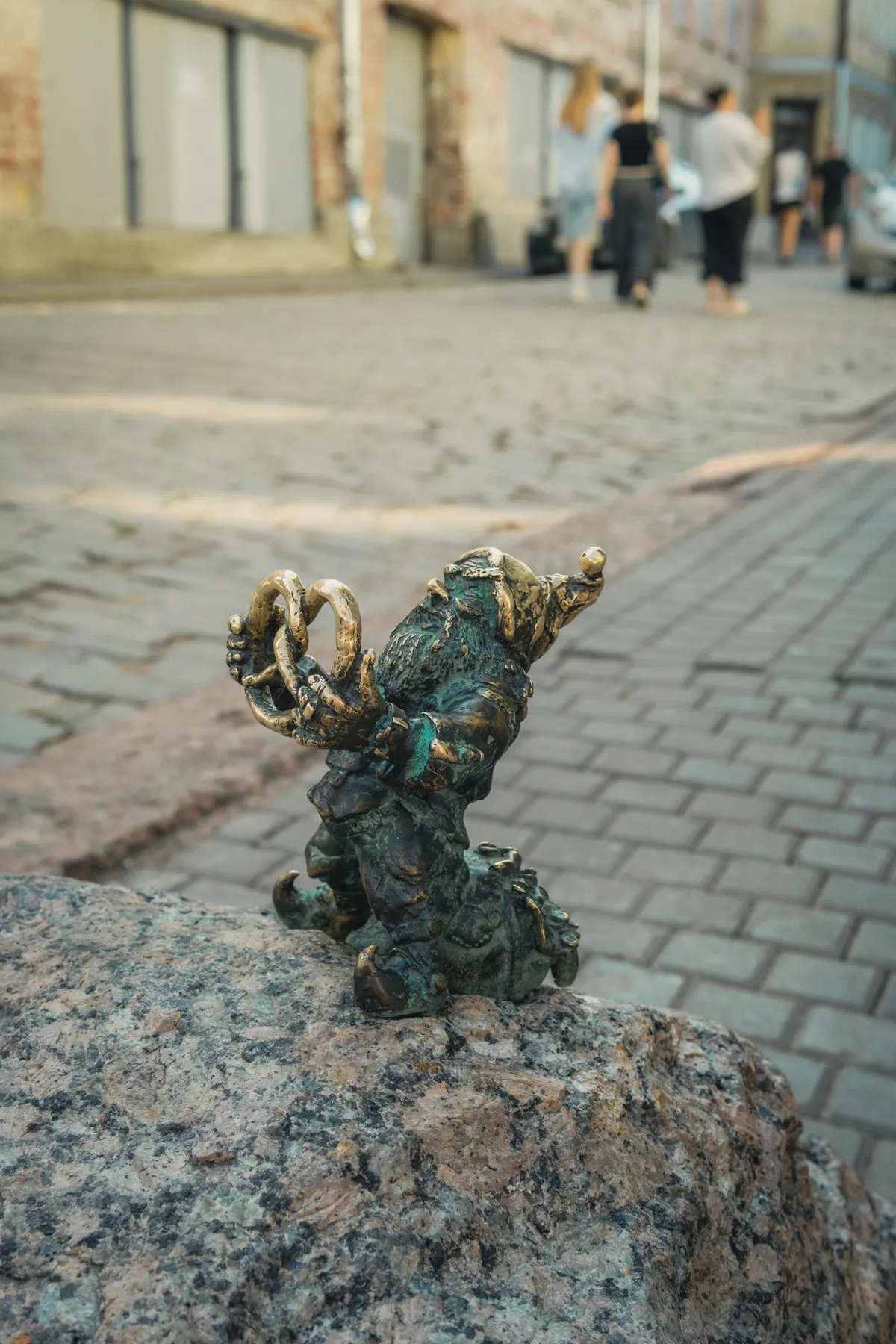
Due to their striking presence, fluid bronze sculptures act as visual anchors in a room. To maximize their impact, consideration must be given to lighting and placement. Because the art relies on the play of light across curved surfaces, directional lighting—such as spotlights or strategically placed floor lamps—can accentuate the depth of the ‘smoke’ and create dramatic shadows on the walls.
- Minimalist Interiors: In a white-walled, minimalist space, a dark-patina bronze sculpture provides a sophisticated point of contrast, preventing the room from feeling too sterile.
- Industrial Lofts: The raw, metallic nature of bronze complements exposed brick and steel beams, while the organic shapes soften the harsh lines of industrial architecture.
- Corporate Settings: Placing a large-scale fluid sculpture in a lobby conveys a sense of innovation, fluidity, and timelessness, reflecting a company’s ability to adapt and grow.
When placing these pieces, it is often best to allow them ‘breathing room.’ Avoid crowding the sculpture with other ornaments. The beauty of abstract smoke art lies in its silhouette; by giving it space, you allow the viewer to appreciate the negative space—the air around the sculpture—which is just as important as the metal itself.
Conclusion
Abstract smoke bronze art is more than just a display of technical skill; it is a poetic exploration of the elements. By capturing the essence of something as fleeting as smoke in a medium as permanent as bronze, artists create a bridge between the temporary and the eternal. Whether viewed as a study in fluid dynamics or a piece of luxury decor, these sculptures challenge our perceptions of weight, motion, and materiality, proving that even the heaviest metals can be made to dance.
Frequently Asked Questions
How do artists create the ‘floating’ look in bronze smoke sculptures?
The ‘floating’ effect is achieved through clever engineering and the use of hidden support structures. Artists often design the piece so that the center of gravity is perfectly balanced over a narrow base, or they use high-strength bronze alloys that allow for thin, cantilevered sections that can support their own weight without visible bracing.
How should I clean and maintain a bronze sculpture to prevent unwanted corrosion?
To maintain the original patina, avoid using harsh chemicals or abrasive cleaners. A soft, lint-free cloth used for light dusting is usually sufficient. For long-term preservation, a professional grade microcrystalline wax can be applied periodically to seal the surface from moisture and oils from fingerprints, which can cause localized corrosion.
What is the difference between a natural patina and a chemical patina in bronze art?
A natural patina develops over decades as the bronze reacts with oxygen and moisture in the air, often turning a characteristic green (verdigris). A chemical patina is applied by the artist using acids or salts and heat to achieve a specific color—such as deep brown, black, or blue—almost instantly. Chemical patinas are then sealed to prevent further uncontrolled oxidation.
Does the value of abstract bronze art depend on the weight of the metal?
While the raw material cost is based on weight, the artistic value is driven by the complexity of the form, the reputation of the artist, and the technical difficulty of the cast. A lightweight, intricately balanced ‘smoke’ piece is often far more valuable than a heavy, simple form because it requires greater skill to cast without defects.
Can these types of sculptures be placed outdoors?
Yes, bronze is one of the most durable materials for outdoor art. However, the environment will eventually alter the patina. If you prefer a specific color, you may need to have the piece re-waxed or re-patinated every few years. In coastal areas, the salt air accelerates oxidation, which can either be seen as a desirable ‘aging’ process or something to be managed with protective coatings.
Related posts:

Before you choose, take in Abstract Black and White Silver Art: A Guide to Modern Elegance as well. The contrast might surprise you.
Pass this link to someone who appreciates bold, abstract design.
