
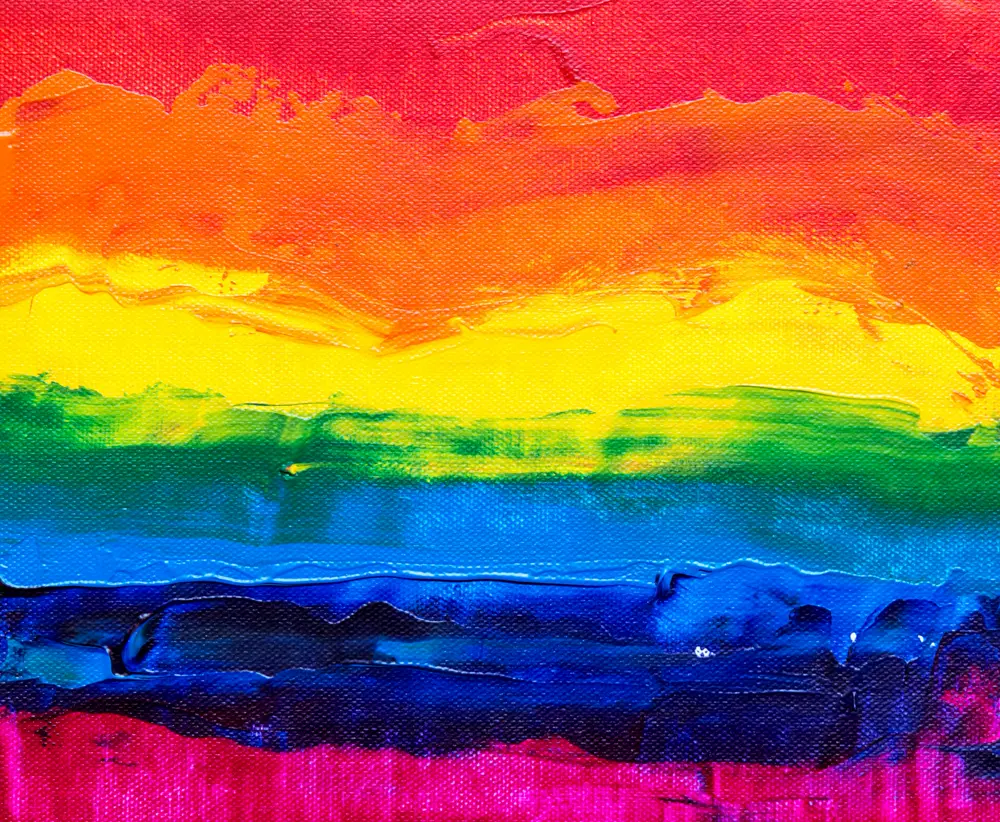
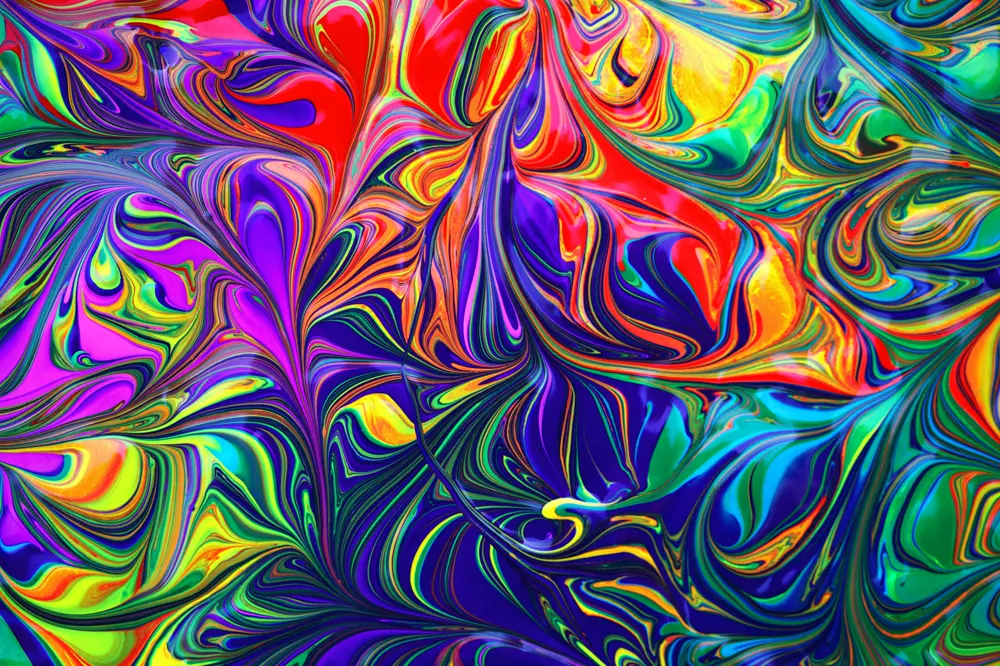
The visual intersection of fluid dynamics and vibrant chromatic spectrums has captivated artists and designers for generations. When working with an ink rainbow abstract illustration, creators harness the unpredictable nature of liquid pigments to produce breathtaking visual symphonies. Whether you are a digital artist trying to emulate organic textures or a traditional mixed-media practitioner experimenting with alcohol inks and watercolors, understanding the underlying principles of color flow and composition is essential. This comprehensive guide explores the tools, techniques, and theoretical foundations required to master mesmerizing multi-colored abstract artwork.
Understanding Fluid Dynamics and Color Theory
At the heart of every striking piece of abstract art lies a deep understanding of color theory and material behavior. When multiple vibrant hues meet on a non-porous surface, they do not merely sit side-by-side; they react, bleed, separate, and granulate. Mastering these techniques allows you to predict how a cyan pigment will push away a magenta base or how gold leafing can accentuate the borders of a sprawling crimson wave. By studying the color wheel, you can intentionally place complementary shades next to one another to create high-contrast tension, or rely on analogous palettes for a harmonious, dreamy gradient flow.
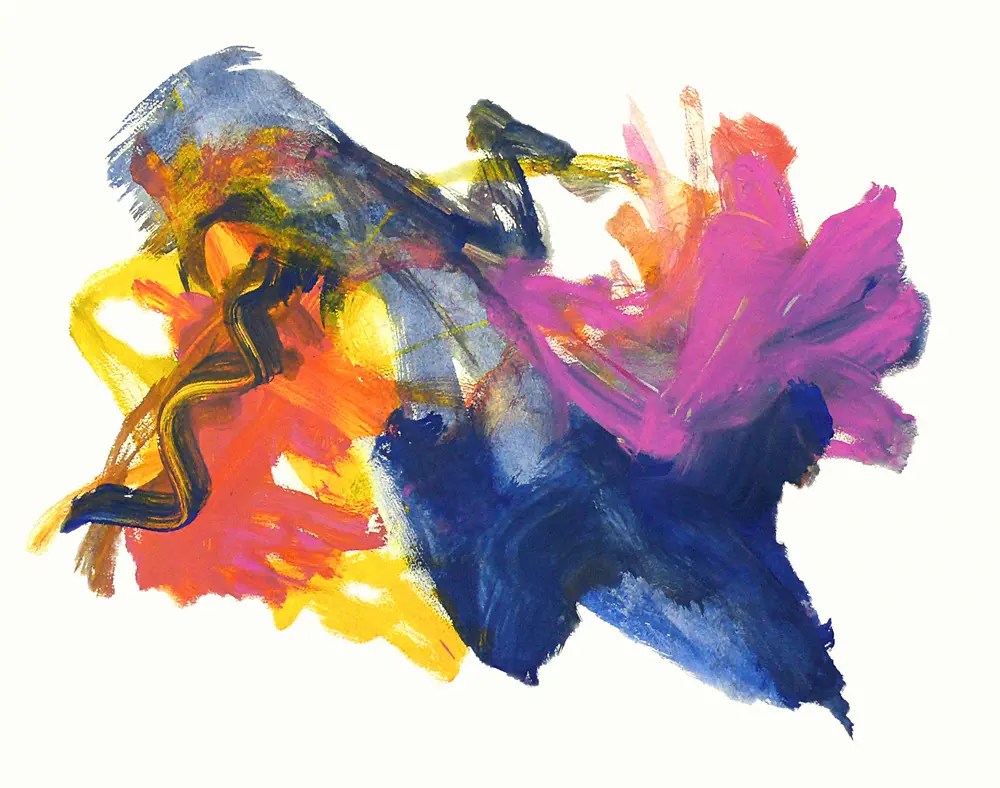
The Physics of Pigment Dispersion
Ink behaves according to the laws of surface tension and viscosity. In traditional fluid art, isopropyl alcohol or specialized blending solutions act as catalysts. These chemical agents break the surface tension of the pigment, causing the microscopic color particles to scatter rapidly. This phenomenon creates the characteristic lacing, webbing, and cellular structures that define modern abstract illustrations. Controlling this dispersion requires patience and a steady hand, as environmental factors like room humidity and temperature drastically alter drying times.
Essential Tools and Materials for Creation
To produce a professional-grade rainbow illustration using inks, your choice of substrate and instruments dictates the final outcome. Standard printer paper will buckle and absorb the liquid too quickly, resulting in muddy, undefined patches. Instead, creators rely on specific material categories:
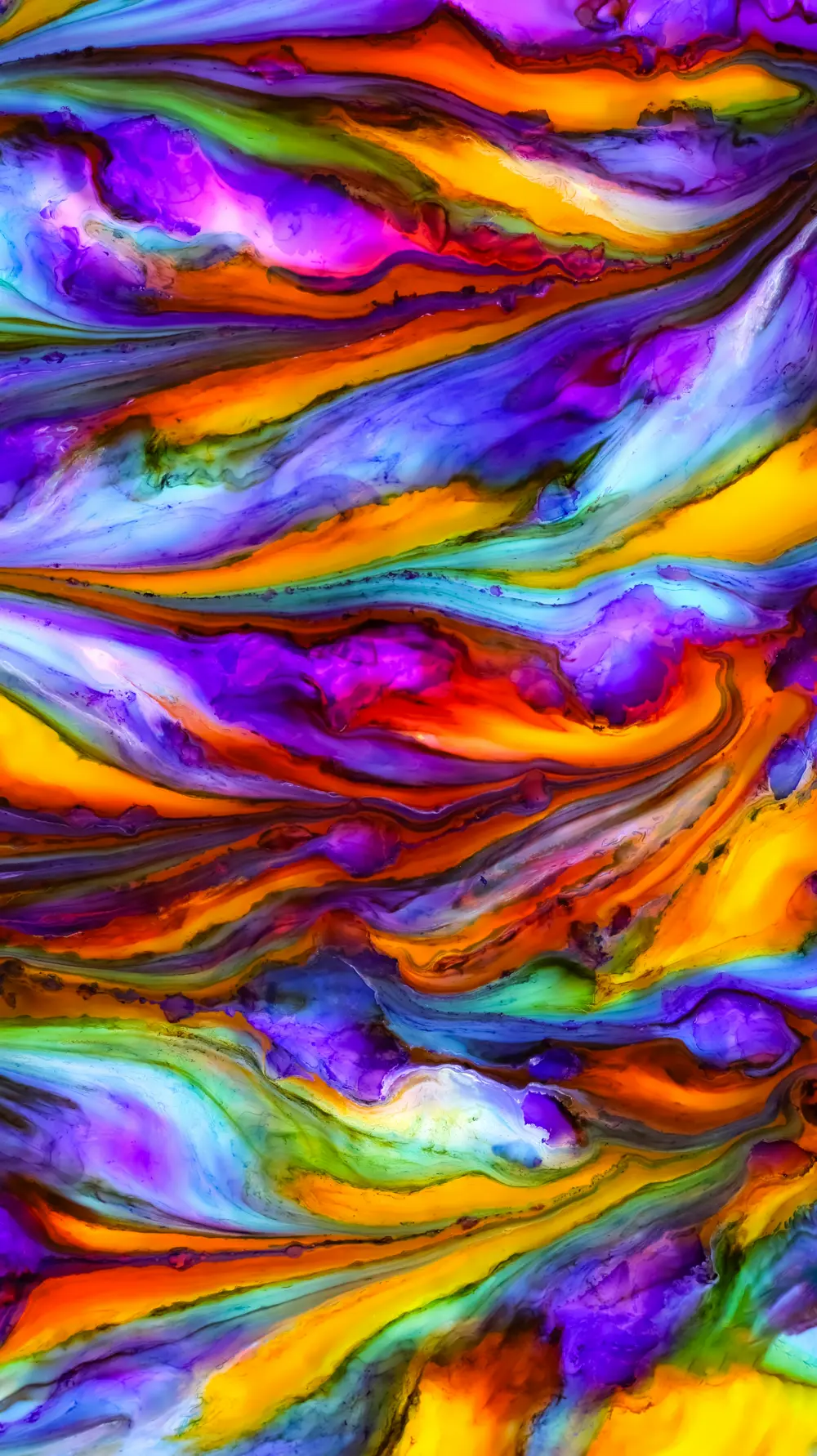
- Yupo Paper: A 100% polypropylene synthetic paper that is waterproof, tree-free, and completely non-porous, allowing inks to sit on top and move freely.
- Alcohol Inks: Highly pigmented, fast-drying, and acid-free mediums that reactivated with isopropyl alcohol even after they appear dry.
- Dispensing Tools: Precision droppers, fine-tip squeeze bottles, and air blowers (like bulb syringes or canned air) to direct the flow of liquid across the canvas.
- Finishing Sealants: UV-resistant spray varnishes that protect fugitive organic dyes from fading under direct sunlight.
Step-by-Step Creation Process
Translating a vivid imagination into a polished piece of abstract art involves a structured yet flexible workflow. While randomness is welcomed in fluid art, intentional placement yields the most striking compositions.
Step 1: Surface Preparation and Primer Base
Begin by securing your synthetic substrate to a flat, level workspace using low-tack painter’s tape. If your surface is not level, gravity will pull your liquid spectrum off the edge prematurely. Apply a light base layer of blending solution or clear alcohol ink to prep the canvas, allowing subsequent colors to glide effortlessly.
Step 2: Layering the Rainbow Spectrum
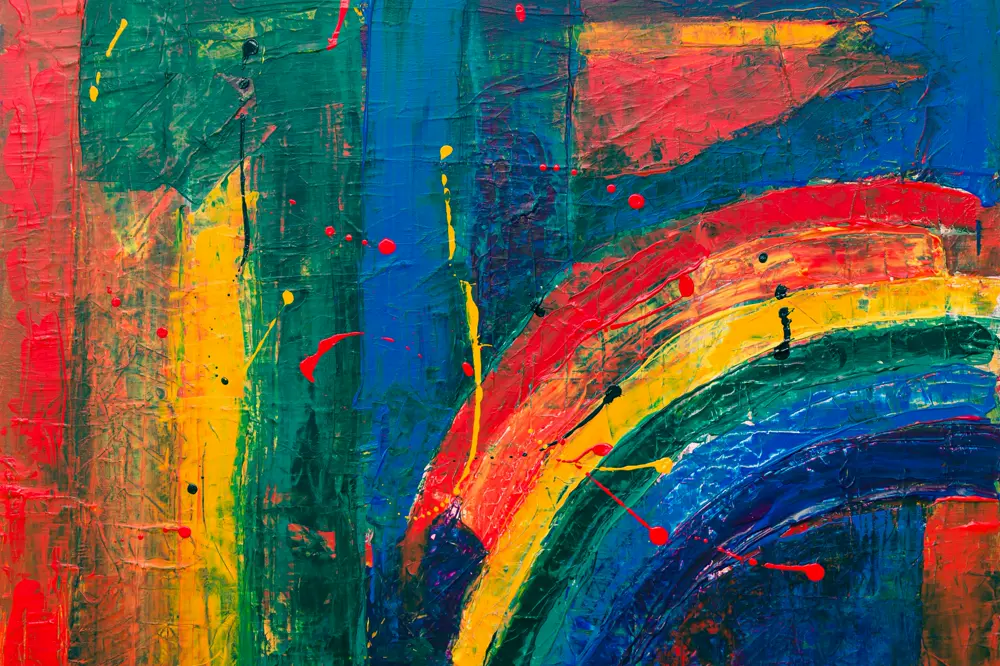
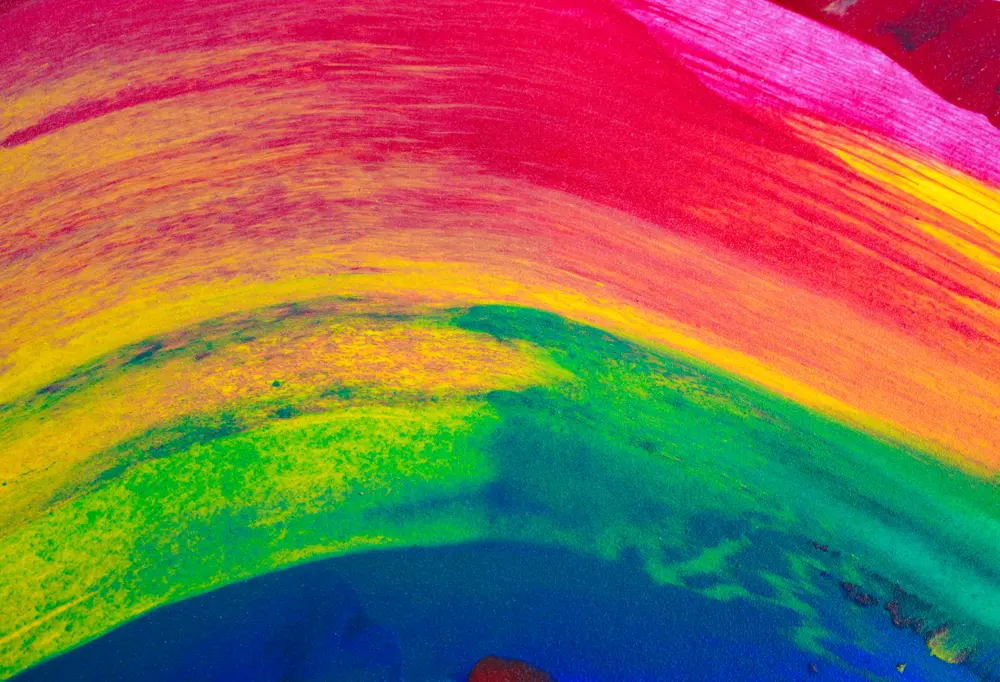
Introduce your primary colors systematically. To achieve a true rainbow effect, arrange your pigment bottles in sequential order: red, orange, yellow, green, blue, indigo, and violet. Drop small pools of color closely together, leaving intentional negative space. This negative space gives the composition room to breathe and prevents the colors from blending into a uniform, brownish grey.
Step 3: Directing Airflow and Blending
Using a handheld air blower or a straw, gently push the wet pigments outward from the center. Avoid using high-velocity compressed air systems initially, as they can splatter tiny droplets across your workspace. Watch how the overlapping borders create secondary hues, such as vibrant oranges where red meets yellow, or rich teals at the intersection of green and blue.
Digital Emulation of Ink Rainbows
For digital illustrators working in software like Procreate, Adobe Illustrator, or Photoshop, mimicking organic fluid art requires specialized digital brush packs. Artists use wet watercolor brushes, dual-color dynamics, and smudge tools configured with high-flow settings. While digital creation lacks the tactile unpredictability of physical inks, it offers immense flexibility in non-destructive editing, vector scaling, and instant color correction.
Common Pitfalls to Avoid
Even experienced creators occasionally encounter challenges when working with volatile fluid mediums. Being aware of these common mistakes will save you time and materials:
Conclusion
Creating an ink rainbow abstract illustration is an exercise in balancing control and surrender. By understanding the chemical nature of your pigments, investing in quality non-porous substrates, and thoughtfully directing your color palettes, you can produce deeply engaging visual masterpieces. Whether you choose the tactile messiness of physical alcohol inks or the clean precision of digital vector tools, the timeless allure of a vibrant, flowing spectrum continues to be a powerful vehicle for artistic expression.
Frequently Asked Questions
- What is the best paper to use for fluid ink illustrations?
Synthetic papers like Yupo or heavy-weight waterproof acetate sheets are ideal because they are completely non-porous, keeping the ink on the surface for maximum manipulation.
- How do I prevent my rainbow colors from turning brown?
Prevent muddy colors by maintaining negative space and avoiding the mixing of complementary colors directly adjacent to each other on the color wheel.
- Can I use regular water with alcohol-based inks?
No, water repels alcohol inks and causes them to bead up uncontrollably. You must use isopropyl alcohol (91% or higher) or dedicated blending solutions.
- How do I protect my finished ink illustration from fading?
Apply multiple light coats of a UV-resistant archival spray varnish once the piece is completely dry to lock in the pigments and prevent UV degradation.
- How can I fix a mistake in a physical ink painting?
You can reactivate dry alcohol ink by dabbing a cotton swab soaked in isopropyl alcohol directly onto the area to lift the pigment or push it into a new shape.
Related posts:
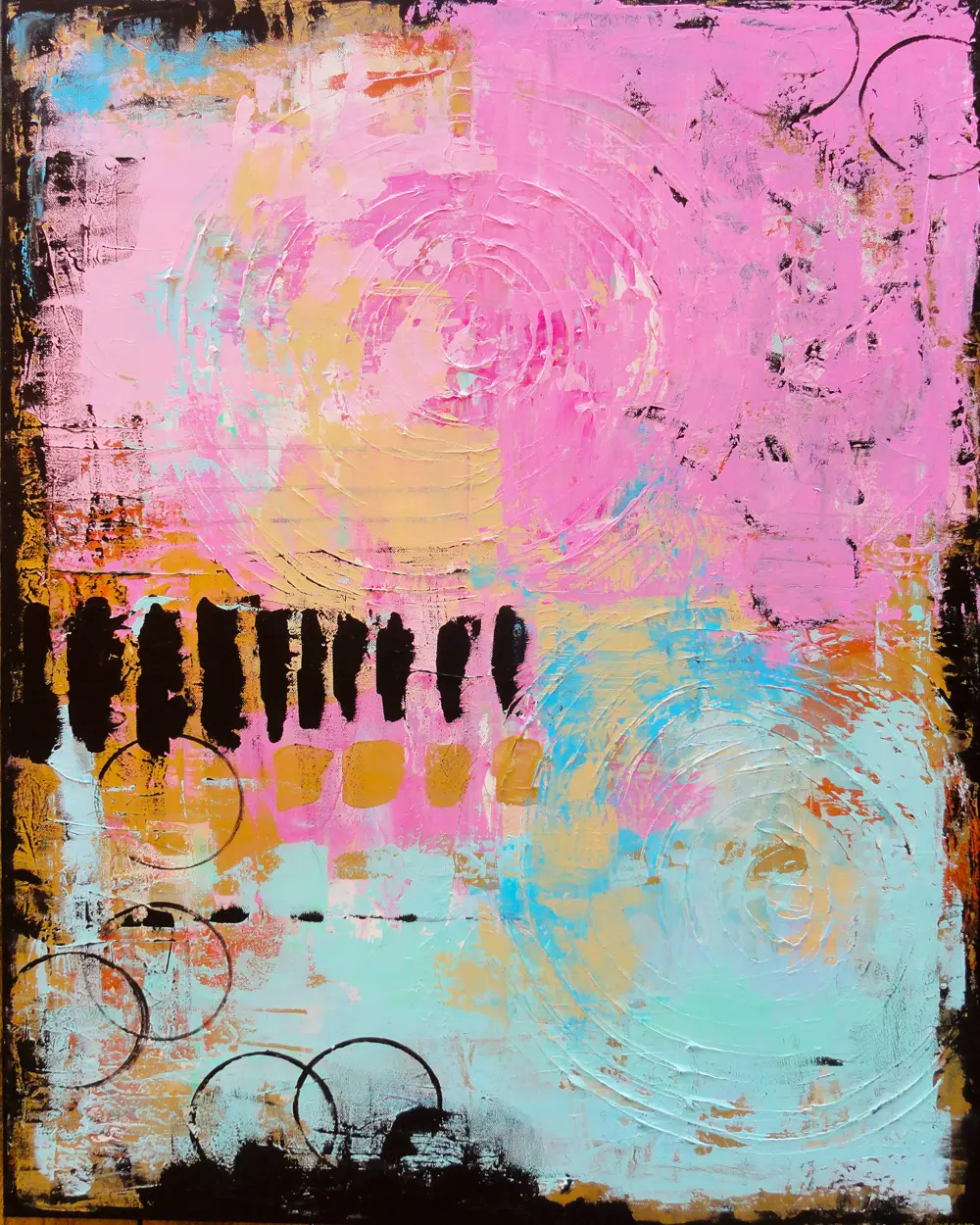
Abstract work rewards a second look — browse more of abstract-illustration when you are ready for a new backdrop.
Pass this link to someone who appreciates bold, abstract design.
