
Abstract Wallpaper Background Images: Elevate Your Digital Space
The first thing most of us see when we wake up or start our workday is a digital screen. Whether it is a smartphone, a tablet, or a wide-screen desktop monitor, the background image serves as the visual foundation for our digital interaction. While some prefer photographs of landscapes or portraits of loved ones, there is a timeless appeal to abstract wallpaper background images. These visuals transcend the boundaries of physical reality, offering a blend of color, shape, and texture that can influence our mood and mental state without the distraction of a concrete subject.
Abstract art in the digital realm is not merely about randomness; it is about the strategic use of visual elements to evoke emotion. From the soft gradients of a sunrise simulation to the sharp, aggressive lines of futuristic geometry, the right background can transform a sterile piece of hardware into a personal sanctuary. In an era where we spend a significant portion of our lives staring at pixels, the curation of our visual environment becomes a matter of psychological well-being and aesthetic preference.
The Psychology Behind Abstract Visuals
Why do we gravitate toward abstract patterns instead of literal images? The answer often lies in how our brains process information. A photograph of a beach tells a specific story: it is a place, a memory, or a desire for a vacation. In contrast, an abstract composition allows the viewer to project their own emotions onto the canvas. This open-ended nature of abstract imagery makes it an ideal choice for backgrounds, as it provides visual interest without demanding the full cognitive attention that a detailed scene would require.
Color plays a pivotal role in this experience. Cool tones, such as deep blues, emerald greens, and soft purples, are often associated with tranquility and professionalism. These are frequently chosen for work environments where focus and calm are paramount. On the other hand, warm tones like vibrant oranges, reds, and yellows can spark energy and creativity, making them popular for artistic workstations or gaming setups. By choosing a specific palette, a user can subconsciously set the tone for their productivity or relaxation.
Furthermore, the concept of ‘visual noise’ is critical when selecting a background. A wallpaper that is too busy can lead to cognitive overload, making it harder to locate icons or read text on the screen. This is where the balance of abstract design comes into play. A well-composed abstract image provides enough detail to be engaging but maintains enough negative space to ensure that the primary functions of the operating system remain accessible.
Popular Styles of Abstract Digital Backgrounds
The world of digital abstraction is vast, ranging from simple two-dimensional shapes to complex three-dimensional renders. Understanding these styles can help you narrow down what fits your personality and device.
Geometric Abstraction
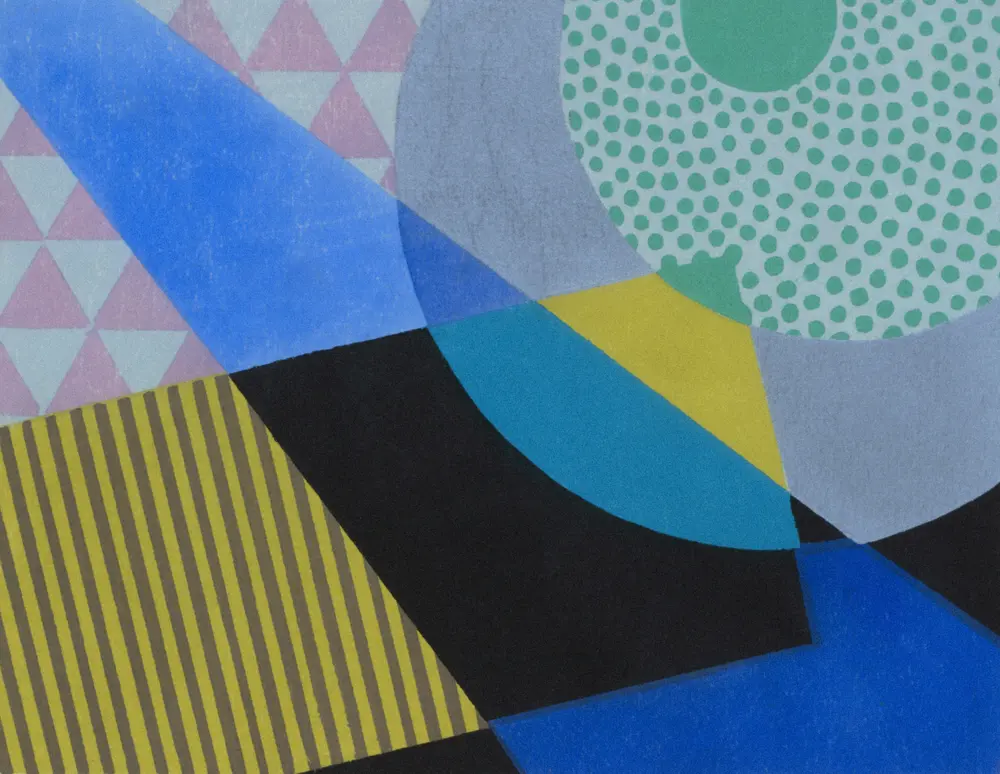
Geometric styles rely on the precision of lines, circles, and polygons. These images often evoke a sense of order, stability, and modernity. Many people find that the structured nature of geometric patterns helps them feel more organized. Whether it is a series of overlapping triangles or a complex honeycomb lattice, these images often align perfectly with the rectilinear nature of computer screens. When exploring modern design trends, you will often see geometric patterns used to convey efficiency and technological advancement.
Fluid and Liquid Art
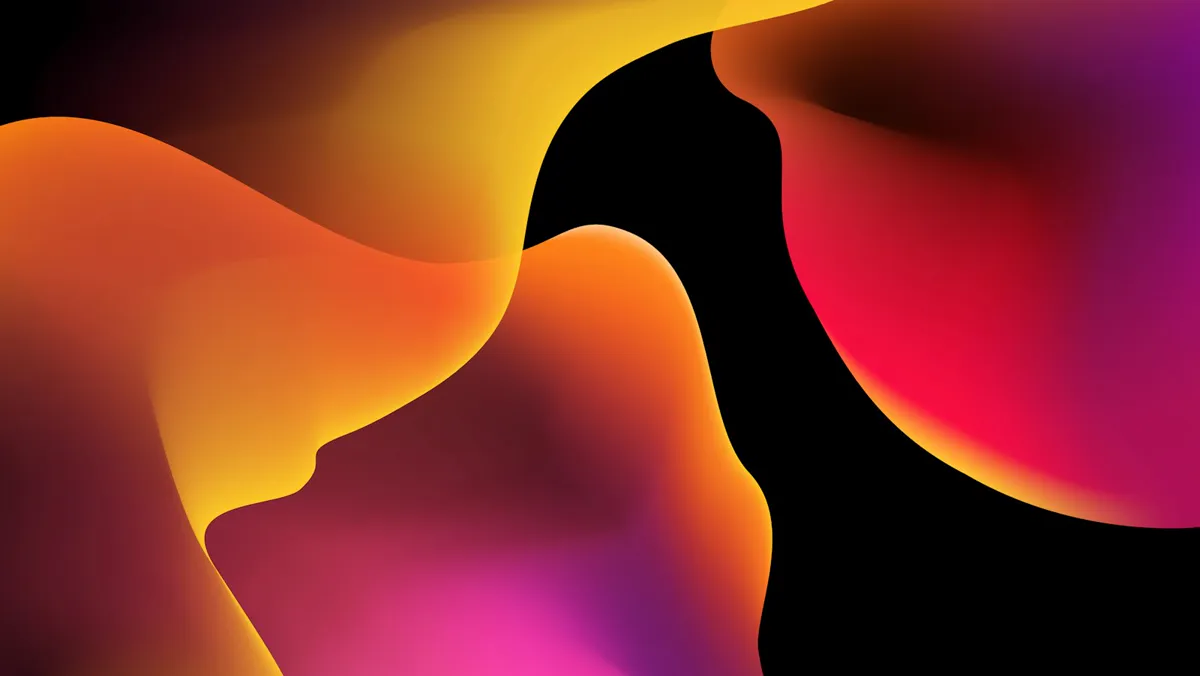
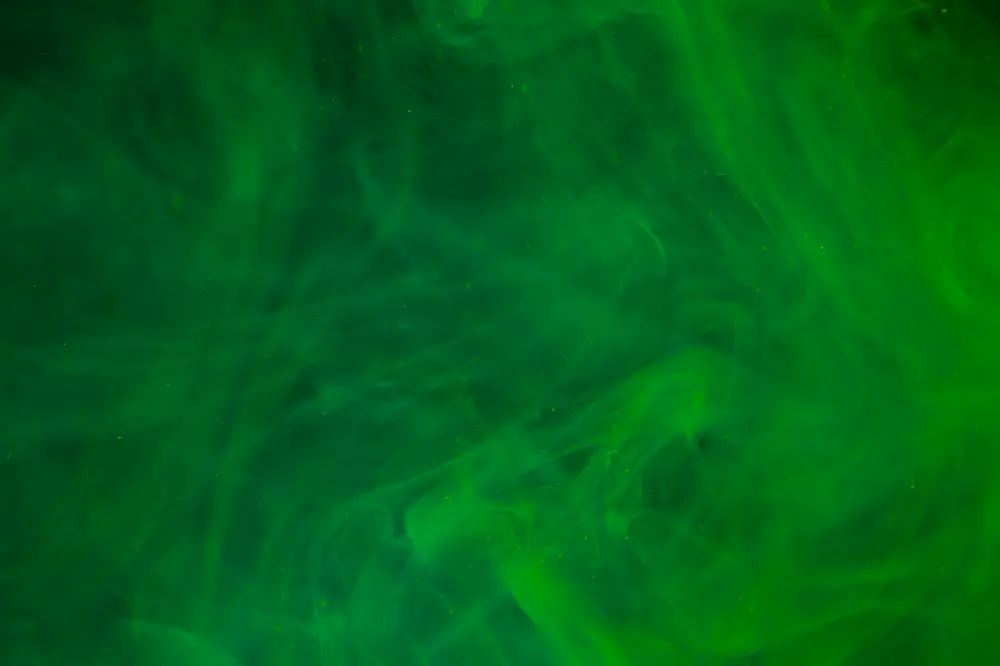
In contrast to the rigidity of geometry, fluid abstraction mimics the movement of liquids, smoke, or ink dropping into water. These images are characterized by organic curves, swirling gradients, and a sense of perpetual motion. Liquid wallpapers are particularly striking on high-resolution OLED screens, where the deep blacks and vivid colors can make the ‘fluid’ appear as if it is floating on the glass. This style is often linked to creativity and adaptability, providing a softer, more natural feel to a digital device.
Minimalist Abstraction
Minimalism is the art of subtraction. A minimalist abstract background might consist of a single soft gradient, a lone line across a neutral field, or a subtle texture like brushed aluminum or grainy paper. The goal here is to remove all unnecessary elements to create a sense of breathability. This style is highly favored by those who practice ‘digital decluttering,’ as it minimizes visual distraction and puts the focus entirely on the tasks at hand.
3D Renders and Surrealism
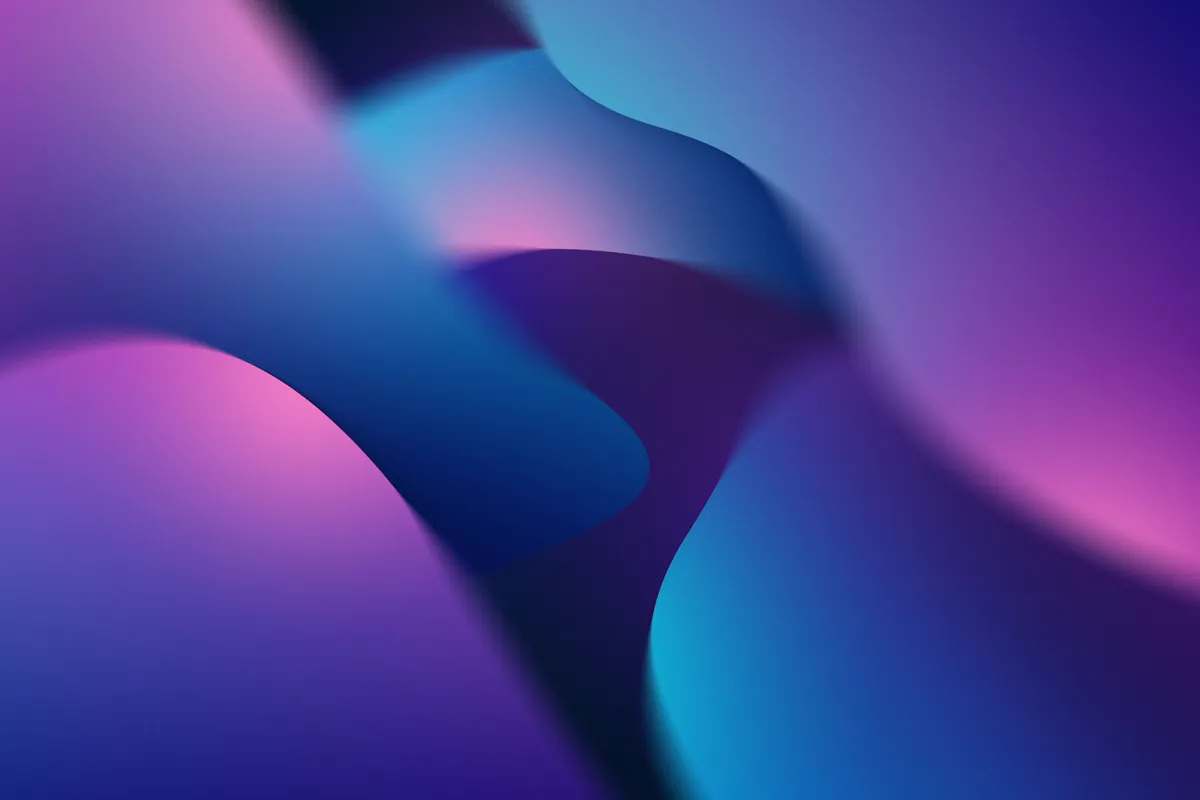
With the advancement of rendering software, abstract backgrounds have entered the third dimension. These images often feature floating spheres, iridescent ribbons, or architectural impossibilities that defy gravity. The use of light and shadow in 3D renders creates a sense of depth that can make a screen feel like a window into another dimension. These are often the most visually stimulating options, appealing to those who enjoy futuristic or sci-fi aesthetics.
Choosing the Right Wallpaper for Different Devices
Not all abstract images are created equal, and a wallpaper that looks stunning on a desktop might be a disaster on a smartphone. The aspect ratio and the way the OS overlays information are the two most important factors to consider.
Desktop and Laptop Monitors
For desktops, the primary concern is ‘icon legibility.’ Since most users keep several folders and shortcuts on their desktop, the image should not have high-contrast patches exactly where those icons sit. A centered composition or a peripheral-heavy design usually works best. Additionally, with the rise of ultra-wide monitors, images with a 21:9 aspect ratio are becoming essential to avoid the stretching or cropping that occurs with standard 16:9 images.
Smartphones and Tablets
Mobile devices require a vertical orientation. However, the most critical area is the ‘safe zone’—the space not covered by the clock, notifications, or app dock. Abstract images with a vertical gradient—darker at the bottom and lighter at the top—often work well because they complement the natural layout of mobile interfaces. Because we check our phones hundreds of times a day, opting for a less jarring, more soothing abstract image can reduce visual fatigue over time.
When selecting images for mobile, consider the screen technology. AMOLED screens can turn off pixels entirely to produce true black. Choosing an abstract wallpaper with a heavy black base not only looks sleek but can actually conserve battery life, as the screen requires less power to display those dark areas.
The Intersection of Art and Technology
The creation of abstract wallpaper background images has evolved from manual painting to sophisticated algorithmic generation. Today, many of the most popular backgrounds are created using ‘generative art,’ where a programmer writes a set of rules (an algorithm) and the computer generates the image based on those parameters. This allows for infinite variations and a level of complexity that would be nearly impossible to achieve by hand.
This fusion of digital art and mathematics creates a unique aesthetic that reflects our current era. We see this in the form of fractal art—images that repeat a pattern at every scale—which creates a hypnotic effect. These images often mirror patterns found in nature, such as the veins of a leaf or the spiral of a galaxy, bridging the gap between the artificial and the organic.
Furthermore, the rise of AI-generated imagery has democratized the creation of abstract backgrounds. Users can now describe a feeling or a color palette to a tool and receive a bespoke piece of art in seconds. This has led to a surge in hyper-specific niches, such as ‘vaporwave’ (neon pinks and cyans with 80s nostalgia) or ‘dark academia’ (muted tones, textures of old paper and ink), allowing users to align their digital space with their specific subcultural identity.
Practical Tips for Maintaining Your Visual Space
Just as we clean our physical desks, we should periodically refresh our digital backgrounds. Using the same image for years can lead to ‘visual blindness,’ where the image no longer provides any emotional lift or aesthetic pleasure. Here are a few tips for managing your wallpaper collection:
- Seasonal Rotation: Switch to warmer, brighter abstracts in the summer and deeper, moodier tones in the winter to align your digital environment with the world outside.
- Mood-Based Folders: Keep a folder of ‘Focus’ wallpapers (minimalist, cool tones) and ‘Creative’ wallpapers (vibrant, fluid shapes) and switch between them depending on the task.
- Resolution Matching: Always ensure the image resolution matches or exceeds your screen resolution. A low-resolution image stretched to fit a 4K screen results in blurriness that can be subtly irritating to the eyes.
- Contrast Checks: If you find yourself struggling to read filenames, try adding a slight blur or a dark overlay to your abstract image using a basic photo editor.
Conclusion
Abstract wallpaper background images are more than just decorative fillers; they are tools for personalization and mental management. By understanding the influence of color, the structure of different abstract styles, and the technical requirements of our devices, we can curate a digital environment that supports our productivity and enhances our mood. Whether you prefer the disciplined lines of geometry or the chaotic beauty of liquid art, your choice of background is a reflection of your internal state and your aesthetic values. In the vast landscape of the internet, finding that one perfect image is a small but satisfying journey in digital curation.
Frequently Asked Questions
Where can I find high-resolution abstract backgrounds for free?
There are several reputable platforms that offer high-quality, free-to-use images. Websites like Unsplash, Pexels, and Pixabay are excellent sources for professional-grade abstract photography and digital renders. Many of these sites allow you to filter by color and orientation, making it easier to find a background that fits your specific device and mood without paying for a subscription.
How do I create my own custom abstract wallpaper?
You can start with simple tools like Canva or Adobe Express, which offer templates and shapes. For those more inclined toward technical art, software like Blender allows you to create 3D abstract shapes and textures. If you prefer an algorithmic approach, tools like Processing or AI generators can create complex patterns based on text prompts or mathematical formulas, allowing for a truly unique result.
Which colors are best for reducing eye strain during work?
To reduce eye strain, it is generally recommended to avoid highly saturated neon colors or high-contrast white backgrounds. Muted tones, such as sage green, slate blue, or charcoal grey, are easier on the eyes during long periods of screen time. Dark mode abstracts—those with a predominantly dark palette—are particularly effective in low-light environments as they reduce the overall luminance of the screen.
What is the difference between 4K and HD wallpapers?
The difference lies in the pixel density. A standard HD (High Definition) wallpaper typically has a resolution of 1920×1080 pixels. A 4K (Ultra HD) wallpaper has approximately four times as many pixels, usually 3840×2160. On a 4K monitor, an HD image will look blurry or ‘pixelated’ because the screen has to stretch the image. For the crispest look, always match the wallpaper resolution to your monitor’s native specs.
Why do minimalist backgrounds help some people focus better?
Minimalist backgrounds reduce ‘visual clutter.’ When a wallpaper has too many competing elements, colors, or shapes, the brain spends a small amount of energy processing that information every time you minimize a window. By using a simple, understated abstract image, you remove these micro-distractions, allowing your brain to allocate more cognitive resources to the actual task you are performing.
Related posts:
If this set speaks to you, Aesthetic Lavender Abstract Vector: Enhancing Modern Visual Design continues the aesthetic-design conversation in a new direction.
Pass this link to someone who appreciates bold, abstract design.
