
The Impact of Modern Abstract Canvas Elements in Web Design
In the contemporary digital landscape, the visual first impression is everything. A modern abstract canvas for website design serves as more than just a backdrop; it is a strategic tool for emotional storytelling and brand positioning. Unlike literal photography, abstract art avoids the pitfalls of cliché imagery, allowing users to project their own feelings onto the space while maintaining a sophisticated, professional atmosphere. By leveraging fluid shapes, geometric precision, and calculated color palettes, designers can guide a user’s gaze and establish a mood before a single word of copy is read.
- Why Abstract Art Works for Modern UI
- Exploring Different Styles of Abstract Canvases
- Technical Implementation: Static vs. Generative Art
- Optimizing Visual Assets for Performance
- Color Theory and Emotional Resonance
- Balancing Art with Accessibility and UX
Why Abstract Art Works for Modern UI
The primary strength of integrating an abstract canvas into a website is its ability to provide visual interest without creating cognitive overload. When a website uses high-detail photography, the user’s brain spends energy processing the literal meaning of the image. In contrast, abstract elements function as atmospheric cues. They fill the ‘white space’ with purpose, creating a sense of depth and motion that makes a site feel alive and dynamic.
Furthermore, abstract art is inherently versatile. Whether you are building a portfolio for a creative agency, a landing page for a SaaS product, or a corporate portal for a law firm, abstract shapes can be tailored to fit the brand voice. A sleek, dark-themed site with subtle gold gradients suggests luxury and exclusivity, while a bright, multi-colored organic canvas communicates innovation and playfulness. Integrating a cohesive modern design approach ensures that these elements support the conversion goals rather than distracting from them.
Exploring Different Styles of Abstract Canvases
Not all abstract art is created equal. Depending on the goal of your website, different styles will elicit different psychological responses from your visitors.
Geometric Abstraction
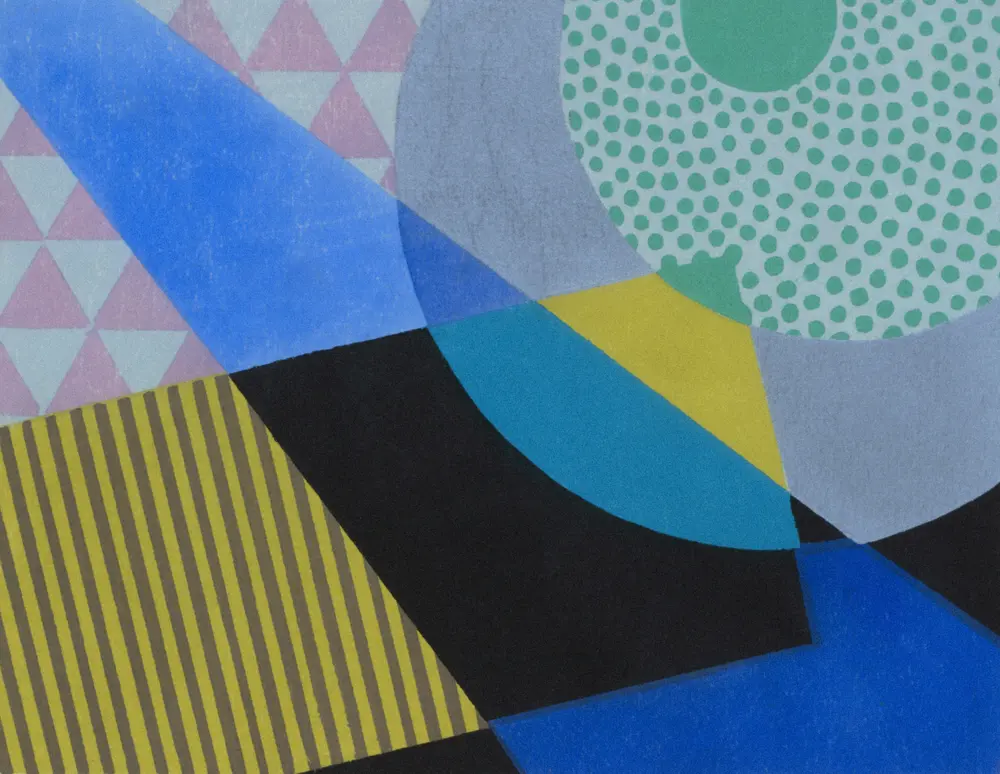
Geometric styles rely on circles, triangles, and polygons. This approach is ideal for tech-heavy industries, architecture firms, or financial services. The inherent symmetry and precision of geometric abstraction signal stability, logic, and efficiency. Using a grid-based abstract canvas can help reinforce a feeling of order and reliability, making the user feel that the service provided is structured and dependable.
Fluid and Organic Forms
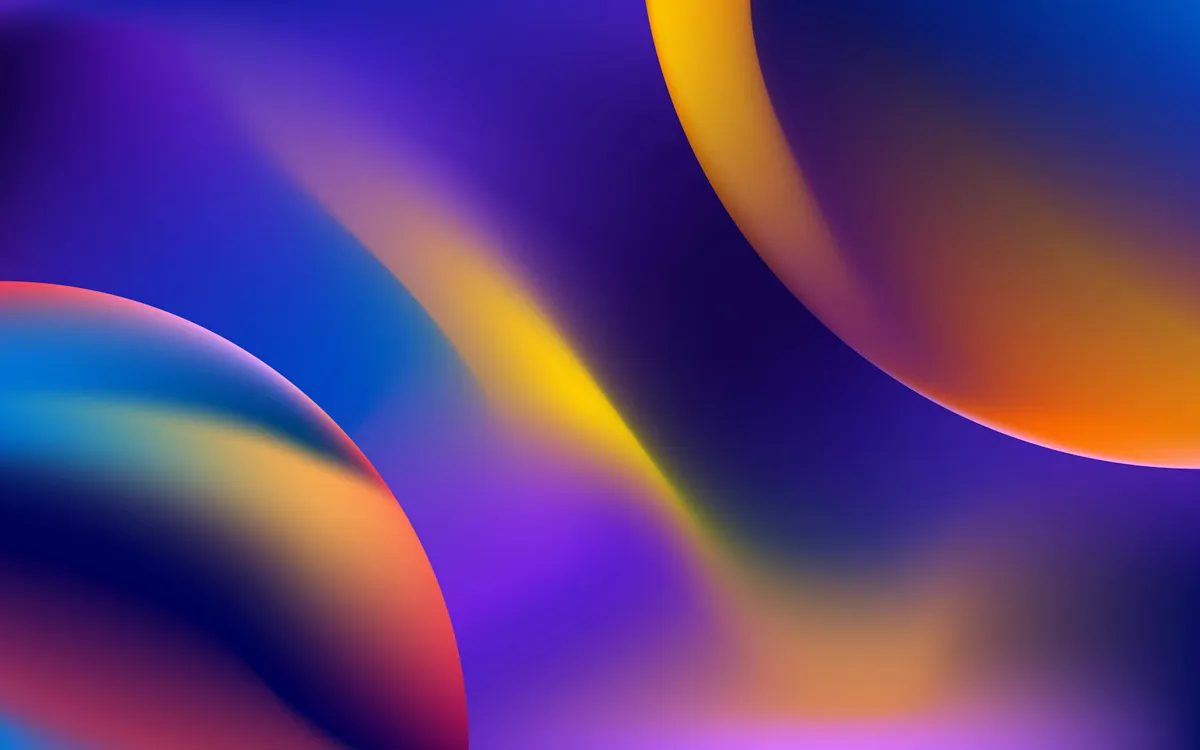
Organic abstraction focuses on flowing lines, ‘blobs,’ and liquid-like gradients. This style is currently trending in UX/UI design because it feels human and approachable. It is frequently used by wellness brands, creative studios, and modern startups to evoke a sense of creativity, flexibility, and growth. These forms often blend seamlessly into the background, creating a soft transition between different sections of a page.
Minimalist Line Art
Minimalism is about the power of subtraction. A minimalist abstract canvas often consists of a few thin, strategic lines or a single offset shape. This style is perfect for high-end luxury brands or portfolios where the content—such as photography or case studies—needs to take center stage. The art acts as a subtle frame, adding a layer of sophistication without competing for attention.
Technical Implementation: Static vs. Generative Art
Once you have decided on a style, the method of implementation determines how the website performs and how it interacts with the user. Most designers choose between static image files and dynamic, code-driven canvases.
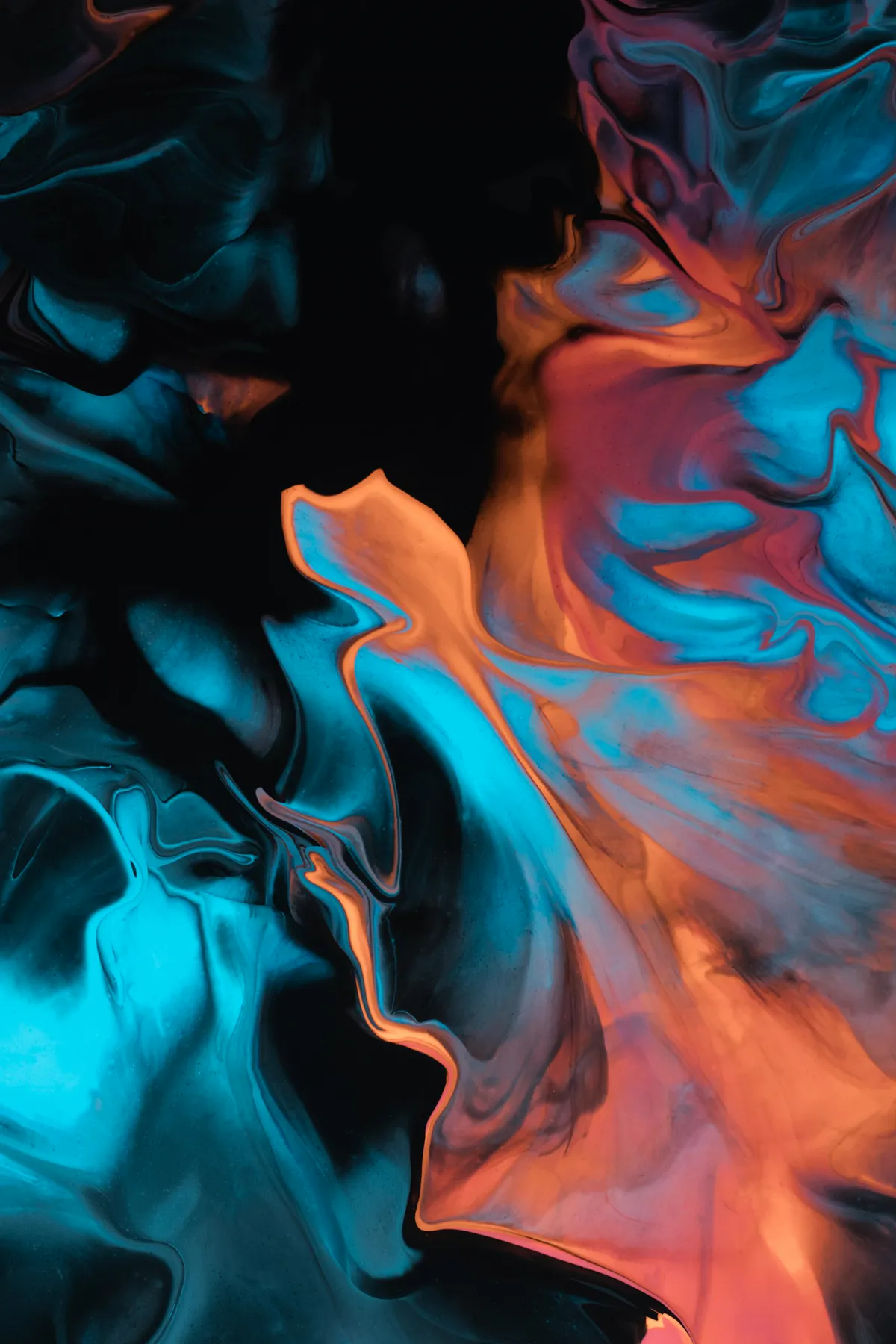
Static images are the most common. High-resolution JPGs or WebP files are uploaded as background images. While simple, they lack interactivity. To make these feel more ‘modern,’ developers often use CSS Parallax effects, where the abstract canvas moves at a different speed than the foreground text, creating a 3D illusion of depth. For those focusing on web development efficiency, SVG (Scalable Vector Graphics) is the gold standard for abstract art because it remains crisp at any resolution and has a tiny file size.
On the other hand, the HTML5 Canvas API allows for generative art. This is where the abstract canvas is rendered in real-time using JavaScript. Generative art can react to mouse movements, scroll depth, or even audio input. For example, a background that subtly shifts its colors or shapes as the user scrolls creates an immersive experience that keeps users engaged longer. This technical approach transforms a static website into an interactive digital installation, significantly increasing the ‘wow factor’ of the brand.
Optimizing Visual Assets for Performance
A common mistake when using a large, colorful abstract canvas is neglecting PageSpeed. High-resolution art can easily bloat a page, leading to slow load times and higher bounce rates, which negatively impacts SEO rankings.
- Next-Gen Formats: Always prefer WebP or AVIF over PNG or JPG. These formats provide superior compression without sacrificing the vibrancy of abstract colors.
- SVG for Vectors: If your abstract art consists of shapes and lines, use SVGs. They are mathematically defined, meaning they load almost instantly and never pixelate.
- Lazy Loading: Implement
loading='lazy'for abstract elements that appear further down the page. This ensures the browser prioritizes the critical content above the fold. - CSS Gradients: If your ‘canvas’ is primarily a color blend, avoid images entirely. Use CSS linear or radial gradients. They are rendered by the browser and consume virtually zero bandwidth.
Color Theory and Emotional Resonance
The colors chosen for your abstract canvas are the primary drivers of the user’s emotional state. Because there is no literal subject matter, the brain relies entirely on color psychology to interpret the message.
Cool tones—blues, greens, and purples—are associated with trust, calm, and professionalism. An abstract canvas featuring deep navy and teal is a safe and effective choice for B2B websites. Warm tones—reds, oranges, and yellows—evoke energy, passion, and urgency. These are highly effective for call-to-action sections or brands targeting a younger, high-energy demographic. Neutral palettes—greys, beiges, and off-whites—communicate understated elegance and timelessness, which is why they are staples in fashion and interior design websites.
Balancing Art with Accessibility and UX
While an abstract canvas adds beauty, it must not compromise web accessibility. The most frequent issue is the lack of contrast between the background art and the foreground text.
To prevent this, designers often use a semi-transparent overlay. By placing a slightly darkened or lightened layer between the abstract canvas and the text, you ensure that the content remains legible regardless of the colors in the artwork. Additionally, ensure that any interactive elements (buttons, links) have a high contrast ratio against the canvas. For users with visual impairments, a busy abstract background can be distracting; providing a ‘reduced motion’ option for generative canvases is a professional touch that demonstrates a commitment to inclusive design.
Conclusion
Integrating a modern abstract canvas for website design is a powerful way to merge art with utility. By carefully selecting a style—whether geometric, fluid, or minimalist—and implementing it with a focus on performance and accessibility, you can create a digital environment that feels both cutting-edge and welcoming. Remember that the art should always serve the content, acting as a supporting actor that enhances the brand’s narrative without overshadowing the primary message.
Frequently Asked Questions
How do I choose the right abstract style for my brand identity?
Start by defining three adjectives for your brand (e.g., ‘Professional, Bold, Innovative’). If ‘Professional’ is key, go with geometric shapes. If ‘Innovative’ is the focus, try fluid, generative art. Match the ‘energy’ of the shapes to the energy of your service.
Will large abstract background images slow down my website loading speed?
They can if not optimized. Use WebP formats, employ lazy loading, and use a Content Delivery Network (CDN) to serve the images from the server closest to the user. For simple shapes, SVGs are the fastest option.
What is the main difference between using an SVG and the HTML5 Canvas for art?
SVGs are vector-based and better for static, scalable shapes and icons. The HTML5 Canvas is pixel-based and designed for dynamic, complex animations and generative art that changes in real-time via JavaScript.
How can I make sure my text is readable over a colorful abstract background?
The best method is to use a color overlay (a div with a background color and 30-60% opacity) between the image and the text. Alternatively, use text-shadows or place text inside solid-colored containers to create a clear visual separation.
Where can I find high-quality, license-free abstract canvases for my site?
Websites like Unsplash, Pexels, and Pixabay offer a vast library of free abstract imagery. For unique, brand-specific art, consider using AI generation tools or hiring a digital illustrator to create custom SVG patterns.
Related posts:
Drawn to these shapes and colours? 3D Abstract Canvas Background HD: Elevating Digital Visuals explores a nearby corner of the same abstract world.
Share this page with a fellow art lover looking for their next wallpaper.
