
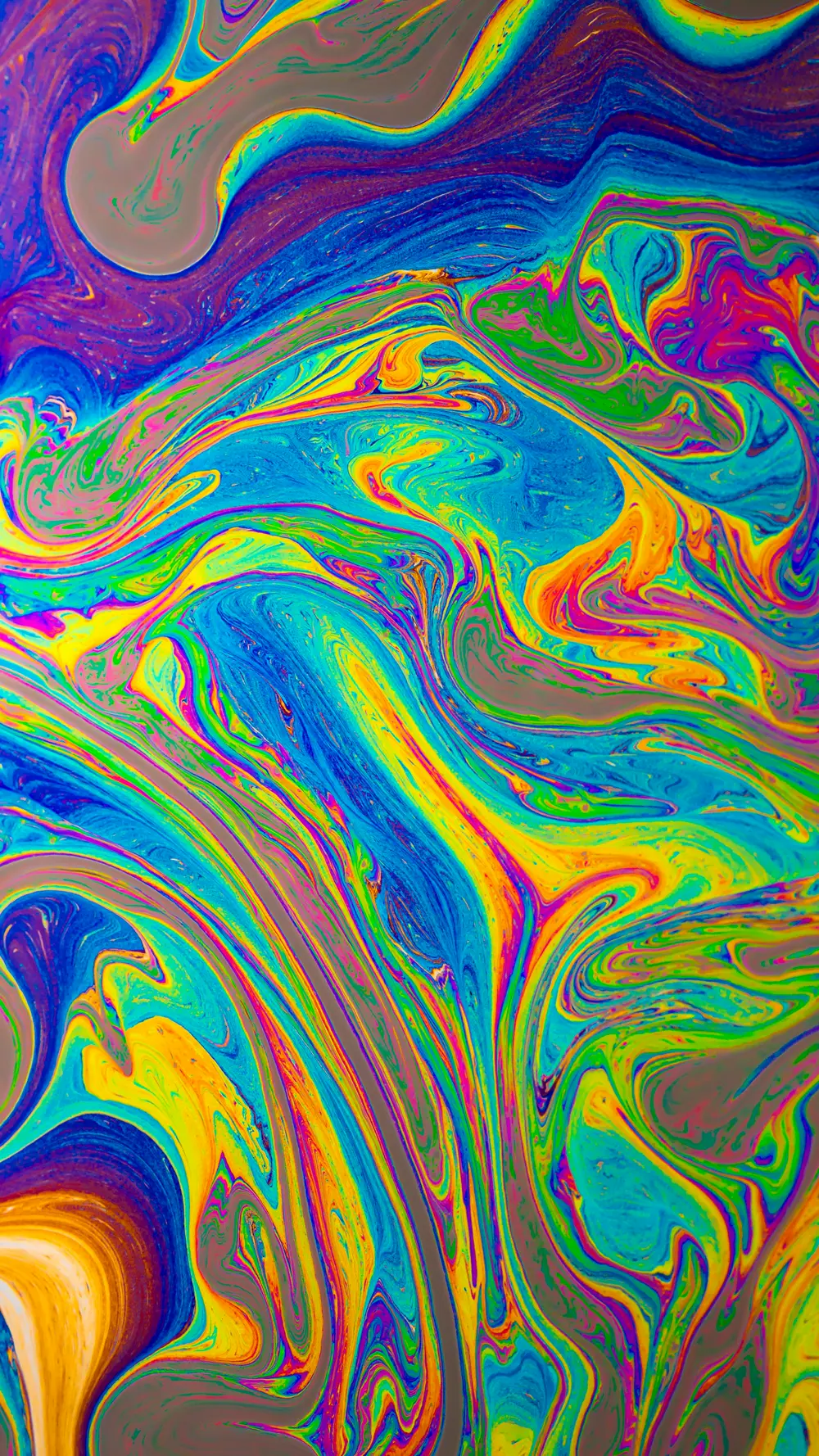
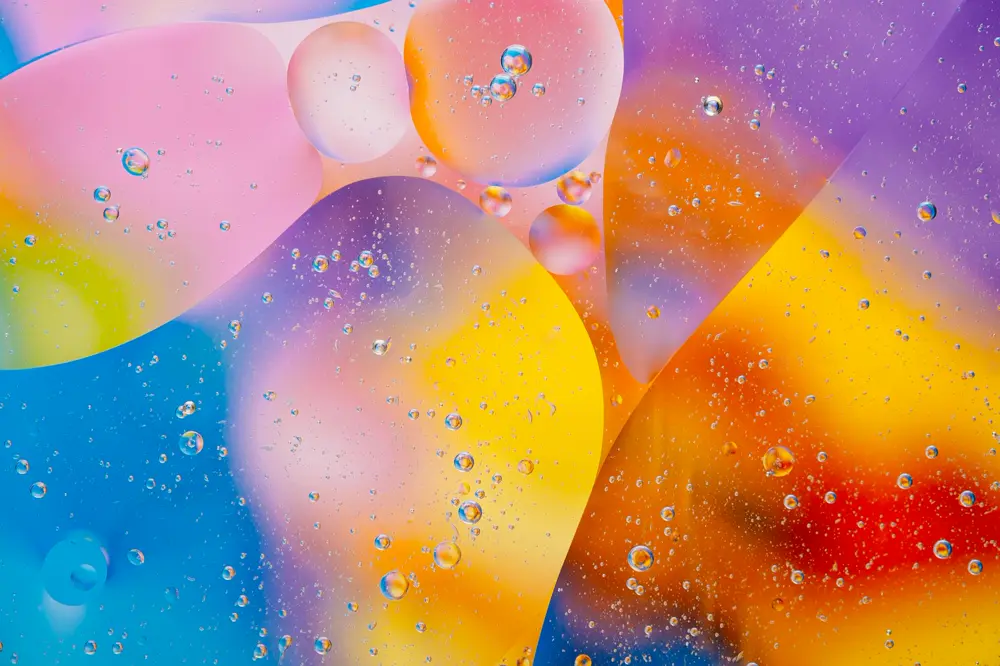
The mesmerizing interplay of color found in an oil rainbow abstract design has captivated artists, designers, and visual creators for decades. When light hits a thin film of hydrocarbons on water or glass, it bends, reflects, and interferes, producing breathtaking spectral bands that defy rigid geometric boundaries. This natural phenomenon of thin-film interference translates beautifully into digital art, painting, and graphic compositions, offering endless inspiration for those looking to inject dynamic vibrancy into their creative projects. Understanding the science and artistic application of this visual style allows creators to harness its ethereal beauty effectively.
In This Article
The Science Behind the Phenomenon
To master an oil rainbow abstract design, one must first appreciate the physical laws governing light and matter. When a drop of petroleum spreads across a wet surface, it forms an extremely thin layer. Light waves reflecting off the top surface of the oil film interfere with light waves reflecting off the bottom surface. Depending on the thickness of the oil layer and the wavelength of the light, certain colors are amplified while others cancel each other out. This process is known as optical interference. For more insights on visual aesthetics, you can explore artistic principles, study color harmony, or look into modern design trends.
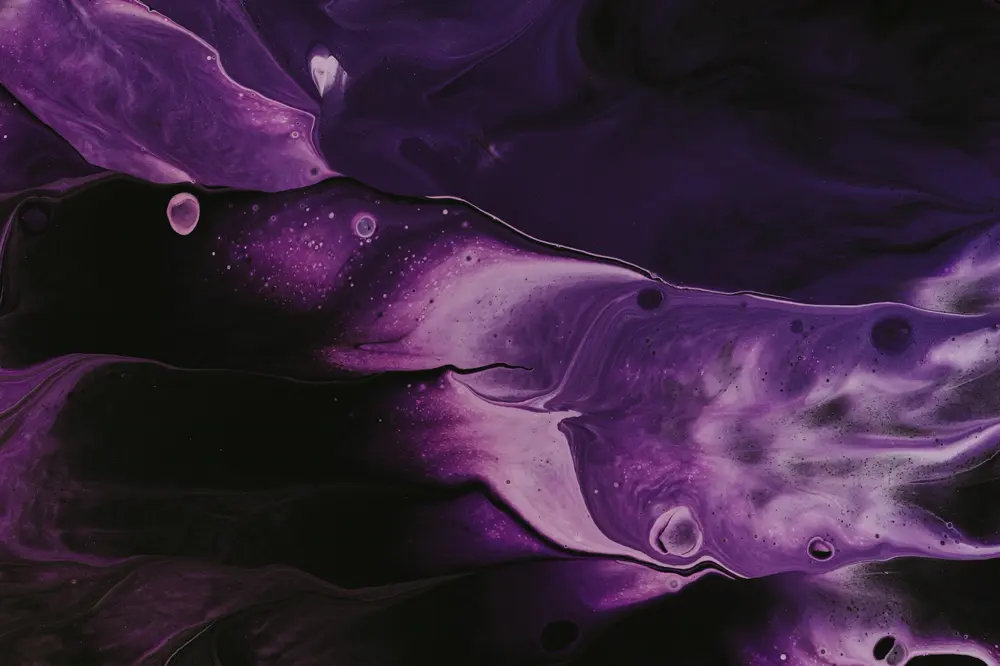
In nature, this creates fluid, organic patches of magenta, cyan, lime green, and deep violet that seem to shift and shimmer as the viewpoint changes. Artists mimic this fluid dynamic by utilizing organic shapes, gradients, and blending modes that suggest movement and continuous transformation. The lack of hard edges is a defining characteristic of this visual genre, making it a favorite for contemporary backgrounds, branding elements, and immersive media.
Fluid Dynamics in Visuals
Replicating the unpredictable nature of liquid mechanics requires a deep understanding of how fluids behave. In traditional media, pouring techniques allow paints to mix organically. In the digital realm, procedural textures and noise algorithms simulate the random spread of viscous fluids. By embracing randomness, artists achieve a level of realism that structured grid layouts simply cannot provide.
Translating Nature to Canvas
Bringing the look of oil slicks onto a physical canvas involves experimental techniques. Traditional painters often use acrylic pouring mediums mixed with silicone oil to create cellular structures that mimic the separation of oil and water. As the mixture dries, the silicone pushes through the paint layers, forming organic rings and iridescent webs of color.
Another physical method involves dropping metallic or pearlescent pigments onto a water bath, swirling them into an abstract pattern, and carefully lifting the design onto specialized paper using paper marbling techniques. This hands-on approach ensures that every single piece is entirely unique, carrying the authentic imperfections of fluid movement.
Material Selection for Physical Art
Choosing the right substrates and paints drastically alters the final outcome. High-gloss varnishes are frequently applied over finished paintings to enhance the wet-look appearance, mimicking the reflective surface of a fresh oil slick on asphalt or water. Furthermore, incorporating interference acrylic paints—which change color depending on the viewing angle—adds genuine optical shifting to physical artwork.
Digital Techniques for Iridescence
In the realm of graphic design and CGI, creating an oil rainbow abstract design relies heavily on advanced shaders, gradient mesh tools, and noise generators. Software like Adobe Illustrator, Photoshop, and Blender empowers creators to build hyper-realistic metallic and oily surfaces from scratch.
- Gradient Meshes: Perfect for vector illustrations, allowing artists to manually map dozens of color transition points to mimic soft spectral bands.
- PBR Shaders: In 3D rendering, physically based rendering materials utilize roughness and metallic maps to simulate accurate light reflection on glossy surfaces.
- Fractal Noise: Digital artists use procedural noise layers blended together with high contrast to generate the microscopic swirling patterns characteristic of chemical films.
- Displacement Maps: Adding depth to flat graphics by using grayscale maps to push and pull pixels, creating a three-dimensional liquid ripple effect.
Color Theory in Abstract Art
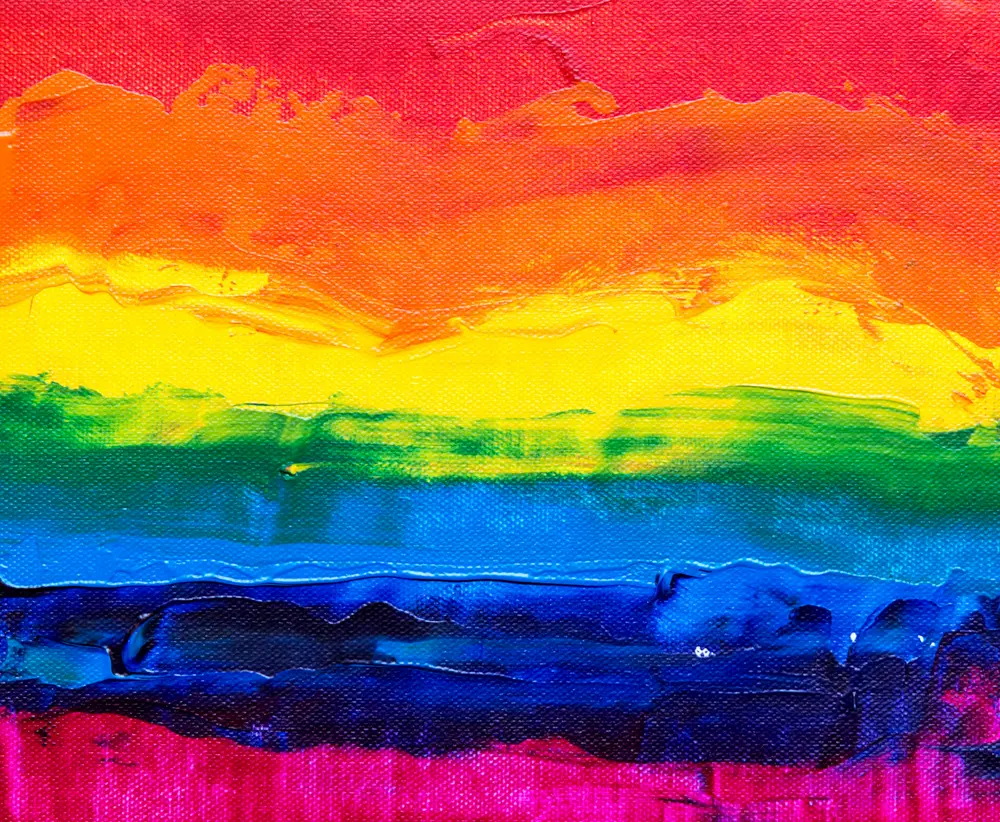
While an oil slick naturally displays a wide spectrum of hues, successful compositions require intentional color grading. Total visual chaos can easily overwhelm the viewer’s eye. Designers often curate specific color palettes—ranging from neon cyberpunk aesthetics to pastel dreamscapes—to maintain visual harmony while retaining the core iridescent theme.
Understanding the transition between complementary colors is crucial. For instance, placing warm gold tones adjacent to cool electric blues creates a high-contrast focal point that immediately draws the viewer in. Gradual shifts from deep indigos to vibrant teals establish depth, making the flat surface appear luminous and translucent.
Applications in Modern Design
The versatility of iridescent abstract art has made it a dominant trend across various commercial industries. Because it communicates a futuristic, premium, and dynamic feel, brands frequently adopt this aesthetic for digital campaigns and packaging.
In fashion and apparel, holographic and oil-slick textiles reflect light dynamically, creating garments that seem to change color with every step. In web design, subtle, animated background gradients featuring slow-moving iridescent shapes add a modern, high-tech touch to landing pages without distracting from core textual content. Album covers, smartphone wallpapers, and branding materials also heavily lean into this style to capture youthful, cutting-edge market segments.
Conclusion
Mastering the creation of an oil rainbow abstract design opens up a world of endless visual possibilities. Whether you are working with physical fluids on canvas or harnessing advanced digital shaders in a 3D environment, the key lies in balancing organic randomness with deliberate color theory. By understanding the physics of light interference and applying modern design techniques, you can produce captivating, luminous art that continuously engages and inspires viewers.
Frequently Asked Questions
What causes the rainbow colors in an oil slick?
The vibrant colors are caused by a phenomenon called thin-film interference. When light waves reflect off both the top and bottom boundaries of a thin oil layer, they interfere with one another. Certain wavelengths reinforce each other while others cancel out, producing visible spectral colors.
Can I create an oil rainbow abstract design digitally?
Yes, digital creation is very popular. You can use vector gradient meshes, fractal noise filters, and 3D PBR shaders in software like Photoshop, Illustrator, or Blender to replicate the fluid, iridescent look of oil on water.
What are the best colors to use for an iridescent abstract background?
While natural oil slicks display the entire color spectrum, curated designs often focus on specific palettes like neon magentas and cyans for a cyberpunk look, or soft pastels for a dreamy, ethereal aesthetic.
How do physical artists replicate fluid movement on canvas?
Physical artists often use acrylic pouring techniques mixed with silicone oil to encourage cell separation, or employ paper marbling methods where paints are floated on a water bath before being transferred to a substrate.
Why is this design style so popular in modern branding?
It conveys a futuristic, dynamic, and premium quality. The ever-shifting colors attract immediate visual attention and lend a sense of innovation and high-tech sophistication to products and digital platforms.
Related posts:
If this set speaks to you, Abstract Background for PC: Elevate Your Desktop Aesthetics continues the abstract-background conversation in a new direction.
Bookmark this set for the next time your screen needs a new mood.
