
Digital Art: Exploring the World of Abstract Anime
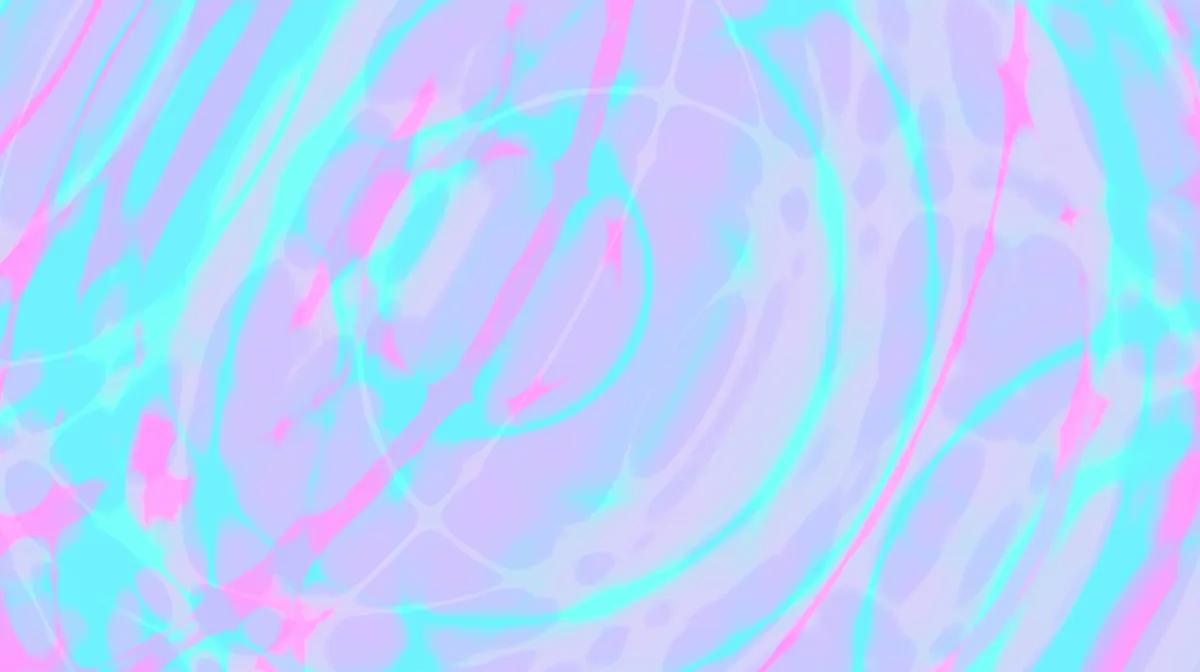
The intersection of digital art and anime has birthed a fascinating subgenre: abstract anime. This style moves beyond traditional character depictions and narrative storytelling, focusing instead on evocative imagery, color palettes, and emotional resonance. It’s a realm where artistic expression takes precedence, inviting viewers to interpret meaning through form and feeling. This exploration delves into the characteristics, techniques, and appeal of abstract anime art.
Unlike conventional anime, which often prioritizes detailed character designs and coherent plotlines, abstract anime prioritizes aesthetic impact. It’s a visual experience designed to stimulate the imagination and evoke a mood, rather than tell a specific story. This doesn’t mean it lacks depth; rather, the depth is found in the layers of symbolism and the emotional response it elicits.
What Defines Abstract Anime Art?
Abstract anime isn’t easily defined by rigid rules, but several key characteristics consistently appear. These include:
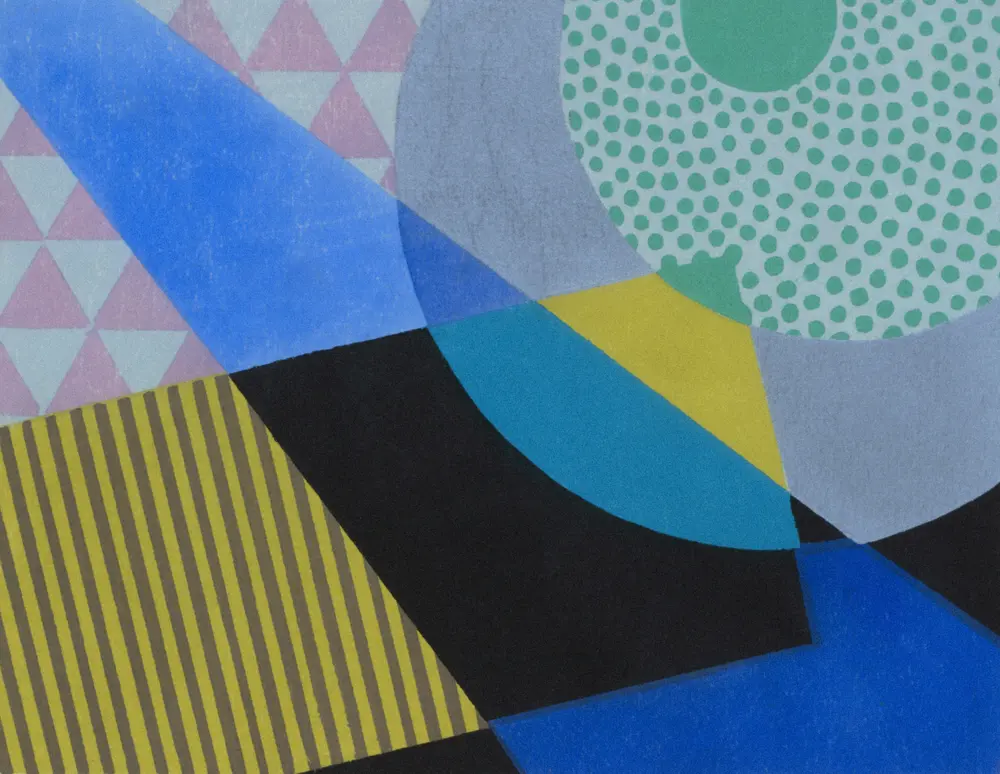
- Non-Representational Forms: Shapes and colors often don’t directly correspond to real-world objects. Instead, they exist as independent elements contributing to the overall composition.
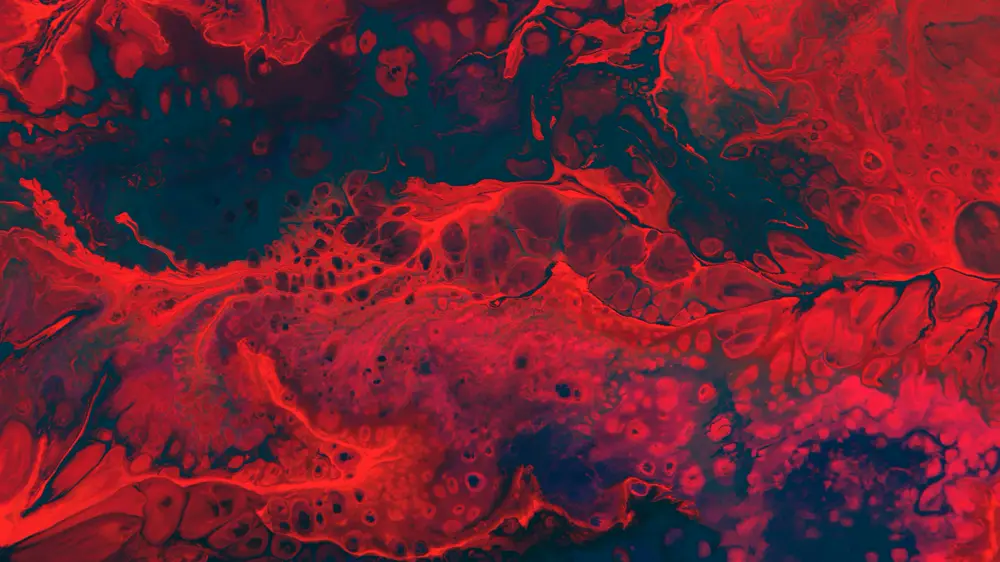
- Emphasis on Color and Texture: Color palettes are frequently bold and unconventional, used to convey specific emotions or create visual harmony. Textures, whether smooth gradients or rough brushstrokes, add another layer of complexity.
- Fragmented Imagery: Elements of anime characters or scenes might be present, but they are often deconstructed and reassembled in a fragmented or distorted manner.
- Emotional Expression: The primary goal is often to convey a feeling or mood, such as melancholy, joy, or tranquility.
- Dynamic Composition: Abstract anime art frequently employs dynamic compositions, using lines, shapes, and colors to create a sense of movement and energy.
Techniques Used in Creating Abstract Anime
Artists employ a variety of techniques to achieve the abstract anime aesthetic. These techniques often blend traditional art principles with digital tools:
- Digital Painting: Software like Photoshop, Clip Studio Paint, and Procreate are commonly used to create digital paintings with a wide range of brushes and effects.
- Vector Graphics: Programs like Adobe Illustrator allow artists to create scalable vector graphics, which are ideal for clean lines and geometric shapes.
- Fractal Art: Mathematical algorithms can generate intricate and visually stunning fractal patterns, often incorporated into abstract anime compositions.
- Glitch Art: Intentional errors or distortions in digital images can create a unique and unsettling aesthetic.
- Layering and Blending: Combining multiple layers of images and effects allows artists to create depth and complexity.
Many artists also experiment with AI-assisted tools to generate initial concepts or textures, then refine them manually. The process is often iterative, involving experimentation and refinement until the desired emotional impact is achieved. Understanding color theory is also crucial for creating impactful abstract pieces.
The Appeal of Abstract Anime
Why does abstract anime resonate with so many people? Several factors contribute to its appeal:
- Open to Interpretation: Unlike narrative-driven anime, abstract art doesn’t dictate a specific meaning. Viewers are free to interpret the artwork based on their own experiences and emotions.
- Visually Stimulating: The bold colors, dynamic compositions, and intricate textures can be incredibly visually stimulating.
- Emotional Connection: Even without a clear narrative, abstract anime can evoke strong emotional responses.
- Unique Aesthetic: It offers a refreshing departure from traditional anime styles.
- Accessibility: The lack of a complex storyline makes it accessible to a wider audience, even those unfamiliar with anime.
The genre also benefits from the growing popularity of digital art and the increasing accessibility of art creation tools. More people than ever before are able to experiment with these techniques and share their creations online. The influence of anime itself provides a rich visual vocabulary for artists to draw upon.
Where to Find Abstract Anime Art
Abstract anime art can be found in a variety of places:
- Online Art Platforms: Websites like ArtStation, DeviantArt, and Pixiv are popular platforms for artists to showcase their work.
- Social Media: Instagram, Twitter, and Tumblr are also great places to discover abstract anime art.
- Online Galleries: Several online galleries specialize in digital art, including abstract anime.
- NFT Marketplaces: Increasingly, abstract anime art is being sold as Non-Fungible Tokens (NFTs).
The Future of Abstract Anime
The future of abstract anime looks bright. As digital art technology continues to evolve, we can expect to see even more innovative and visually stunning creations. The integration of AI and machine learning will likely play a significant role, allowing artists to explore new possibilities and push the boundaries of the genre. The growing interest in digital collectibles and NFTs could also provide new opportunities for artists to monetize their work. Ultimately, abstract anime represents a dynamic and evolving art form that continues to captivate and inspire.
Frequently Asked Questions
-
What is the difference between abstract anime and traditional anime?
Traditional anime focuses on storytelling with detailed characters and plots. Abstract anime prioritizes visual aesthetics and emotional impact over narrative, often using non-representational forms and fragmented imagery. It’s more about feeling than understanding a story.
-
Do I need to understand anime to appreciate abstract anime?
Not at all! While some familiarity with anime aesthetics might enhance your appreciation, abstract anime is designed to be accessible to everyone. It’s about how the artwork makes you feel, not about recognizing characters or plot points.
-
What software do artists use to create abstract anime?
Popular software includes Photoshop, Clip Studio Paint, Procreate (for iPad), and Adobe Illustrator. Many artists also experiment with fractal art generators and glitch art tools. The choice of software depends on the artist’s preferred style and techniques.
-
Is abstract anime considered ‘real’ art?
Absolutely! Art is subjective, and abstract anime is a valid form of artistic expression. It requires skill, creativity, and a strong understanding of visual principles. Its value lies in its ability to evoke emotions and stimulate the imagination.
-
Where can I learn more about digital art techniques used in abstract anime?
There are numerous online tutorials and courses available on platforms like Skillshare, Udemy, and YouTube. Searching for terms like ‘digital painting tutorial,’ ‘fractal art tutorial,’ or ‘glitch art tutorial’ will yield a wealth of resources.
Related posts:
Before you choose, take in Digital Art: Exploring the World of Abstract Anime as well. The contrast might surprise you.
Share this page with a fellow art lover looking for their next wallpaper.
